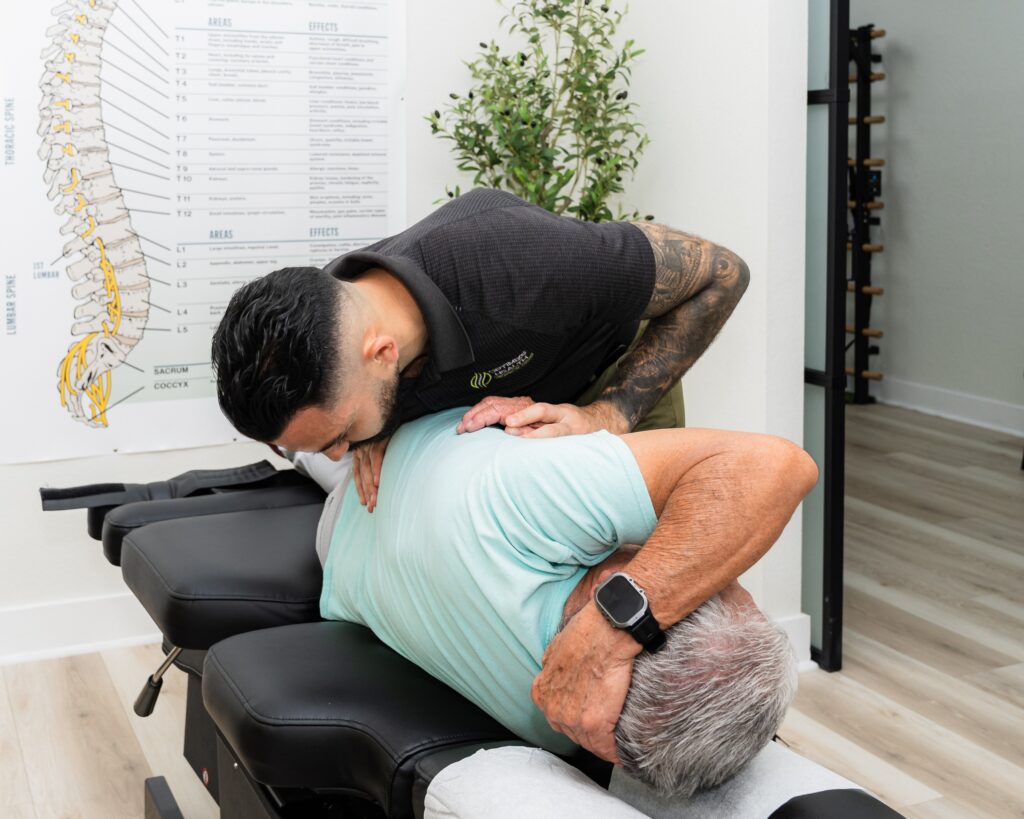

Hip pain can be frustrating, limiting, and sometimes unpredictable. Whether you’ve experienced a nagging ache after a long day on your feet or dealt with stiffness that makes it hard to get comfortable at night, you know how much hip discomfort can affect your daily life. But what if there was a way to address the underlying factors that contribute to hip problems before they become chronic? Many patients here in Miami Lakes are discovering that chiropractic care isn’t just about treating pain after it starts—it’s also about building resilience in the body to help prevent future hip pain and injuries from developing in the first place.
At Optimize Health Chiropractic Center, we see countless patients who wish they had taken preventive steps earlier. The good news is that it’s never too late to start. Understanding how your body moves, identifying biomechanical imbalances, and addressing spinal alignment issues can all play a significant role in keeping your hips healthy and functional for years to come. This article explores how chiropractic care can help prevent future hip pain and injuries, what to expect from preventive care, and practical steps you can take to protect your hip health.
Can Chiropractic Care Help Prevent Future Hip Pain?
Yes, chiropractic care can help prevent future hip pain and injuries. By addressing spinal misalignments, improving pelvic balance, correcting movement patterns, and enhancing overall joint function, chiropractic adjustments support better biomechanics throughout the lower body. This proactive approach helps reduce abnormal stress on the hip joints, muscles, and connective tissues, lowering the risk of degeneration, inflammation, and injury over time.
Table of Contents
- Understanding Hip Structure and Common Vulnerabilities
- The Role of Alignment in Hip Health
- How Biomechanics Connect Your Spine to Your Hips
- How Chiropractic Care Supports Hip Injury Prevention
- Practical Tips to Protect Your Hip Health
- When to See a Chiropractor for Preventive Hip Care
- Preventive Strategies: What Works Best
- Myths vs. Facts About Hip Pain Prevention
- Final Thoughts from Optimize Health Chiropractic Center
Understanding Hip Structure and Common Vulnerabilities
The hip joint is one of the largest and most stable joints in your body. It’s a ball-and-socket joint where the head of the femur (thigh bone) fits into the acetabulum of the pelvis. This design allows for a wide range of motion—walking, running, squatting, climbing stairs, and more. Surrounding the joint are thick bands of ligaments, powerful muscles, and a protective layer of cartilage that cushions the bones during movement.
Despite its strength, the hip is vulnerable to several types of stress. Repetitive motions, poor posture, muscle imbalances, and misalignments in the pelvis or lower spine can all place uneven pressure on the hip joint. Over time, this abnormal stress can lead to inflammation, cartilage breakdown, muscle strain, bursitis, tendonitis, and even degenerative conditions like osteoarthritis.
Here in Miami Lakes, we see patients of all ages dealing with hip issues—from active adults who play tennis or jog regularly to individuals who sit at desks for extended periods. The hip joint doesn’t operate in isolation. Its function is intimately connected to the pelvis, lumbar spine, sacrum, and even the knees and feet. When one part of this kinetic chain is out of alignment or functioning improperly, the hip often compensates, leading to wear and tear that accumulates over time.
Understanding these vulnerabilities is the first step in prevention. If you can identify and correct imbalances early, you reduce the likelihood of developing chronic pain or sustaining an injury that sidelines you from the activities you enjoy.
The Role of Alignment in Hip Health
Proper alignment is foundational to hip health. When your pelvis, spine, and hips are balanced and aligned, weight is distributed evenly across both hip joints. This reduces unnecessary friction, minimizes stress on the cartilage, and allows muscles to work efficiently without overcompensation.
Misalignments can occur for many reasons. A previous injury, repetitive movements, prolonged sitting, poor posture, uneven leg length, or simply favoring one side of your body can all contribute to pelvic and spinal imbalances. When the pelvis tilts or rotates abnormally, it changes the angle of the hip socket and alters how forces are transmitted through the joint during movement.
For example, if your pelvis is rotated forward on one side, that hip may experience more compressive force with each step you take. Over months and years, this increased stress can lead to pain, stiffness, and eventually structural changes in the joint. Similarly, misalignments in the lumbar spine can affect the nerves that supply the hip muscles, leading to weakness, poor coordination, and an increased risk of strain or injury.
Chiropractic care focuses on restoring proper alignment through gentle, precise adjustments. By correcting pelvic tilts, sacroiliac joint restrictions, and lumbar misalignments, chiropractors help reestablish balanced biomechanics. This proactive approach doesn’t just relieve existing discomfort—it also reduces the likelihood of future problems by ensuring your body moves the way it was designed to.
How Biomechanics Connect Your Spine to Your Hips
Your body is a connected system. The spine, pelvis, hips, knees, and feet all work together to support movement and maintain balance. When one area is compromised, other areas must adapt. This is why hip pain often has roots in problems elsewhere in the body—particularly the lower back and pelvis.
The lumbar spine and sacroiliac joints play a critical role in hip function. These structures form the base of your spine and connect directly to your pelvis. When the lumbar vertebrae or sacroiliac joints become restricted or misaligned, they can alter the position and movement of the pelvis. This, in turn, affects hip mechanics.
Consider how you walk. With each step, your pelvis rotates slightly, your hip flexes and extends, and your spine adjusts to maintain balance. If your sacroiliac joint is stuck or your lower back lacks mobility, your hip may have to compensate by moving through a greater range of motion or in an abnormal pattern. Over time, this compensation can strain the hip muscles, irritate the joint capsule, and increase the risk of conditions like hip impingement or labral tears.
Additionally, the nervous system plays a vital role in coordinating muscle activity. Nerves that exit the lumbar spine innervate the muscles around the hip. If spinal misalignments or nerve irritation disrupt these signals, the muscles may not fire properly. Weak or uncoordinated muscles around the hip leave the joint vulnerable to injury, especially during physical activity or sudden movements.
By addressing spinal and pelvic alignment, chiropractic care helps optimize biomechanics throughout the lower body. This reduces compensatory stress on the hips and supports healthier, more efficient movement patterns.
How Chiropractic Care Supports Hip Injury Prevention
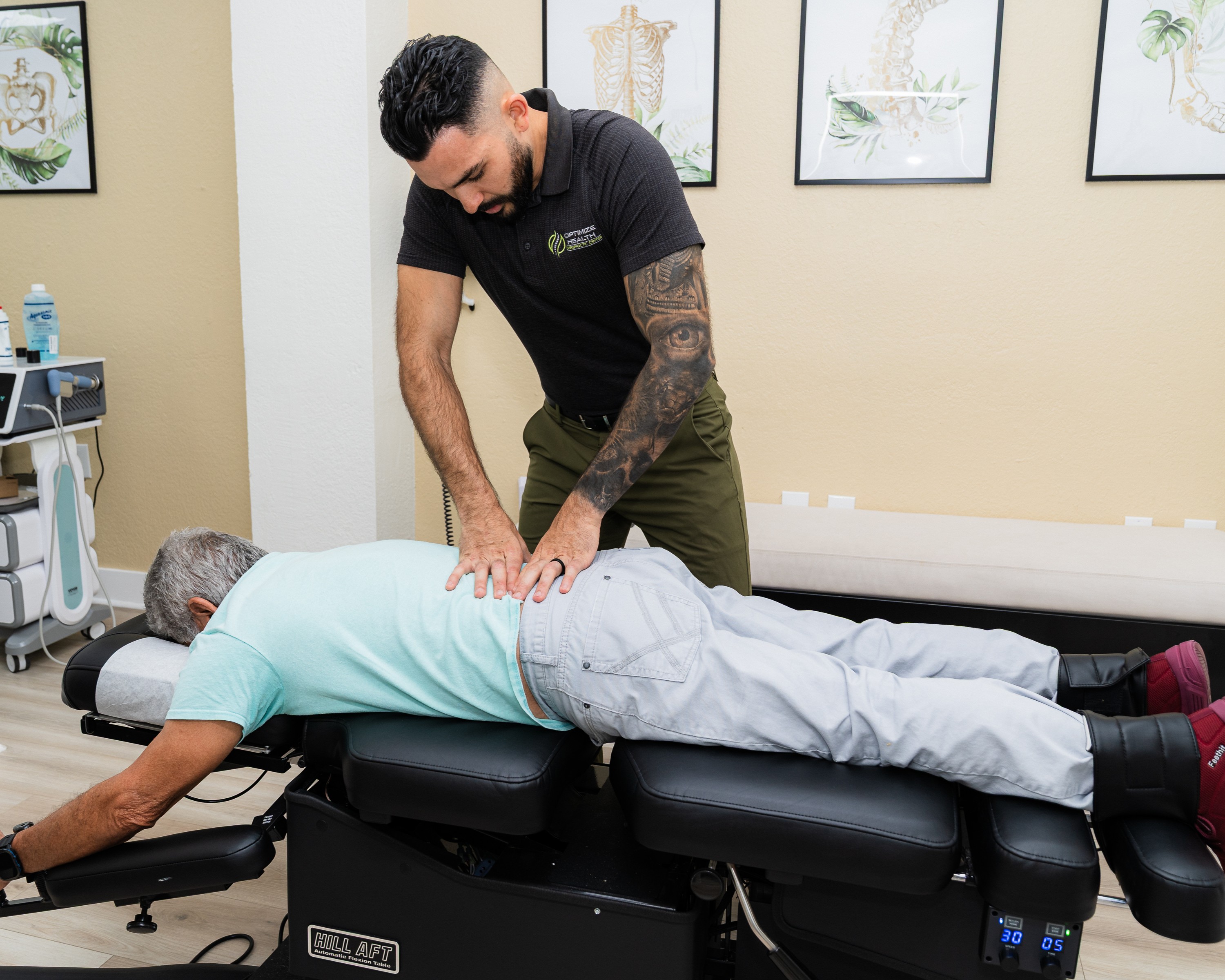
Chiropractic care offers a comprehensive, proactive approach to preventing hip pain and injuries. Rather than waiting for symptoms to appear, preventive chiropractic focuses on maintaining optimal function and addressing minor issues before they escalate into major problems.
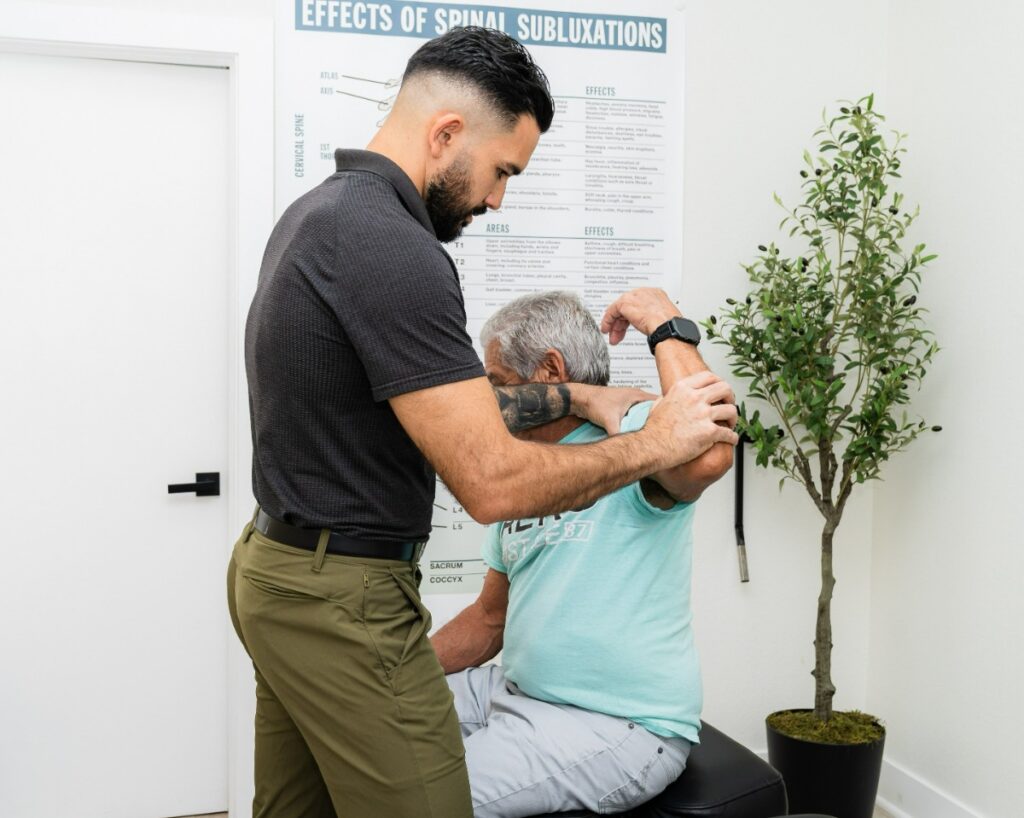
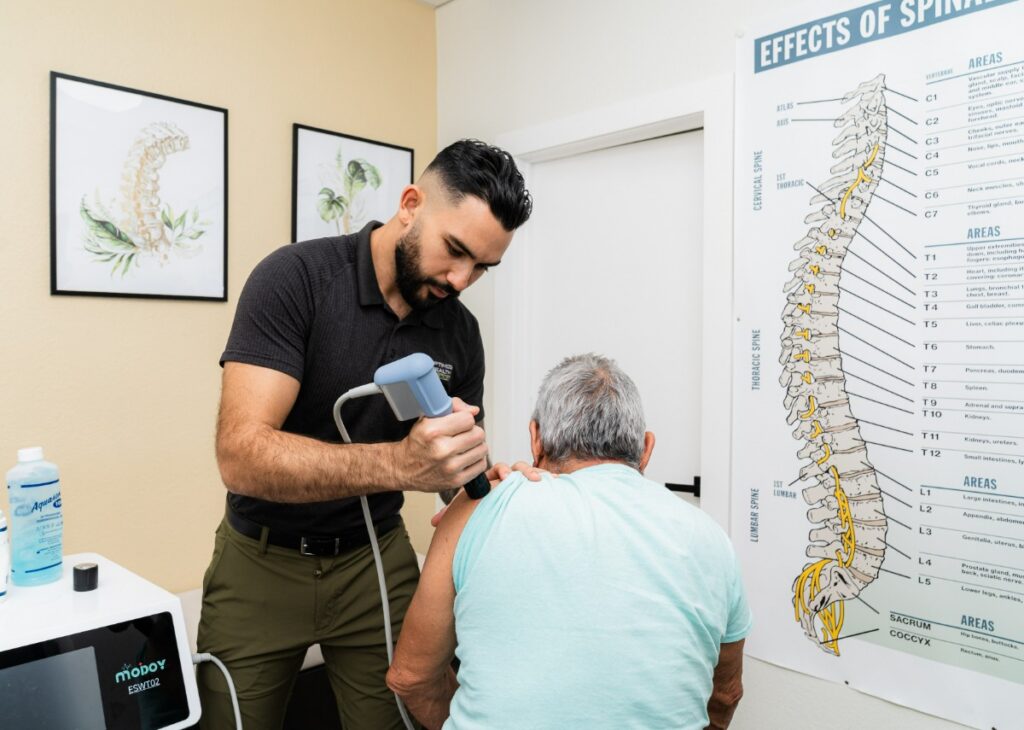
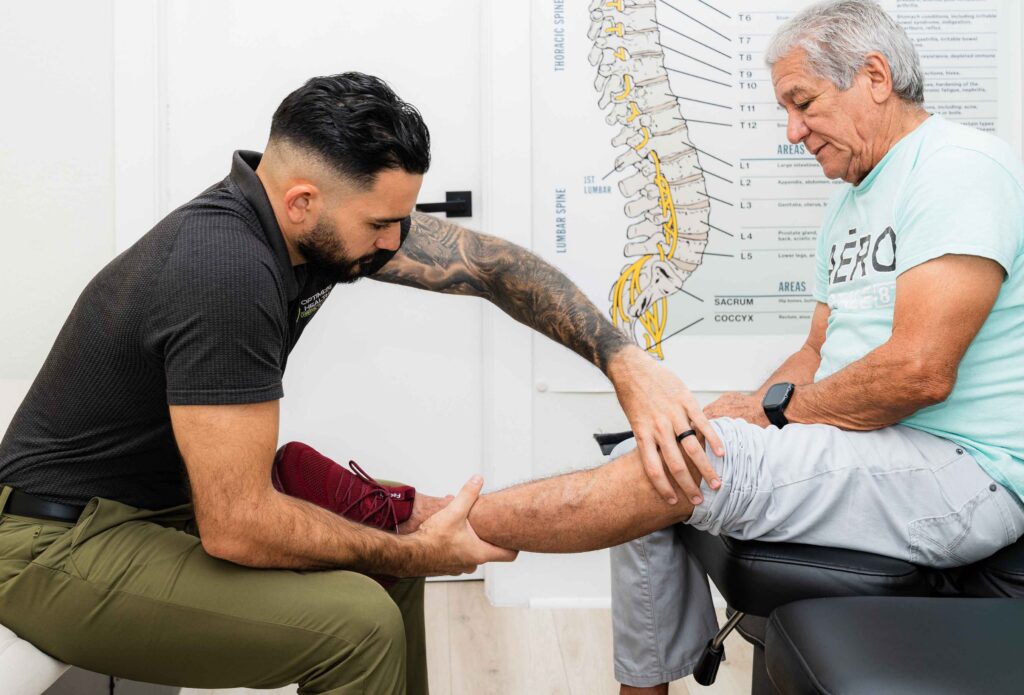
At Optimize Health Chiropractic Center in Miami Lakes, Dr. Denis Chang emphasizes the importance of regular evaluations and individualized care plans. During a preventive chiropractic visit, you can expect a thorough assessment of your posture, gait, spinal alignment, and pelvic balance. Dr. Denis Chang will also evaluate joint mobility, muscle strength, and any movement patterns that may place undue stress on your hips.
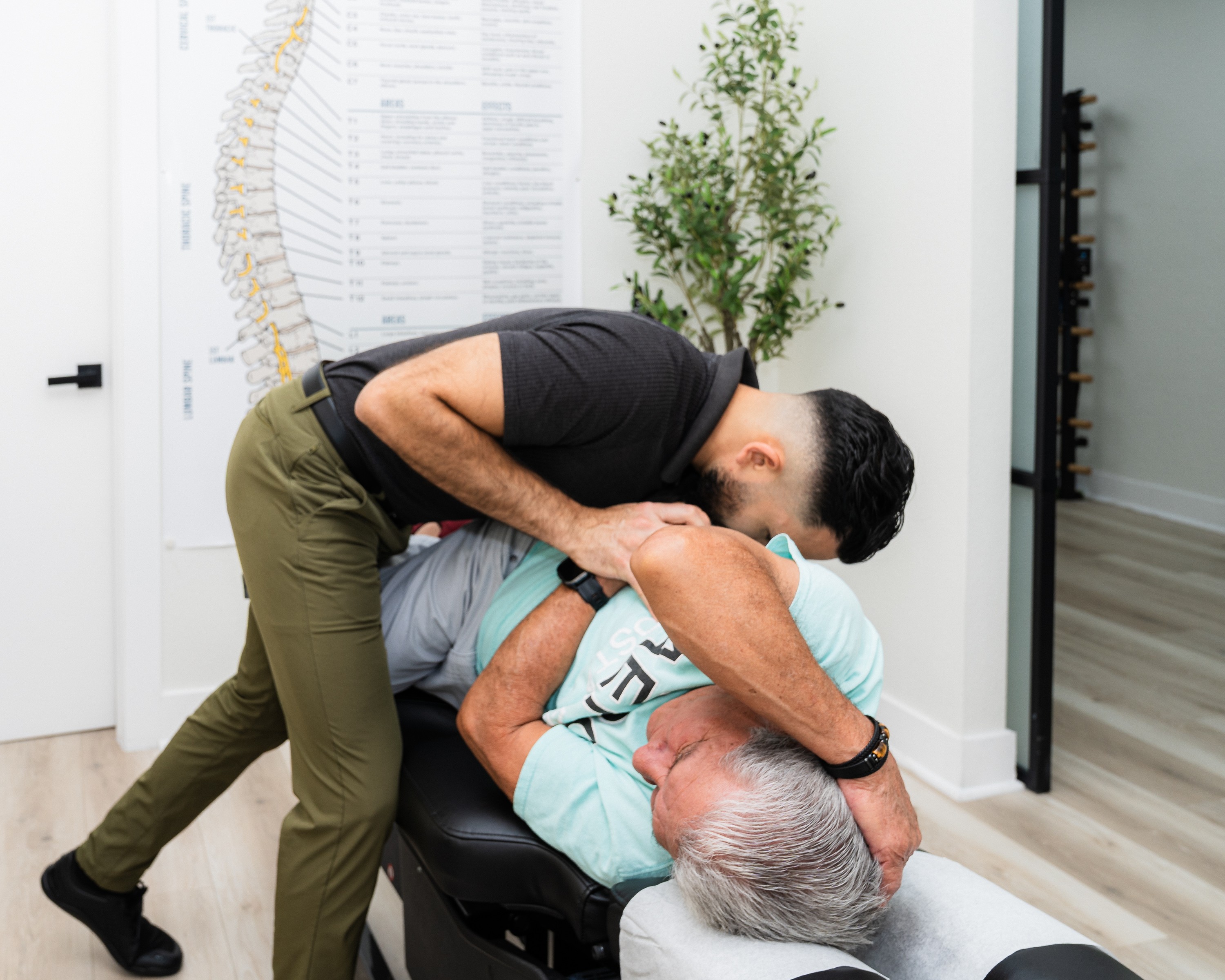
Once any imbalances or restrictions are identified, chiropractic adjustments are used to restore proper alignment and joint function. These adjustments are gentle, specific, and tailored to your body’s unique needs. By correcting misalignments in the pelvis, sacroiliac joints, and lumbar spine, chiropractic care helps ensure that your hips move through their full range of motion without compensatory stress.
In addition to spinal adjustments, chiropractors often provide guidance on strengthening exercises, stretching routines, and lifestyle modifications that support hip health. For example, strengthening the gluteal muscles and hip stabilizers can reduce strain on the hip joint during walking, running, and other activities. Improving flexibility in the hip flexors and hamstrings can prevent muscle imbalances that contribute to joint stress.
Research suggests that conservative, non-invasive interventions like chiropractic care can be effective in managing and preventing musculoskeletal conditions. Evidence indicates that maintaining proper spinal and pelvic alignment supports better biomechanics and reduces the risk of overuse injuries. While outcomes vary by individual, many patients report improved mobility, reduced discomfort, and greater confidence in their body’s ability to handle physical demands.
Preventive chiropractic care is particularly beneficial for active individuals, those with a history of hip or lower back issues, and anyone who wants to maintain their mobility and quality of life as they age. By addressing small problems early, you can avoid the frustration and limitation that comes with chronic hip pain.
Practical Tips to Protect Your Hip Health
While chiropractic care plays an important role in hip injury prevention, there are also practical steps you can take on your own to support hip health and reduce your risk of pain or injury.
Maintain a healthy weight. Excess body weight increases the load on your hip joints with every step you take. Even a modest reduction in weight can significantly decrease stress on the hips and lower the risk of degenerative changes over time.
Stay active with low-impact exercises. Regular movement keeps your joints lubricated and your muscles strong. Walking, swimming, cycling, and yoga are excellent options that support hip health without placing excessive stress on the joints. Avoid prolonged periods of inactivity, as this can lead to stiffness and weakness.
Strengthen your core and gluteal muscles. Strong core muscles stabilize your pelvis and lower spine, while strong glutes support proper hip mechanics. Incorporate exercises like bridges, planks, clamshells, and side-lying leg lifts into your routine. A chiropractor or physical therapist can provide specific recommendations based on your needs.
Stretch regularly. Tight hip flexors, hamstrings, and piriformis muscles can pull the pelvis out of alignment and increase stress on the hip joint. Gentle stretching after activity or at the end of the day can improve flexibility and reduce tension. Focus on hip flexor stretches, figure-four stretches, and hamstring stretches.
Pay attention to your posture. Whether you’re sitting at a desk, standing, or walking, posture matters. When sitting, keep your hips level and avoid crossing your legs for extended periods. When standing, distribute your weight evenly between both feet. Poor posture can contribute to pelvic imbalances that affect hip alignment.
Avoid repetitive stress. If your job or hobbies involve repetitive movements, take breaks and vary your activities when possible. For example, runners should incorporate cross-training to reduce the cumulative impact on the hips. Construction workers or those who lift heavy objects should practice proper body mechanics and avoid twisting while carrying loads.
Wear supportive footwear. Your feet are the foundation of your body. Worn-out shoes, high heels, or footwear without proper arch support can alter your gait and place uneven stress on your hips. Choose shoes that fit well and provide adequate cushioning and stability.
Listen to your body. If you notice new stiffness, discomfort, or changes in your movement, don’t ignore it. Early intervention can prevent minor issues from becoming chronic. Schedule a visit with a chiropractor to assess your alignment and address any concerns before they escalate.
When to See a Chiropractor for Preventive Hip Care
You don’t have to wait until you’re in pain to benefit from chiropractic care. In fact, preventive visits can help you avoid hip problems altogether. Consider scheduling a chiropractic evaluation if you fall into any of the following categories.
You have a history of hip, lower back, or pelvic pain. Even if your symptoms have resolved, underlying imbalances may still be present. Addressing these issues proactively can reduce the likelihood of recurrence.
You’re an active individual who participates in running, sports, or physically demanding activities. Athletes and active adults are at higher risk for overuse injuries. Regular chiropractic check-ups can help maintain alignment, optimize performance, and prevent injuries before they occur.
You sit for long periods at work or during your daily routine. Prolonged sitting can lead to tight hip flexors, weak glutes, and pelvic imbalances. Chiropractic care, combined with targeted exercises, can counteract these effects and support better hip health.
You notice stiffness, reduced range of motion, or minor discomfort in your hips. These early warning signs often indicate that something is out of balance. Catching these issues early can prevent them from developing into chronic pain or injury.
You’ve experienced a recent fall, accident, or injury. Even if you didn’t sustain a serious injury, trauma can cause subtle misalignments that affect hip function over time. A post-injury evaluation can help identify and correct these issues.
You want to maintain your mobility and quality of life as you age. Preventive care is an investment in your long-term health. Regular chiropractic visits can help you stay active, independent, and pain-free well into your later years.
If you’re in Miami Lakes, Florida, and want to take a proactive approach to your hip health, the team at Optimize Health Chiropractic Center is here to help. Dr. Denis Chang and the care team can provide a comprehensive evaluation, personalized recommendations, and ongoing support to keep your hips—and your entire body—functioning at their best.
While chiropractic care is safe and effective for most people, there are certain red flag symptoms that warrant immediate medical attention. Seek emergency care if you experience sudden, severe hip pain following a fall or accident, inability to bear weight on the affected leg, signs of infection such as fever or warmth around the joint, or any symptoms that suggest a fracture or dislocation. Chiropractic care is part of a conservative, integrative approach to health, and chiropractors work collaboratively with other healthcare providers when necessary to ensure you receive the most appropriate care.
Preventive Strategies: What Works Best
| Strategy | Benefits | Best For |
|---|---|---|
| Chiropractic Adjustments | Restores alignment, improves joint function, reduces abnormal stress | Anyone with pelvic or spinal imbalances, athletes, desk workers |
| Strengthening Exercises | Builds muscle support, stabilizes the hip, prevents compensations | Active individuals, those with muscle imbalances or weakness |
| Stretching Routines | Improves flexibility, reduces tension, maintains range of motion | People with tight muscles, sedentary lifestyles, or repetitive activities |
| Ergonomic Modifications | Reduces strain from prolonged sitting, improves posture | Office workers, drivers, anyone who sits for extended periods |
| Proper Footwear | Supports healthy gait, reduces impact on hips and spine | Runners, individuals who spend long hours on their feet |
| Weight Management | Decreases joint loading, reduces inflammation, slows degeneration | Anyone looking to reduce stress on weight-bearing joints |
Myths vs. Facts About Hip Pain Prevention
Myth: Hip pain only affects older adults
Fact: While age-related degeneration is a common cause of hip pain, younger adults and even adolescents can experience hip issues due to sports injuries, muscle imbalances, repetitive stress, or biomechanical problems. Prevention is important at any age.
Myth: You should avoid exercise if you want to prevent hip problems
Fact: Regular, appropriate exercise is one of the best ways to prevent hip pain. Staying active strengthens the muscles that support the hip joint, improves flexibility, and maintains joint health. The key is choosing low-impact activities and using proper form.
Myth: Chiropractic care is only for treating pain, not preventing it
Fact: Chiropractic care is highly effective for prevention. By addressing misalignments and biomechanical issues before they cause symptoms, chiropractic adjustments help maintain optimal function and reduce the risk of future injuries.
Myth: Once your hips start hurting, there’s nothing you can do to prevent it from getting worse
Fact: Early intervention can make a significant difference. Conservative care approaches like chiropractic adjustments, targeted exercises, and lifestyle modifications can slow or even halt the progression of hip problems, helping you maintain mobility and comfort.
Myth: Hip pain is just something you have to live with
Fact: Many people successfully manage and prevent hip pain through proactive care. Chiropractic treatment, physical activity, proper ergonomics, and other strategies can help you stay active and pain-free without relying on medications or invasive procedures.
Final Thoughts from Optimize Health Chiropractic Center
Preventing hip pain and injuries isn’t about luck—it’s about taking intentional steps to support your body’s alignment, strength, and overall function. Here in Miami Lakes, we’re passionate about helping our patients live active, healthy lives free from the limitations that chronic pain can bring. At Optimize Health Chiropractic Center, Dr. Denis Chang and our team are committed to providing personalized, evidence-based care that addresses the root causes of hip problems rather than simply masking symptoms.
Whether you’re looking to stay ahead of potential issues, recover from a previous injury, or maintain your mobility as you age, we’re here to support you every step of the way. Prevention is always easier than treatment, and the best time to start taking care of your hips is today. If you’re in the Miami Lakes, Florida area and want to learn more about how chiropractic care can help protect your hip health, we invite you to reach out and schedule a consultation. Your future self will thank you.
Frequently Asked Questions
How often should I see a chiropractor for preventive hip care?
The frequency of visits depends on your individual needs, activity level, and health history. Some patients benefit from monthly maintenance visits, while others may need more frequent care initially to address imbalances. Dr. Denis Chang can recommend a schedule that’s right for you based on your evaluation.
Can chiropractic adjustments help if I already have arthritis in my hip?
Chiropractic care cannot reverse arthritis, but it can help manage symptoms and slow progression by improving joint mechanics, reducing inflammation, and maintaining mobility. Many patients with hip arthritis find that regular adjustments help them stay more active and comfortable.
Is chiropractic care safe for athletes trying to prevent hip injuries?
Yes, chiropractic care is widely used by athletes to maintain optimal alignment, improve performance, and reduce injury risk. Adjustments, combined with strength and flexibility training, support better biomechanics and help athletes avoid overuse injuries common in sports.
What’s the difference between preventive chiropractic care and physical therapy for the hips?
Chiropractic care focuses on restoring spinal and pelvic alignment, which supports proper hip mechanics. Physical therapy often emphasizes rehabilitation exercises and strengthening. Both approaches can be complementary, and many patients benefit from combining chiropractic adjustments with targeted exercises.
Will I need X-rays or imaging to get preventive chiropractic care?
Not always. In many cases, a thorough physical examination and movement assessment are sufficient to identify imbalances and develop a care plan. If there are specific concerns or a history of trauma, imaging may be recommended to rule out underlying structural issues.
Can poor posture really cause hip problems down the road?
Yes, poor posture can contribute to pelvic imbalances and abnormal stress on the hip joints. Over time, these imbalances can lead to muscle weakness, joint irritation, and increased risk of injury. Correcting posture and addressing alignment issues early can help prevent these problems from developing.
TL;DR: Key Takeaways
- Chiropractic care helps prevent hip pain by restoring spinal and pelvic alignment, improving biomechanics, and reducing abnormal stress on the hip joints.
- Preventive care is effective for people of all ages and activity levels, from athletes to desk workers to older adults looking to maintain mobility.
- Regular chiropractic evaluations can identify and address minor imbalances before they develop into chronic pain or injuries.
- Combining chiropractic adjustments with strengthening exercises, stretching, proper posture, and healthy lifestyle habits maximizes your ability to protect your hips over the long term.
- If you’re in Miami Lakes, Florida, Dr. Denis Chang and the team at Optimize Health Chiropractic Center are here to provide personalized, proactive care to keep your hips healthy and functional for years to come.