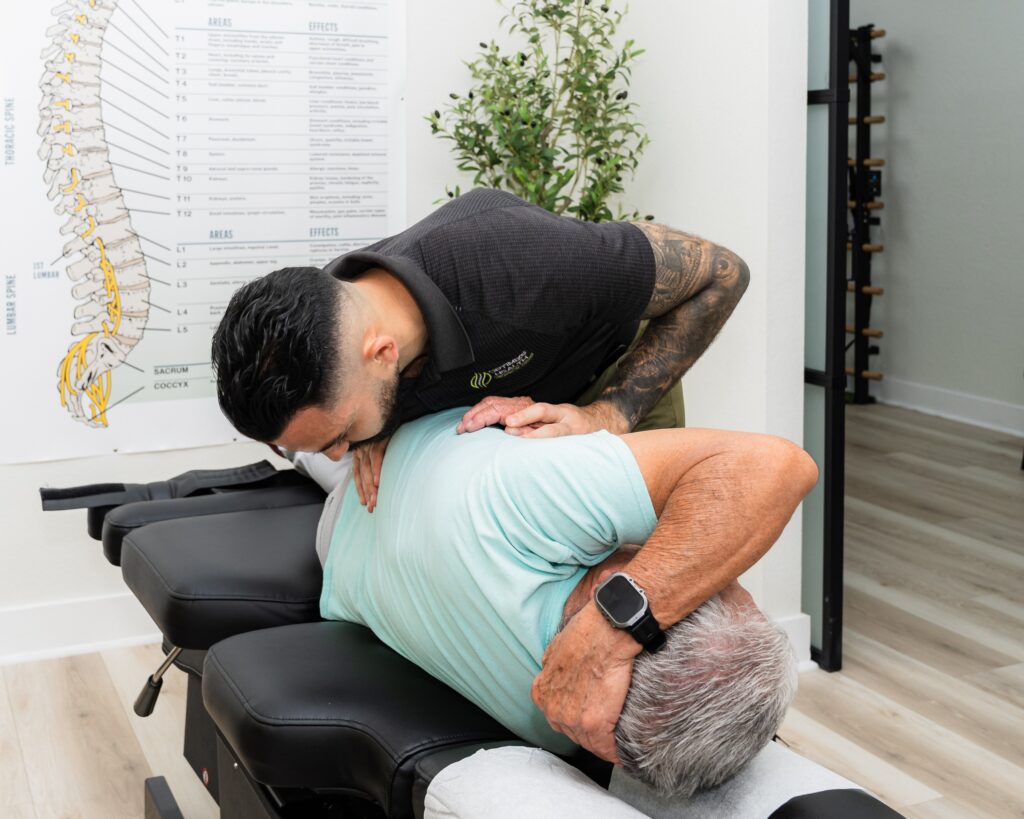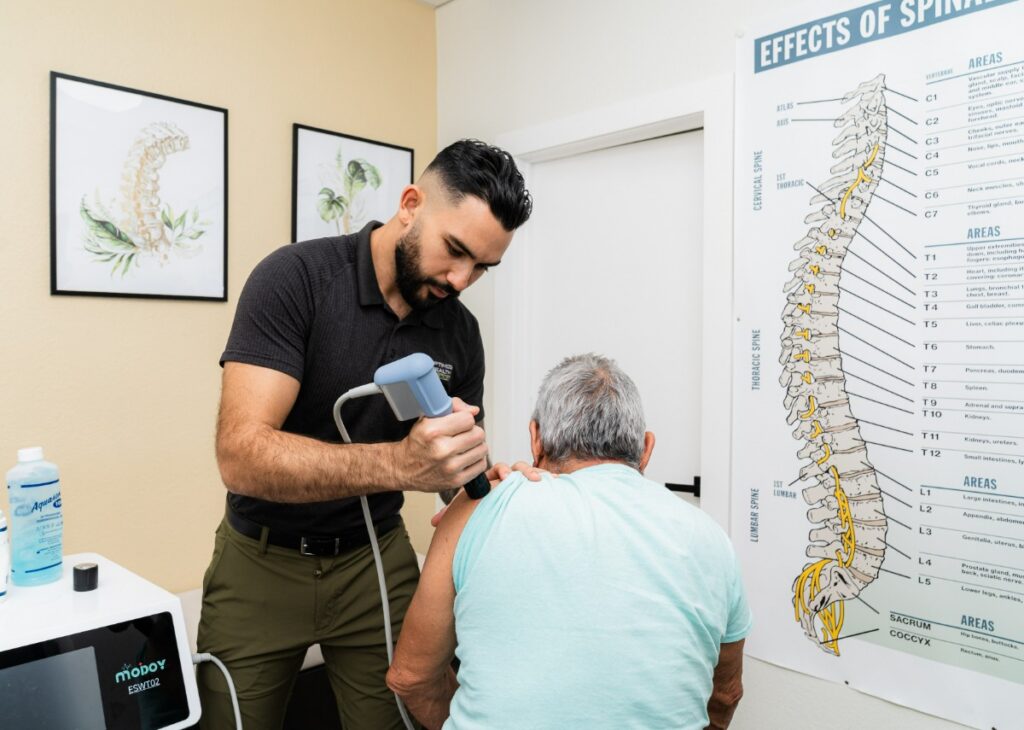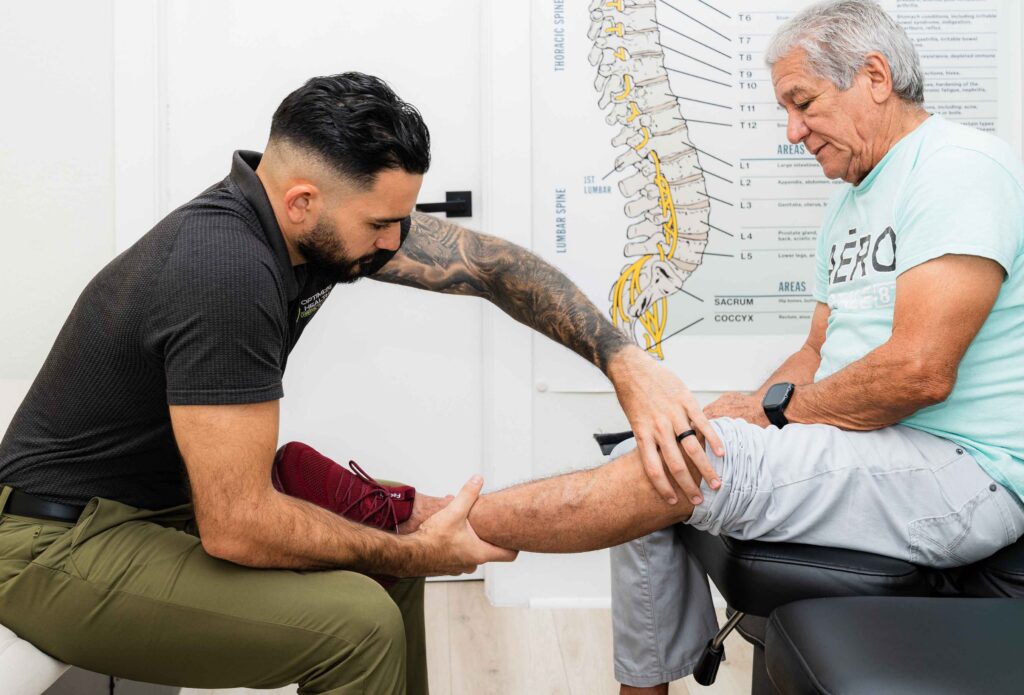
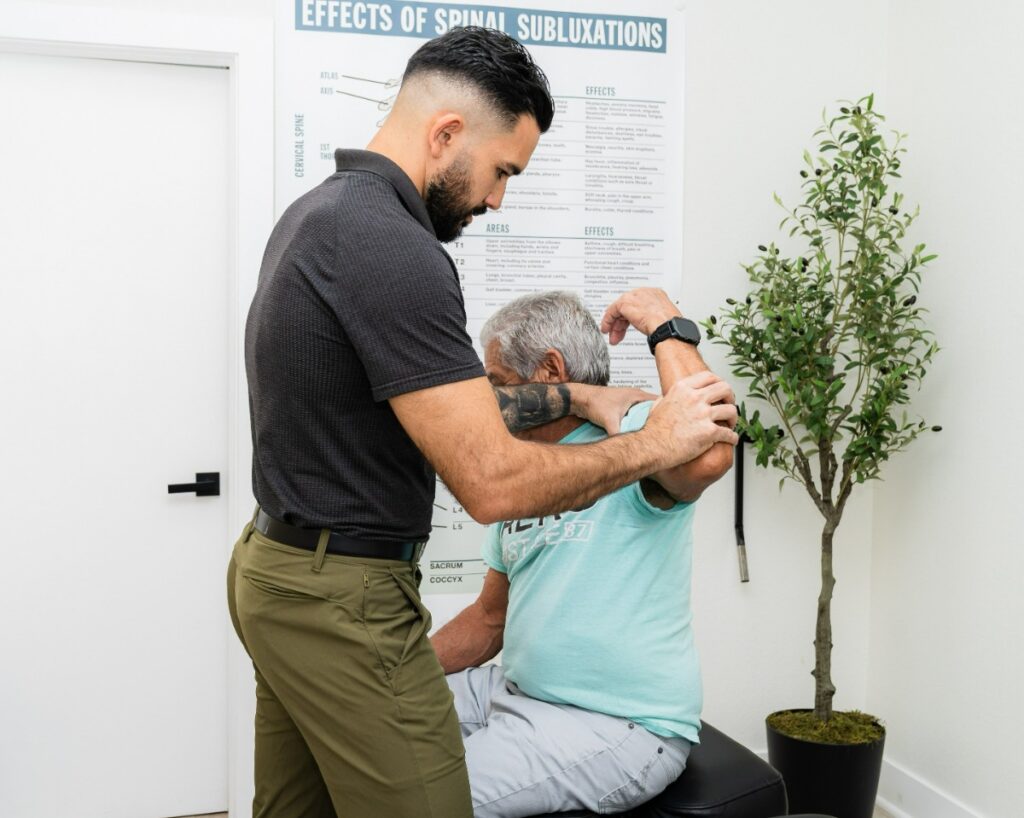

If you’ve been dealing with arm pain that just won’t go away, you’re not alone. Many people in Miami Lakes and throughout South Florida experience persistent arm discomfort that affects their work, sleep, and daily activities. Whether it’s a dull ache that starts in your shoulder and radiates down, sharp shooting pains when you reach for something, or numbness and tingling in your fingers, arm pain can be frustrating and concerning. The good news is that chiropractic care offers a natural, non-invasive approach to addressing the underlying causes of arm pain—and at Optimize Health Chiropractic Center, we help patients understand what’s causing their discomfort and how to find lasting relief.
What Is Chronic Arm Pain? Chronic or daily arm pain refers to persistent discomfort, numbness, tingling, weakness, or aching sensations in the upper extremities that last for weeks or months. Unlike acute injuries that heal with rest, chronic arm pain often stems from underlying biomechanical issues, nerve compression, or repetitive strain patterns that require professional attention to resolve.
Table of Contents
- Understanding Arm Pain: More Than Just Your Arm
- Common Causes of Daily Arm Pain
- Recognizing the Symptoms and Patterns
- How Chiropractic Care Addresses Arm Pain
- What Treatment Looks Like at Optimize Health
- Practical Tips for Managing Arm Pain at Home
- When to See a Chiropractor for Arm Pain
- Myths vs. Facts About Arm Pain and Chiropractic Care
- Final Thoughts
- Frequently Asked Questions
- TL;DR: Key Takeaways
Understanding Arm Pain: More Than Just Your Arm
Here’s something that surprises many patients: arm pain often doesn’t originate in the arm itself. Your arms are connected to your spine through an intricate network of nerves, muscles, and joints. When something goes wrong in your neck, shoulder, or upper back, you can experience symptoms all the way down to your fingertips.
The nerves that control sensation and movement in your arms emerge from your cervical spine—the seven vertebrae in your neck. These nerves form what’s called the brachial plexus, a bundle of nerves that branches out to supply your shoulders, arms, and hands. When these nerves get compressed, irritated, or inflamed due to spinal misalignments, disc problems, or muscle tension, you feel it in your arm.
This is why it’s so important to look at the whole picture when addressing arm pain. At Optimize Health Chiropractic Center, we don’t just treat symptoms—we identify and address the root causes that may be contributing to your discomfort. For many of our Miami Lakes patients, this approach makes all the difference between temporary relief and lasting results.
Common Causes of Daily Arm Pain
Understanding what causes arm pain helps you recognize patterns in your own symptoms. While every person’s situation is unique, several common culprits frequently contribute to persistent arm discomfort:
Cervical Radiculopathy (Pinched Nerve in the Neck)
This occurs when a nerve root in your cervical spine becomes compressed or irritated. Herniated discs, bone spurs, or spinal misalignments can narrow the space where nerves exit the spine. The result is pain, numbness, tingling, or weakness that radiates down your arm following the path of that specific nerve.
Thoracic Outlet Syndrome
The thoracic outlet is the space between your collarbone and first rib. When nerves or blood vessels in this area become compressed—often due to poor posture, repetitive movements, or anatomical variations—you can experience arm pain, numbness, and weakness. This condition is increasingly common in our modern world of desk work and smartphone use.
Repetitive Strain and Overuse
Many Miami Lakes residents work jobs that require repetitive arm movements, whether typing at a computer, using tools, or performing physical labor. Over time, these repetitive motions can create muscle imbalances, joint stress, and inflammation that lead to chronic pain. The body wasn’t designed for the same motion thousands of times per day without variation.
Poor Posture and Forward Head Position
When your head shifts forward and your shoulders round—a posture pattern we see constantly in our practice—it changes the biomechanics of your entire upper body. This creates tension in the muscles of your neck and shoulders, can affect nerve pathways, and often manifests as arm pain or discomfort.
Shoulder Joint Dysfunction
Your shoulder is the most mobile joint in your body, which also makes it vulnerable to problems. Issues like rotator cuff strain, adhesive capsulitis, or shoulder misalignment can cause pain that radiates down your arm. Sometimes shoulder problems develop secondary to spinal issues, creating a complex pattern of dysfunction.
Nerve Entrapment Syndromes
Beyond the neck, nerves can become trapped at various points along their path down your arm. Conditions like carpal tunnel syndrome affect the wrist, while cubital tunnel syndrome affects the elbow. Often, nerve compression occurs at multiple sites—a phenomenon called “double crush syndrome.”
Recognizing the Symptoms and Patterns
Arm pain presents differently depending on its underlying cause. Paying attention to your specific symptoms helps identify what’s happening and guides appropriate care.
Sharp, shooting pain that travels down your arm often indicates nerve involvement. This type of pain typically follows a specific pathway corresponding to a particular nerve root. You might notice it worsens with certain neck positions or movements.
Dull, aching discomfort tends to suggest muscle tension, joint inflammation, or referred pain from trigger points. This type of pain often feels worse after sustained positions or at the end of the day when muscles are fatigued.
Numbness and tingling—that “pins and needles” sensation—almost always points to nerve compression or irritation somewhere along the pathway from your spine to your fingertips. If you wake up at night with numb hands or experience tingling when you turn your head, nerve involvement is likely.
Weakness in your arm, difficulty gripping objects, or dropping things suggests that nerves aren’t functioning optimally. Motor nerves control muscle strength, and when they’re compressed, weakness develops in the muscles they supply.
Many patients at Optimize Health Chiropractic Center report that their arm pain changes with position. Pain that improves when you raise your arm overhead might indicate thoracic outlet syndrome. Discomfort that worsens when you look down at your phone or computer suggests cervical spine involvement.
How Chiropractic Care Addresses Arm Pain
Chiropractic care takes a comprehensive, conservative approach to arm pain by addressing the structural and biomechanical factors that contribute to nerve compression, muscle tension, and joint dysfunction. Rather than simply masking symptoms with medication, chiropractic treatment aims to restore proper alignment, movement, and nerve function.
The foundation of chiropractic care for arm pain is the thorough evaluation. Before any treatment begins, chiropractors perform a detailed assessment that includes your health history, symptom patterns, postural analysis, orthopedic testing, and often imaging if needed. This helps identify exactly where problems exist and what’s causing your symptoms.
Spinal adjustments are a cornerstone of treatment when arm pain stems from cervical spine issues. Research published in the Journal of Manipulative and Physiological Therapeutics has shown that chiropractic adjustments can help reduce pain and improve function in patients with cervicogenic arm pain. These gentle, specific corrections help restore proper spinal alignment, reduce nerve irritation, and improve overall biomechanics.
When vertebrae in your neck aren’t moving properly or are misaligned, they can create pressure on nerve roots. Chiropractic adjustments help restore normal joint motion and positioning, which can relieve that pressure. Many patients notice immediate improvement in symptoms like tingling or shooting pain after adjustments that address the underlying spinal dysfunction.
Beyond spinal care, chiropractors address soft tissue problems that contribute to arm pain. Muscle tension in your neck, shoulders, and upper back can create trigger points that refer pain down your arm. Techniques like myofascial release, active release, and therapeutic massage help release these tight tissues and restore normal muscle function.
Improving posture and biomechanics is essential for long-term results. At Optimize Health Chiropractic Center in Miami Lakes, we teach patients about proper ergonomics, strengthening exercises, and movement patterns that support healing and prevent recurrence. Evidence indicates that combining manual therapy with exercise and education produces better outcomes than any single intervention alone.
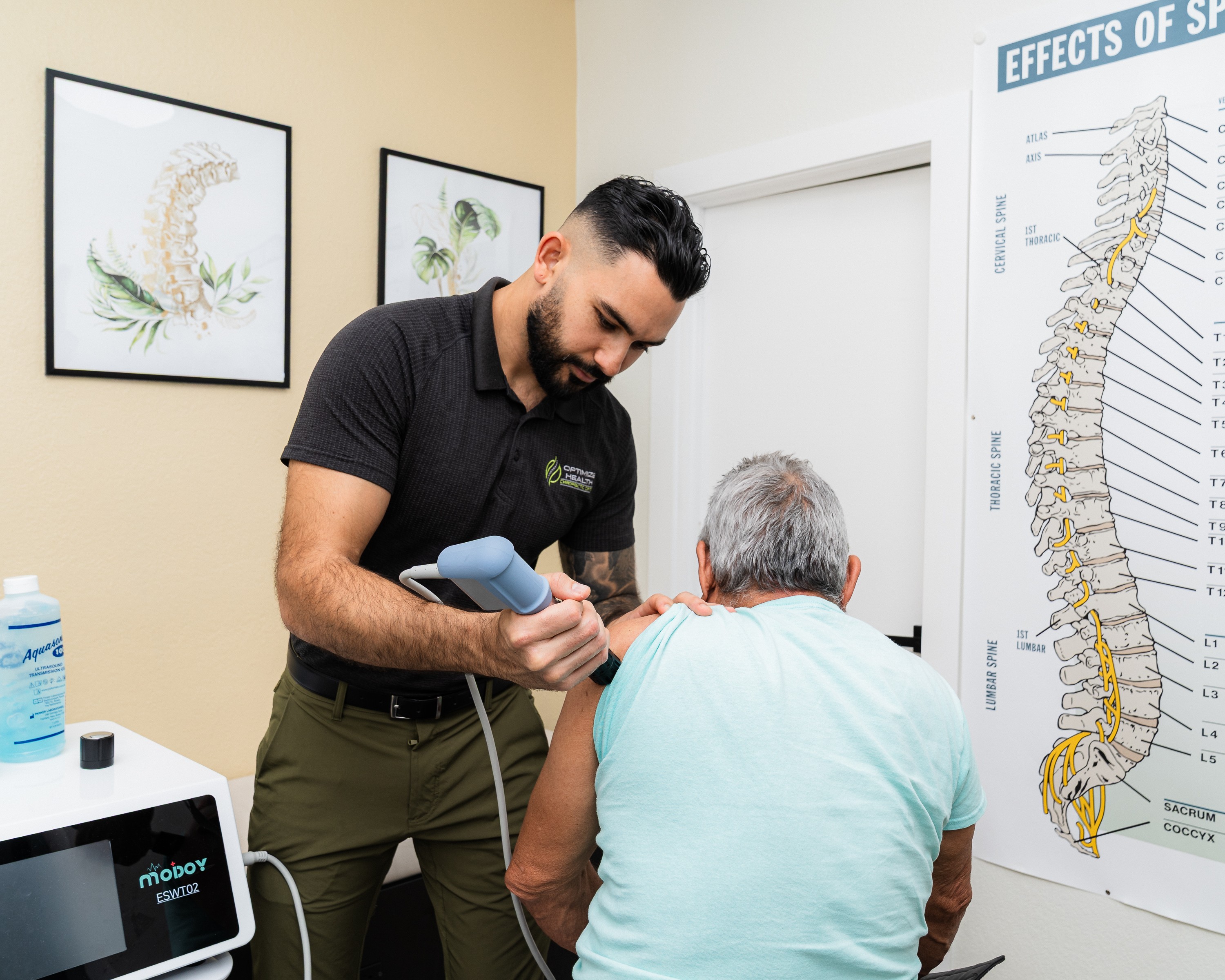
What Treatment Looks Like at Optimize Health Chiropractic Center
When you come to our Miami Lakes practice with arm pain, your care journey begins with understanding. We take time to listen to your story, understand how arm pain affects your daily life, and identify all the factors that might be contributing to your symptoms.
Your initial evaluation includes a comprehensive physical examination. We assess your cervical spine mobility, check for areas of tenderness or restriction, perform specific orthopedic tests to identify nerve involvement, and evaluate your posture and movement patterns. This thorough assessment helps us develop an individualized treatment plan tailored to your specific needs.
Treatment typically combines several approaches. Chiropractic adjustments address spinal alignment and joint function. Soft tissue techniques release muscle tension and improve flexibility. Therapeutic exercises strengthen weak muscles and improve stability. We also provide guidance on ergonomics, home care strategies, and lifestyle modifications that support your recovery.
Many patients notice improvement within the first few visits, though the timeline varies depending on how long you’ve had symptoms and what’s causing them. Acute problems often respond more quickly than chronic conditions that have developed over months or years. We track your progress carefully and adjust your treatment plan as you improve.
Our goal is not just to eliminate your arm pain, but to address the underlying dysfunction so it doesn’t keep coming back. This means teaching you how to maintain the improvements we achieve through care—how to sit properly at your desk, exercises to keep your neck and shoulders strong and flexible, and strategies to avoid the repetitive strain patterns that contributed to your problem in the first place.
Practical Tips for Managing Arm Pain at Home
While professional chiropractic care addresses the root causes of arm pain, there’s plenty you can do at home to support your recovery and reduce daily discomfort.
Optimize Your Workspace Ergonomics
If you work at a computer, proper ergonomics makes a tremendous difference. Position your monitor at eye level so you’re not looking down constantly. Keep your keyboard and mouse close enough that your elbows stay near your sides at roughly 90 degrees. Use a chair that supports your lower back and allows your feet to rest flat on the floor. These simple adjustments reduce strain on your neck and shoulders, which often translates to less arm pain.
Take Regular Movement Breaks
The human body wasn’t designed to stay in one position for hours on end. Set a timer to remind yourself to move every 30-45 minutes. Stand up, roll your shoulders, gently turn your head side to side, and stretch your arms overhead. These brief movement breaks prevent muscles from getting locked in sustained tension patterns that contribute to pain.
Mind Your Sleeping Position
How you sleep affects your arm pain. Avoid sleeping on your stomach, which forces your neck into rotation and can compress nerves. If you’re a side sleeper, use a pillow that keeps your neck in neutral alignment with your spine. Some patients find relief by placing a small pillow between their arms if they sleep on their side, which prevents shoulder compression.
Practice Gentle Neck and Shoulder Stretches
Simple stretches performed regularly can help maintain flexibility and reduce muscle tension. Try gentle chin tucks to improve neck posture, doorway stretches to open up tight chest muscles, and shoulder rolls to release upper back tension. Move slowly and never stretch into sharp pain—gentle, consistent stretching is more effective than aggressive approaches.
Apply Heat or Ice Appropriately
Ice can help reduce inflammation and numb acute pain, particularly after activities that aggravate your symptoms. Heat helps relax tight muscles and improve circulation to promote healing. Many patients find alternating between the two provides the best relief. Apply for 15-20 minutes at a time, with at least an hour between applications.
Reduce Smartphone and Tablet Use
Looking down at your phone for extended periods creates significant strain on your neck—sometimes equivalent to having a 60-pound weight hanging from your cervical spine. Bring your device to eye level instead of dropping your head down to it. Better yet, limit unnecessary screen time and take frequent breaks during necessary use.
Stay Hydrated and Maintain Overall Health
Proper hydration helps maintain healthy discs and connective tissues. General fitness, healthy body weight, and stress management all contribute to reduced pain and better healing. Your overall health creates the foundation for your body’s ability to heal and function optimally.
When to See a Chiropractor for Arm Pain
Many people wait too long before seeking professional help for arm pain, hoping it will resolve on its own. While some minor aches do improve with rest and self-care, certain situations warrant evaluation and treatment.
You should consider seeing a chiropractor if your arm pain has lasted more than a few days without improvement, especially if it’s interfering with work, sleep, or daily activities. Pain that progressively worsens rather than gradually improving is another clear signal that professional care is needed.
If you’re experiencing numbness, tingling, or weakness alongside arm pain, this suggests nerve involvement that should be addressed promptly. The longer nerves remain compressed, the more difficult recovery can become. Early intervention typically leads to better outcomes.
Arm pain that develops after an injury—whether a car accident, fall, or sports-related incident—should always be evaluated. Even if the pain seems minor at first, underlying damage may exist that requires attention.
When arm pain affects your ability to perform your job or participate in activities you enjoy, it’s diminishing your quality of life. You don’t have to accept this as normal or inevitable. Conservative chiropractic care offers a non-surgical, drug-free approach that may help you return to the activities that matter to you.
At Optimize Health Chiropractic Center in Miami Lakes, Florida, we also help patients understand when symptoms might require additional medical evaluation. While chiropractic care is appropriate for many types of arm pain, certain red flags warrant immediate medical attention. These include arm pain accompanied by chest pain or shortness of breath, sudden severe headache with arm symptoms, loss of bowel or bladder control, or progressively worsening weakness. We always prioritize patient safety and coordinate care with other healthcare providers when appropriate.
Understanding Different Types of Arm Pain
| Type of Pain | Common Characteristics | Likely Source | Chiropractic Approach |
|---|---|---|---|
| Sharp, Shooting Pain | Travels down arm in specific pattern; may worsen with neck movement; often follows nerve pathway | Nerve compression in cervical spine or along nerve pathway | Spinal adjustments, nerve mobility work, postural correction |
| Dull, Aching Discomfort | Constant or worse after activity; may feel deep in muscles; improves with rest initially | Muscle tension, trigger points, or joint inflammation | Soft tissue therapy, adjustments, stretching protocols |
| Numbness/Tingling | “Pins and needles” sensation; may wake you at night; changes with position | Nerve compression or irritation anywhere from neck to hand | Decompression techniques, mobilization, ergonomic modifications |
| Weakness | Difficulty gripping; dropping objects; arm feels heavy; specific muscles affected | Motor nerve compression; muscle inhibition; severe inflammation | Address nerve function, strengthening exercises, functional rehabilitation |
Myths vs. Facts About Arm Pain and Chiropractic Care
Myth: Arm Pain Always Means There’s a Problem in the Arm
Fact: Most chronic arm pain actually originates from problems in the neck, upper back, or shoulder. The complex network of nerves and muscles connecting these areas means dysfunction in one region often causes symptoms in another. This is why comprehensive evaluation of the entire upper body and spine is essential for accurate diagnosis and effective treatment.
Myth: If You Can Still Move Your Arm, the Pain Isn’t Serious
Fact: Many serious conditions that cause arm pain don’t completely prevent movement. Nerve compression, disc problems, and repetitive strain injuries often allow continued use while causing significant pain and progressive damage. The ability to move through pain doesn’t mean you should—persistent symptoms warrant evaluation regardless of your range of motion.
Myth: Chiropractic Adjustments for Arm Pain Are Painful
Fact: Chiropractic adjustments are typically gentle and well-tolerated by patients. While you might feel some soreness after your first few treatments as your body adapts, the adjustments themselves shouldn’t be painful. At Optimize Health Chiropractic Center, we use techniques appropriate for your condition and comfort level, and we always communicate what to expect before proceeding with any treatment.
Myth: Once Your Arm Pain Goes Away, You Don’t Need Further Care
Fact: While relieving pain is important, addressing the underlying dysfunction that caused it prevents recurrence. Many patients benefit from periodic maintenance care and ongoing attention to posture, ergonomics, and movement patterns. Think of it like dental care—regular check-ups help maintain health and catch small problems before they become major issues.
Myth: Surgery Is Eventually Necessary for Most Chronic Arm Pain
Fact: The majority of arm pain cases respond well to conservative care, including chiropractic treatment, physical therapy, and lifestyle modifications. Research suggests that many people with conditions like cervical radiculopathy improve with non-surgical approaches. Surgery should be considered only after conservative options have been thoroughly explored, except in cases with severe neurological compromise or other urgent medical indications.
Final Thoughts from Optimize Health Chiropractic Center
Living with daily arm pain affects every aspect of your life—from how well you sleep to how effectively you can work and participate in the activities you enjoy. The good news is that you don’t have to accept arm pain as your new normal. Understanding what’s causing your symptoms is the first step toward finding lasting relief.
Here in Miami Lakes, we see patients every day who thought they’d have to live with arm pain forever. Many have tried various approaches with limited success before discovering how chiropractic care addresses the root causes of their discomfort rather than just masking symptoms. By restoring proper spinal alignment, releasing muscle tension, improving nerve function, and teaching better movement patterns, we help people reclaim their quality of life.
At Optimize Health Chiropractic Center, we’re committed to providing thorough, compassionate care that treats you as an individual. Your arm pain is unique to you, shaped by your work, lifestyle, health history, and specific biomechanics. That’s why we take time to understand your complete picture and develop a personalized treatment plan designed to achieve your specific goals.
If you’re dealing with persistent arm pain, we invite you to reach out and learn how chiropractic care might help. You deserve to live without constant discomfort, to sleep through the night, and to engage fully in your work and activities. Our team in Miami Lakes, Florida is here to help you understand what’s happening in your body and guide you toward natural, effective solutions that support lasting wellness.
Frequently Asked Questions
How quickly can chiropractic care relieve arm pain?
Response time varies based on the underlying cause and duration of your symptoms. Some patients experience noticeable improvement after just a few visits, while chronic conditions that developed over months or years typically require longer care. Most people begin seeing positive changes within 2-4 weeks of starting treatment, with continued improvement as care progresses.
Can chiropractic care help if I’ve had arm pain for years?
Yes, even long-standing arm pain often responds to chiropractic treatment. While chronic conditions may take longer to resolve than acute problems, addressing the underlying biomechanical and neurological dysfunction can lead to significant improvement. The key is consistent care and addressing all contributing factors, including posture, ergonomics, and movement patterns.
Will I need X-rays or other imaging for arm pain?
Not always, but sometimes imaging helps identify the source of symptoms. Your chiropractor will determine if imaging is necessary based on your examination findings, symptom characteristics, and health history. X-rays can reveal spinal alignment issues and degenerative changes, while MRI may be recommended if disc problems or significant nerve compression are suspected.
Is chiropractic treatment safe if I have arthritis in my neck?
Chiropractors are trained to work safely with patients who have arthritis and other degenerative conditions. Treatment techniques can be modified to accommodate your specific situation, using gentler approaches when appropriate. Many people with cervical arthritis find that chiropractic care helps manage their symptoms and maintain better function despite their condition.
Can poor posture really cause arm pain?
Absolutely. Poor posture, especially forward head position and rounded shoulders, creates biomechanical stress throughout your neck and upper back. This can lead to muscle tension, joint dysfunction, and nerve compression that manifest as arm pain. Correcting postural problems is often a crucial component of successfully addressing chronic arm pain.
Do I need a referral to see a chiropractor for arm pain?
In most cases, no referral is necessary. Chiropractors are portal-of-entry providers, meaning you can schedule an appointment directly without seeing another healthcare provider first. However, some insurance plans may have specific requirements, so it’s worth checking your coverage details. At Optimize Health Chiropractic Center, we’re happy to help you navigate any insurance questions.
TL;DR: Key Takeaways
- Arm pain often originates from problems in the neck, upper back, or shoulder rather than the arm itself, due to the complex network of nerves connecting these areas to your spine.
- Common causes include cervical nerve compression, poor posture, repetitive strain, thoracic outlet syndrome, and shoulder dysfunction—all of which chiropractic care is well-suited to address.
- Chiropractic treatment takes a comprehensive approach by correcting spinal alignment, releasing muscle tension, improving nerve function, and teaching better movement patterns for lasting results.
- You should seek professional evaluation if arm pain persists beyond a few days, worsens over time, includes numbness or weakness, or significantly affects your daily activities and quality of life.
- Conservative chiropractic care offers a non-invasive, drug-free option for arm pain that addresses root causes rather than just masking symptoms, with most patients seeing improvement within several weeks of starting treatment.