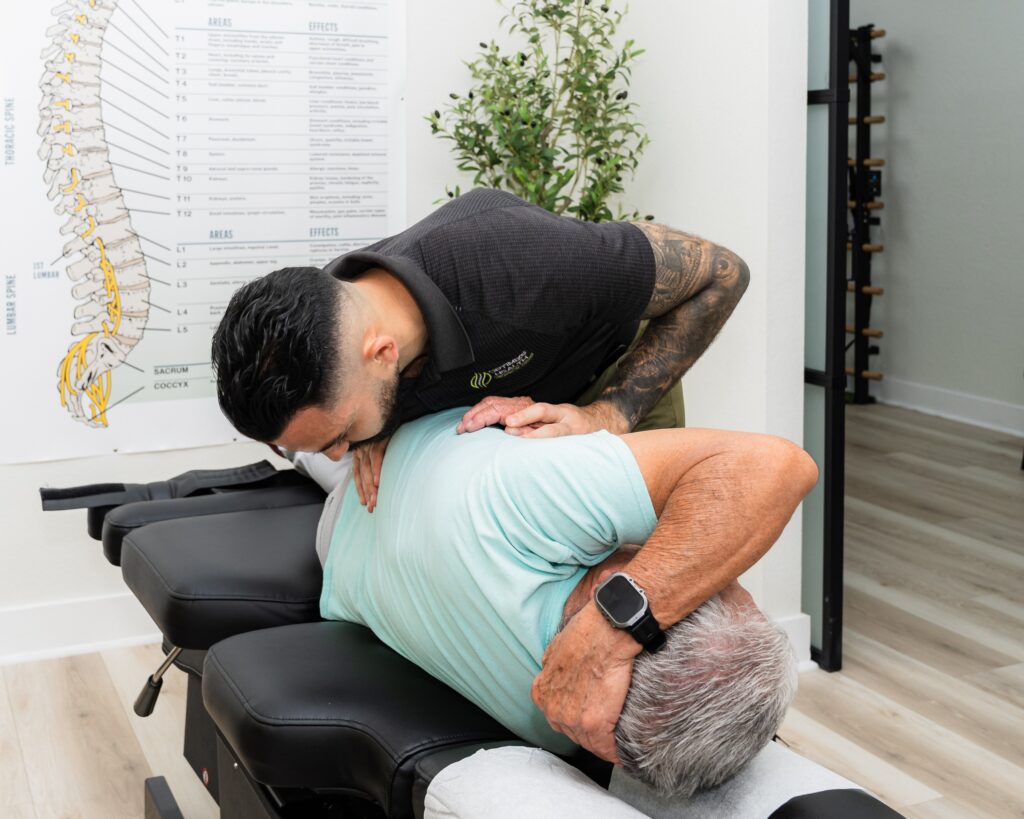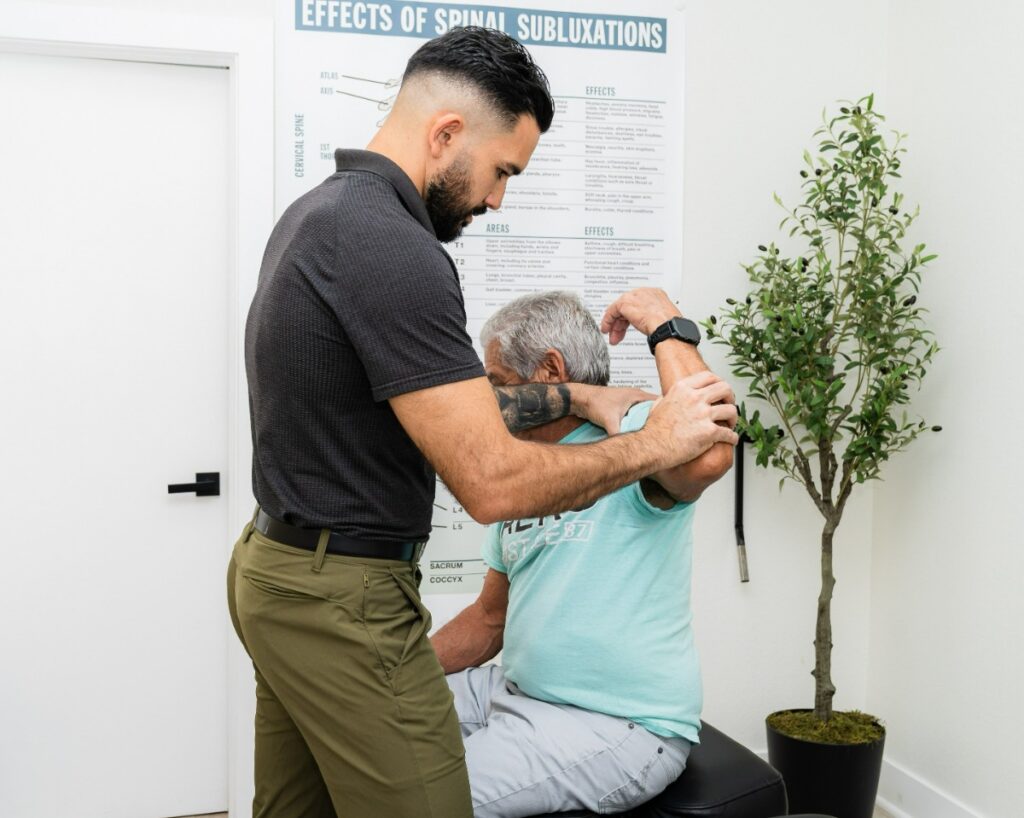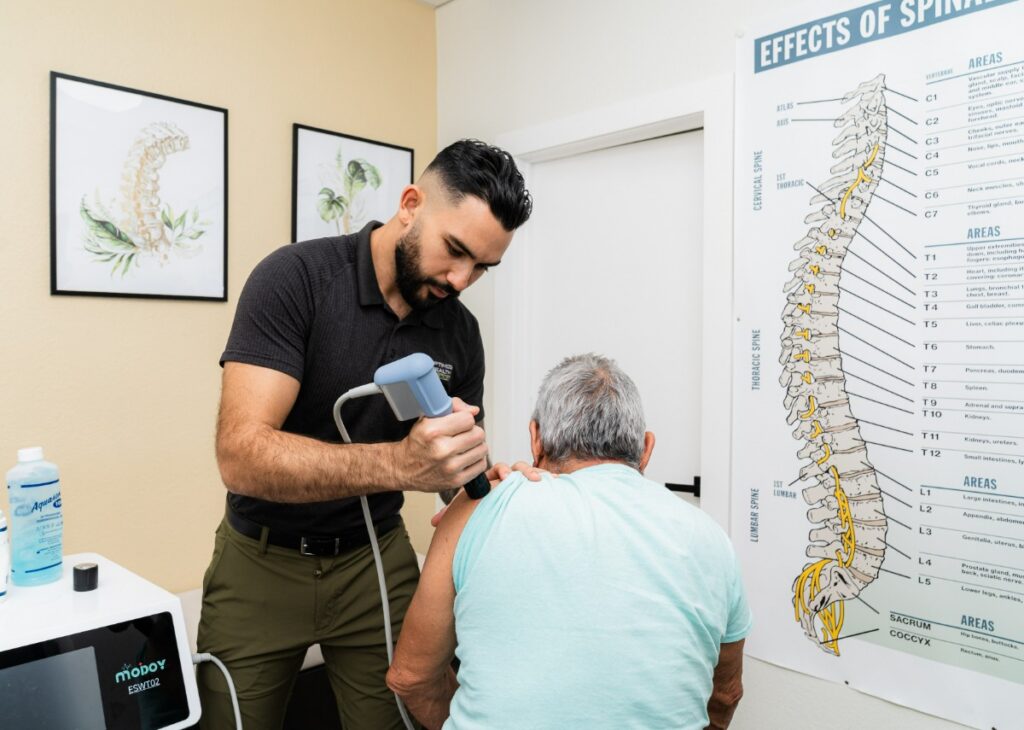

When it comes to athlete recovery, many people often overlook the crucial role that chiropractic care can play in enhancing performance. As a local chiropractor, I want to emphasize that structured recovery practices, including chiropractic adjustments, can significantly improve muscle repair and decrease the likelihood of injuries. While proper nutrition, hydration, and rest are fundamental, incorporating chiropractic care into your recovery routine offers even more extensive benefits.
Chiropractic adjustments can help align the spine and improve overall body function, allowing for better mobility and flexibility. This enhanced alignment can lead to more effective workouts and faster recovery times. Understanding these broader benefits of chiropractic care can truly change the way you view your training and competition. Imagine how these insights could not only transform your recovery process but also elevate your overall approach to your sport. By prioritizing chiropractic care, you can ensure that your body is performing at its best, leading to improved athletic performance and reduced injury risk.
Enhanced Muscle Repair
As a local chiropractor, I want to emphasize the importance of enhanced muscle repair for everyone, especially those engaged in physical activities.
After a strenuous workout or competition, your body goes through a lot. The wear and tear on your muscles can lead to soreness and fatigue, which is why it's vital to adopt effective recovery strategies.
Nutrition plays a crucial role in muscle repair. After exercising, it's beneficial to consume a balanced meal that includes both protein and carbohydrates.
Protein is essential for providing the amino acids your muscles need to rebuild, while carbohydrates help replenish glycogen stores. Try to refuel within 30 minutes of finishing your workout for optimal recovery.
Don't overlook hydration, either. Staying properly hydrated is essential for effective recovery. Dehydration can slow down your healing process, so I recommend drinking plenty of fluids.
Electrolyte-rich beverages can be particularly helpful in restoring lost minerals and enhancing your overall recovery.
Rest and quality sleep are equally important. Your body does most of its repair work while you rest, which is why prioritizing sleep can significantly aid in muscle recovery.
This allows your muscles to heal completely and prepares you for your next physical challenge.
In addition, consider integrating techniques such as foam rolling or massage therapy into your routine.
These methods can help reduce muscle tension and improve blood circulation, which further supports the muscle repair process.
As your chiropractor, I'm here to guide you in adopting these natural healing practices and ensuring your body recovers effectively.
Your health and well-being are our top priorities!
Injury Prevention Strategies
As a local chiropractor, I want to emphasize the importance of preventing injuries through proper warm-up routines and selecting the right equipment. These strategies are crucial for preparing your body to meet the physical demands of your activities.
By incorporating effective warm-up exercises, you can increase blood flow to your muscles and enhance flexibility, which helps reduce the likelihood of injuries. Additionally, using appropriate equipment tailored to your specific needs further supports your body's natural alignment and function.
Prioritizing these practices not only minimizes your risk of injury but also enhances your overall performance. Remember, your body is a complex system that thrives on care and attention.
Warm-Up Routines
As a local chiropractor, I want to emphasize the importance of a solid warm-up routine in preventing injuries, especially for those of you who may not be familiar with chiropractic care or the principles of natural healing.
Warming up is a crucial step in preparing your body for physical activity, as it increases blood flow to your muscles and enhances overall performance. Here's how you can structure an effective warm-up routine that supports your body's natural healing processes:
- Dynamic Stretching: Begin with movements such as leg swings, arm circles, and torso twists. These dynamic stretches are vital for improving flexibility and increasing your range of motion, which can help prevent injuries and promote better alignment.
- Light Aerobic Exercise: Spend 5-10 minutes engaging in light aerobic activities like jogging or jumping jacks. This step elevates your heart rate and warms up your muscles, ensuring that your body is ready for the demands of your activity. A well-prepared body is less likely to suffer from strains or sprains.
- Sport-Specific Drills: Include drills that replicate the movements of your specific sport. For instance, if you're playing basketball, practice dribbling; if you're into soccer, incorporate shuffling exercises. These sport-specific movements help prime your body for the unique demands of your game, making it more resilient against potential injuries.
- Gradual Intensity Increase: Finally, gradually increase the intensity of your movements. Allowing your body to adapt slowly to higher levels of activity can significantly reduce the risk of strains and overuse injuries. This approach aligns with the principles of chiropractic care, which focuses on promoting natural healing through proper body mechanics and movement patterns.
By incorporating these elements into your warm-up routine, you not only prepare your body for physical activity but also support your overall health and well-being.
Proper Equipment Usage
As a local chiropractor, I want to emphasize the importance of using the right equipment for injury prevention in any sport or physical activity. Whether you're at the gym, preparing for a marathon, or engaging in a team sport, the gear you select plays a crucial role in your safety and performance.
It's essential to ensure that your shoes fit properly and offer the support needed for your specific activity. For example, running shoes should provide adequate cushioning and stability, while basketball shoes should focus on ankle support to help prevent injuries.
Don't forget about protective gear, such as helmets, pads, and mouthguards, which are vital depending on your sport. These items are designed to absorb impacts and significantly reduce the risk of serious injuries.
I also recommend regularly inspecting your equipment for any signs of wear and tear, as using damaged gear can increase your chances of accidents and injuries.
Moreover, understanding how to use your equipment correctly is crucial. Whether you're adjusting your bike or setting up your weight bench, proper usage ensures that you're not placing unnecessary strain on your body. As a chiropractor, I see many patients who experience discomfort due to improper equipment use.
Finally, always adhere to the manufacturer's guidelines and recommendations for your gear. By prioritizing the right equipment and learning how to use it properly, you'll tremendously lower your risk of injury.
This will allow you to focus on honing your skills and fully enjoying your activities, all while maintaining your overall health and well-being. Remember, taking these steps can lead to a more enjoyable and injury-free experience, which is something we all strive for in our active lives.
Improved Flexibility and Mobility
As a local chiropractor, I want to share with you the importance of improved flexibility and mobility in your daily life.
Enhancing your range of motion can significantly boost your overall performance, whether in sports or everyday activities. By embracing effective muscle recovery techniques through chiropractic care, you can't only elevate your physical capabilities but also take proactive steps to prevent injuries.
Prioritizing flexibility and mobility in your routine can lead to long-lasting benefits, improving your overall well-being and supporting a healthier lifestyle.
Enhanced Range of Motion
As a local chiropractor, I want to emphasize the significant benefits of recovery care, particularly in enhancing your range of motion. This improvement not only boosts your flexibility but also enhances your overall mobility.
It's essential to understand that recovery isn't merely about resting; it's an active process that allows your body to optimize its capabilities.
Here's how enhancing your range of motion can positively impact your life:
- Improved Performance: When your body becomes more flexible, you can move with greater efficiency. This increased efficiency can lead to better performance in various activities, whether it's sports or daily tasks.
- Enhanced Strength: As your range of motion expands, you may notice a boost in your strength, particularly in movements that require full joint mobility. This means you can engage in activities more effectively and with less strain.
- Faster Recovery: Greater flexibility can significantly reduce muscle tightness and soreness. This can help you recover more quickly after strenuous activities or competitions, allowing you to get back to doing what you love sooner.
- Better Posture: An enhanced range of motion contributes to improved posture, helping to prevent imbalances that might lead to discomfort or injury. Good posture is vital for overall health and can make a difference in how you feel throughout the day.
By focusing on recovery care, you're investing in your body's health and performance.
If you have any questions about how chiropractic care can aid in enhancing your range of motion and overall well-being, feel free to reach out!
Injury Prevention Strategies
As a local chiropractor, I want to emphasize the importance of incorporating strategies that enhance flexibility and mobility to keep you active and reduce the risk of injuries. Improved flexibility is crucial because it allows for a greater range of motion, enabling your muscles and joints to function more efficiently.
When your body is flexible, it can better absorb stress during physical activities, which helps lower the chances of strains or sprains.
I recommend starting your physical activities with dynamic stretching as part of your warm-up routine. This type of stretching prepares your muscles for the specific demands of your sport or exercise.
After your workout, it's beneficial to focus on static stretching, which promotes flexibility and aids in recovery. Practices like yoga or Pilates can also significantly improve your mobility and strengthen your core, contributing to overall stability.
Paying attention to certain muscle groups that often become tight, such as your hamstrings, hip flexors, and calves, is essential. I encourage regular foam rolling to alleviate tension in these areas, enhancing your overall flexibility.
Additionally, incorporating balance exercises can help strengthen your stabilizing muscles, further preventing injuries.
Muscle Recovery Techniques
As a local chiropractor, I want to share some effective muscle recovery techniques that can significantly enhance your flexibility and mobility, allowing you to recover faster after your workouts.
These methods can be easily incorporated into your routine, and they'll help you notice remarkable improvements in how your body responds to physical activity.
Here are four key techniques to consider for boosting your muscle recovery:
1. Dynamic Stretching: Before you embark on your workouts, it's important to engage in dynamic stretching. This practice not only prepares your muscles but also improves your range of motion, reducing stiffness and enhancing your overall performance.
2. Foam Rolling: After your workout, I highly recommend using a foam roller. This self-myofascial release technique is excellent for releasing muscle tension and promoting better blood flow.
Foam rolling can alleviate soreness and improve flexibility, making it a valuable addition to your recovery routine.
3. Hydration: One of the most crucial aspects of muscle recovery is staying hydrated. Water plays a vital role in transporting nutrients throughout your body and helps to prevent cramps and stiffness.
Make sure to drink plenty of water before, during, and after your exercise sessions.
4. Active Recovery: On your rest days, consider incorporating low-intensity activities such as walking or swimming. These activities help maintain blood circulation and promote healing while ensuring that your muscles aren't under additional strain.
By understanding and utilizing these techniques, you can support your body's natural healing processes and enhance your overall well-being.
If you have any questions or need personalized advice, feel free to reach out to my office!
Boosted Immune Function
As a local chiropractor, I want to share with you one of the significant advantages of proper care during your recovery as an athlete: boosted immune function. When you engage in rigorous training, your body experiences considerable stress, making it more vulnerable to illnesses and infections. By prioritizing your recovery, you can counteract these effects and strengthen your immune system, helping you recover more quickly and effectively.
Incorporating elements of proper nutrition, hydration, and rest into your recovery routine is crucial for enhancing your immune function. A balanced diet that includes plenty of vitamins, minerals, and antioxidants provides essential nutrients your body needs to repair itself and fend off pathogens. I often recommend foods like fruits, vegetables, lean proteins, and whole grains, which are particularly beneficial for overall health.
Staying well-hydrated is just as important, as water plays a key role in maintaining your body's functions, including the immune response.
In addition to nutritional support, I also encourage the use of recovery techniques such as stretching, foam rolling, and massage. These methods promote blood circulation, ensuring that immune cells can travel efficiently throughout your body to detect and neutralize potential threats more swiftly.
Quality sleep is another vital component of recovery; during deep sleep, your body produces cytokines—proteins that are essential for regulating immune responses.
As you consider your recovery, remember that chiropractic care can also play a role by improving spinal alignment and overall body function, which can further support your immune system. By taking a holistic approach to your recovery, you can enhance your immune function and help your body stay resilient against illnesses.
Mental Resilience Development
As a local Chiropractor, I understand that recovery from injuries is a multifaceted process that goes beyond just physical healing—especially for athletes.
Developing mental resilience during this time is equally important and can significantly influence your overall performance and well-being. By strengthening your mental fortitude, you can better navigate setbacks and foster a positive mindset.
Here are four essential strategies to help you cultivate mental resilience as you recover:
- Set Realistic Goals: It's crucial to break your recovery journey into smaller, achievable milestones. This approach not only keeps you focused and motivated but also makes the entire healing process feel more manageable.
- Practice Mindfulness: Incorporating mindfulness techniques, such as meditation or deep breathing exercises, into your routine can be incredibly beneficial. These practices help you stay present, alleviate anxiety, and improve your ability to cope with stress.
- Maintain a Support Network: Surround yourself with a circle of supportive friends, family members, or teammates. Sharing your experiences and emotions with others can create a sense of understanding and reduce feelings of isolation during your recovery journey.
- Embrace Adaptability: Be prepared for the possibility of setbacks and remain open to adjusting your recovery plans as needed. Flexibility in your approach allows you to tackle challenges more effectively and bolsters your mental resilience.
As your Chiropractor, I'm here to support you not only in your physical rehabilitation but also in building the mental strength necessary for a successful recovery.
Together, we can work towards achieving your health and performance goals.
Reduced Stress Levels
As a local chiropractor, I often see athletes who are grappling with elevated stress levels during their recovery. This stress can't only impede physical healing but also negatively impact mental well-being. When the focus is on returning to peak performance, the pressure to recover quickly can lead to anxiety, making the entire process feel daunting. Common stress-related symptoms include muscle tension, fatigue, and even mood swings.
Incorporating structured care into your recovery can significantly alleviate these stress levels. Chiropractic care, along with techniques such as physical therapy and massage, promotes healing and encourages relaxation. By prioritizing your recovery through these natural methods, you're actively managing your stress and supporting your overall health.
Working closely with a chiropractor provides valuable insights into your body's specific needs, which can help ease the uncertainty that often accompanies injuries. When you know you're on a personalized recovery plan, it allows you to focus on what you can control—your healing journey—rather than worrying about factors beyond your reach.
Additionally, connecting with fellow athletes or joining support groups can foster a sense of community. It's important to remember that you're not alone in this journey. Sharing your experiences and hearing from others can be incredibly therapeutic, helping you process your thoughts and emotions while reinforcing your commitment to recovery.
Embracing chiropractic care can be a pivotal step in reducing stress and enhancing your path to healing.
Better Sleep Quality
As a local chiropractor dedicated to helping my patients recover from injuries, I want to emphasize the critical role that sleep quality plays in your healing process. Prioritizing restful sleep isn't just a luxury; it's a vital component of your recovery journey. When you ensure you get quality sleep, you're allowing your body to effectively heal and regenerate. Great sleep can reduce inflammation, enhance muscle recovery, and even elevate your mood, making it easier for you to engage in your rehabilitation.
Here are four key benefits of improving your sleep quality as part of your recovery:
- Enhanced Muscle Repair: During those deep sleep cycles, your body naturally releases growth hormones that are essential for repairing tissues and promoting muscle growth. This is particularly important for anyone recovering from an injury.
- Improved Cognitive Function: Quality sleep sharpens your focus and decision-making abilities. This clarity is crucial as you engage in your rehabilitation exercises and training, ensuring you get the most out of each session.
- Balanced Hormones: A good night's sleep helps regulate cortisol and other stress hormones that can be elevated during your recovery. This hormonal balance creates an environment that's more conducive to healing.
- Boosted Immune Function: Quality sleep strengthens your immune system, reducing the risk of illness during your recovery phase. A robust immune system is key to preventing setbacks and ensuring a smoother healing process.
To enhance your sleep quality, consider incorporating sleep hygiene practices into your routine. This includes sticking to a consistent sleep schedule, developing a calming bedtime ritual, and minimizing screen time before bed.
Increased Performance Levels
As a local chiropractor, I want to share how crucial the recovery process is for enhancing your performance, whether you're an athlete or someone who simply wants to feel better in daily life. When you prioritize your recovery, you're not just allowing your body to heal; you're creating the perfect environment for your physical capabilities to flourish.
Proper recovery techniques, like gentle stretching, staying hydrated, and maintaining balanced nutrition, are vital for how efficiently your muscles repair and rebuild after physical activity. By focusing on these areas, you can experience noticeable improvements in your strength, speed, and endurance. When your body receives the rest and nourishment it needs, it operates at its best, allowing you to train effectively and even exceed your personal limits.
Incorporating recovery methods such as chiropractic adjustments, massage therapy, or even ice baths can significantly speed up your recovery time. This means you can spend less time on the sidelines and more time training. The faster you recover, the more progress you can make, giving you an advantage over others.
Moreover, having a solid recovery plan, which may include regular chiropractic care, can help reduce your risk of injury. This way, you can train consistently without interruptions. Consistency is key to honing your skills and boosting your performance.
With a strong emphasis on recovery, you'll find that your energy levels remain high, and your mental clarity stays sharp—both are essential for achieving peak performance.
Long-Term Athletic Longevity
As a local chiropractor passionate about promoting long-term athletic longevity, I want to emphasize the crucial role of recovery in enhancing your performance and ensuring you can stay active for years to come.
Prioritizing recovery isn't just about resting; it's about allowing your body to heal and adapt optimally. Here are four key benefits that demonstrate how effective recovery can prolong your athletic journey:
1. Reduced Injury Risk: When you take the time to recover, you significantly lower the chances of developing overuse injuries that can keep you off the field or court for long stretches.
By listening to your body and allowing it the necessary rest, you can enjoy a longer, healthier athletic career.
2. Enhanced Muscle Repair: Recovery isn't limited to just taking a break; it also involves proper nutrition and sleep, which are essential for repairing and rebuilding muscle tissue.
By fueling your body with the right nutrients and getting enough rest, you can promote faster recovery, maintain your strength, and train more effectively.
3. Improved Mental Resilience: Recovery impacts more than just your muscles—it's also about your mental well-being.
Regular breaks can help alleviate burnout, keeping your enthusiasm for your sport intact. A strong mental attitude is key to achieving lasting success in athletics.
4. Sustained Performance: Engaging in regular recovery techniques such as chiropractic adjustments, stretching, and foam rolling can enhance your flexibility and agility.
This ensures that you continue to perform at your peak, even as you age, allowing your training to evolve alongside your body's needs.
As a chiropractor, I strive to help you understand the importance of incorporating recovery into your routine, so you can continue to enjoy your favorite sports and activities for many years to come.
Conclusion
As a local chiropractor, I want to share how incorporating trusted recovery practices can significantly enhance your athletic performance and overall well-being. Focusing on muscle repair, injury prevention, and mental resilience is crucial for achieving long-term success in your sport.
One of the most important aspects of recovery is quality sleep, which helps your body heal and recharge. Additionally, proper nutrition fuels your body and supports optimal function. Don't overlook the value of community support; having a network of friends and fellow athletes can keep you motivated and accountable.
Chiropractic care can play a vital role in your recovery process. By promoting spinal health and optimizing your nervous system function, we can help you recover faster from injuries and improve your overall performance. Embrace these benefits, and you'll not only enjoy your athletic journey, but you'll also thrive in it for years to come. Let's work together to ensure your body is in peak condition!