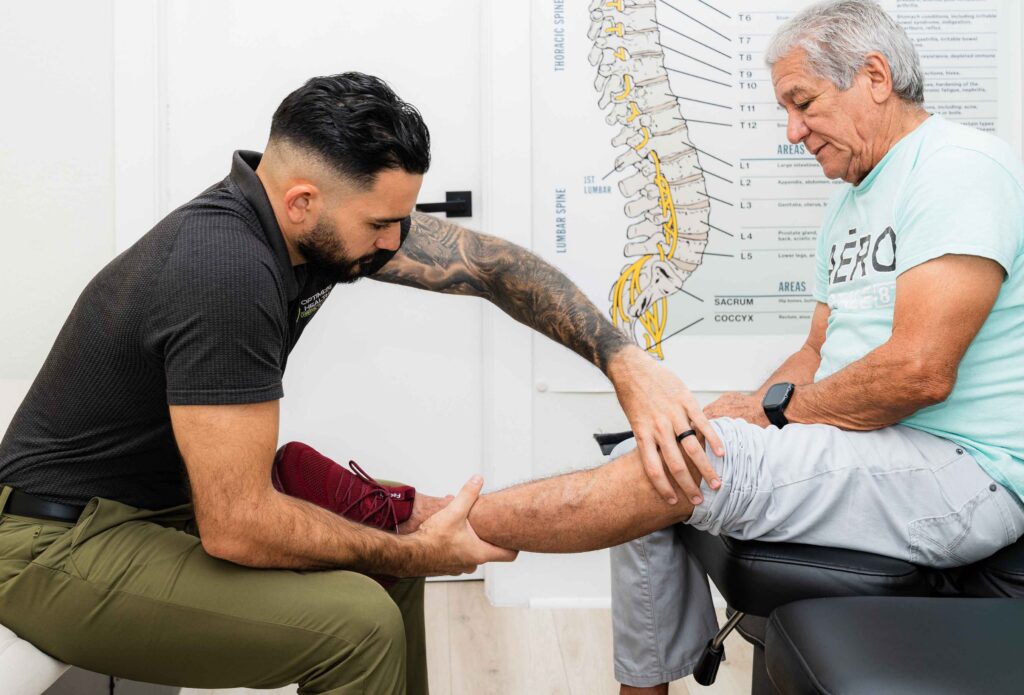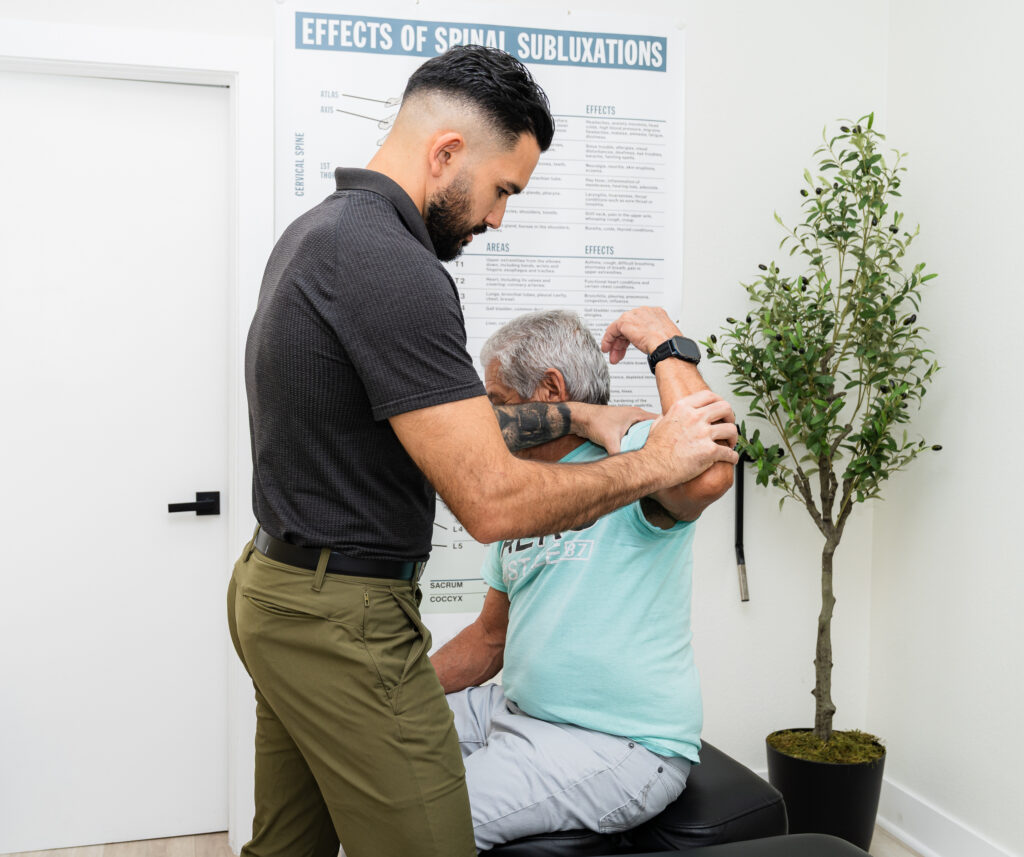

As a local chiropractor, I want to emphasize the importance of a holistic approach when it comes to finding sustainable solutions for back pain relief. Many people overlook how factors like physical activity, proper nutrition, and mindful practices can significantly impact your overall well-being and contribute to alleviating back pain.
Understanding the various elements that contribute to your back pain is essential for implementing effective and lasting strategies. For instance, incorporating regular physical activity can strengthen your muscles and improve flexibility, while a balanced diet can support your body’s healing processes. Mindful practices such as yoga or meditation can also play a crucial role in reducing stress, which can exacerbate pain.
So, what specific methods can you adopt to create lasting change in your life? Let’s explore some options together. By working collaboratively, we can develop a personalized plan that addresses your unique needs and promotes long-term back health. Remember, chiropractic care is just one piece of the puzzle in your journey towards a pain-free life.
Understanding the Causes of Back Pain
As a local chiropractor, I want to help you understand the various causes of back pain so you can take steps towards relief. Many people experience back pain due to several factors, such as poor posture, muscle strain, and injuries.
For instance, if you find yourself sitting for extended periods or lifting heavy objects without proper technique, you may inadvertently place excessive stress on your back. Additionally, underlying conditions like herniated discs or arthritis can lead to chronic discomfort.
It’s important to recognize that stress and anxiety can also contribute to back pain by causing muscle tension. Furthermore, weight gain can increase the burden on your spine, worsening the situation. Understanding these causes empowers you to make meaningful changes in your daily routine.
By focusing on improving your posture, strengthening your core muscles, and learning effective stress management techniques, you can alleviate back pain and enhance your overall well-being.
I encourage you to take a moment to reflect on your habits and consider adjustments that can lead to lasting relief. Remember, chiropractic care offers natural healing methods that can support your journey to a healthier lifestyle. Together, we can work towards restoring your body’s balance and promoting optimal health.
The Role of Physical Activity in Back Pain Management
As a local chiropractor, I want to emphasize how important physical activity can be in managing and alleviating back pain. Many people may feel hesitant to engage in exercise due to discomfort, but incorporating regular movement into your routine can serve as an effective tool for healing.
When you move your body, you enhance blood flow, which is crucial for the recovery of muscles and tissues. Simple activities such as walking, swimming, or gentle yoga can significantly improve your flexibility and reduce stiffness, making daily tasks much more manageable.
You don’t need to jump into high-impact workouts; even light, enjoyable exercises can make a substantial difference in your overall well-being. Finding a physical activity that you genuinely enjoy is key to staying motivated and consistent.
It’s not just about physical health; staying active can also elevate your mood and energy levels, which is vital when dealing with discomfort. It’s essential to listen to your body and start with low-intensity activities, gradually increasing the intensity as you become more comfortable.
The goal is to maintain an active lifestyle without pushing yourself too hard. By integrating physical activity into your daily life, you can significantly enhance your approach to managing back pain and support your journey toward natural healing.
Incorporating Strengthening Exercises
As a local chiropractor, I want to emphasize the importance of incorporating strengthening exercises into your routine to help alleviate back pain. Strengthening exercises are vital because they build the muscles that support your spine, leading to improved posture and reduced discomfort.
Focus on exercises that target your core, hips, and lower back, as these areas are essential for maintaining stability in your body.
I recommend starting with simple movements such as bridges, planks, and bird-dogs. These exercises are effective for building foundational strength. Once you feel comfortable and strong, you can gradually introduce resistance through weights or resistance bands to further challenge your muscles.
Aim to engage in these strengthening exercises at least two to three times a week, making sure to allow for adequate recovery time between sessions to avoid overexertion.
It’s crucial to listen to your body during this process. If you experience any pain, it may be necessary to adjust the intensity of your workouts or consult with a professional for guidance.
Consistency is key; try to weave these exercises into your weekly routine. Over time, you’ll likely experience improved posture, decreased pain, and increased flexibility.
Stretching Techniques for Flexibility and Relief
As a chiropractor, I want to emphasize the importance of stretching techniques in enhancing flexibility and providing relief from back pain. Many of my patients are surprised to learn how incorporating regular stretches into their daily routine can significantly alleviate muscle tension and improve overall mobility.
I recommend starting with gentle stretches such as the cat-cow pose, which helps warm up your spine, and the child’s pose, known for its soothing effects on the back. These foundational stretches can prepare your body for more extensive movements.
Another beneficial stretch is the seated forward bend, which works to elongate both your spine and hamstrings. When practicing these stretches, hold each position for at least 15 to 30 seconds, and remember to focus on your breathing—deep breaths can enhance the effects of the stretch.
It’s crucial to listen to your body during these exercises; if you experience pain, please don’t push through it.
Consistency is vital for achieving long-term benefits, so I encourage you to stretch daily, particularly after sitting or standing for extended periods. By integrating these simple yet effective techniques into your routine, you can enhance your flexibility and significantly alleviate back pain, ultimately leading to a more comfortable and mobile lifestyle.
Mindfulness and Stress Reduction Practices
As a local chiropractor, I want to share how mindfulness practices can significantly support your journey in managing back pain and reducing stress. By learning to focus your awareness on the present moment, you can break free from the cycle of anxiety and tension that often worsens discomfort in your back. Techniques such as meditation, deep breathing, and guided imagery can help you create a sense of calm while fostering a deeper connection to your body.
When you engage in mindfulness, you gain the ability to observe your thoughts and feelings without judgment. This heightened awareness can empower you to identify what triggers your stress and respond to it more effectively. For example, if you experience a flare-up of back pain, take a moment to breathe deeply and visualize the tension in your back melting away.
Incorporating mindfulness into your daily routine doesn’t require a lot of time or space. Even dedicating just a few minutes each day can enhance your overall well-being, promote relaxation, and help reduce your perception of pain.
Ergonomic Adjustments for Home and Workplace
As your local chiropractor, I want to educate you about the importance of ergonomic adjustments in your home and workplace, especially considering how many hours we spend sitting at desks or in front of screens.
These adjustments are crucial for preventing and alleviating back pain, which is something I see all too often in my practice.
First and foremost, selecting a chair that offers proper lumbar support is vital. Your feet should be flat on the floor, and your knees should be positioned at or slightly below hip level to promote healthy spinal alignment.
Next, pay attention to your computer screen. It should be at eye level to prevent unnecessary neck strain. If you’re using a laptop, I recommend investing in a stand along with an external keyboard. This will help you maintain a more comfortable and natural posture while you work.
Don’t forget to incorporate regular breaks into your routine. Standing up, stretching, and moving around periodically can help prevent muscle tightness from sitting for extended periods.
If possible, try alternating between sitting and standing throughout your day. This simple practice can significantly reduce pressure on your spine and promote better overall health.
By making these small but impactful changes, you can enhance your comfort and contribute to a healthier back.
The Importance of Proper Sleep Posture
As a local chiropractor, I want to emphasize the importance of proper sleep posture and how it can significantly impact your back health. Many people underestimate how their sleeping position can contribute to existing discomfort or even create new issues.
Here are three essential tips to help you achieve better sleep posture for a healthier spine:
- Select the Right Mattress: It’s crucial to invest in a medium-firm mattress. This type of mattress strikes the perfect balance by providing adequate support for your spine while also ensuring you remain comfortable throughout the night.
- Pillow Positioning Matters: Your pillow choice plays a vital role in maintaining neck alignment. Opt for a supportive pillow that keeps your neck in line with your spine. If you’re a side sleeper, consider a thicker pillow that will help fill the gap between your head and shoulder, promoting better alignment.
- Preferred Sleeping Positions: I recommend sleeping on your back or side for optimal spinal health. If you choose to sleep on your back, placing a pillow under your knees can alleviate pressure on your lower back. If you’re a side sleeper, inserting a pillow between your legs helps keep your hips aligned, which is beneficial for your spine.
By following these guidelines, you can cultivate a healthier sleep posture that supports your overall well-being and complements the care you receive in our office.
Nutrition and Its Impact on Back Health
As your local chiropractor, I want to emphasize how crucial nutrition is for maintaining optimal back health. Many people mightn’t realize that what you put on your plate can have a direct impact on how your back feels. A balanced diet filled with anti-inflammatory foods can significantly help reduce pain and aid in the healing process.
I encourage you to incorporate plenty of fruits, vegetables, whole grains, and healthy fats into your meals. Foods such as berries, leafy greens, nuts, and fatty fish are packed with essential nutrients that support your spine and muscles. These foods can help you not only feel better but also enhance the effectiveness of your chiropractic treatments.
Conversely, it’s important to be mindful of processed foods, excessive sugars, and unhealthy fats, as these can contribute to inflammation, which may worsen your back pain. Staying hydrated is another key factor; drinking enough water helps keep the spinal discs elastic and functioning properly.
Additionally, I recommend including sources of calcium and vitamin D in your diet, whether through dairy products or fortified plant-based alternatives, as these nutrients play a vital role in strengthening your bones.
Don’t overlook magnesium, found in nuts and seeds; it’s essential for muscle function and relaxation, helping to prevent tension that can lead to discomfort.
Alternative Therapies for Pain Management
As a local chiropractor, I want to share how alternative therapies can be a game-changer in managing back pain. These approaches emphasize a holistic view of healing, addressing both the physical and emotional components of your discomfort.
Here are three effective therapies that I often recommend:
1. Chiropractic Care: This is a cornerstone of my practice, where I use hands-on techniques to realign your spine. Misalignments can lead to discomfort, and by correcting these, we can alleviate pain and enhance your mobility.
Many of my patients experience lasting benefits from regular adjustments, which can help maintain a healthy spine and prevent future issues.
2. Acupuncture: While I primarily focus on chiropractic techniques, I often refer patients to acupuncture as a complementary treatment. This ancient practice involves inserting thin needles at specific points on the body to promote healing and relieve pain.
Many of my patients find that regular acupuncture sessions can significantly enhance their recovery from back pain.
3. Massage Therapy: I believe in the power of therapeutic massage to complement chiropractic care. Massage helps reduce muscle tension, improve circulation, and promote relaxation.
Incorporating regular massage sessions into your routine can provide substantial relief from chronic back pain and enhance the effectiveness of your chiropractic adjustments.
By exploring these alternative therapies, you can discover a balanced approach to managing your pain and improving your overall well-being.
I’m here to guide you on this journey to better health!
Creating a Sustainable Self-Care Routine
As a local Chiropractor, I want to share with you how creating a sustainable self-care routine can significantly enhance your overall well-being, especially if you’re dealing with back pain.
One of the first steps is to incorporate daily stretching and strengthening exercises that are tailored to your individual needs. These exercises can enhance your flexibility and provide vital support to your spine, helping to alleviate discomfort over time.
It’s equally essential to focus on maintaining proper posture throughout your day, whether you’re seated at a desk or lifting heavy objects. Utilizing ergonomic furniture can greatly promote spinal alignment and reduce strain on your back.
Don’t underestimate the role of quality sleep in your recovery process. Investing in a supportive mattress and pillows can vastly improve your rest and aid in your healing journey.
Additionally, I encourage you to explore mindfulness practices such as yoga or meditation. These techniques are beneficial in managing stress, which can often heighten your pain levels.
Lastly, a balanced diet plays a crucial role in your overall health. Aim for a diet rich in anti-inflammatory foods, stay well-hydrated, and try to limit processed foods.
Together, these strategies can lead to a healthier lifestyle and contribute to reducing your back pain naturally. Remember, your journey towards wellness is a partnership, and I’m here to guide you every step of the way.
Conclusion
As a local chiropractor, I want to share how incorporating sustainable solutions for back pain relief can truly change your daily life. Staying active is crucial; gentle movements and strengthening exercises can help support your spine and enhance your resilience against discomfort. Additionally, practicing mindfulness can reduce stress, which often contributes to back pain.
It’s essential to prioritize proper sleep posture and consider an anti-inflammatory diet, as these factors play a significant role in your overall spinal health. Many patients find that alternative therapies, such as chiropractic adjustments, massage, or acupuncture, can provide valuable support on their healing journey.
Creating a personalized self-care routine is vital. As you take these steps, not only will you manage your back pain more effectively, but you’ll also improve your overall well-being in the long run. Remember, I’m here to guide you through this process and help you find the best solutions tailored to your unique needs.