
When discussing athlete recovery, many people often think it only involves physical techniques like stretching or massage. However, as a local chiropractor, I want to share that a more holistic approach is essential for optimal recovery and performance. It's fascinating to consider how active recovery methods, proper nutrition, and mental strategies can significantly enhance your overall well-being.
Incorporating these elements into your routine can lead to remarkable improvements in how your body recovers. For instance, active recovery can help maintain blood flow and reduce muscle soreness, while a balanced diet provides the nutrients necessary for healing. Additionally, mental strategies, such as visualization and mindfulness, can aid in reducing stress and improving focus.
As you explore your recovery options, I encourage you to consider these holistic techniques and how they can complement chiropractic care. By doing so, you can elevate your recovery game and support your body's natural healing processes. What specific strategies might you be interested in adopting to enhance your recovery?
Importance of Recovery
As a local chiropractor, I want to emphasize the crucial role recovery plays in your overall health and well-being, particularly if you're active in sports or exercise. Many people may not realize that when you engage in physical activity, you can create micro-tears in your muscles. While this is a natural part of building strength, neglecting recovery can lead to fatigue and injuries, which can set you back significantly. That's where understanding recovery becomes essential.
Prioritizing recovery isn't just about resting; it's about allowing your body to heal and adapt. This process enhances muscle repair, replenishes energy, and reduces inflammation. When you take the time to recover, you're not only setting yourself up for better performance but also improving your mental focus and motivation during workouts.
Moreover, effective recovery can help prevent burnout and foster a healthier relationship with your physical activities. Incorporating rest days into your routine offers your body the chance to reset. This proactive approach is vital for maintaining long-term engagement in your sport without the fear of injury.
As your chiropractor, I want to stress that recovery should never be viewed as an afterthought. It's a fundamental part of your health and wellness journey. Embracing recovery will yield significant benefits for your performance, longevity, and overall enjoyment of your athletic pursuits.
Active Recovery Methods
As a local chiropractor, I want to emphasize the importance of active recovery methods in your healing journey. Staying in motion is crucial for your body as it repairs itself.
By integrating low-intensity workouts and gentle stretching into your routine, you can significantly enhance your recovery process and alleviate muscle soreness.
When you prioritize movement, not only will you feel better, but you'll also see improvements in your overall performance.
Importance of Movement
As a local chiropractor, I want to share with you the vital role that movement plays in your recovery process and overall athletic performance. Many people underestimate the benefits of active recovery, but it's essential for reducing muscle soreness and enhancing blood circulation.
This improved circulation is crucial for delivering nutrients to your muscles, which can expedite healing and help you maintain your fitness levels without putting undue stress on your body.
Here are some gentle, effective active recovery techniques that I recommend:
- Light jogging: This keeps your heart rate up while allowing your muscles to recover, promoting a healthy cardiovascular system.
- Cycling: A low-impact activity that helps you maintain leg strength and endurance without straining your joints.
- Swimming: This provides a comprehensive workout that engages your entire body while being easy on your joints, making it an excellent choice for active recovery.
- Yoga: Practicing yoga not only enhances your flexibility but also promotes relaxation, which is beneficial for both physical and mental recovery.
Incorporating these activities into your routine can help you heal faster and improve your athletic performance.
Benefits of Stretching
As a local Chiropractor, I want to share with you the incredible benefits of incorporating stretching into your daily routine. Stretching isn't just for athletes; it can enhance your overall well-being and recovery process, regardless of your fitness level. By dedicating time to stretch, you can significantly improve your flexibility, which allows your muscles to function more efficiently. This increased range of motion can lead to better performance in everyday activities and help you achieve your health goals more swiftly.
One of the most valuable aspects of stretching is its ability to reduce muscle tension and soreness, especially after intense physical activity or a long day at work. It promotes better blood flow to your muscles, which aids in quicker healing and recovery. Regular stretching can also lower your risk of injuries. By enhancing your flexibility and muscle elasticity, you can protect yourself from strains and sprains that might hinder your daily life.
Moreover, stretching is essential for mental clarity and focus. Taking a few moments to engage in stretching can serve as a mental reset, allowing you to approach your day or exercise routine with renewed energy. This mindfulness not only helps you feel better physically but can also enhance your overall performance, whether at work or during recreational activities.
Incorporating Low-Intensity Workouts
As a local chiropractor, I want to emphasize the importance of recovery for achieving optimal health and performance. One effective way to support your body during recovery is by incorporating low-intensity workouts into your routine.
These exercises serve as active recovery methods, allowing your body to heal while keeping you engaged and moving. They can enhance blood circulation, reduce muscle soreness, and improve flexibility without placing excessive strain on your body.
Here are some low-intensity workout options that I recommend for my patients:
- Walking: A brisk walk is a simple yet effective way to increase circulation and promote recovery without putting too much stress on your muscles and joints.
- Cycling: Engaging in light cycling can help clear out lactic acid build-up and speed up the recovery process, making it a great addition to your routine.
- Swimming: Water provides a unique advantage; its buoyancy allows for gentle movement, which can work your muscles and joints without the impact that other exercises may cause.
- Yoga: Gentle yoga sessions can be incredibly beneficial for improving flexibility and promoting relaxation, both of which are essential for recovery.
By incorporating these low-intensity workouts, you're not just staying active; you're also supporting your body's natural healing processes.
If you have any questions about how these activities can fit into your overall wellness plan, feel free to ask during your next visit!
Nutrition and Hydration
As a local chiropractor, I want to emphasize the critical importance of proper nutrition and hydration in your recovery process, especially if you're engaging in physical activities.
Whether you're a competitive athlete or someone who enjoys occasional exercise, your body requires the right nutrients to heal and regain energy after training or strenuous activities.
A balanced diet is key. Ensure your meals are rich in proteins, carbohydrates, and healthy fats. Proteins are crucial for muscle repair, so consider incorporating lean meats, dairy, and plant-based protein sources into your diet.
Carbohydrates are your body's primary energy source, so opt for whole grains, fruits, and vegetables to effectively fuel your recovery.
Hydration is another vital aspect. Water not only helps transport essential nutrients to your muscles but also assists in eliminating metabolic waste from your body.
After exercising, it's important to rehydrate by drinking water or beverages that contain electrolytes, especially if you've lost a lot of fluids through sweat. A good guideline is to drink 16-24 ounces of fluid for every pound of body weight you lose during exercise.
Timing is also important in your recovery routine. Consuming a recovery meal or snack within 30-60 minutes after your workout can significantly enhance your healing process.
This could be a smoothie, a protein shake, or a meal that includes both lean protein and carbohydrates.
Remember, your individual needs may vary based on the intensity and duration of your activity, along with environmental factors.
It's crucial to listen to your body and adjust your nutritional and hydration intake accordingly.
By prioritizing proper nutrition and hydration, you not only promote quicker recovery but also improve your overall performance and health, both of which are essential for maintaining an active lifestyle.
As your chiropractor, I'm here to support you in your journey toward optimal health and wellness.
Sleep and Recovery
As a local chiropractor, I want to emphasize the crucial role that sleep plays in your overall healing and recovery process. While many people focus on nutrition and hydration, they often overlook how essential quality sleep is for your body's recovery, especially if you're active or involved in sports.
Good sleep is vital for muscle repair, hormone regulation, and cognitive function. Neglecting sleep can slow down your recovery and hinder your performance.
Here are some important benefits of prioritizing sleep:
- Muscle Recovery: During sleep, your body engages in protein synthesis, which is essential for repairing and strengthening muscles.
- Reduced Inflammation: Getting adequate rest can help lower inflammation levels, which is crucial for quicker recovery from injuries or strain.
- Enhanced Focus: Quality sleep boosts cognitive function and reaction time, ensuring you remain sharp and alert during activities and competition.
- Mood Regulation: Proper sleep contributes to mood stability, helping to reduce stress and anxiety levels.
To reap the full benefits of sleep, aim for 7-9 hours of restorative rest each night.
Establish a calming bedtime routine by limiting screen time, keeping your sleep environment dark and cool, and avoiding stimulants before bedtime. If you struggle to relax, consider incorporating relaxation techniques such as deep breathing exercises or meditation into your routine.
Cryotherapy Benefits
As a local chiropractor, I want to share with you the incredible benefits of cryotherapy for your recovery routine.
This innovative treatment can significantly reduce inflammation, which is essential for enhancing muscle recovery and alleviating pain.
If you're seeking ways to bounce back more quickly after those intense workouts, I encourage you to consider incorporating cryotherapy into your healing process.
It aligns perfectly with our holistic approach to natural healing and overall wellness.
Let's explore how this can complement your chiropractic care and support your body in achieving optimal health.
Reduced Inflammation Effects
As a local chiropractor, I often get asked how we can effectively manage inflammation and promote faster recovery. One method that has proven to be quite beneficial is cryotherapy. By exposing your body to extremely cold temperatures, cryotherapy stimulates a natural response that significantly lowers inflammation levels.
This technique can be particularly advantageous for anyone, whether you're an athlete recovering from intense workouts or someone dealing with everyday aches and pains.
Let me break down how cryotherapy can help you:
- Decreased Swelling: The cold exposure causes blood vessels to constrict, which helps reduce swelling and alleviates pain. This is especially useful for injuries or conditions that involve inflammation.
- Pain Relief: Cryotherapy can temporarily numb pain receptors in your body, providing immediate relief from soreness and discomfort.
- Boosted Circulation: After the cold treatment, your blood vessels dilate, leading to increased blood flow. This process delivers essential nutrients to your muscles and tissues, aiding in recovery.
- Faster Recovery: By effectively minimizing inflammation, cryotherapy can help you get back to your daily activities or training routine more swiftly.
Incorporating cryotherapy into your recovery plan can enhance your overall performance and reduce downtime.
Whether you're managing a chronic condition or simply experiencing the effects of rigorous training, this technique can be transformative.
Enhanced Muscle Recovery
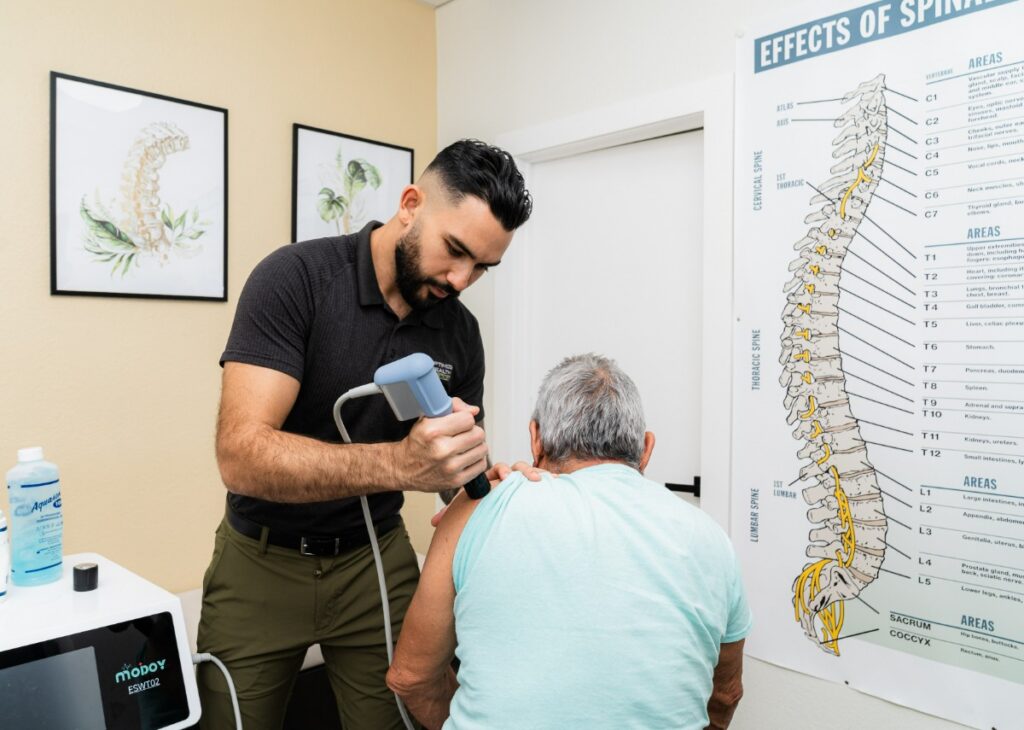
As a local chiropractor, I want to share with you the benefits of enhanced muscle recovery, particularly through the use of cryotherapy. This innovative method can significantly boost your athletic performance by helping your body recover more effectively after physical activity.
Cryotherapy involves exposing your body to extremely cold temperatures, which initiates a range of physiological responses that aid in the repair of muscle tissue. This technique is especially effective in reducing muscle soreness and fatigue, allowing you to recover more quickly after rigorous training sessions.
During a cryotherapy session, your blood vessels constrict, limiting blood flow to your muscles. Once the exposure to cold ends and your body returns to its normal temperature, these vessels dilate, promoting increased blood flow. This surge of blood helps deliver vital nutrients and oxygen to your muscles, facilitating faster repair and regeneration.
Moreover, incorporating cryotherapy into your recovery routine can significantly reduce your risk of injury. When your muscles recover more swiftly, you have the ability to train harder and more often without the worry of overtraining.
By utilizing cryotherapy, you can stay at peak performance levels and be ready to tackle your next challenge with confidence.
If you're interested in learning more about how cryotherapy and other natural healing methods can enhance your recovery and overall health, feel free to reach out to my office. I'm here to help you navigate your wellness journey!
Pain Relief Mechanisms
As a local chiropractor, I want to share with you one of the remarkable benefits of cryotherapy for pain relief. Many patients often seek ways to manage pain effectively, especially if they're active or recovering from injuries. Cryotherapy is an innovative approach that uses extremely low temperatures to help reduce inflammation and numb pain.
Here are some key benefits of cryotherapy that I encourage you to consider:
- Reduces Inflammation: The cold helps constrict blood vessels, which can minimize swelling and discomfort in affected areas.
- Numbs Pain: By exposing your body to extreme cold, cryotherapy can temporarily block pain signals, providing you with immediate relief.
- Speeds Up Recovery: A quicker recovery means you can return to your daily activities and routines sooner, which is vital for overall well-being.
- Improves Mobility: Cryotherapy can ease sore muscles and joints, helping to restore your range of motion and allowing you to move more freely.
Incorporating cryotherapy into your recovery routine can significantly enhance how you feel after physical activity or injury.
Whether you're experiencing chronic pain or acute soreness, this technique may offer the relief you seek. Embrace the chill of cryotherapy and consider how it can support your journey towards optimal health and wellness.
If you have any questions about how cryotherapy can complement your chiropractic care, feel free to reach out!
Compression Technology
As a chiropractor, I want to share the benefits of compression technology and how it can play a crucial role in enhancing your recovery and overall performance, whether you're an athlete or simply someone looking to improve your wellness.
Compression gear, such as sleeves and tights, applies controlled pressure to specific areas of your body, which can significantly reduce muscle soreness and enhance blood circulation.
Improved circulation means more oxygen and nutrients are delivered to your muscles, helping them recover faster after rigorous activities. When you incorporate compression garments into your routine, you're not only supporting your muscles but also taking proactive steps to reduce your risk of injury.
The snug fit of these garments stabilizes your muscles during physical activity, minimizing vibrations that can lead to fatigue and strain.
Many of my patients have reported feeling more comfortable and supported when wearing compression gear during and after exercise, allowing them to concentrate better on their performance.
Research has shown that using compression technology post-exercise can significantly decrease muscle soreness and improve recovery times. You may notice that your legs feel lighter and less fatigued, which can make a remarkable difference in your training schedule.
There are various brands that offer different levels of compression, so you can choose the right fit for your individual needs.
Whether you're a casual jogger or a dedicated competitor, trying out different types of compression gear can help you determine what works best for your body.
Integrating compression technology into your recovery routine could provide the edge you need to enhance your performance, minimize downtime, and maintain your well-being.
I encourage you to consider exploring this option; it might surprise you how effectively it can support your recovery and overall health journey.
Massage and Manual Therapy
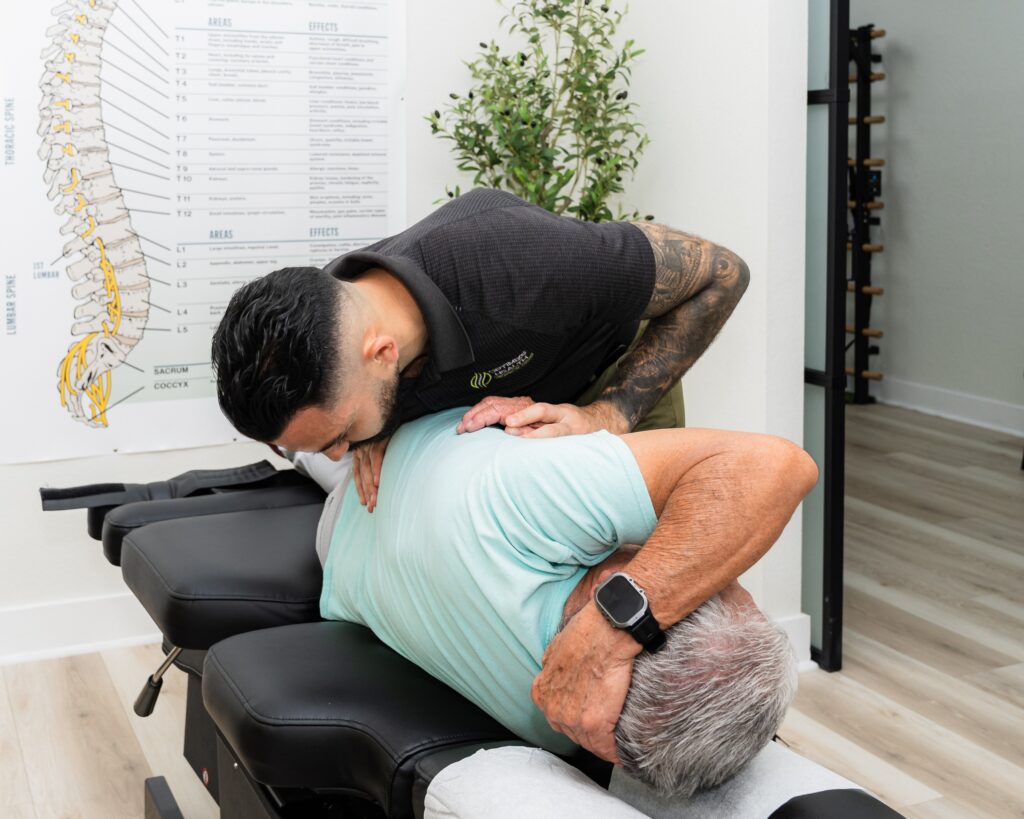
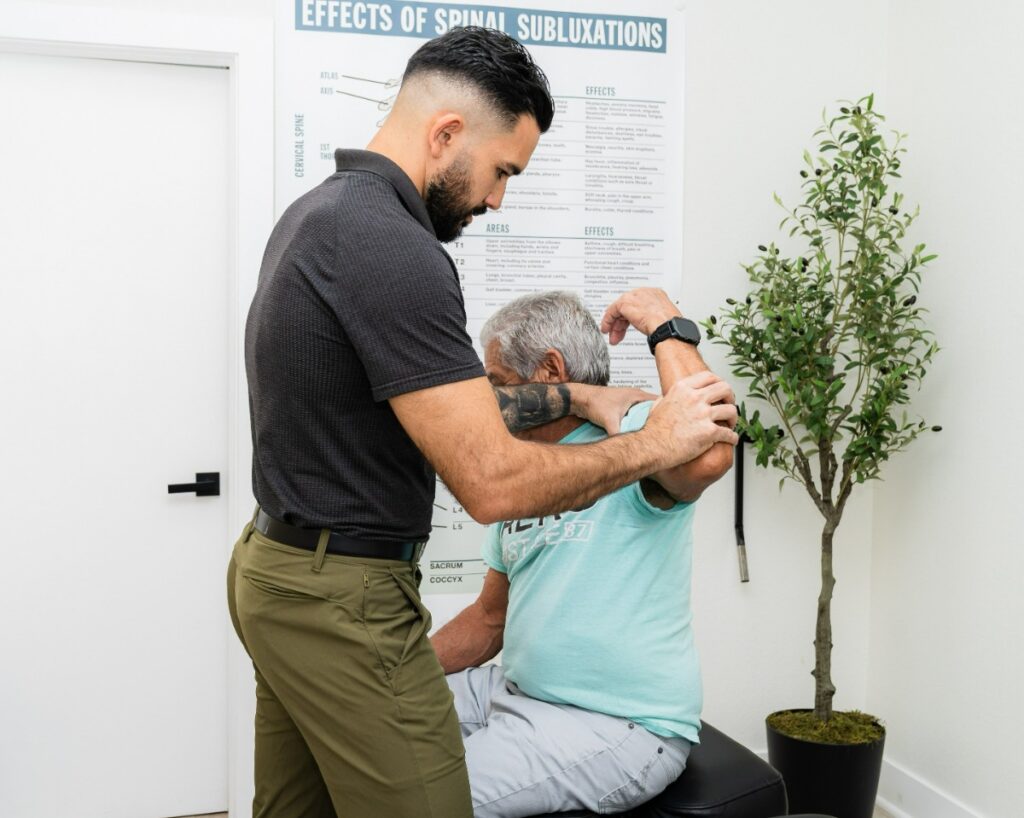
As a local chiropractor, I often see the remarkable benefits that massage and manual therapy can offer, especially for athletes and fitness enthusiasts looking to enhance their recovery and maintain optimal performance.
These techniques aren't merely indulgent luxuries; they're essential components of a comprehensive recovery plan. By incorporating massage and manual therapy into your routine, you can unlock a variety of benefits that can significantly improve your overall performance.
- Boost blood circulation: Enhanced blood flow helps deliver vital oxygen and nutrients to your muscles, which can accelerate recovery times.
- Alleviate muscle tension: Applying targeted pressure can relieve tightness, promoting a sense of relaxation and allowing for greater agility.
- Improve flexibility: Consistent therapy sessions can expand your range of motion, thereby reducing the risk of injuries.
- Encourage mental relaxation: The soothing nature of massage can help you unwind, leading to improved focus during your training sessions.
When you dedicate time to these recovery methods, you're not just alleviating soreness; you're actively preventing future injuries and optimizing your training effectiveness.
Whether you opt for deep tissue, sports massage, or other forms of manual therapy, it's essential to work with a qualified practitioner who understands your specific needs as an athlete.
Incorporating these sessions into your routine can lead to noticeable enhancements in your performance. You may find that you recover more quickly from intense workouts and feel better prepared for your next physical challenge.
Mental Recovery Techniques
As a local chiropractor, I understand that mental recovery techniques are just as crucial as physical recovery when it comes to enhancing your overall well-being and performance.
Just like how we focus on aligning your spine and relieving tension in your body, it's important to recognize the role that mental health plays in your overall success and happiness.
Visualization is one powerful technique that I'd like to share with you. Imagine spending just a few minutes each day picturing yourself achieving your personal goals, whether in sports or daily life.
Visualize the environment around you and the emotions you'll experience when you succeed. This cognitive rehearsal not only prepares your mind for real-life challenges but also strengthens your confidence.
Mindfulness and meditation are also beneficial practices that I often recommend to my patients. Taking a moment to concentrate on your breath and being fully present can help clear your mind of distractions.
This practice reduces stress and enhances your focus—two key components for achieving your best self. You don't have to start with long sessions; just a few minutes a day can make a significant difference.
Another valuable technique is journaling. Writing down your thoughts, experiences, and aspirations allows you to process your feelings and track your personal growth.
It encourages you to reflect on both your achievements and challenges, fostering a positive mindset that can be transformative.
Lastly, I want to emphasize the importance of rest and recovery in your mental health journey. Just as your body needs time to heal and rejuvenate, your mind does too.
Make sure to schedule time for activities that bring you joy, whether that's pursuing hobbies, spending quality time with family and friends, or simply taking a moment to unwind.
Incorporating these mental recovery techniques into your routine can complement the physical care you receive from chiropractic treatments, leading to a more balanced and fulfilling life.
Conclusion
As your local chiropractor, I want to emphasize the importance of a holistic approach to recovery for both your athletic performance and overall well-being. It's not just about pushing harder; it's about incorporating various methods to support your body's natural healing processes.
Active recovery techniques, combined with proper nutrition and mental strategies, can significantly enhance your recovery journey. Don't overlook the vital role that restorative sleep plays, as well as innovative therapies like cryotherapy and compression technology, which can help reduce soreness and improve muscle function.
It's also important to understand that personalized recovery plans, guided by healthcare professionals like myself, can truly make a difference in reaching your athletic goals. By prioritizing your recovery and utilizing natural healing methods, you'll not only improve your performance but also your overall health. Let's work together to ensure you're on the right path to recovery and optimal health.