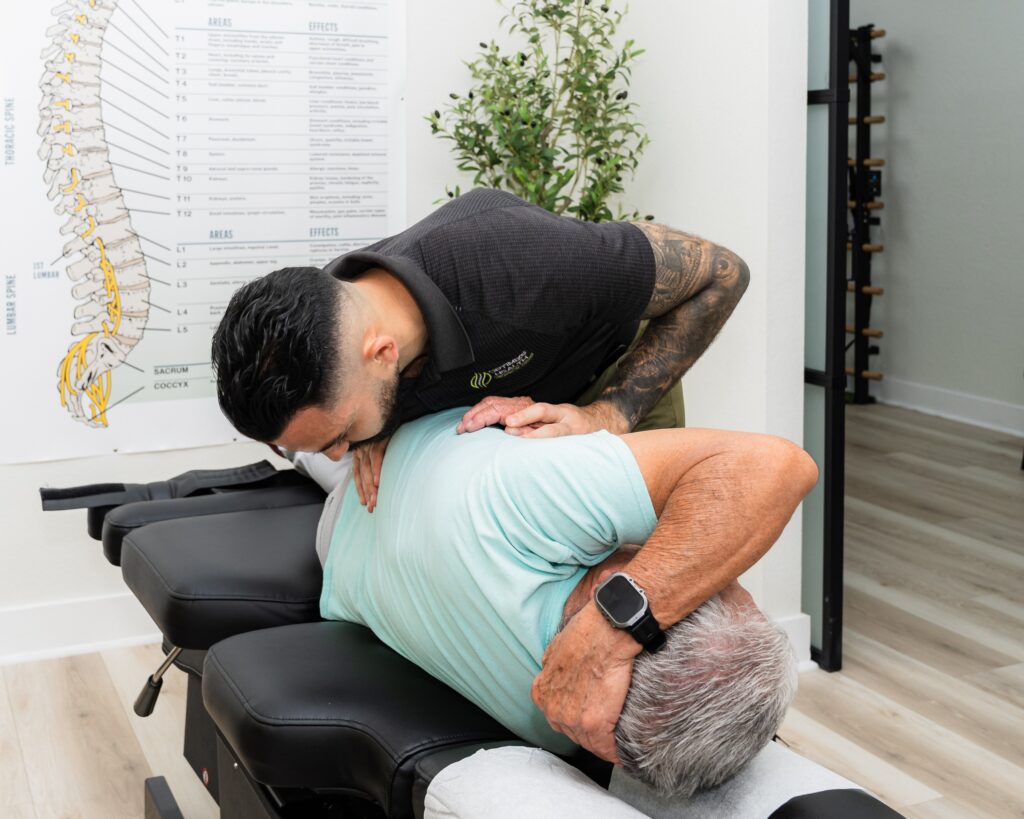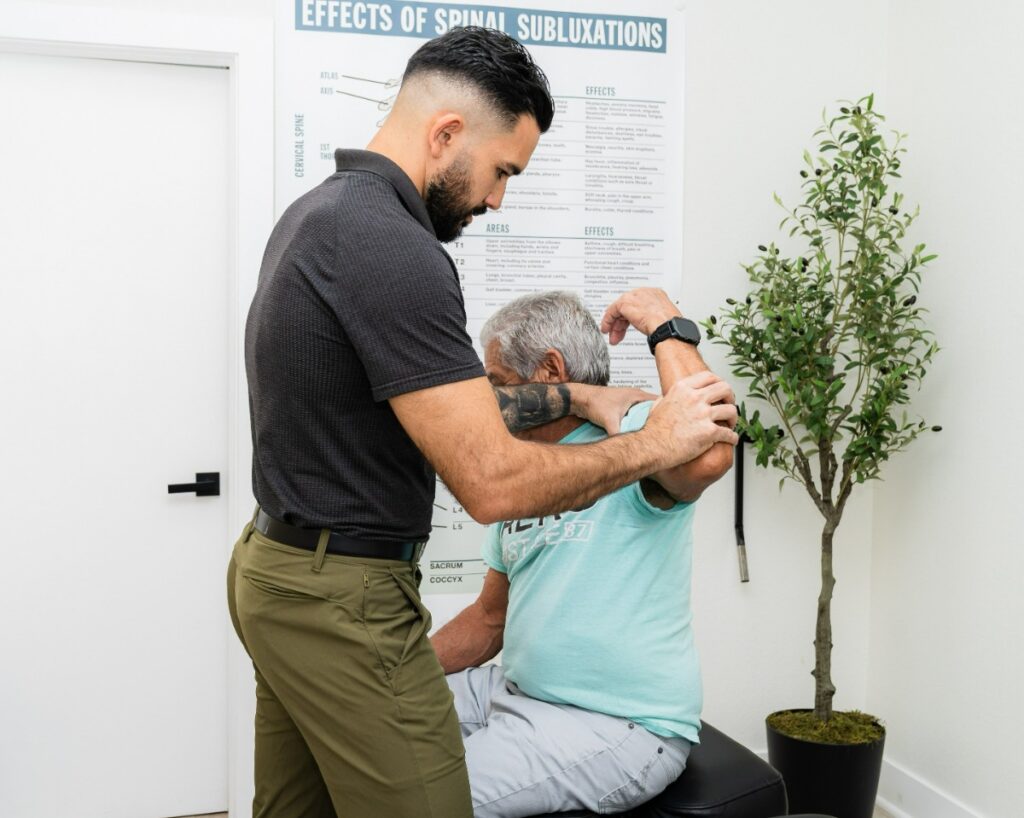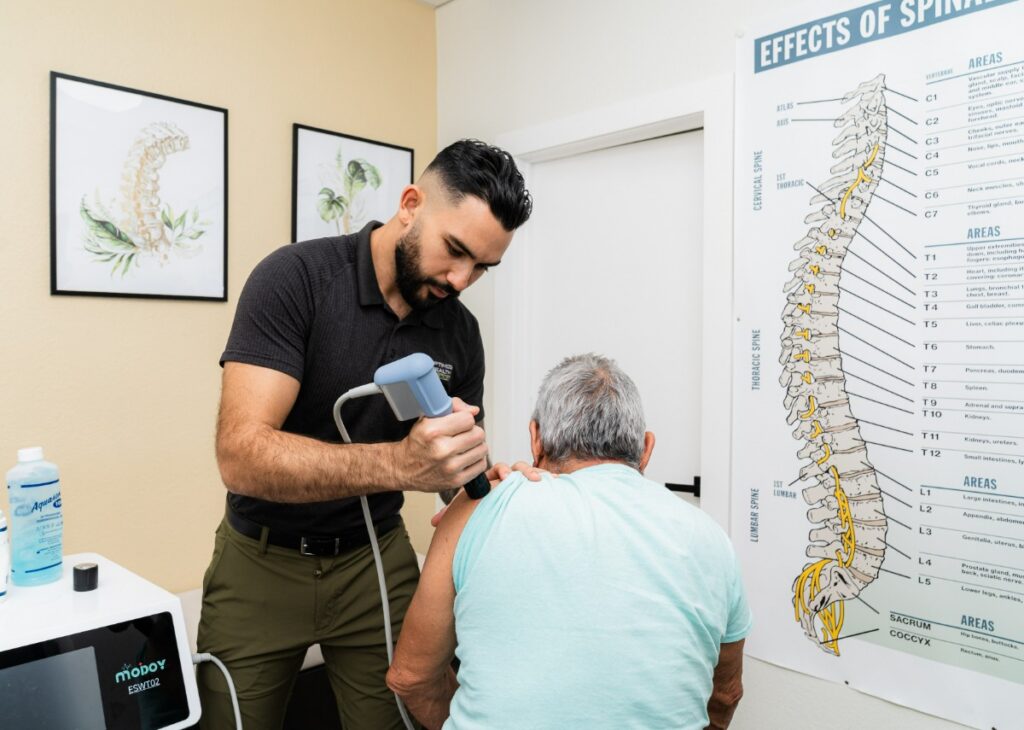

As a local chiropractor, I want to help you understand how your everyday choices significantly influence your long-term health, especially in preventing chronic pain. Many people don't realize that simple adjustments to your routine—such as incorporating regular exercise, practicing mindful eating, and ensuring proper ergonomics—can dramatically lower your risk of discomfort and pain.
It's crucial to recognize the connections between these habits and your overall well-being. Imagine having a sustainable path to wellness that not only alleviates pain but also enhances your quality of life. By understanding and implementing these elements, you can build a solid foundation for lasting health. Let's work together to explore how chiropractic care and natural healing can support you on this journey to better health.
Understanding Chronic Pain
As a local chiropractor, I want to take a moment to talk about chronic pain and its implications for your overall health and well-being. Chronic pain isn't just a symptom; it's a multifaceted condition that can significantly affect your day-to-day life. Unlike acute pain, which typically arises from an injury or a specific event, chronic pain can persist for months or even years and may originate from various sources, such as past injuries, underlying health conditions, or even emotional stress.
Patients often describe chronic pain in a variety of ways—some may feel aching sensations, while others might experience sharp or burning pain. It's crucial to understand that chronic pain isn't solely a physical issue; it can have profound effects on your mental and emotional health as well. Many individuals living with chronic pain report feelings of frustration, anxiety, or depression, which can further complicate their experience and recovery.
I often see patients who find it challenging to perform everyday tasks due to their pain. Simple activities like getting out of bed, preparing meals, or participating in social gatherings can become daunting. Acknowledging how chronic pain impacts your life is the first step toward seeking the right support and effective treatment options.
What's important to remember is that chronic pain is highly individualized. What may be beneficial for one person mightn't provide relief for another, which is why a personalized approach is essential. As your chiropractor, I focus on understanding your unique situation and tailoring a treatment plan that may include spinal adjustments, lifestyle advice, and exercises aimed at alleviating pain and improving function.
By taking the time to learn about your chronic pain and exploring chiropractic care, you empower yourself to find effective coping strategies. Together, we can work towards advocating for your health needs and ultimately improve your quality of life.
If you have any questions or would like to discuss how chiropractic care can help you manage chronic pain, please don't hesitate to reach out.
The Role of Physical Activity
As a local chiropractor, I want to emphasize the significance of regular physical activity in preventing chronic pain.
Many patients may not realize how various forms of exercise can contribute to overall wellness, from boosting your strength to increasing your flexibility.
It's crucial to integrate movement into your daily routine, not just for pain prevention, but for your overall health.
Let's discuss some effective ways to stay active and how these practices can complement chiropractic care and promote natural healing in your body.
Benefits of Regular Exercise
As a local chiropractor, I want to share with you the incredible benefits of engaging in regular exercise, especially when it comes to managing and preventing chronic pain. Staying active isn't just about getting fit; it plays a crucial role in strengthening your muscles, improving flexibility, and enhancing your overall physical endurance. These elements form a solid foundation for your body, supporting your joints and helping you maintain proper posture, which significantly reduces strain on your system.
One of the key advantages of regular exercise is its ability to boost blood circulation. Improved circulation ensures that essential nutrients are delivered to your tissues while aiding in the removal of toxins. This process can alleviate pain and facilitate quicker recovery from injuries.
Moreover, when you engage in physical activity, your body releases endorphins, which act as natural painkillers. This not only helps in reducing pain but also elevates your mood and helps manage stress—factors that are often linked to chronic pain conditions.
Establishing a consistent exercise routine can also lead to better sleep quality, which is vital for your body's healing and recovery processes. As you build your strength and stamina, you may notice that everyday activities become easier and less painful, paving the way for a more active and fulfilling lifestyle.
Ultimately, committing to regular exercise empowers you to take control of your health and enhances your quality of life. It's an effective way to lower the risk of developing chronic pain and to support your overall well-being.
Types of Physical Activities
As a local chiropractor, I want to emphasize the importance of physical activity in managing and preventing chronic pain. There are various forms of exercise, each with its own unique benefits that can support your overall health and well-being.
Whether you find peace in the gentle flow of yoga, enjoy the invigorating pace of running, or prefer the steady rhythm of walking, it's essential to choose an activity that aligns with your lifestyle and physical needs.
For those of you concerned about joint stress, low-impact exercises like swimming and cycling are fantastic options. They allow you to get a solid workout while minimizing strain on your joints.
On the other hand, strength training is crucial as it builds muscle, providing support to your joints and enhancing overall stability, which is vital for a healthy body.
If you thrive on social interaction, consider participating in group classes or team sports. These activities not only boost your motivation but also make exercising more enjoyable, which can lead to a more consistent routine.
Flexibility-focused activities, such as Pilates, can significantly enhance your range of motion and help reduce the risk of injury.
Even simple, everyday activities like gardening or dancing can count as physical activity and contribute positively to your overall health.
At our clinic, we believe in the power of natural healing, and incorporating regular physical activity into your routine is a fundamental part of that approach.
Let's work together to find the right activities for you that promote healing and enhance your quality of life.
Tips for Staying Active
As a local chiropractor, I want to emphasize the importance of staying active for your overall health and well-being, especially when managing chronic pain. Regular physical activity is essential, as it helps strengthen your muscles, improve flexibility, and enhance your quality of life. Here are some practical tips to help you incorporate movement into your daily routine.
First and foremost, it's crucial to find activities that you genuinely enjoy. Whether it's dancing, swimming, or hiking, engaging in enjoyable activities makes it easier to stay committed and consistent. Setting small, achievable goals can also be beneficial. Begin with short sessions of activity and gradually increase both the duration and intensity of your workouts. This method not only prevents injury but also keeps you motivated.
Incorporate movement into your daily life in simple ways. Opt for the stairs instead of the elevator, or take a brisk walk during your lunch break. Consistency is key, so consider scheduling your workouts as you'd any important appointment and make it a priority to stick to that schedule.
Always listen to your body. If you start to feel pain or discomfort, it's essential not to push through it. Instead, modify your activities or consult with a healthcare professional, like a chiropractor, for personalized guidance.
Finally, think about joining a class or support group. This can provide accountability and an opportunity to meet new friends who share your commitment to staying active.
Staying active doesn't have to feel like a chore. With the right mindset and strategies in place, you can enjoy your activities while experiencing the numerous benefits of movement and natural healing.
Importance of Nutrition
As a local chiropractor, I want to share with you the significant role that nutrition plays in managing and preventing chronic pain. Many people may not realize that the foods we consume can have a profound impact on our overall well-being and pain levels.
By focusing on anti-inflammatory foods, choosing nutrient-dense options, and maintaining proper hydration, you can make a positive difference in your health.
Incorporating a diet rich in fruits, vegetables, whole grains, and healthy fats can help reduce inflammation in your body, which is often a contributing factor to chronic pain.
Additionally, staying hydrated is crucial, as it helps maintain joint lubrication and supports overall bodily functions.
Let's work together to explore how these dietary adjustments can support your chiropractic care and enhance your quality of life.
Embracing these nutritional changes not only complements the natural healing process but can also lead to a significant reduction in pain and improved overall health.
Anti-inflammatory Foods Benefits
As a local chiropractor, I want to share with you the incredible benefits of incorporating anti-inflammatory foods into your diet. These foods can play a significant role in your overall health, particularly if you're experiencing chronic pain.
Inflammation is often a key contributor to discomfort, and by selecting the right foods, you can help alleviate your pain while enhancing your overall wellness.
Let's explore some of the advantages of anti-inflammatory foods:
- Pain Relief: Many of these foods can help reduce the pain linked to conditions such as arthritis and other inflammatory disorders.
- Mood Improvement: Certain anti-inflammatory options have been shown to enhance mood, which can be particularly beneficial for those dealing with the emotional challenges of chronic pain.
- Stronger Immunity: A diet rich in anti-inflammatory foods can bolster your immune system, lowering your chances of falling ill.
- Digestive Health: These foods often promote good gut health, which is crucial for your overall well-being and can even affect your pain levels.
- Heart Health: By reducing inflammation in the cardiovascular system, these foods can help lower the risk of heart disease.
Incorporating items such as berries, fatty fish, nuts, and leafy greens into your meals can make a profound difference in your health.
As your chiropractor, I encourage you to focus on these nutrient-rich options as part of a holistic approach to managing pain and improving your quality of life.
Nutrient-Dense Diet Choices
As a local chiropractor dedicated to your overall health and well-being, I want to emphasize the importance of making nutrient-dense diet choices. These choices can play a significant role in managing chronic pain and improving your health holistically. By focusing on whole, minimally processed foods, you're providing your body with the essential vitamins and minerals it needs to function optimally.
Incorporating a variety of fruits and vegetables into your daily meals is crucial; they're rich in antioxidants that help combat inflammation, a common contributor to pain. Lean proteins, such as fish, poultry, and legumes, aren't just vital for muscle health—they also supply your body with essential amino acids necessary for recovery and repair.
Whole grains, like quinoa and brown rice, are excellent sources of fiber that help maintain stable blood sugar levels, which can positively affect your mood and energy levels. Additionally, don't overlook the importance of healthy fats found in avocados, nuts, and olive oil. These fats support overall health and are beneficial for brain function, which is essential for managing stress and pain.
Hydration and Pain Relief
As your local chiropractor, I want to emphasize the importance of staying well-hydrated, especially for those managing chronic pain. Proper hydration is vital for your overall health and can significantly aid in reducing discomfort. When you drink enough water, it allows your body to function optimally, which is crucial in alleviating pain.
Hydration is key in several areas, including nutrient transport, joint lubrication, and muscle function—all of which are essential for pain relief.
Let's explore some of the important benefits of staying hydrated:
- Reduces inflammation: Adequate hydration helps your body flush out toxins that can worsen pain and inflammation.
- Improves circulation: Good hydration promotes better blood flow, ensuring that oxygen and nutrients are delivered to your tissues, which is essential for recovery and healing.
- Supports digestion: When your body is properly hydrated, it absorbs nutrients more effectively, providing you with the vitamins and minerals necessary for managing pain.
- Enhances mood: Dehydration can lead to feelings of fatigue and irritability, making any existing pain feel more intense.
- Boosts energy levels: Staying hydrated helps maintain your energy, allowing you to remain active and mobile, which is crucial for your overall well-being.
To fully benefit from these advantages, I recommend aiming for at least eight glasses of water a day. Keep in mind that your needs may vary based on your activity level and the climate you live in.
Remember, hydration isn't solely about drinking water; incorporating fruits and vegetables with high water content into your diet can also help keep your body well-hydrated and support your pain management efforts.
As part of your natural healing journey, let's prioritize hydration together for better health and comfort!
Mindfulness and Mental Health
As a local chiropractor, I want to share how mindfulness can be an essential part of managing chronic pain and improving your overall mental health. By focusing on the present moment, mindfulness allows you to become more aware of your thoughts, emotions, and physical sensations without judgment. This awareness is crucial in understanding your pain better, enabling you to respond thoughtfully rather than react impulsively.
When you practice mindfulness, you may experience a reduction in anxiety and stress, which often accompany chronic pain. Techniques such as meditation, deep breathing exercises, and body scans can help ground you and create a buffer against the intense emotions that pain can bring. Regular mindfulness practice not only builds emotional resilience but also fosters a more positive outlook on life.
You'll notice that mindfulness creates a space between your pain and your emotional response. Instead of feeling overwhelmed, you can acknowledge your pain and accept it as part of your journey. This shift in mindset can diminish the control pain has over your mental state, reducing feelings of frustration and helplessness.
Incorporating mindfulness into your daily routine is simple and doesn't require extensive time or effort. Start with just a few minutes each day, allowing yourself to be fully present in the moment.
Over time, you may observe improvements in your mental clarity and emotional stability. Embracing mindfulness alongside chiropractic care can lead to a more balanced life, equipping you to better manage both pain and the challenges that arise in daily living.
Ergonomics and Posture
As a local chiropractor, I want to share how improving your ergonomics and posture can significantly alleviate chronic pain and enhance your overall health. Many people don't realize that the way you sit, stand, and move plays a crucial role in protecting your body from unnecessary strain.
Here are some essential tips to help you adopt better ergonomics and posture:
- Adjust your workstation: It's vital to set up your chair, desk, and computer screen at the appropriate height to foster a neutral body position. This small adjustment can make a world of difference in your comfort and health.
- Choose supportive seating: Opt for a chair that offers proper lumbar support to your lower back and allows your feet to rest flat on the floor. This can help maintain the natural curve of your spine.
- Practice proper lifting techniques: When lifting objects, remember to bend at your knees and keep your back straight. Lifting with your legs, not your back, can prevent strain and injury.
- Incorporate regular breaks: Make it a habit to stand up, stretch, and move around every hour. This practice helps relieve tension and promotes better circulation, which is vital for your overall well-being.
- Be mindful of your posture: Whether sitting or standing, keep your shoulders back and align your head with your spine. Good posture is essential not only for comfort but also for optimal spinal health.
By focusing on these ergonomic practices, you can take proactive steps toward better health and wellness.
Building a Support System
As a chiropractor, I want to emphasize the importance of building a robust support system for effectively managing chronic pain. Surrounding yourself with caring individuals can significantly enhance your journey toward wellness.
Start by reaching out to family and friends who are open to listening and providing emotional support. Sharing your experiences with them can deepen your relationships and help them understand your unique needs.
Consider exploring local support groups, either in person or online, where you can connect with others facing similar challenges. Being part of a community that shares your experiences can offer a sense of belonging and understanding.
These groups often provide valuable resources, coping strategies, and encouragement, which can empower you and alleviate feelings of isolation.
Don't overlook the benefits of professional help. As a chiropractor, I can offer not only physical adjustments but also guidance on the emotional aspects of chronic pain.
Together, we can work on fostering resilience and developing techniques to manage stress, which is crucial for your overall well-being.
Furthermore, it's essential to involve your healthcare team in your support system. Open communication with your chiropractor and other medical providers about your pain and any concerns you have will allow us to tailor a pain management plan that fits your specific needs.
Conclusion
As a local chiropractor, I want to share with you some proactive steps you can take today to unlock lasting wellness and prevent chronic pain. Incorporating regular physical activity into your routine is essential; it helps keep your body strong and flexible. Additionally, fueling your body with an anti-inflammatory diet can make a significant difference in how you feel. Mindfulness practices can also enhance your mental health, helping you manage stress effectively.
It's important to be mindful of your posture and ergonomics during daily activities, as poor habits can lead to discomfort and pain over time. I encourage you to create a supportive network around you, whether it be family, friends, or health professionals, who can motivate and guide you on this journey.
These simple yet effective strategies are part of a holistic approach to health that I advocate in my practice. By integrating them into your life, you empower yourself to lead a healthier, pain-free existence, allowing you to fully enjoy every moment. Together, we can work toward a future where chronic pain doesn't hold you back.