
As a local chiropractor, I want to reassure you that if you’re experiencing lower back pain, you’re not alone in this journey. Many individuals seek relief without the need for surgical intervention, and I’m here to help guide you through effective, natural strategies that can provide significant relief.
Our focus begins with targeted exercises that strengthen your back muscles and improve flexibility. Additionally, we will assess and enhance your posture, which plays a crucial role in alleviating discomfort. Simple lifestyle changes can also make a big difference in your recovery.
You might be wondering what specific techniques we can implement and how they can be customized to suit your unique needs. Together, we can explore various options that could genuinely transform your experience with lower back pain. Remember, chiropractic care is about more than just pain relief—it’s about fostering your overall well-being through natural healing methods. Let’s work together to find the right approach for you.
Understanding Lower Back Pain
Lower back pain is a prevalent concern that impacts countless individuals, and as your local chiropractor, I want to shed light on this issue and how we can address it through natural healing.
Many of you may find that your discomfort arises from muscle strain, poor posture, or even an injury. It’s crucial to understand the root cause of your pain to achieve effective relief. In some cases, it can be associated with underlying conditions such as herniated discs or arthritis, which may contribute to your discomfort.
You might notice that your pain fluctuates with your level of activity. For instance, sitting for extended periods or lifting heavy objects can provoke or worsen your symptoms. Paying attention to these patterns is vital, as it can help us identify specific activities that may be triggering your back pain.
Moreover, it’s important to recognize that emotional stress can lead to muscle tension in your lower back. This connection between your mental and physical health is significant, and understanding it allows us to approach your treatment holistically.
The Role of Physical Therapy
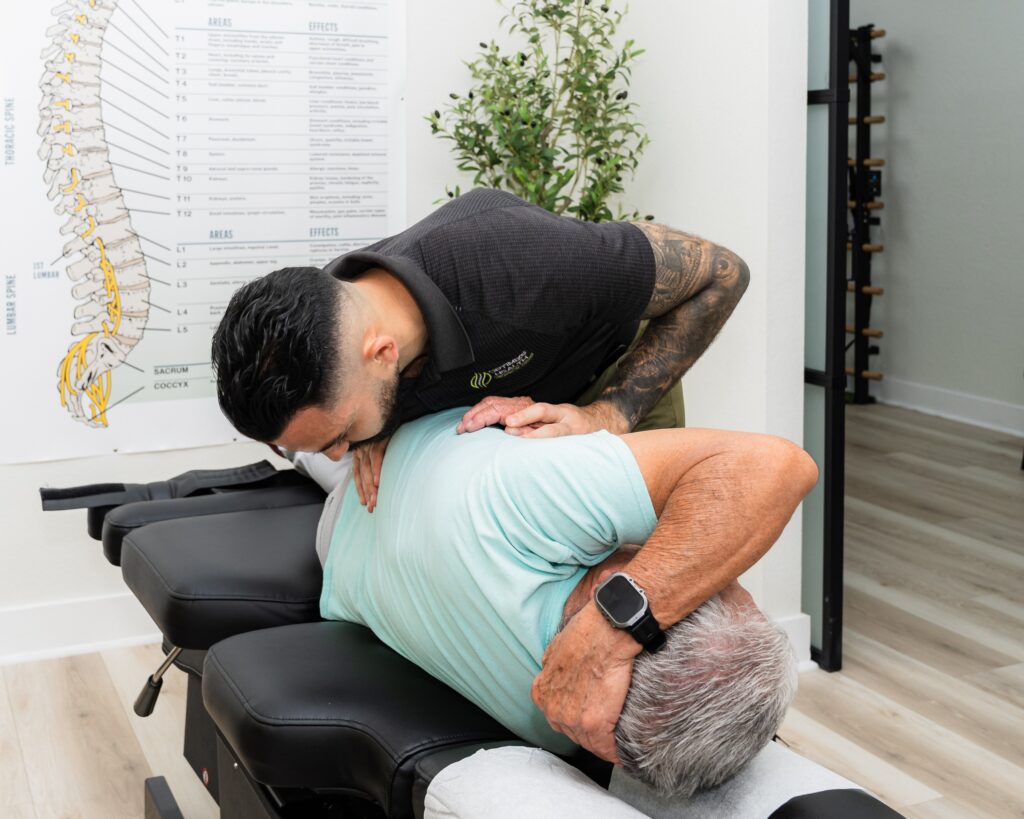
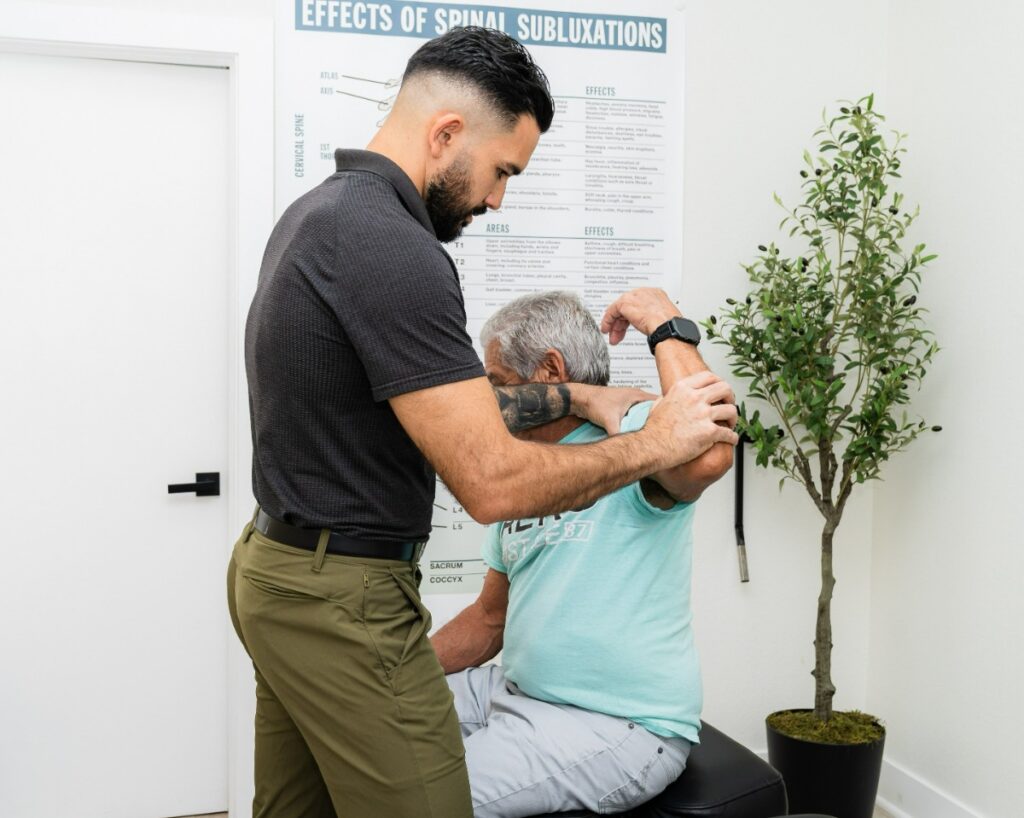
When it comes to easing lower back pain, chiropractic care plays a vital role in your healing process. As a local chiropractor, my goal is to assess your condition, pinpoint the root causes of your discomfort, and create a personalized treatment plan just for you.
Together, we’ll focus on enhancing your flexibility, strength, and posture, which can significantly alleviate pain and help prevent future injuries.
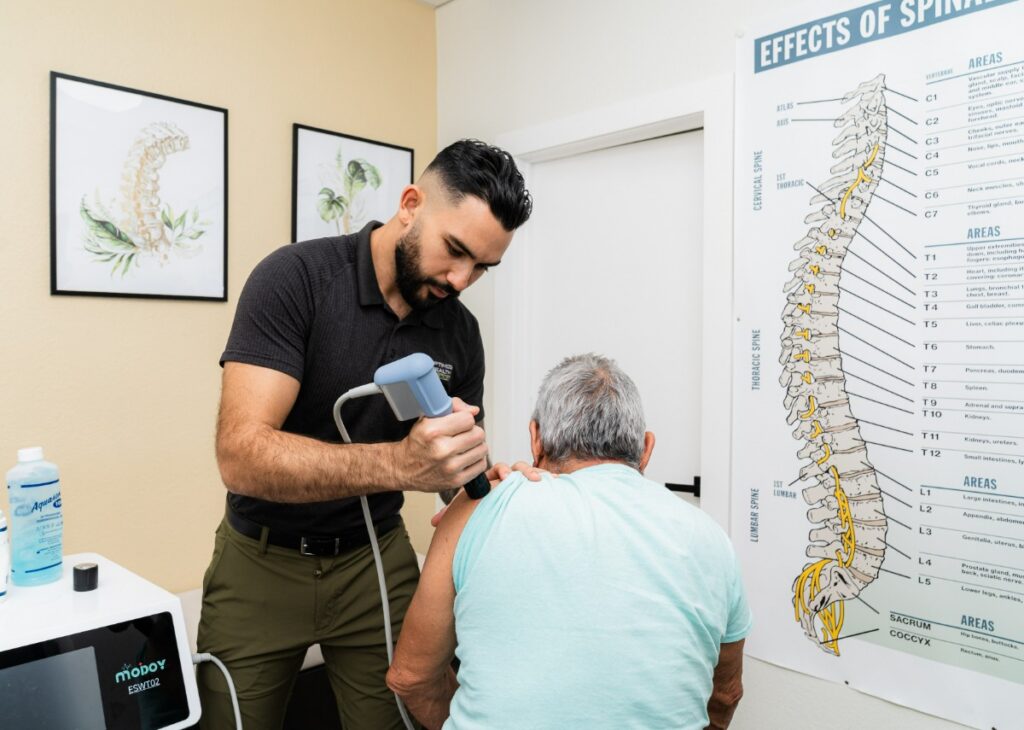
In my practice, I utilize a variety of techniques, including spinal adjustments, soft tissue therapy, and lifestyle advice, all aimed at relieving discomfort and promoting natural healing.
Additionally, I’ll educate you on proper body mechanics and movements, empowering you to avoid actions that may worsen your pain.
Understanding chiropractic care is essential for your recovery, and I’m here to guide you every step of the way.
Strengthening Exercises for the Core
As a local chiropractor, I want to emphasize the importance of strengthening your core for not just alleviating lower back pain but also enhancing your overall stability and well-being.
A strong core plays a crucial role in supporting your spine, reducing strain on your back, and improving your posture. Here are four effective exercises you can incorporate into your routine to help build those essential core muscles:
- Plank: Start by holding a plank position for 20-30 seconds. Make sure to keep your body straight and your core engaged throughout. As your strength increases, you can gradually extend the duration of the hold.
- Bird-Dog: Begin on all fours. Extend one arm forward while simultaneously stretching the opposite leg back, ensuring your back remains flat. Hold this position for a few seconds before switching sides. This exercise enhances balance and coordination while engaging your core.
- Dead Bug: Lie flat on your back with your arms and legs lifted towards the ceiling. Lower one arm and the opposite leg towards the floor slowly, making sure to keep your back pressed firmly against the ground. Return to the starting position and alternate sides. This movement helps in reinforcing core stability and coordination.
- Bridge: Lie on your back with your knees bent and feet flat on the floor. Lift your hips towards the ceiling, squeezing your glutes at the top of the movement, and then lower back down. This exercise not only strengthens your core but also targets your glutes and lower back.
Integrating these exercises into your daily routine can significantly contribute to developing stronger core muscles, which is vital for your overall health and can lead to improved function and reduced discomfort.
Stretching Techniques for Flexibility
As a local chiropractor, I want to share some valuable insights on enhancing your flexibility and supporting your lower back through regular stretching techniques. Incorporating these stretches into your routine is essential for maintaining spinal health and overall well-being.
Let’s start with the cat-cow stretch. This gentle movement helps mobilize your spine and improve flexibility. To do this, get into a tabletop position on your hands and knees. As you inhale, arch your back, allowing your belly to drop towards the ground. Then, as you exhale, round your spine, tucking your chin to your chest. This flow not only feels great but also promotes better alignment in your spine.
Next, I recommend the child’s pose. This stretch is excellent for relaxing the lower back and relieving tension. Kneel on the floor, sit back on your heels, and stretch your arms forward, resting your forehead on the ground. Take a moment to breathe deeply and feel the gentle release in your lower back.
To specifically target your hamstrings, try the seated forward bend. Sit with your legs extended in front of you, and gently reach for your toes while keeping a straight back. Hold this stretch for 15-30 seconds, feeling the stretch along the back of your legs. This is a fantastic way to enhance flexibility in your lower body.
Lastly, don’t forget about the hip flexor stretch. Kneel on one knee with the other foot in front, and gently push your hips forward. This stretch is crucial for addressing tight hip flexors, which can contribute to lower back discomfort. Hold each stretch for 20-30 seconds, and consider repeating them regularly to improve your flexibility and alleviate any back pain.
The Importance of Good Posture
As a local chiropractor, I want to emphasize the critical role that good posture plays in maintaining a healthy spine and preventing common issues like lower back pain. Your posture not only affects how you feel but also how your body functions on a daily basis.
When you stand, sit, or move with proper alignment, you minimize unnecessary strain on your muscles and ligaments, which can lead to better support and overall well-being.
Here are four essential tips I recommend to improve your posture:
- Align Your Ears, Shoulders, and Hips: Imagine a straight line running from your ears to your shoulders and down to your hips. Keeping these points aligned is vital for maintaining a healthy spinal posture.
- Engage Your Core: A strong core is essential for supporting your lower back. By strengthening your abdominal muscles, you can help stabilize your spine and reduce the risk of injury.
- Use Supportive Seating: When choosing chairs, especially if you spend long hours sitting, opt for those that provide adequate support for your lower back. This can significantly impact your posture and comfort.
- Stay Mindful: Throughout your day, take a moment to check in with your posture. Regularly adjusting your stance or sitting position can help you avoid the common pitfalls of slouching or leaning, which can lead to discomfort over time.
By incorporating these tips into your daily routine, you can take proactive steps towards achieving and maintaining better posture, which is foundational for your overall health and wellness.
If you have any questions or need further guidance, don’t hesitate to reach out!
Ergonomic Adjustments in Daily Life
As a chiropractor, I often see how small ergonomic adjustments in your daily life can significantly alleviate lower back pain. Many of my patients are surprised to learn that simple changes can make a big difference in their comfort levels.
Let’s start with your workspace. It’s crucial to ensure that your chair provides adequate support for your lower back and that your feet are flat on the floor. Your computer screen should be positioned at eye level to help you maintain good posture and avoid slouching, which can lead to discomfort.
When lifting objects, remember to bend your knees and keep the load close to your body. This technique minimizes strain on your back, which is essential for preventing injuries.
If you find yourself sitting for extended periods, consider incorporating a standing desk or taking regular breaks to stretch. Movement is key to keeping your spine healthy!
Don’t forget about your sleep habits, either. A supportive mattress and pillow can help align your spine properly, contributing to better overall back health.
When you’re driving, make sure your seat is adjusted to support a neutral posture, as this can also help prevent discomfort.
Implementing these simple ergonomic adjustments can lead to improved posture and reduced pain, making your daily activities more enjoyable.
I encourage you to prioritize these changes, and you may be amazed at the positive impact they can have on your back health. If you have any questions or need further guidance, don’t hesitate to reach out!
Mindfulness and Stress Reduction
As a local chiropractor, I want to share how mindfulness and stress reduction can be pivotal in managing lower back pain. Many of my patients aren’t aware of the profound impact that mindfulness meditation and deep breathing techniques can have on their overall well-being.
By integrating these practices into your daily routine, you can’t only find relief from discomfort but also foster a greater sense of calm in your life.
Let’s delve into some effective strategies that I often recommend for managing stress, which in turn can significantly improve your comfort and support your healing journey.
Embracing mindfulness can complement the chiropractic care I provide, helping you to achieve a more holistic approach to pain management and overall health.
Benefits of Mindfulness Meditation
As a local chiropractor dedicated to your well-being, I want to share how mindfulness meditation can be an invaluable tool in managing stress and enhancing your overall health.
When stress accumulates, it can create tension in your body, particularly in areas like your lower back. By practicing mindfulness meditation, you can focus on the present moment, which helps promote a sense of calm and can significantly alleviate stress-related pain.
Here are some important benefits of incorporating mindfulness meditation into your wellness routine:
- Reduces anxiety: Engaging in mindfulness on a regular basis can lower your anxiety levels, which is crucial for emotional health and can help support your chiropractic care.
- Enhances body awareness: Mindfulness helps you become more aware of your body, allowing you to detect tension and discomfort early. This awareness can complement the adjustments you receive in chiropractic care.
- Improves sleep quality: Practicing mindfulness can lead to better sleep, which is vital for recovery and healing, especially when combined with chiropractic treatments.
- Promotes relaxation: Mindfulness encourages a relaxation response in your body, helping to ease muscle tension and alleviate pain, making it a perfect partner to your chiropractic journey.
Breathing Techniques for Relief
As a local chiropractor, I often see patients struggling with lower back pain and want to share how simple breathing techniques can be a valuable tool for finding relief. Engaging in focused breathing can activate your body’s natural relaxation response, which helps reduce tension in your back muscles and promotes healing.
To begin, find a comfortable position, either sitting or lying down. Take a deep breath in through your nose, allowing your abdomen to rise as you fill your lungs. Hold that breath for just a moment, then exhale slowly through your mouth. This rhythmic breathing not only calms your nervous system but also encourages mindfulness, allowing you to create a mental distance from the pain you’re experiencing.
I recommend incorporating this practice into your daily routine, even if it’s just for a few minutes, or using it whenever you feel discomfort. As your breath becomes more steady, visualize a warm sensation spreading throughout your lower back, gently easing any tightness you may feel.
With consistent practice, these breathing techniques can enhance your ability to manage pain and contribute to your overall sense of well-being.
Stress Management Strategies
As a local chiropractor, I want to emphasize the importance of managing stress, especially when dealing with lower back pain. Stress can significantly amplify your discomfort, so it’s crucial to adopt effective stress relief strategies. Here are some methods that can support your healing process:
- Mindfulness Meditation: I encourage you to take a few minutes each day to focus on your breath and stay present. This practice can help lower anxiety levels and alleviate tension in your body, contributing to a more relaxed state conducive to healing.
- Progressive Muscle Relaxation: This technique involves systematically tensing and then relaxing each muscle group, starting from your toes and working your way up to your head. It not only enhances relaxation but also increases your awareness of bodily sensations, which can be beneficial in managing pain.
- Yoga and Stretching: Incorporating gentle yoga into your routine can be immensely helpful. It improves flexibility and helps release muscle tension, which is essential for maintaining a healthy spine and overall well-being.
- Journaling: I also recommend journaling as a valuable tool for processing your thoughts and feelings. Writing can be a cathartic experience, allowing you to gain insight into the sources of your stress and pain, and helping you to better manage them.
By integrating these stress management strategies into your daily life, you can support your chiropractic care and enhance your overall well-being.
Alternative Therapies: Acupuncture and Massage
If you’re looking for a natural way to alleviate lower back pain without the need for surgery, I encourage you to consider alternative therapies such as acupuncture and massage, which can work wonderfully alongside chiropractic care.
Acupuncture is a technique that involves the insertion of thin needles into specific points on your body. This practice can stimulate the release of endorphins, which are your body’s natural pain relievers, and promote healing in the affected areas. Many patients report experiencing reduced pain levels and improved mobility after just a few sessions.
On the other hand, massage therapy focuses on relieving tension in the muscles and enhancing blood circulation. A qualified massage therapist can hone in on areas of discomfort, providing immediate relief while also contributing to long-term wellness.
Regular sessions can help maintain muscle flexibility and reduce the risk of future pain, complementing the adjustments I provide in chiropractic care.
Both acupuncture and massage are generally safe and can enhance your overall treatment plan. However, it’s important to consult with your healthcare provider before starting any new therapy, especially if you have pre-existing health conditions.
Nutrition and Weight Management
As a local chiropractor dedicated to your health, I want to emphasize the importance of nutrition and weight management in effectively managing lower back pain. Many people may not realize that what we eat can significantly impact our pain levels.
Incorporating anti-inflammatory foods into your diet—such as fruits, vegetables, nuts, and fatty fish—can help alleviate discomfort and promote healing.
Additionally, maintaining a healthy weight is crucial. Excess weight can place unnecessary pressure on your spine, exacerbating pain and discomfort.
By adopting weight loss strategies, we can relieve stress on your back and enhance your overall well-being.
Let’s take a closer look at how these dietary changes and weight management techniques can lead to a more pain-free life and improve your quality of life.
Anti-inflammatory Foods
As a local chiropractor dedicated to your well-being, I want to share how incorporating anti-inflammatory foods into your diet can significantly aid in managing lower back pain.
When combined with a balanced diet and maintaining a healthy weight, these foods can play a vital role in reducing inflammation, alleviating discomfort, and improving your mobility.
Including anti-inflammatory foods in your meals not only supports your health but can also make your diet more enjoyable.
Here are four excellent options to consider:
- Fatty Fish: Varieties like salmon and mackerel are rich in omega-3 fatty acids, which are known to help reduce inflammation in the body.
- Leafy Greens: Vegetables such as spinach and kale are packed with antioxidants and essential vitamins that support your overall health and well-being.
- Berries: Blueberries, strawberries, and other berries are loaded with antioxidants that can combat inflammation at the cellular level, providing additional health benefits.
- Turmeric: This vibrant spice contains curcumin, a compound recognized for its powerful anti-inflammatory properties, making it a great addition to your meals.
By integrating these foods into your daily diet, you can make a meaningful difference in your pain management strategy.
Weight Loss Strategies
As a chiropractor, I want to emphasize the importance of incorporating anti-inflammatory foods into your diet as part of a holistic approach to weight management and overall health. By focusing on whole, nutrient-dense options like fruits, vegetables, lean proteins, and healthy fats, you can’t only reduce inflammation but also promote a sense of fullness. This can make it much easier to maintain a healthy weight.
It’s also crucial to be mindful of your portion sizes and strive for balance in your meals. I recommend meal prepping as a strategy to prevent unhealthy snacking and ensure you always have nutritious options available.
Staying hydrated is key as well; often, our bodies confuse thirst with hunger, which can lead to unnecessary calorie intake.
In addition to dietary changes, incorporating regular physical activity, such as walking or yoga, can greatly benefit your spine and support your weight loss efforts. These activities not only help strengthen your back but also enhance your overall well-being.
Creating a Long-Term Pain Management Plan
As a local chiropractor dedicated to helping you manage your lower back pain, I want to emphasize the importance of creating a long-term pain management plan that aligns with natural healing principles.
This thoughtful approach can empower you to regain control over your pain and significantly enhance your quality of life. Here are four essential components to consider as you embark on this journey:
1. Regular Exercise: Engaging in low-impact activities such as walking, swimming, or yoga can be incredibly beneficial.
These exercises not only strengthen your back but also improve your overall flexibility, which is key to preventing future pain.
2. Chiropractic Care: Working with a chiropractor allows for personalized treatment tailored to your unique condition.
We focus on spinal adjustments and specific exercises that target your pain points while teaching you proper body mechanics to support your recovery.
3. Natural Pain Management Techniques: There are various methods we can explore together to alleviate discomfort, including heat and cold therapy, acupuncture, and mindfulness practices.
These natural approaches can complement your chiropractic care and enhance your overall well-being.
4. Routine Check-Ins: Regular assessments are crucial for tracking your progress.
By scheduling routine visits, we can evaluate your improvements, discuss any changes, and adjust your pain management plan as necessary to ensure it remains effective.
By incorporating these elements into your long-term plan, you can achieve lasting relief and a better quality of life.
I’m here to guide you every step of the way!
Conclusion
As a local chiropractor, I want to help you understand that living with lower back pain doesn’t have to be your reality, and surgery isn’t your only option. By integrating specific exercises, improving your posture, and making thoughtful lifestyle choices, you can greatly enhance your quality of life. Activities like yoga and swimming are excellent for strengthening your back and increasing flexibility, while mindfulness practices can help you manage pain more effectively. Additionally, I encourage you to consider alternative therapies, such as chiropractic adjustments, which can support your healing process. Remember, consistency is essential in any pain management plan. With the right strategies in place, you can regain control over your body and enjoy a more active, pain-free lifestyle. If you’re curious about how chiropractic care can fit into your healing journey, I’m here to guide you every step of the way.