
As a local chiropractor, I understand that many of you may be struggling with the burden of chronic pain, and it can feel overwhelming. However, I want to share with you the possibility of transforming your life through natural healing methods. Have you ever considered that by addressing your pain through holistic approaches, you could experience relief in ways that traditional treatments might not offer?
Incorporating mindfulness practices, making dietary adjustments, and engaging in gentle movement can significantly impact your overall well-being. These methods not only target the pain itself but also empower you to take control of your life again. If you're curious about how to begin this journey and which specific techniques may be most beneficial for you, I'm here to guide you through the process. Let's explore the natural path to healing together.
Understanding Chronic Pain
Chronic pain is a significant issue that affects around 50 million adults in the U.S., and as a local chiropractor, I want to help you understand how this condition can impact your life and how chiropractic care can play a role in managing it. If you're one of those experiencing persistent discomfort, gaining insight into chronic pain is a crucial first step towards finding relief.
Unlike acute pain, which usually signals an immediate injury or illness, chronic pain lingers for months or even years, often without a clear source. It can arise from various conditions like arthritis, fibromyalgia, or nerve damage.
However, it's essential to recognize that chronic pain isn't just about physical symptoms; it can also lead to emotional challenges such as anxiety and depression. The constant discomfort can make even simple daily activities feel daunting, and many people feel isolated in their struggle.
As your chiropractor, I want to assure you that your pain is valid and deserves attention. The experience of pain can be influenced by multiple factors, including genetics, previous injuries, and even your psychological wellbeing.
Furthermore, chronic pain can alter the way your brain processes pain signals, intensifying your perception of discomfort.
By understanding these aspects of chronic pain, you take an important step toward regaining control over your health. You aren't alone in this journey, and recognizing the complexity of your pain can open the door to effective solutions.
Through chiropractic care, we can work together to explore natural methods for relief, such as spinal adjustments and lifestyle changes, which may help restore your quality of life.
Educating yourself about the nuances of your pain is vital, and I'm here to guide you on this path to wellness.
Mindfulness and Meditation Techniques
As a local chiropractor, I want to share how mindfulness and meditation techniques can complement your chiropractic care and enhance your ability to manage chronic pain naturally. By focusing your mind and calming your thoughts, you can create a sense of relief and regain control over your discomfort.
Here's how to get started:
- Breathing Exercises: Begin with deep, slow breaths. Inhale through your nose, hold for a few seconds, then exhale through your mouth. This simple practice reduces stress and brings your awareness to the present moment, which is essential for overall well-being.
- Body Scan: Find a comfortable position, either lying down or seated, and focus on each part of your body, starting from your toes and moving up to your head. Acknowledge any sensations without judgment. This technique helps you connect with your body and can provide valuable insights into the areas of tension or pain that may benefit from chiropractic adjustments.
- Guided Imagery: Picture a serene environment, such as a quiet beach or a tranquil forest. Engage your senses by imagining the sights, sounds, and aromas of this peaceful place. This distraction can help you detach from discomfort and foster relaxation, making your chiropractic sessions even more effective.
- Mindfulness Meditation: Dedicate a few minutes each day to sit quietly and observe your thoughts without getting caught up in them. Acknowledge any pain, but redirect your focus to your breath. This practice can improve your emotional response to pain over time and enhance the benefits of your chiropractic treatments.
Incorporating these mindfulness and meditation techniques into your daily routine can lead to significant improvements in your pain management.
With consistent practice, you can cultivate a greater sense of peace and resilience in the face of chronic pain, making your journey towards healing more effective and holistic.
Dietary Changes for Pain Relief
As a local chiropractor, I want to share with you some valuable insights on managing chronic pain through a holistic approach that includes dietary changes. Many people may not realize that what you eat can significantly influence inflammation levels in your body, which directly affects your pain experience. By incorporating anti-inflammatory foods into your diet, you can take proactive steps towards alleviating that chronic pain alongside chiropractic care.
First, I encourage you to focus on whole foods. Aim to fill your plate with a variety of fruits and vegetables, particularly those high in antioxidants like berries, leafy greens, and sweet potatoes. These foods not only help combat inflammation but also provide essential nutrients your body needs to heal effectively.
Additionally, omega-3 fatty acids, found in fatty fish such as salmon and sources like walnuts, are exceptionally beneficial for reducing both pain and inflammation.
It's also important to be mindful of what you're limiting in your diet. Processed foods, sugars, and trans fats can worsen inflammation and contribute to your pain levels. Instead, opt for whole grains like brown rice and quinoa, which offer sustained energy without the inflammatory effects associated with refined grains.
Hydration is another key component. Drinking plenty of water helps keep your joints lubricated and supports your overall health. Herbal teas, particularly those infused with ginger or turmeric, can also provide excellent anti-inflammatory benefits.
Lastly, I recommend keeping a food diary to observe how different foods affect your pain. By tracking which foods trigger or alleviate your symptoms, you can make informed dietary choices that complement your chiropractic care.
Physical Activity and Movement
As a local chiropractor, I want to emphasize the importance of movement in managing pain and enhancing your overall well-being. Regular physical activity can significantly reduce stiffness, build muscle strength, and elevate your mood.
You may be surprised to learn that even small adjustments to your daily movements can lead to notable pain relief. Here are some suggestions to help you integrate physical activity into your routine:
- Start Slow: If you're new to exercise, it's important to ease into it. Begin with short sessions of about 10 to 15 minutes a day. As your body becomes accustomed to the activity, you can gradually extend the duration.
- Choose Enjoyable Activities: Find physical activities that you genuinely enjoy, whether that's walking, swimming, or dancing. When you engage in something you love, you're more likely to maintain a consistent routine.
- Explore Flexibility and Strength: It's beneficial to include stretching and strength-building exercises in your regimen. These types of movements can enhance your range of motion and provide support to your joints, which can alleviate pain over time.
- Listen to Your Body: It's crucial to pay attention to your body's signals. If you experience discomfort during any activity, modify your approach or try a different form of movement. Finding a balance that feels right for you is key to your progress.
Alternative Therapies to Explore
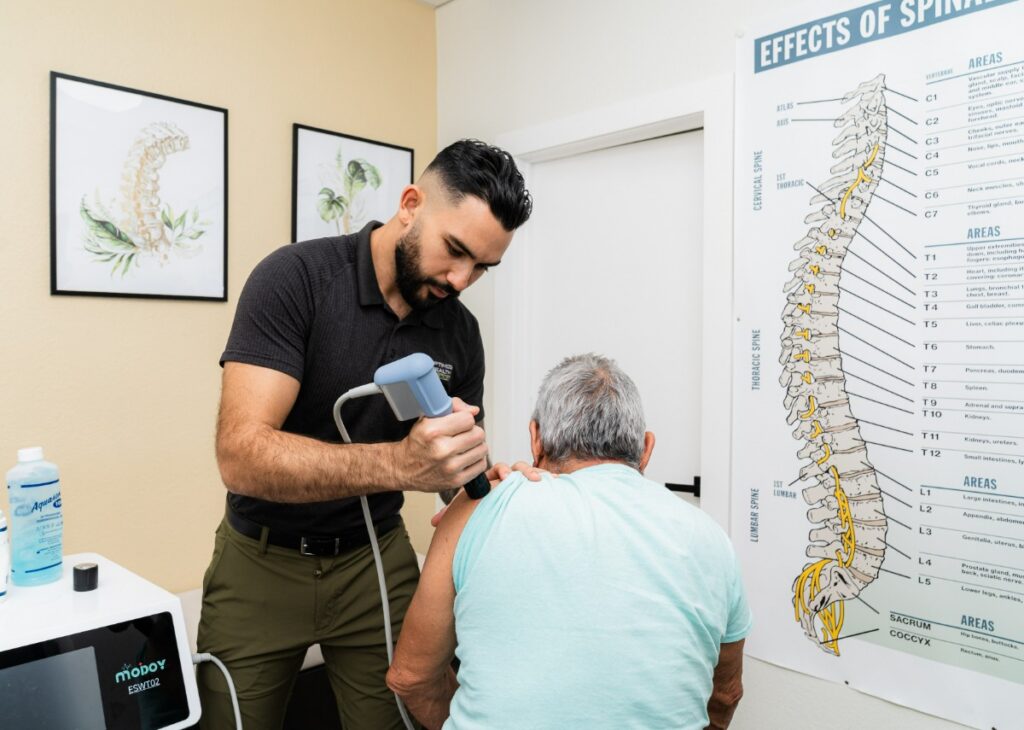
As a local chiropractor, I want to share with you the potential benefits of exploring alternative therapies, particularly chiropractic care, to help manage chronic pain. Many individuals discover that these therapies can complement traditional treatments and significantly enhance their overall well-being.
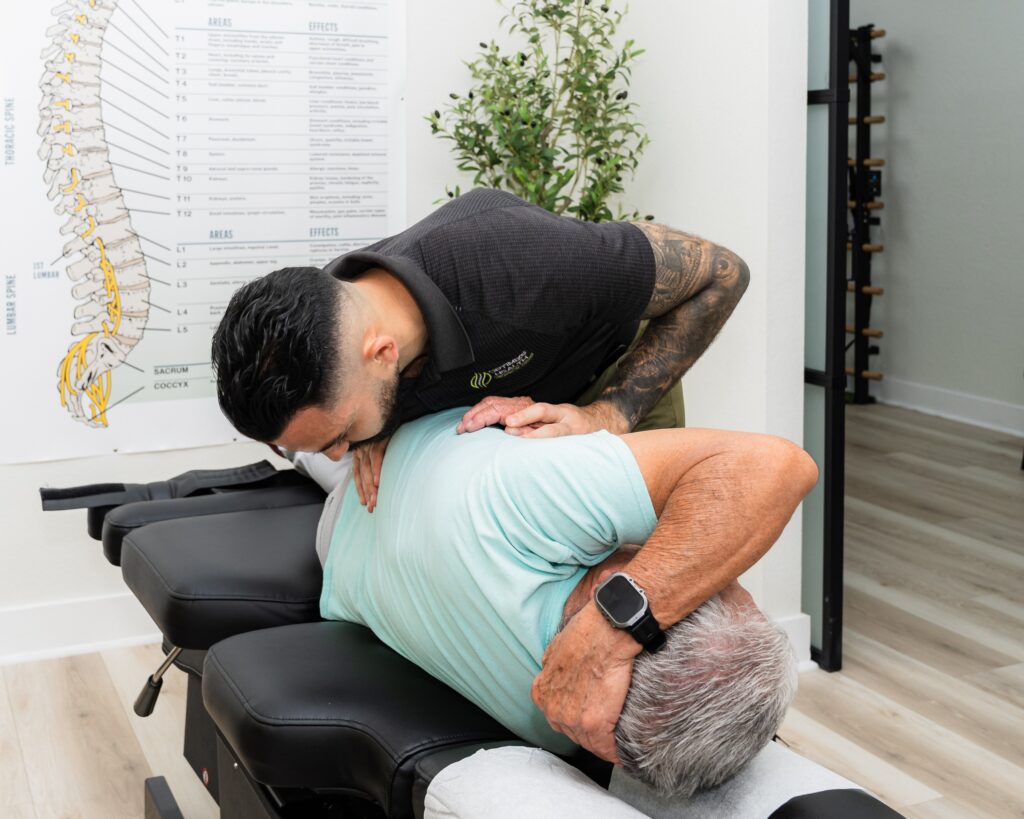
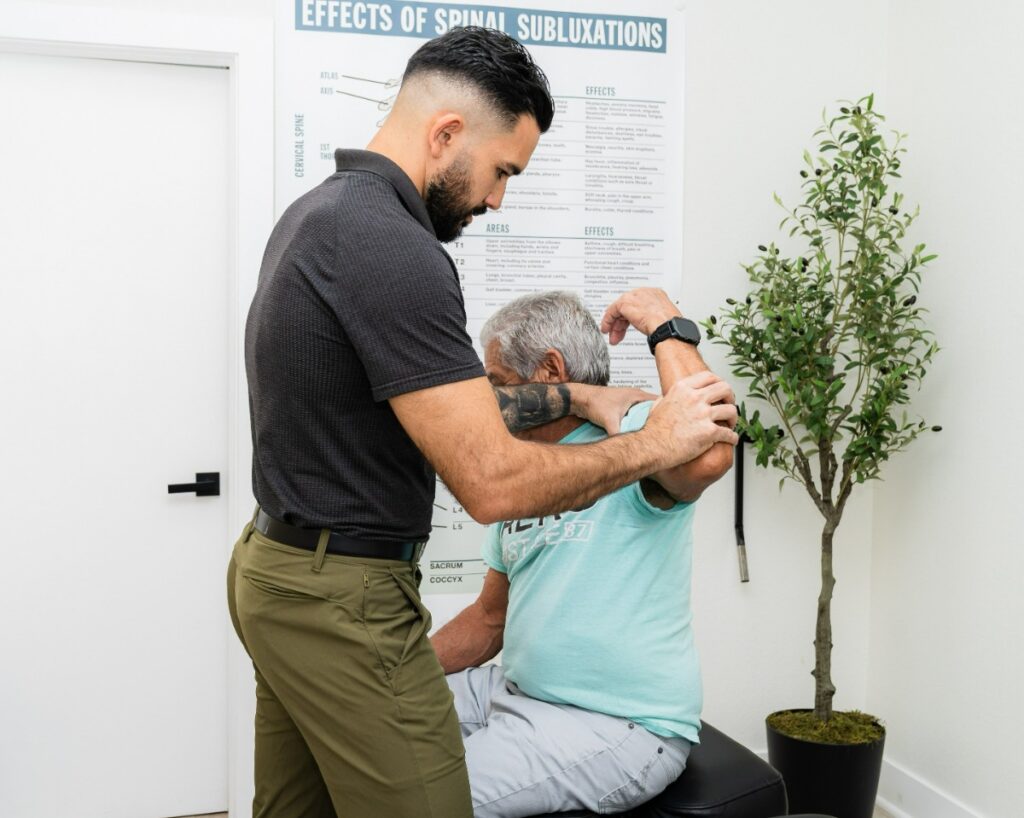
Chiropractic care focuses on the alignment of your musculoskeletal system, particularly the spine and joints. By performing gentle adjustments, we can relieve tension, improve mobility, and help alleviate chronic pain. Many of my patients report feeling a noticeable reduction in pain and an improvement in their daily function after just a few sessions.
In addition to chiropractic adjustments, I often recommend incorporating massage therapy into your wellness routine. This therapy promotes blood circulation, relaxes tight muscles, and releases endorphins—your body's natural painkillers. Regular massage sessions can be incredibly effective in managing pain and reducing stress levels.
Another area worth exploring is herbal medicine. Certain herbs, such as turmeric and ginger, possess anti-inflammatory properties that may assist in easing pain. However, it's essential to consult with a healthcare professional before starting any new herbal regimen to ensure it's safe for your individual needs.
Moreover, mindfulness and meditation techniques can be valuable tools in your pain management journey. By training your mind to focus on the present moment, you may find that your perception of pain diminishes, leading to an overall improvement in your quality of life.
As you consider these alternative therapies, remember that you have the power to take control of your chronic pain. By integrating chiropractic care and other natural healing methods, you can discover effective tools to enhance your daily life.
I'm here to support you on this journey and help you find what works best for you.
Conclusion
As a local chiropractor, I want to help you understand how a holistic approach to managing chronic pain can truly empower you to take control of your well-being. Chiropractic care is centered around the idea that your body has the innate ability to heal itself, and by optimizing your spine and nervous system, we can alleviate discomfort naturally.
Incorporating mindfulness practices into your daily routine can help you become more aware of your body and its needs. Additionally, simple dietary adjustments can support your overall health and reduce inflammation, which is often a contributor to chronic pain. Gentle physical activities, such as yoga or stretching, can also promote mobility and strengthen your body without the risk of aggravating existing pain.
I encourage you to explore various alternative therapies, as they can complement your chiropractic care and enhance your journey toward relief. Remember that personalizing your approach is essential—what works for one person may not work for another, and that's perfectly okay. With commitment and the right strategies, you can transform your life, improve your quality of life, and break free from the confines of chronic pain. Together, we can work towards a healthier, more vibrant you.