
If you’ve experienced whiplash, you know that neck pain can persist long after the initial injury. Finding effective relief is crucial for your recovery, and I’m here to guide you through some natural methods that can help. You might be surprised by how simple adjustments to your daily routine can significantly ease your discomfort.
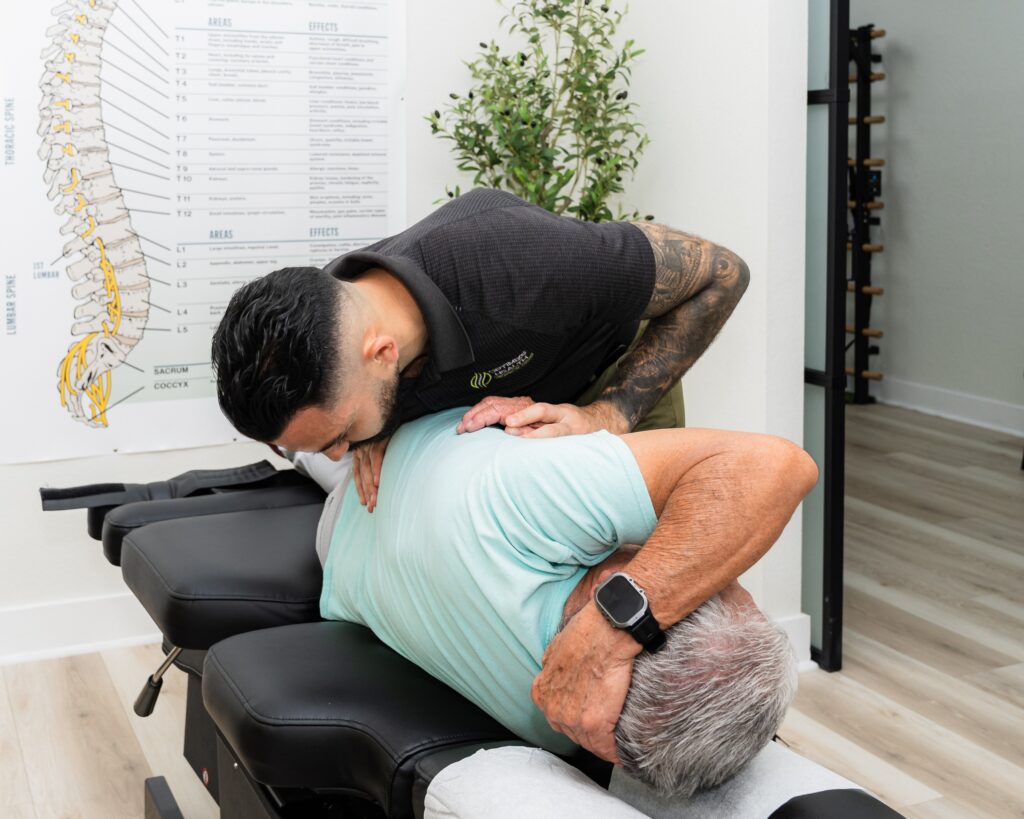
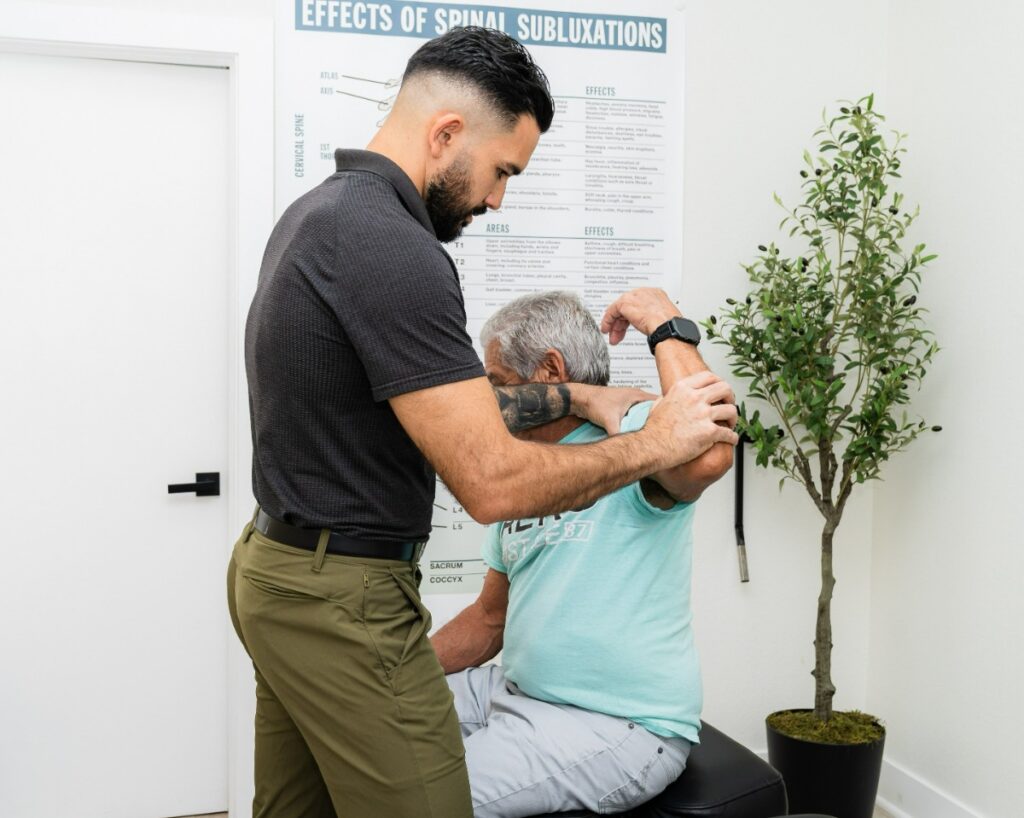
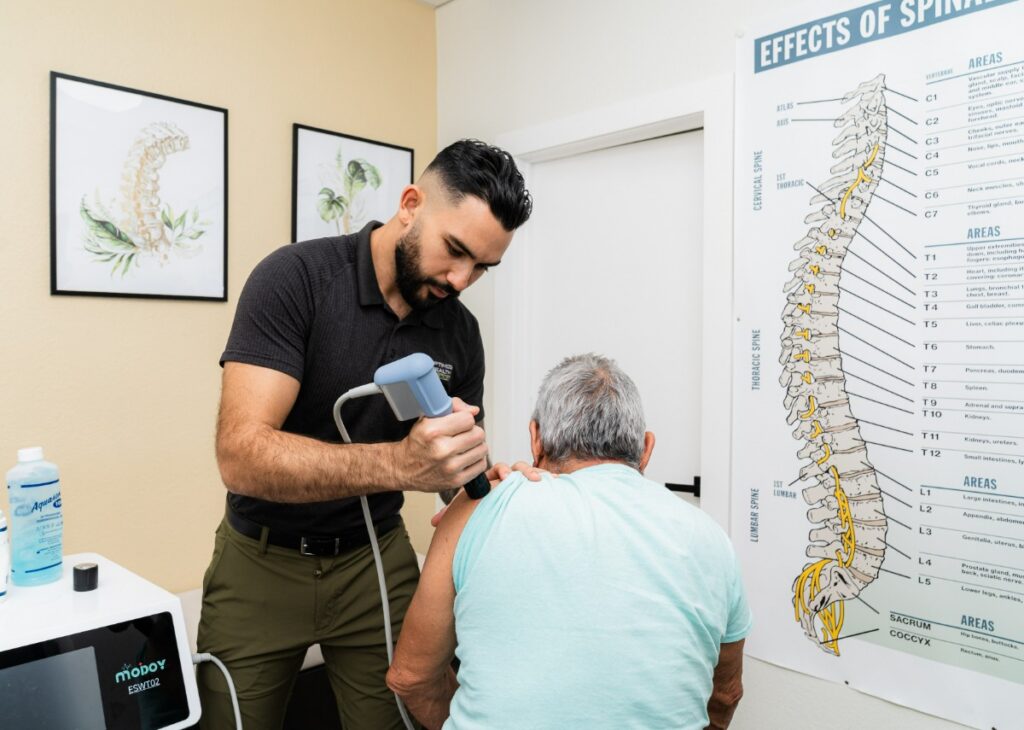
One of the best ways to start is by applying ice and heat to your neck. Ice can help reduce inflammation immediately after the injury, while heat can soothe tight muscles later on. Another great option is to explore chiropractic care. Regular visits to a chiropractor can promote healing by addressing misalignments in your spine that may be contributing to your pain.
Incorporating gentle stretches and exercises designed for neck health can also be beneficial. These movements can enhance flexibility, strengthen supporting muscles, and improve your overall range of motion. Remember, it’s essential to listen to your body and avoid any activities that cause pain.
Consider incorporating mindfulness practices such as deep breathing or meditation. These techniques can help lower stress levels and enhance your body’s natural healing processes. Additionally, ensuring you maintain good posture throughout the day can prevent further strain on your neck.
Curious about how to weave these strategies into your life? Let’s explore some practical steps you can take for better neck health. With the right approach, you can find relief and work towards optimal wellness naturally. Always remember, chiropractic care is a powerful ally in your journey to recovery and maintaining a healthy spine.
Apply Ice or Heat
When you’re experiencing neck pain from a whiplash injury, applying ice or heat can be a game-changer in your recovery journey. As a chiropractor, I recommend starting with ice during the first 48 hours post-injury. Ice can help reduce inflammation and numb the pain, providing you with some much-needed relief.
Simply wrap ice in a cloth and apply it to the affected area for 15-20 minutes at a time, making sure to take breaks to protect your skin.
Once the initial swelling goes down, you can switch to heat. Heat therapy is fantastic for promoting blood flow and relaxing tight muscles, which can significantly ease tension. You can use a heating pad or a warm towel, applying it for 15-20 minutes.
Just be cautious not to fall asleep with heat on to avoid burns.
Listening to your body is key. If either method increases your discomfort, stop immediately. Incorporating these techniques into your routine can support your recovery and improve your overall comfort as you heal.
Remember, while ice and heat can provide temporary relief, chiropractic care offers a holistic approach to address the root cause of your pain. Regular chiropractic adjustments can help restore proper spinal alignment, reduce muscle tension, and promote your body’s natural healing processes.
Make sure to consult with your chiropractor for personalized advice on the best course of action for your specific needs. Your journey to optimal health and wellness starts here!
Practice Gentle Stretching Exercises
After you’ve managed initial pain with ice and heat, incorporating gentle stretching exercises can be a fantastic way to enhance your recovery from whiplash. These stretches not only help relieve tension but also improve flexibility and restore movement in your neck, allowing your body to heal naturally.
Start with simple neck tilts: gently tilt your head toward one shoulder, hold for 15-30 seconds, and then switch to the other side. This movement encourages mobility and helps reduce stiffness.
Another effective stretch is the chin tuck; while sitting up straight, gently pull your chin back toward your neck and hold for a few seconds. This stretch is great for aligning your spine and relieving tension in the neck area.
Don’t overlook the benefits of shoulder rolls! Slowly roll your shoulders forward and backward to ease tightness and promote circulation. Aim to perform these stretches several times a day, but always listen to your body. If you feel any pain, it’s important to stop and consider seeking advice from a chiropractor.
Remember, consistency is crucial in your recovery journey. Be patient with your progress, as healing takes time. With regular gentle movement and the support of chiropractic care, you’ll likely notice increased mobility and reduced discomfort.
In addition to these stretches, maintaining good posture and staying hydrated can further support your healing process. Embrace a holistic approach to wellness, and consider chiropractic adjustments to help optimize your spinal health and overall well-being.
Your body has the incredible ability to heal itself, and with the right care, you can achieve lasting relief and a healthier lifestyle.
Maintain Good Posture
Maintaining good posture is crucial for alleviating neck pain, especially after experiencing whiplash. As a local chiropractor, I want to share some simple yet effective strategies to support your recovery and promote overall wellness.
First, consider setting up an ergonomic workstation. This means adjusting your desk, chair, and computer screen to ensure your body is in a comfortable position. A good chair should support your lower back, and your computer screen should be at eye level to help you avoid straining your neck.
Practicing mindful sitting techniques can also make a big difference. Be aware of how you sit—keep your feet flat on the ground, shoulders relaxed, and back straight. Taking regular breaks to stretch and move around can prevent stiffness and maintain proper alignment.
Another important aspect is strengthening your neck muscles. Gentle exercises, such as neck stretches and isometric holds, can support your spine and alleviate discomfort. However, I recommend consulting with a chiropractor for tailored exercises that are safe and effective for your specific situation.
Chiropractic care is an excellent choice for addressing neck pain. Our focus on spinal alignment and overall health can help your body heal naturally. Regular adjustments not only relieve pain but also promote better posture, leading to long-term wellness.
Ergonomic Workstation Setup
To prevent neck pain and support recovery from whiplash, creating an ergonomic workstation is crucial for your overall well-being. As a chiropractor, I emphasize the importance of proper alignment and posture in achieving optimal health.
Here are some simple steps you can take to set up your workspace for comfort and efficiency:
- Adjust Your Chair: Make sure your chair allows your feet to rest flat on the floor, with your knees bent at a 90-degree angle. This position helps maintain proper spinal alignment.
- Monitor Positioning: Your computer monitor should be at eye level and about an arm’s length away. This arrangement helps prevent straining your neck and encourages a natural head position.
- Lumbar Support: Choose a chair that provides good lumbar support, which helps maintain the natural curve of your spine. This support can significantly reduce discomfort and promote better posture.
- Keyboard and Mouse Placement: Keep your keyboard and mouse close enough so you can use them without reaching. This prevents awkward postures that can lead to tension and pain.
- Document Holder: If you frequently work with documents, using a document holder can keep your papers at eye level, reducing the strain on your neck and helping you maintain a neutral posture.
Remember, small adjustments in your workspace can lead to significant improvements in your neck comfort and overall health.
Regular chiropractic care can also help maintain proper spinal alignment and relieve pain, making it an excellent choice for those seeking natural wellness.
Mindful Sitting Techniques
Creating an ergonomic workstation is an important first step toward achieving optimal health, but how you sit while working is equally vital for your comfort and posture. To support your spine and promote overall wellness, consider these mindful sitting techniques:
- Foot Position: Keep your feet flat on the floor to help maintain proper alignment. Your knees should form a right angle, and your hips should sit slightly higher than your knees. This position helps distribute your weight evenly and reduces strain on your back.
- Chair Support: Sit back in your chair, allowing the backrest to support your spine. This encourages a natural curve in your lower back and prevents slumping, which can lead to discomfort and pain over time.
- Shoulder Alignment: Align your shoulders with your hips. This alignment is crucial for maintaining good posture and reducing tension in your neck and shoulders.
- Screen Position: Position your computer screen at eye level. This helps prevent straining your neck and promotes better spinal alignment. If you find yourself hunching over to see your screen, it may be time to adjust your workstation.
- Regular Breaks: Remember to take regular breaks throughout your day. Standing, stretching, and moving around can help alleviate tension and promote better circulation. These simple actions can significantly contribute to your overall well-being.
- Mindful Habits: Being mindful of your sitting habits can help reduce neck pain and encourage better posture. Consider incorporating chiropractic care into your routine for a holistic approach to wellness.
Chiropractors focus on spinal health and can provide personalized care to address your specific needs, helping you achieve long-term relief from discomfort and promoting a healthier lifestyle.
By being proactive about your sitting habits and considering chiropractic care, you can take significant steps toward alleviating pain and enhancing your overall health.
Strengthening Neck Muscles
Strengthening your neck muscles is crucial for maintaining good posture and alleviating discomfort, especially if you’ve experienced whiplash. As a local chiropractor, I want to emphasize that incorporating specific exercises into your routine can greatly enhance your neck health and promote natural healing.
Start with simple neck stretches to improve flexibility. Gently tilt your head from side to side and forward; these movements can help relieve tension in the muscles. Additionally, using a resistance band for neck extensions and flexions is a fantastic way to build strength without causing strain.
It’s also important to pay attention to your posture throughout the day. Keep your shoulders back and your head aligned with your spine. An ergonomically designed workstation can make a significant difference in preventing strain.
Don’t forget to take regular breaks to adjust your position and give your neck a rest.
By actively working on strengthening your neck muscles and practicing good posture, you’re not only promoting better neck health but also reducing pain over time.
Remember, chiropractic care is an excellent choice for achieving optimal health and wellness. Regular visits can help support your neck’s strength and alignment, allowing your body to heal naturally.
Prioritize your neck health, and consider chiropractic care as your go-to solution for pain relief and overall wellness.
Use a Supportive Pillow
When you’re on the path to recovery from whiplash, using a supportive pillow can truly transform your experience and help alleviate neck pain. A quality pillow plays a crucial role in keeping your neck and spine properly aligned while you sleep. This alignment is vital as it reduces strain on your muscles and ligaments, allowing your body to heal more effectively.
Look for a pillow that supports the natural curve of your neck, whether you prefer sleeping on your back or side. I often recommend memory foam or cervical pillows, as they mold to your shape and provide essential support to facilitate healing.
It’s important to steer clear of overly soft or flat pillows, as these can lead to poor alignment and may worsen your discomfort. Make sure to adjust the height of your pillow so that your head aligns with your spine. It may take some experimenting to find the right pillow that feels both comfortable and supportive.
Remember, a well-chosen pillow can significantly enhance your sleep quality, which is crucial for your overall recovery from whiplash.
Additionally, incorporating regular chiropractic care into your routine can further aid your healing process. Chiropractors focus on restoring proper alignment and function to your spine, which can help alleviate pain and improve your overall wellness.
Stay Hydrated
Staying hydrated is crucial for your overall recovery after experiencing whiplash. As a local chiropractor, I want to emphasize the importance of water in muscle recovery. Proper hydration helps reduce tension and soreness, making it easier for your body to heal naturally.
Pay attention to signs of dehydration such as fatigue or dizziness, as these can slow down your healing process. Drinking enough water can also support your spinal health, ensuring that your body functions optimally.
Here are some simple tips to help you stay hydrated:
- Carry a Water Bottle: Keep a reusable water bottle with you throughout the day to remind yourself to drink water regularly.
- Set Reminders: Use your phone or a timer to remind you to take a water break every hour.
- Infuse Your Water: If plain water isn’t appealing, try adding slices of fruits like lemon, cucumber, or berries for a refreshing taste.
- Eat Hydrating Foods: Incorporate foods with high water content into your diet, such as cucumbers, watermelon, and oranges.
- Listen to Your Body: If you feel thirsty, don’t ignore it! Make it a habit to drink water consistently throughout the day.
By prioritizing hydration along with regular chiropractic care, you can enhance your recovery and overall well-being.
Chiropractic adjustments can help alleviate pain and improve your body’s function, complementing your efforts to stay hydrated and healthy.
Importance of Water Intake
Staying properly hydrated is crucial for your recovery from whiplash, and as a chiropractor, I want to emphasize how important water intake is for your overall health and healing. When you’re well-hydrated, your muscles and tissues maintain their elasticity, which can help reduce tension and discomfort in your neck.
Here are a few ways adequate hydration supports your recovery:
- Supports Joint Lubrication: Proper hydration keeps your neck joints moving smoothly, allowing for better mobility and less pain.
- Reduces Inflammation: Drinking enough water can help minimize swelling and pain in the affected area, promoting natural healing.
- Enhances Circulation: Staying hydrated improves blood flow, ensuring that essential nutrients reach your muscles and tissues to aid in recovery.
To make hydration a part of your daily routine, try to drink water throughout the day, especially when you’re participating in physical therapy or light exercises.
Keeping a water bottle with you is a simple way to remind yourself to sip regularly and stay on track with your hydration needs.
Remember, chiropractic care plays a vital role in your healing process, and combining that with proper water intake can enhance your recovery journey.
Hydration and Muscle Recovery
Hydration is a key component in muscle recovery, particularly after experiencing whiplash. As a local chiropractor, I want to emphasize how staying well-hydrated can significantly enhance your recovery process. When your body is hydrated, your muscles operate more efficiently, which can help alleviate pain and stiffness associated with whiplash.
Water plays a vital role in transporting essential nutrients to your muscles, promoting healing, and reducing inflammation. To support your recovery, aim to drink water consistently throughout the day, especially after any physical activity or therapeutic exercises. Incorporating electrolytes, which can be found in natural sources like coconut water, can also be advantageous. They help maintain fluid balance in your body, further aiding in recovery.
It’s important to be mindful of your hydration levels, as even mild dehydration can slow down your healing process. Listen to your body; if you’re feeling thirsty or fatigued, increase your water intake.
Remember that your activity level and the weather can affect your hydration needs, so adjust accordingly. Staying hydrated is a simple yet powerful strategy to enhance your recovery from whiplash.
Coupled with regular chiropractic care, which addresses the underlying issues of pain and promotes natural healing, you can achieve optimal health and wellness. By prioritizing hydration and chiropractic treatment, you’re taking important steps towards a healthier, pain-free life.
Signs of Dehydration Symptoms
When you’re not drinking enough water, your body can quickly show signs of dehydration that may hinder your recovery from whiplash. As a chiropractor, I want to emphasize the importance of staying hydrated for your overall health and healing process.
Dehydration can lead to muscle stiffness and fatigue, which can aggravate your neck pain. Here are some signs to watch out for:
- Dark yellow urine: This indicates that your urine is concentrated, signaling that your body needs more fluids. Aim for a light straw color in your urine to ensure adequate hydration.
- Dry mouth and skin: If you notice your mouth feels parched or your skin lacks elasticity, it’s time to hydrate. Drinking water regularly can help keep your skin supple and your mouth moist.
- Dizziness or lightheadedness: Feeling faint can be a sign that your body needs more water to function properly. Staying hydrated supports your overall health and helps maintain balance.
Incorporating more water into your daily routine doesn’t have to be complicated. Here are some simple tips:
- Carry a water bottle: Keep a reusable water bottle with you throughout the day to remind you to drink more water.
- Set reminders: Use your phone or a timer to remind you to take a sip of water every hour.
- Infuse your water: If plain water doesn’t excite you, try adding slices of fruits like lemon or cucumber for a refreshing twist.
- Eat water-rich foods: Incorporate fruits and vegetables like cucumbers, oranges, and watermelon into your diet for added hydration.
Remember, proper hydration supports your body’s healing processes, allowing you to recover more effectively from injuries like whiplash.
As you focus on your wellness journey, consider chiropractic care as a natural and effective way to manage pain and promote optimal health. Together with good hydration practices, chiropractic adjustments can help restore balance and alleviate discomfort, paving the way for a healthier, pain-free life.
Consider Over-the-Counter Pain Relief
If you’re dealing with neck pain after a whiplash injury, it’s essential to explore natural healing methods that can truly help you recover.
While over-the-counter pain relief options like ibuprofen and acetaminophen might provide temporary comfort, they don’t address the underlying issues and can come with unwanted side effects.
Chiropractic care is a fantastic approach for managing neck pain and promoting overall wellness. By focusing on spinal alignment and mobility, chiropractors can help relieve tension, reduce inflammation, and restore proper function to your neck and spine.
Regular adjustments can help your body heal more efficiently and may even prevent future pain from developing.
In addition to chiropractic adjustments, there are several tips you can incorporate into your daily routine to support your recovery:
- Stay Hydrated: Drinking plenty of water can help keep your muscles hydrated and promote healing.
- Gentle Stretching: Engage in gentle neck stretches to improve flexibility and reduce stiffness. Always consult your chiropractor for guidance on the best stretches for your condition.
- Heat Therapy: Applying a warm compress to your neck can help relax tight muscles and increase blood flow, aiding in the healing process.
- Posture Awareness: Be mindful of your posture, especially when sitting or using electronic devices. Maintaining a neutral spine can significantly reduce strain on your neck.
- Rest: Allow your body the time it needs to heal. Adequate rest is crucial for recovery, especially after an injury.
Always consult with your chiropractor to develop a personalized treatment plan that works best for you.
Remember, while over-the-counter options might seem convenient, chiropractic care focuses on healing your body naturally and effectively, setting you on the path to optimal health.
Keeping track of your symptoms can help your chiropractor tailor your treatment plan to ensure the best outcomes.
Explore Physical Therapy
Chiropractic care is a fantastic way to kickstart your recovery and lay a strong foundation for optimal health. While physical therapy can provide additional support, let’s explore how chiropractic care can be the most effective choice for healing, especially after a whiplash injury.
Chiropractors focus on correcting misalignments in your spine and improving nervous system function, which is essential for restoring movement, strength, and flexibility in your neck. By addressing the root cause of your discomfort, chiropractic care promotes natural healing and pain relief.
Here are some benefits you can expect from chiropractic care:
- Spinal Adjustments: Gentle adjustments can help realign your spine, which can relieve pressure on nerves and improve your range of motion.
- Holistic Approach: Chiropractic care considers your entire body, ensuring that treatments enhance your overall health and wellness, not just your immediate symptoms.
- Education and Tips: You’ll receive valuable advice on proper posture and body mechanics, empowering you to prevent future injuries and maintain a healthy lifestyle.
Remember, taking care of your spine is crucial for your overall well-being. Incorporate simple tips into your daily routine, such as maintaining good posture while sitting, using ergonomic furniture, and taking breaks to stretch throughout the day.
Incorporate Massage Therapy
Incorporating massage therapy into your recovery plan can be an excellent complement to chiropractic care after a whiplash injury.
While chiropractic adjustments focus on aligning the spine and enhancing overall function, massage therapy can help relieve muscle tension and improve circulation, further aiding your healing process. By working on tight muscles and releasing knots, massage therapy can enhance your comfort and mobility, which is vital for a full recovery.
Consider scheduling regular massage sessions alongside your chiropractic treatments, especially during the early stages of recovery. Techniques like deep tissue massage or trigger point therapy can be particularly effective in addressing the discomfort associated with whiplash.
Be sure to communicate openly with your massage therapist about your pain levels and any specific areas that require attention.
Additionally, combining massage with chiropractic adjustments can provide a comprehensive approach to healing. This integrated strategy not only addresses the muscles but also aligns the spine, promoting optimal health.
Always consult your chiropractor before starting any new treatment, ensuring it complements your overall recovery strategy.
As you navigate your recovery journey, remember to prioritize self-care. Simple practices like gentle neck stretches, staying hydrated, and maintaining good posture can significantly contribute to your healing process.
Limit Screen Time
As you recover from whiplash, managing your screen time is crucial for easing neck pain and promoting your overall wellness. Spending long hours on computers, smartphones, and tablets can lead to poor posture and increased strain on your neck. By reducing screen time, you can allow your muscles to relax and lessen the tension that contributes to discomfort.
Here are some helpful tips to effectively manage your screen time while supporting your recovery:
- Set Time Limits: Designate specific times for using screens and stick to those limits. This will help you stay mindful of your usage and prioritize your health.
- Take Frequent Breaks: Every 20 minutes, give your neck a break by looking away from the screen for at least 20 seconds. This simple practice can help reduce strain and promote relaxation.
- Adjust Your Setup: Ensure your screen is at eye level. This promotes good posture and minimizes unnecessary strain on your neck.
Incorporating these practices into your daily routine can support your healing journey.
Additionally, consider visiting a chiropractor who can provide tailored care to address your neck pain and enhance your overall well-being. Chiropractic adjustments and therapies focus on natural healing and can help restore balance to your body, making it a great choice for pain relief and maintaining optimal health.
Gradually Return to Normal Activities
After managing your screen time, it’s crucial to focus on gradually returning to your normal activities. Start with gentle tasks that are easy on your neck, like light stretching or short walks. Pay close attention to how your body feels; if you experience any discomfort, don’t hesitate to pause and give yourself time to rest.
As you regain your strength and confidence, you can slowly increase the intensity of your activities. Incorporate more movement into your routine, but steer clear of heavy lifting or high-impact sports until you feel fully ready. Great options to consider are swimming or cycling, as these are generally more supportive of neck health.
Incorporating relaxation techniques can also be beneficial. Practices such as deep breathing or yoga can help alleviate tension and promote a sense of well-being. Remember, healing is a gradual process, so it’s important to be patient with yourself. Keep a journal of your progress and celebrate the small milestones along the way.
If you find that pain persists, it’s wise to consult with your chiropractor. They’re trained to help you understand your body better and provide tailored care that promotes natural healing and optimal health.
Chiropractic adjustments can play an essential role in your recovery, helping to restore balance and function to your spine and nervous system.
Conclusion
To sum up, managing neck pain after whiplash can be effectively achieved through a combination of self-care strategies and the support of chiropractic care. Chiropractic adjustments can help restore proper alignment in your spine, promoting healing and reducing pain. In addition to chiropractic treatment, applying ice and heat, practicing gentle stretches, and maintaining good posture are essential for recovery.
Staying hydrated is crucial, as it supports overall health and helps keep your muscles functioning well. Limiting screen time can also reduce strain on your neck, allowing it to heal more effectively. Listen to your body as you gradually return to your normal activities; this will help you avoid further injury.
If your pain persists, don’t hesitate to consult with a chiropractor who can provide personalized guidance and treatment options tailored to your needs. Remember, choosing chiropractic care is a natural and effective way to achieve optimal health and wellness.