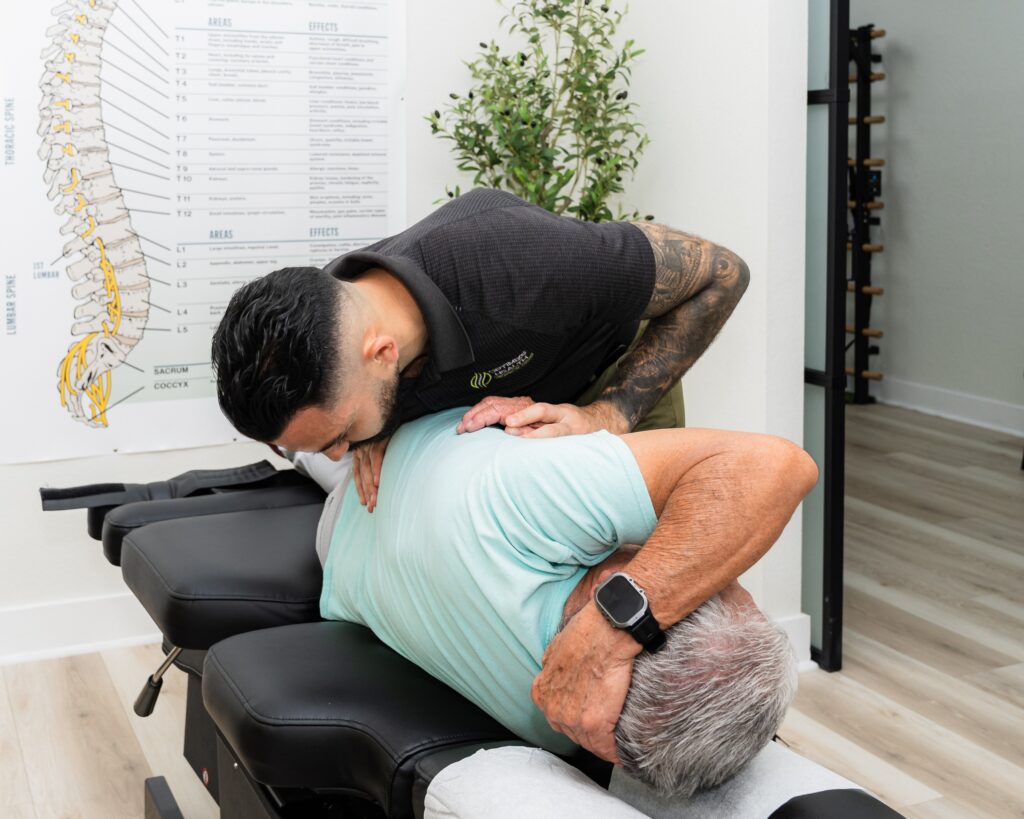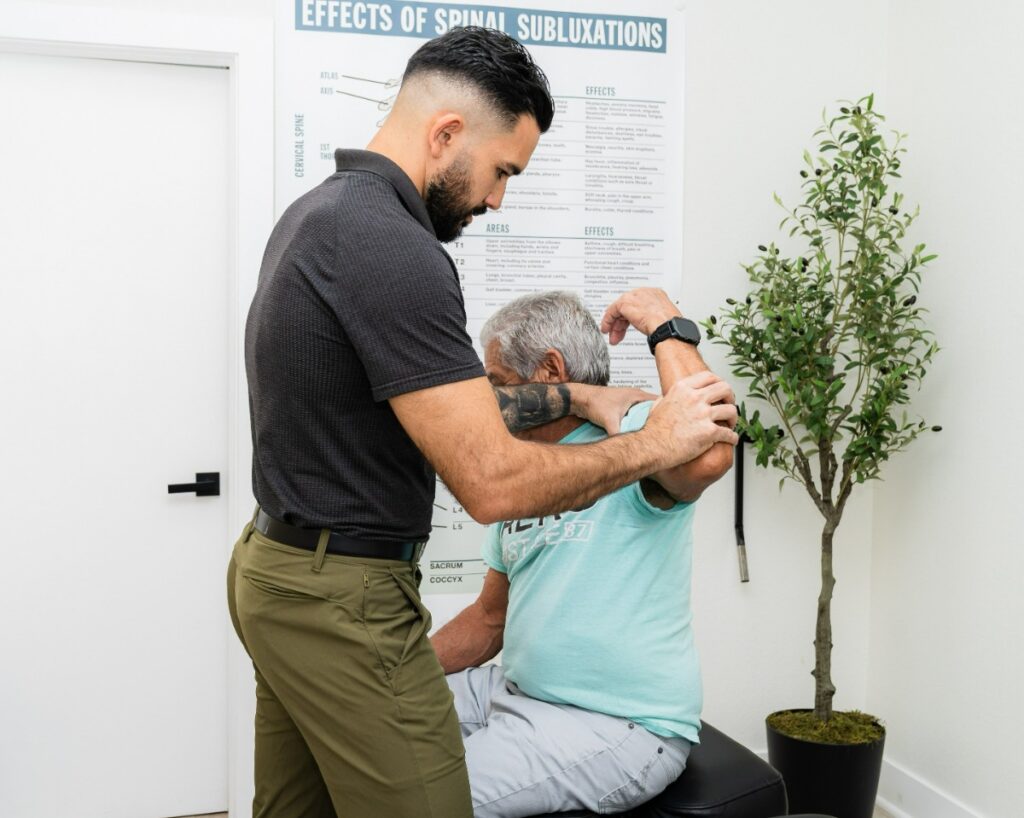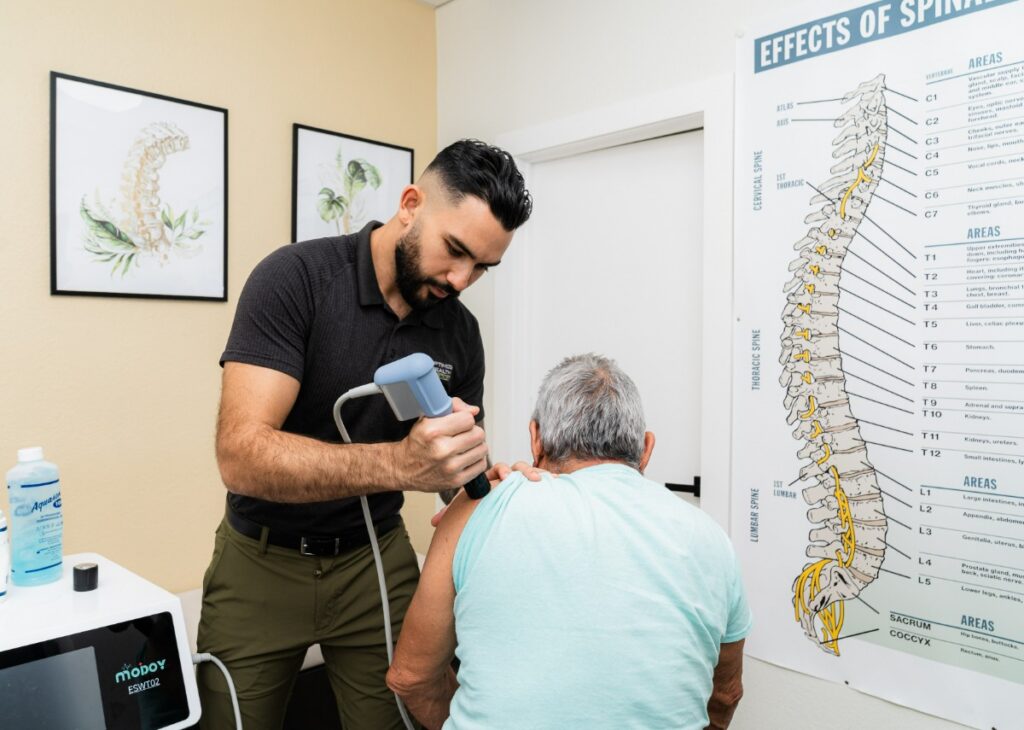

As your local chiropractor, I want you to know that if you’re experiencing lower back pain, you’re certainly not alone. This prevalent condition can arise from a variety of factors, and gaining insight into the root cause of your pain is a crucial first step towards healing. It’s important to adopt a proactive approach to your recovery. This includes incorporating gentle stretches and specific exercises that I can guide you through.
However, managing lower back pain goes beyond just movement. By focusing on proper ergonomics and strengthening your core, we can create a solid foundation for long-lasting relief from discomfort. So, what are the essential steps you should take to support your recovery journey? Let’s work together to explore these strategies and help you get back to feeling your best!
Identify the Cause of Your Pain
As a local chiropractor, I want to emphasize the importance of identifying the cause of your lower back pain in order to facilitate effective recovery.
The first step is to reflect on when your pain began and what activities may have contributed to it. Think about recent heavy lifting, prolonged periods of sitting, or any sudden movements like twisting or falling. Keeping a pain journal can be incredibly beneficial in tracking these details and recognizing any patterns or triggers.
It’s also crucial to assess your posture during everyday activities. Many people don’t realize that poor posture can lead to significant strain and discomfort over time.
If you have a pre-existing condition, such as arthritis or a herniated disc, it’s important to consider how these might be influencing your pain.
I encourage you not to hesitate in seeking professional help. As a chiropractor, I can provide a thorough evaluation to help pinpoint the specific issues contributing to your discomfort.
This may include physical examinations and, if necessary, imaging tests. Understanding the root cause of your pain is vital for creating a personalized recovery plan that aligns with your needs and promotes natural healing.
Incorporate Gentle Stretches
As a local chiropractor, I understand that recovering from lower back pain can be a challenging process. One effective way to aid your recovery is by incorporating gentle stretches into your routine. These stretches can significantly improve your flexibility, reduce tension, and support your overall mobility, ultimately helping to prevent further discomfort.
Here are some gentle stretches I recommend for you to consider:
- Cat-Cow Stretch: This dynamic stretch involves alternating between arching and rounding your back. It promotes spinal flexibility and can help alleviate tension along the spine.
- Child’s Pose: This resting stretch gently elongates your spine and provides a soothing release of tension, making it a great addition to your routine.
- Knee-to-Chest Stretch: By gently pulling your knees toward your chest, you can effectively release tightness in your lower back, which is crucial for recovery.
- Seated Forward Bend: While seated, reach toward your toes. This stretch targets your hamstrings and lower back, enhancing flexibility and relieving strain.
- Pelvic Tilts: Lying on your back, gently rock your pelvis back and forth. This movement helps strengthen your core muscles, which play a vital role in supporting your lower back.
As you engage in these stretches, remember to breathe deeply and pay attention to how your body feels.
It’s essential to avoid pushing into any painful sensations—if something doesn’t feel right, ease off and consider consulting with a healthcare professional for personalized guidance.
Incorporating these gentle stretches into your routine can be a vital step toward healing and maintaining a healthy back.
Apply Heat and Cold Therapy
As a local chiropractor dedicated to helping you understand natural healing methods, I want to share how heat and cold therapy can significantly ease your lower back pain.
Heat therapy is an excellent way to relax tight muscles and enhance blood circulation, which promotes healing. On the other hand, cold therapy is effective in reducing inflammation and numbing sharp pain, providing immediate relief.
Incorporating these techniques into your routine can be a game-changer for your recovery.
Let’s take a closer look at how to properly apply heat and cold therapy to maximize their benefits and support your overall well-being.
If you have any questions or need guidance on how to use these therapies effectively, I’m here to help!
Benefits of Heat Therapy
As a local chiropractor dedicated to educating my patients on natural healing methods, I want to share the benefits of heat therapy, especially for those dealing with lower back pain. This simple yet effective treatment can provide significant relief by enhancing blood flow and easing muscle tension.
Here’s how heat therapy can support your recovery:
- Increases blood circulation: Applying heat can help deliver essential nutrients and oxygen to your muscles, promoting healing and recovery.
- Reduces stiffness: The warmth from heat therapy helps to alleviate tightness in your lower back, making movement easier and more comfortable.
- Promotes relaxation: Heat encourages a sense of comfort and can help diminish stress, which is often associated with chronic pain.
- Enhances flexibility: By loosening tight muscles, heat therapy can improve your overall range of motion, allowing for better mobility.
- Alleviates pain: Heat serves as a natural pain reliever, providing soothing relief to discomfort in the lower back.
Incorporating heat therapy into your daily routine can be a beneficial complement to chiropractic care, helping you manage and reduce lower back pain effectively.
If you have any questions about how heat therapy can work alongside your treatment, feel free to ask during your next visit!
Cold Therapy Techniques
As your local chiropractor, I want to share some valuable insights about managing lower back pain, particularly through the use of cold therapy.
Cold therapy can be a fantastic companion to heat therapy in your recovery journey. By utilizing cold packs or ice wrapped in a cloth, you can effectively reduce inflammation and numb the affected area, offering you immediate relief.
I recommend applying cold therapy for about 15-20 minutes at a time. It’s crucial to allow your skin to rest between applications to avoid any potential damage.
Many of my patients find that alternating between cold and heat therapy can be particularly beneficial. Start with cold therapy to minimize swelling, and then follow up with heat to help relax any tight muscles in your lower back.
However, it’s important to remember that while these techniques can significantly aid in your recovery, if your pain persists or worsens, please reach out to a healthcare professional.
By incorporating cold therapy into your routine, you can enhance your healing process and improve your overall comfort in your lower back.
As always, I’m here to support you on your path to wellness!
Maintain Good Posture
As a local chiropractor, I want to emphasize the importance of maintaining good posture for alleviating lower back pain. Many people may not realize that simple adjustments in your daily habits can make a significant difference in your spinal health.
First, consider your furniture choices—opt for ergonomic designs that support your body’s natural alignment. When sitting, ensure that your feet are flat on the ground, your back is straight, and your shoulders are relaxed. This proper sitting technique helps distribute your weight evenly and reduces strain on your spine.
Additionally, pay attention to how you stand. Practicing proper standing alignment—keeping your ears, shoulders, and hips in line—can further support your spine’s health.
By taking these steps, you’re not only working to prevent discomfort but also promoting your overall recovery and well-being.
Ergonomic Furniture Choices
As a local chiropractor, I want to emphasize the importance of choosing the right ergonomic furniture to support your spinal health and overall well-being.
Many of my patients experience lower back pain and discomfort due to poor posture and inadequate furniture. Investing in ergonomic solutions can make a world of difference in how you feel throughout your day.
Here are some essential furniture choices that I highly recommend evaluating:
- Ergonomic chair: This type of chair is designed to support your lower back, promoting proper spinal alignment. It can help alleviate tension and prevent discomfort while you sit for extended periods.
- Adjustable desk: A desk that allows you to alternate between sitting and standing encourages movement throughout the day. This dynamic approach can reduce stiffness and improve your overall posture.
- Footrest: A footrest is a simple yet effective tool that helps keep your feet flat on the ground and maintains your knees at a 90-degree angle. This positioning can enhance circulation and reduce strain on your lower back.
- Monitor stand: By positioning your computer screen at eye level, a monitor stand helps prevent neck strain and encourages a more natural head position while you work.
- Keyboard tray: An adjustable keyboard tray will help keep your wrists straight while typing, minimizing strain and discomfort during prolonged computer use.
By making thoughtful ergonomic furniture choices, you can take proactive steps towards better posture and overall spinal health.
Sitting Techniques Matter
As your local chiropractor, I want to emphasize how important your sitting techniques are for maintaining a healthy spine, even if you have the best ergonomic furniture. The way you sit can greatly impact your spinal health, so let’s go over some key points to keep in mind.
First, it’s essential to keep your feet flat on the floor or on a footrest. Your knees should ideally be at or just below hip level—this positioning helps to maintain proper alignment. Make sure to sit back in your chair, allowing your lower back to receive proper support. Slouching or leaning forward can put unnecessary strain on your back, leading to discomfort over time.
When you’re working on your computer, position the screen at eye level. This helps prevent neck strain, a common issue that I see in many patients. Remember to take regular breaks to stand up and stretch—this simple act can do wonders for your back and overall well-being.
If you’re using your phone, try to hold it at eye level rather than bending down. These small adjustments may seem minor, but they can make a significant difference in reducing pain and promoting better spinal health.
Prioritizing how you sit is crucial, especially if you’re on a journey to recovery. If you have any questions about how to improve your sitting techniques or how chiropractic care can help you, don’t hesitate to reach out. Your spinal health matters!
Standing Alignment Practices
As a local chiropractor, I want to emphasize the importance of good posture while standing for your spine’s health. Proper alignment can significantly alleviate lower back pain and enhance your overall well-being.
Here are some straightforward tips to help you maintain that alignment:
- Start by positioning your feet shoulder-width apart. This stance provides a solid foundation and helps with balance.
- Be mindful of how you distribute your weight. It’s important to evenly balance your weight on both feet to prevent unnecessary strain on your body.
- Engage your core muscles. This not only supports your spine but also helps maintain stability while standing.
- Make sure your ears, shoulders, and hips are aligned in a straight line. This alignment is key to reducing tension and promoting a healthy posture.
- Lastly, avoid locking your knees. Instead, keep them slightly bent to allow for better flexibility and support.
By incorporating these simple practices into your daily routine, you can take proactive steps towards better spinal health and overall wellness.
If you have any questions or need further guidance, don’t hesitate to reach out to me!
Strengthen Core Muscles
As a chiropractor, I want to emphasize the importance of strengthening your core muscles for alleviating lower back pain and preventing future discomfort. A robust core is crucial because it supports your spine, reduces strain on your lower back, and enhances your overall posture.
I recommend incorporating exercises such as planks, bridges, and pelvic tilts into your routine. These exercises effectively target the muscles surrounding your abdomen, back, and pelvis, providing a stable foundation for your body.
Consistency is key; aim to engage in core-strengthening activities at least three times a week. It’s vital to focus on maintaining proper form rather than rushing through the exercises. This approach not only maximizes the benefits but also reduces the risk of injury.
As you build strength, gradually increase the intensity or duration of your workouts. Always listen to your body—if you experience any pain, it’s important to stop and reassess your technique.
By dedicating time to strengthen your core, you’re not only addressing existing pain but also developing resilience against future issues. Making core strength a priority is essential for achieving lasting relief and improving your overall well-being.
If you have any questions or need guidance on how to safely incorporate these exercises into your routine, please feel free to ask during your visit.
Stay Active and Move Regularly
As a local chiropractor, I want to emphasize the importance of staying active and moving regularly for managing lower back pain and supporting your overall health. Movement is key to reducing stiffness and improving flexibility, which can significantly alleviate discomfort.
Here are some practical tips to help you maintain an active lifestyle and promote natural healing:
- Daily Walking: I recommend aiming for at least 30 minutes of walking each day. This simple activity can enhance circulation and help nourish the structures in your back.
- Regular Stretching: Incorporating gentle stretches into your routine can be incredibly beneficial. Stretching helps enhance flexibility and relieve tension, making it easier for your body to function optimally.
- Low-Impact Exercises: Activities like swimming or cycling are excellent choices. They allow you to stay active while minimizing stress on your back, which is crucial for those experiencing pain.
- Frequent Breaks: If you find yourself sitting for long periods, it’s important to take breaks. Standing up and moving around every hour can help prevent stiffness and keep your muscles engaged.
- Listen to Your Body: Always pay attention to how your body feels. If you experience discomfort during certain activities, don’t hesitate to adjust your routine. Your body knows what it needs, and I’m here to support you in finding what works best for you.
By integrating these habits into your daily life, you can create a solid foundation for recovery and long-term wellness.
If you have any questions or need personalized guidance, feel free to reach out to me. Your journey to better health starts with simple, consistent steps!
Seek Professional Help if Needed
As a local chiropractor, I want to emphasize the importance of addressing persistent lower back pain with professional guidance. If you find that your discomfort continues despite your efforts to stay active, it’s crucial not to ignore it. Ongoing pain can lead to more serious issues and extended discomfort, which is where my expertise comes in.
I invite you to consider a consultation with me or another qualified chiropractic professional. We specialize in assessing your condition holistically, identifying any underlying factors that may be contributing to your pain.
Our approach often involves tailored treatment plans that include specific exercises, manual adjustments, and other natural therapies aimed at alleviating your discomfort and enhancing your mobility.
Moreover, I can provide insights into effective pain management options, which may encompass both natural remedies and, if appropriate, recommendations for medications.
My goal is to help you regain your quality of life through safe and effective chiropractic care. Let’s work together to find the best path to your recovery!
Conclusion
As a local chiropractor, I want to emphasize that recovering from lower back pain requires a proactive approach tailored to your body’s needs. Understanding the root cause of your pain is the first step in your healing journey. Incorporating gentle stretches into your routine can greatly alleviate tension and promote flexibility. Additionally, using heat and cold therapy can be incredibly beneficial in managing discomfort.
Maintaining proper posture is crucial not just for relief, but also for long-term support of your spine. Strengthening your core muscles will further enhance your recovery, as a strong core stabilizes your entire body. Remember, staying active is key to resilience—it’s important to keep your body moving to support healing.
If you find that your pain persists despite your efforts, please don’t hesitate to reach out for professional help. As a chiropractor, I can provide you with personalized care and guidance tailored to your specific situation. Taking charge of your recovery starts now, and I’m here to support you every step of the way toward a pain-free life!