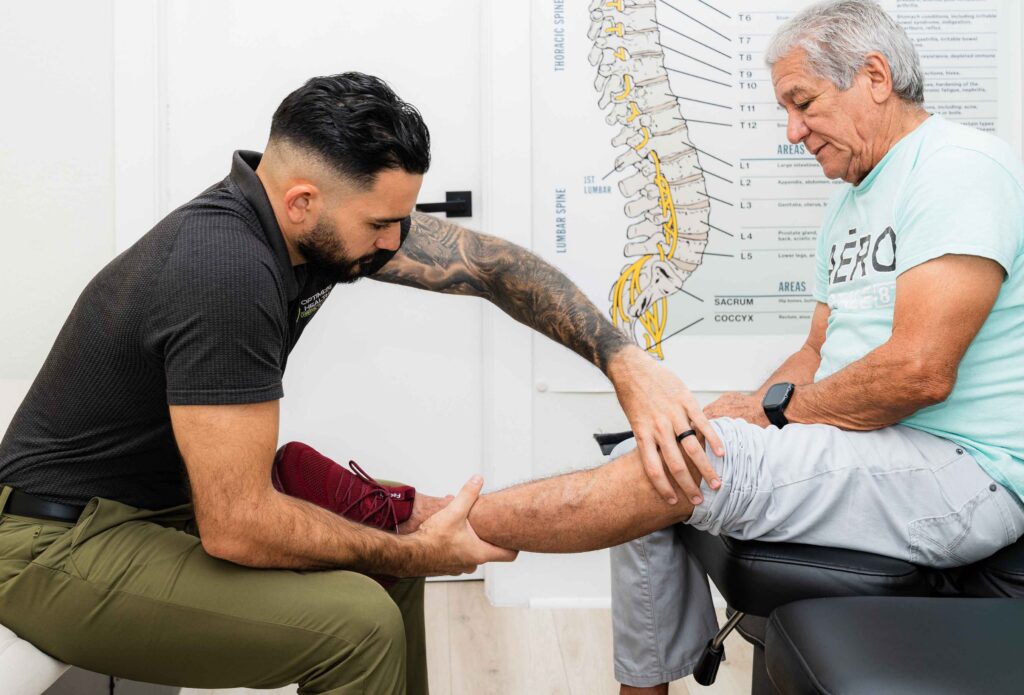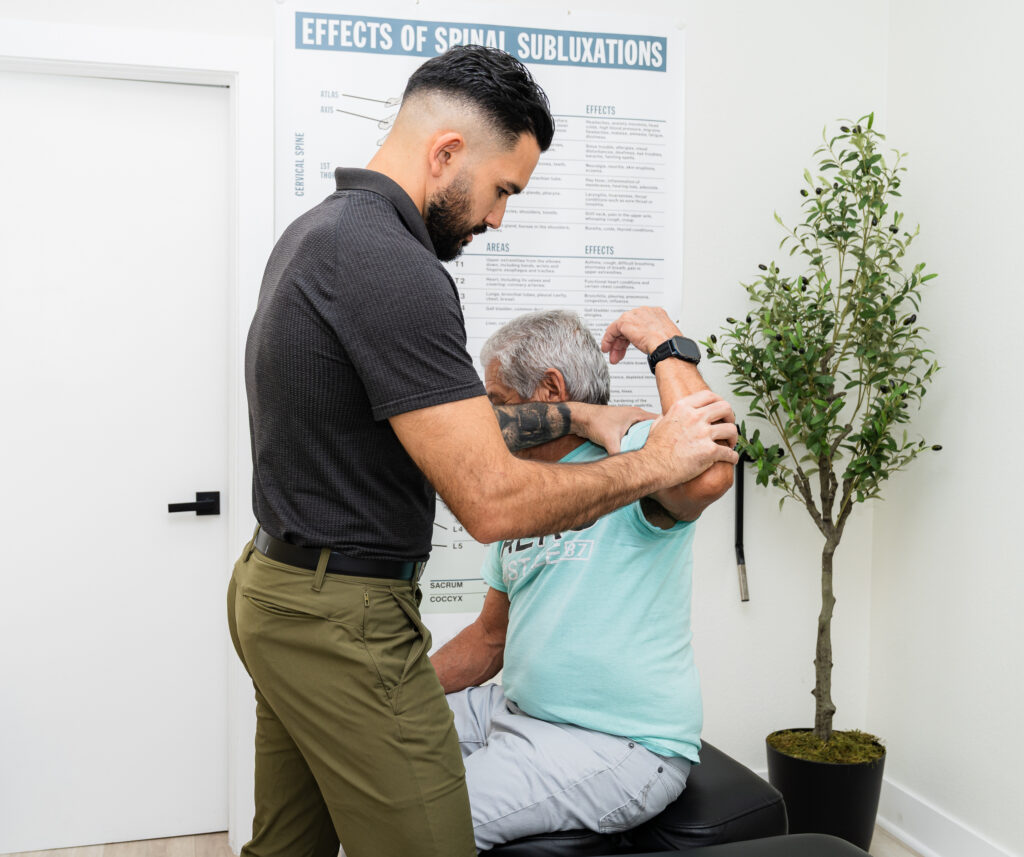

As a local chiropractor, I understand that back pain can significantly impact your daily life. Many people are unaware that there are natural ways to manage and alleviate this discomfort. By focusing on simple adjustments and lifestyle changes, you can find relief without the need for medication.
One of the first steps I recommend is improving your posture. Poor posture can lead to a range of issues, including back pain. Additionally, exploring alternative therapies, such as chiropractic adjustments, can help realign your spine and reduce tension in your muscles.
Curious about how to effectively implement these strategies? Let’s delve into each step together, so you can reclaim your comfort and mobility. Remember, natural healing is an empowering journey, and I’m here to guide you every step of the way.
Maintain Good Posture
As a local chiropractor dedicated to your health and wellness, I want to emphasize the importance of maintaining good posture. Not only can it significantly reduce your risk of back pain, but it also enhances your overall well-being.
When you stand tall with your shoulders back and your spine aligned, you’re allowing your body weight to be distributed evenly. This proper alignment minimizes strain on your muscles and ligaments, which can lead to reduced fatigue and discomfort.
When you’re sitting, it’s crucial to ensure that your feet are flat on the ground, your knees form a right angle, and your back is supported. It’s wise to adjust your workspace to encourage this healthy posture, whether you’re using a desk chair at the office or working from home.
As you walk, remember to keep your head up and align your hips with your feet. This simple adjustment can help prevent unnecessary pressure on your spine, promoting better health and reducing the risk of injury.
Engage in Regular Exercise
As your local chiropractor, I want to emphasize the importance of regular exercise in managing back pain effectively.
Engaging in specific types of exercises, particularly stretching and strengthening movements, can offer you significant relief. It’s crucial to stay consistent with your exercise routine, as this won’t only help you build resilience but also improve your overall back health.
By incorporating these natural healing methods into your lifestyle, you can enhance your well-being and reduce discomfort.
Types of Beneficial Exercises
As a local chiropractor dedicated to your well-being, I want to share how regular exercise can be an invaluable asset in managing back pain and enhancing spinal health.
By integrating specific exercises into your daily routine, you can’t only strengthen your back muscles but also improve flexibility and alleviate discomfort.
Here are some exercises I recommend for your consideration:
- Stretching: Incorporating gentle stretches, such as the cat-cow pose or child’s pose, can be incredibly beneficial. These movements help to relieve tension in your back and improve your overall mobility, making everyday activities easier and more comfortable.
- Strengthening: It’s essential to focus on exercises that build your core strength. Activities like planks or bird-dogs are excellent choices because they provide crucial support to your spine, helping to stabilize and protect it from injury.
- Low-impact aerobic activities: Engaging in low-impact aerobic exercises such as walking, swimming, or cycling isn’t only enjoyable but also promotes healthy blood flow. These activities help you maintain a healthy weight, which is vital in reducing the strain on your back and preventing future discomfort.
Remember, incorporating these exercises into your routine can be a natural and effective way to support your spinal health.
If you have any questions or would like personalized recommendations, feel free to reach out during your next visit!
Importance of Consistency
As your local chiropractor, I want to emphasize the importance of consistency when it comes to finding lasting relief from back pain through exercise. Committing to a regular workout routine not only helps strengthen your muscles but also improves your flexibility and supports the health of your spine.
I recommend aiming for at least 30 minutes of exercise on most days of the week.
It’s important to understand that you don’t have to engage in intense workouts to see benefits; gentle activities like walking or yoga can significantly impact your recovery and well-being. Staying consistent with your exercise routine will lead to noticeable improvements in your pain levels and overall mobility.
Remember, it’s not about having one intense session; rather, it’s the cumulative effect of regular movement that truly matters.
I encourage you to discover exercises that you enjoy, establish a routine that fits into your life, and remain dedicated to your journey toward a pain-free back. Together, we can work towards achieving better spinal health and enhancing your quality of life through natural healing methods.
Incorporate Stretching Routines
As a local chiropractor, I want to emphasize the importance of incorporating stretching routines into your daily regimen, especially if you’re experiencing back pain or stiffness. Stretching can significantly alleviate discomfort and enhance your overall flexibility.
Many patients are surprised to discover how simple, effective techniques can lead to a remarkable improvement in how their bodies feel.
Let’s delve into the benefits of stretching and how you can easily integrate it into your routine. Regular stretching not only helps to relieve tension in your muscles but also promotes better posture and spinal alignment.
As we work together on your healing journey, I encourage you to explore different stretching methods that suit your needs. Simple stretches can be done at home, and I’m here to guide you through specific techniques tailored to your individual condition.
Benefits of Stretching
As a local chiropractor, I want to share with you the incredible benefits of stretching, especially when it comes to alleviating back pain. You might be surprised at how much a simple stretching routine can enhance your overall back health and well-being.
- Increased flexibility: Engaging in regular stretching exercises can significantly improve your range of motion. This makes daily activities—like bending, lifting, and even sitting—much easier and more comfortable for you.
- Muscle tension relief: By incorporating specific stretches into your routine, you can target areas of tightness and tension. This not only reduces discomfort but also allows your muscles to relax, promoting a sense of relief and comfort.
- Improved posture: Consistent stretching can help align your spine more effectively. This improved posture is crucial for preventing strain and injuries over time, ensuring that you maintain a healthy back as you go about your daily life.
Incorporating stretching into your routine is a natural way to support your spinal health and overall wellness.
If you have any questions or would like personalized stretching recommendations, feel free to reach out during your next visit!
Effective Stretching Techniques
As a local chiropractor, I want to share some effective stretching techniques that can help relieve back pain and improve your overall mobility. Understanding how to stretch properly can make a significant difference in your recovery and comfort.
First, let’s start with the cat-cow stretch. This gentle movement helps mobilize your spine by alternating between arching and rounding your back. It’s an excellent way to warm up your back muscles.
Next, the child’s pose is a fantastic stretch for your lower back and hips, allowing for gentle elongation in those areas.
If you’re experiencing tight hamstrings, I recommend incorporating seated forward bends into your routine. As you lean forward, make sure to keep your back straight; this not only stretches your hamstrings but also protects your spine.
Additionally, don’t overlook the piriformis stretch, which targets the glute muscles and can relieve tension in your lower body.
For maximum benefit, hold each stretch for 20-30 seconds and remember to breathe deeply. This breathing technique enhances relaxation and allows your muscles to release tension more effectively.
Finally, including spinal twists in your stretching routine can improve flexibility and further alleviate any built-up tension.
Regularly practicing these stretches can significantly help alleviate back pain and enhance your overall mobility. If you have any questions about how to incorporate these stretches into your routine, feel free to reach out during your next visit. Your journey to better back health starts with understanding the importance of these techniques!
Utilize Heat and Cold Therapy
As a local chiropractor dedicated to helping you manage your back pain naturally, I want to share some effective strategies involving heat and cold therapy. These methods can significantly relieve discomfort and promote healing when applied correctly.
- Heat Therapy: Using a heating pad or a warm towel can be incredibly beneficial for soothing tense muscles. By increasing blood flow, heat therapy helps ease stiffness and discomfort, allowing you to move more freely.
- Cold Therapy: On the other hand, applying an ice pack or a bag of frozen peas wrapped in a cloth to your back is a fantastic way to combat inflammation. Cold therapy numbs sharp pain and reduces swelling, especially after physical activity or a long day on your feet.
- Alternating Treatments: To maximize your relief, consider alternating between heat and cold therapy. Start with cold therapy for 15-20 minutes to reduce swelling, followed by heat for a similar duration to relax muscles. This approach not only stimulates circulation but also enhances the overall effectiveness of both treatments.
Incorporating these simple techniques into your routine can help you manage your back pain more effectively, complementing the chiropractic care you receive.
Stay Hydrated
As your local chiropractor, I want to emphasize the importance of staying hydrated in managing back pain. Proper hydration is crucial for maintaining the elasticity of your spinal discs and supporting overall muscle function.
When your body is dehydrated, these discs can lose their cushioning ability, which may lead to increased pain and discomfort.
I recommend aiming for at least eight glasses of water each day to ensure your body functions effectively. If you’re physically active or live in a warmer climate, you may need to increase your intake even further.
Keeping a water bottle with you can serve as a great reminder to drink water throughout the day.
Additionally, incorporating hydrating foods into your diet—such as cucumbers, oranges, and strawberries—can further enhance your fluid intake.
Always listen to your body; if you feel thirsty, don’t hesitate to grab a glass of water. Staying hydrated is a simple yet powerful way to support your back health and help alleviate any pain you might be experiencing.
Optimize Your Sleep Environment
As a local chiropractor dedicated to your well-being, I want to emphasize the importance of optimizing your sleep environment, especially if you’re dealing with back pain.
Selecting the right mattress and a supportive pillow can greatly enhance your comfort and help alleviate discomfort during the night.
Additionally, your sleep position is crucial; the way you rest can significantly impact the quality of your sleep and your overall health.
By making these adjustments, you can create a more restorative sleep environment that supports your spine and promotes healing.
Ideal Mattress Selection
As a local chiropractor, I often see patients struggling with back pain, and one crucial factor that can greatly influence your relief is the mattress you choose.
A well-suited mattress plays a vital role in maintaining proper spinal alignment, alleviating pressure points, and ultimately improving your sleep quality. When you wake up on the right mattress, you’re more likely to feel rejuvenated rather than sore.
Here are some essential features to consider when selecting the mattress that best suits your needs:
- Medium-firm support: This level of firmness strikes a balance by providing adequate support for your spine while still offering some cushioning for your comfort.
- Material choice: Options like memory foam or latex can adapt to your unique body shape, delivering personalized support where you need it most.
- Durability: Investing in a high-quality mattress not only ensures long-term support and relief but also helps prevent sagging, which can exacerbate back pain over time.
Remember to take your time in finding the right mattress that addresses your individual requirements—your back will be grateful for it!
If you have any questions about how your mattress choice can impact your overall spinal health, feel free to reach out to me.
Supportive Pillow Choice
As a chiropractor dedicated to helping you achieve optimal health and wellness, I want to emphasize the crucial role that your pillow plays in alleviating back pain and enhancing your sleep quality. Just as a good mattress is vital for your comfort, a supportive pillow is essential for maintaining the proper alignment of your head, neck, and spine. This alignment can significantly reduce discomfort and promote better overall health.
When selecting a pillow, it’s important to consider your preferred sleeping position. For instance, if you sleep on your back, a firmer pillow may provide the necessary support, while side sleepers often benefit from a softer, more contouring option. Memory foam or latex pillows are excellent choices, as they offer both support and the ability to conform to your unique shape.
Additionally, pay attention to the height of your pillow. A pillow that’s too high or too low can put strain on your neck and back, leading to discomfort. Regularly replacing old, worn-out pillows is also vital, as they can lose their supportive properties over time.
By taking the time to choose the right pillow, you’re not just investing in better sleep but also in your overall well-being. This simple change can be a significant step towards reducing back pain and enhancing your quality of life.
Sleep Position Matters
As a local chiropractor, I want to emphasize the importance of your sleep position in relation to back pain and overall restorative rest.
While choosing the right pillow is key, your sleep posture can significantly affect how well your spine is aligned and how much pressure is relieved during the night.
Here are some tips to help you optimize your sleep position for better spinal health:
- Sleep on your side: This position is often recommended as it helps to reduce strain on your back while keeping your spine in alignment. It allows for a more natural curve of the spine, which can prevent discomfort.
- Choose a supportive mattress: A medium-firm mattress is ideal as it strikes a balance between comfort and support. This type of mattress can help maintain the natural curvature of your spine and prevent sinking too deeply, which can lead to misalignment.
- Use a pillow between your knees: Placing a pillow between your knees when you sleep on your side can be incredibly beneficial. It helps keep your hips aligned and reduces pressure on your lower back, promoting a more restful sleep.
By making small adjustments to your sleep position and environment, you can support your chiropractic care and enhance your overall well-being.
If you have any questions or need further guidance, please feel free to reach out!
Practice Mindfulness and Relaxation Techniques
As your local chiropractor, I want to share with you how practicing mindfulness and relaxation techniques can significantly help alleviate back pain, particularly by enabling you to manage stress and tension within your body.
Many people are unaware of how stress can impact their muscles and posture, which is where mindfulness comes into play.
I encourage you to find a quiet space where you can sit comfortably. Begin by taking deep, intentional breaths—inhale slowly through your nose, allowing your abdomen to rise, and then exhale gently through your mouth. This simple practice can help ground you in the present moment and enhance your awareness of your body’s reactions to stress.
Another effective technique is progressive muscle relaxation. This involves tensing each muscle group for a few seconds and then releasing that tension. You’ll notice how this allows your body to relax and can reduce the tightness often associated with back pain.
Incorporating short meditation sessions into your daily routine can also be incredibly beneficial. There are various apps and online resources available that offer guided sessions, which can help you maintain consistency in your practice.
By regularly engaging in these mindfulness and relaxation techniques, you’ll likely find it easier to release tension, ultimately leading to significant relief from back pain.
Consider Alternative Therapies
As a local chiropractor, I want to share how exploring alternative therapies can significantly complement your mindfulness practices and enhance your efforts in relieving back pain.
These holistic approaches focus on nurturing both your body and mind, providing a comprehensive way to manage discomfort. Here are a few therapies to consider:
- Acupuncture: This ancient practice involves inserting thin needles into specific points on the body. It can help release built-up tension and improve your energy flow, potentially leading to reduced pain levels.
- Chiropractic Care: Regular visits to a chiropractor can be a game-changer for your spine health. By realigning your spine through gentle adjustments, we can help reduce strain and enhance your overall mobility, which may significantly alleviate back pain.
- Massage Therapy: Therapeutic massage is another excellent option. It specifically targets tight muscles and encourages better circulation. This can help promote relaxation and ease discomfort, making it a beneficial addition to your pain management routine.
By incorporating these therapies into your wellness journey, you can achieve a more balanced approach to back pain relief.
Don’t hesitate to reach out if you have any questions or would like to learn more about how these options can work for you!
Adjust Your Workspace Ergonomics
As a local chiropractor, I want to emphasize the importance of workspace ergonomics in minimizing back pain, especially for those of you who may not be familiar with chiropractic care and natural healing. Proper adjustments to your work environment can significantly impact your spinal health.
First and foremost, it’s crucial that your chair provides adequate support for your lower back. This support helps maintain the natural curve of your spine. Ensure your feet are flat on the floor, and your knees are bent at a 90-degree angle. If your feet don’t reach the ground, using a footrest can be a simple yet effective solution.
Next, let’s talk about your computer monitor. It should be positioned at eye level to avoid unnecessary strain on your neck, promoting a more relaxed and natural posture. Additionally, keep your keyboard and mouse close to your body to prevent overextending your arms, which can lead to discomfort.
I can’t stress enough the importance of taking regular breaks. Stand up, stretch, and walk around periodically to alleviate tension and enhance circulation. This practice not only helps your body feel better but also boosts productivity.
Lastly, consider implementing a standing desk or an adjustable workstation. Alternating between sitting and standing throughout your day can offer relief and support your overall well-being.
Seek Professional Guidance
Even if you’ve set up your workspace perfectly, persistent back pain can still creep in. This is where chiropractic care can make a significant difference. As a local chiropractor, I want to emphasize the importance of seeking professional guidance when you’re facing such discomfort.
Here’s how chiropractic care can help you:
- Comprehensive Assessment: During your initial visit, I’ll conduct a thorough evaluation of your posture, muscle strength, and flexibility. This helps us identify underlying issues that may be contributing to your pain, many of which you mightn’t even be aware of.
- Personalized Treatment Plans: Based on the assessment, I may recommend a variety of treatment options, including spinal adjustments, targeted exercises, and stretches. These natural healing methods can effectively alleviate pain and improve your overall function.
- Continuous Support and Education: Chiropractic care doesn’t stop after one session. I believe in regular check-ins to monitor your progress and adjust your treatment plan as needed. Additionally, I’ll educate you on ways to maintain a healthy back, so you can prevent future issues.
Your body communicates with you, and it’s essential to listen to those signals. By seeking chiropractic care, you’re not just looking for relief; you’re empowering yourself with knowledge and tools for a healthier life.
Taking this step can lead you back to enjoying the activities you love, pain-free. Let’s work together to achieve that!
Conclusion
As a local chiropractor dedicated to your health, I want to share ten effective steps to alleviate back pain naturally and enhance your overall well-being. First and foremost, focus on maintaining good posture throughout your daily activities. Regular exercise is vital, as it strengthens the muscles that support your spine. Don’t underestimate the power of stretching and staying hydrated; both play a crucial role in keeping your back healthy.
In addition to these foundational practices, incorporating mindfulness techniques and exploring alternative therapies, such as chiropractic adjustments, can significantly improve your pain relief. Moreover, assessing and adjusting your workspace ergonomics can make a substantial difference in how your body feels.
If you find that your pain persists despite these efforts, please don’t hesitate to seek professional guidance. As your chiropractor, I am here to help you navigate your journey to better health. Taking charge of your well-being is essential—your back will thank you for it!