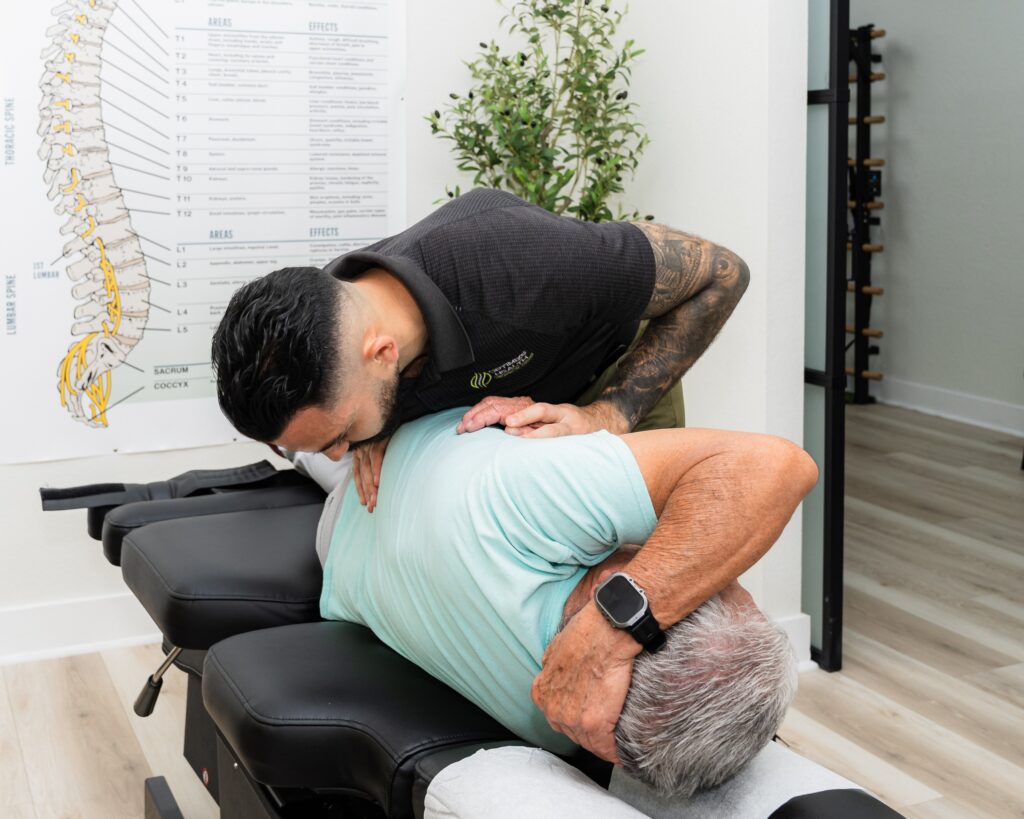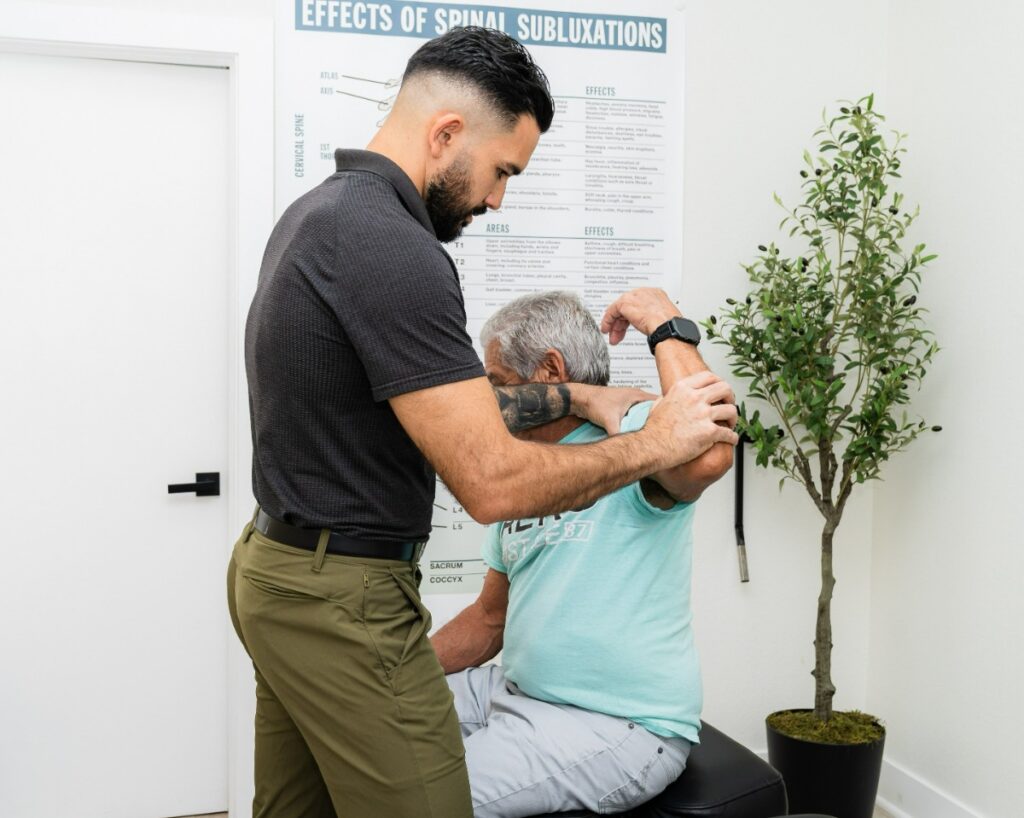

As a local chiropractor, I understand that back pain can be a persistent issue for many individuals, but I’m here to tell you that it doesn’t have to be a part of your life. By making simple adjustments to your daily routine, you can significantly reduce your risk of discomfort and enhance your overall well-being.
Maintaining good posture is crucial; it not only helps alleviate strain on your back but also promotes better alignment of your spine. I encourage my patients to be mindful of their posture whether sitting at a desk, standing, or even while sleeping.
Incorporating regular exercise into your routine is another powerful strategy. Engaging in activities that strengthen your back, improve flexibility, and promote overall fitness can make a meaningful difference.
Are you ready to learn more about these practical tips that can lead to a healthier back? Let’s explore some lifestyle changes together that can truly make a positive impact on your spinal health and overall quality of life.
Maintain Good Posture
As a local chiropractor, I want to emphasize the importance of maintaining good posture for your overall health and well-being, particularly in preventing back pain. Many people don’t realize that the way you sit, stand, or walk can significantly impact your spine and body alignment. When your spine is straight and your shoulders are relaxed, it reduces pressure on your back and helps distribute your weight more evenly.
To enhance your posture, it’s crucial to be mindful of your body position throughout the day. When seated, ensure your feet are flat on the floor and that your back is well-supported. If you spend long hours at a desk, consider using ergonomic chairs designed to promote better posture.
When standing, try to distribute your weight evenly across both feet and avoid locking your knees, as this can lead to misalignment and discomfort.
I encourage you to regularly check in with your posture, especially during tasks that require concentration. By practicing these simple habits, you can make a significant difference in how your back feels.
Prioritizing good posture is a proactive step towards a healthier spine and can greatly reduce the risk of pain. Remember, your posture is a reflection of your overall health, and as your chiropractor, I’m here to help guide you in the right direction!
Incorporate Regular Exercise
As your local chiropractor, I want to emphasize the importance of incorporating regular exercise into your daily routine to help prevent back pain. Engaging in physical activity is crucial because it strengthens the muscles that support your spine, promoting better alignment and posture.
I recommend a balanced approach that includes a variety of exercises. Aim for a combination of aerobic activities like walking, swimming, or cycling—these not only keep your heart healthy but also engage your back and core muscles.
Additionally, strength training is vital, particularly for your back, abdomen, and hips. Incorporating exercises such as planks, bridges, and back extensions can significantly enhance your stability and reduce strain on your spine.
Don’t overlook the importance of core workouts, either. A strong core is essential for overall body support and helps maintain proper posture, which is fundamental in preventing back pain.
To get started, create a realistic exercise schedule that includes at least 150 minutes of moderate exercise each week. It’s important to listen to your body; if something feels off, don’t hesitate to modify your activities.
Stretch Daily
As your local chiropractor, I want to emphasize the importance of regular exercise for maintaining a healthy back, but it’s equally crucial to incorporate daily stretching into your routine to prevent pain and discomfort.
Stretching helps enhance flexibility and promotes better blood circulation to your muscles, which can significantly alleviate stiffness—especially if you find yourself sitting or standing for prolonged periods.
I encourage you to integrate stretches that focus on your back, hips, and legs into your daily habits. Simple movements, such as the cat-cow pose or a hamstring stretch, can yield remarkable benefits.
Aim to dedicate at least 10 minutes each day to stretching.
It’s essential to listen to your body. If you notice any tightness, take a moment to stretch that area. You don’t need to be a yoga expert; just aim for a gentle range of motion.
Use Proper Ergonomics
As a local chiropractor, I want to emphasize the importance of proper ergonomics in your workspace to prevent back pain and enhance your overall comfort. Many people are unaware of how their desk setup, posture, and the tools they use can significantly impact their spinal health.
First, let’s talk about adjusting your desk setup. Make sure your desk and chair are at the right height, allowing your feet to rest flat on the ground and your knees to be at a 90-degree angle. This simple adjustment can help alleviate unnecessary strain on your back.
Next, maintaining correct posture is crucial. When sitting, keep your back straight and shoulders relaxed. Your elbows should be close to your body and form another 90-degree angle. Being mindful of your posture throughout the day can prevent discomfort and promote better spinal alignment.
Finally, consider investing in ergonomic tools, such as a chair with lumbar support or a standing desk. These tools are designed to support your body’s natural alignment and reduce the risk of injury.
By making these changes in your workspace, you can protect your back and improve your overall well-being. Remember, your spine is vital to your health, and taking steps to care for it can make a profound difference.
If you have any questions or need personalized advice, feel free to reach out to me. Your journey to better health starts with understanding the importance of ergonomics!
Desk Setup Optimization
As a local chiropractor committed to your well-being, I want to emphasize the importance of proper ergonomics in your desk setup to help you avoid back pain and maintain a healthy spine.
First and foremost, ensure your chair is adjusted to the right height. Your feet should rest flat on the ground, and your knees should form a 90-degree angle. This is crucial for proper posture.
Next, position your monitor at eye level, approximately an arm’s length away. This will help prevent strain on your neck, which is often a common complaint among those who spend long hours at their desks.
I recommend using a chair that offers lumbar support to maintain the natural curve of your spine, as this can greatly alleviate discomfort.
Keep your keyboard and mouse within easy reach so that your elbows can stay close to your body and your wrists remain straight while typing or using the mouse. If your feet don’t comfortably reach the floor, consider using a footrest for added support.
Lastly, don’t forget the importance of taking regular breaks. Stand up, stretch, and move around to promote better circulation and reduce tension in your muscles.
Correct Posture Techniques
As a local chiropractor, I want to emphasize the importance of maintaining correct posture for your overall health and well-being. Many people may not be aware, but proper posture is a key factor in preventing back pain and other related issues.
When you’re sitting, it’s crucial to keep your back straight and your shoulders relaxed—avoid slouching as it can lead to discomfort. Your feet should be flat on the floor, with your knees positioned at or slightly below hip level. This helps in distributing your weight evenly and reducing strain on your spine.
If you’re standing, make sure to distribute your weight evenly on both feet and avoid locking your knees, as this can create tension in your lower back. When lifting objects, always bend at your hips and knees instead of your waist, and keep the item close to your body to minimize strain.
Also, pay attention to your head position; it should be aligned with your spine, not jutting forward, which is a common posture issue in today’s tech-driven world. Regularly check in with your body throughout the day to adjust your posture.
By doing so, you can reduce strain on your muscles and joints, ultimately promoting long-term wellness.
Ergonomic Tools and Equipment
As a local Chiropractor, I want to emphasize the importance of using ergonomic tools and equipment to help reduce your risk of back pain, particularly if you find yourself sitting at a desk for extended periods.
One of the first steps you can take is to invest in an adjustable chair that provides adequate support for your lower back, ensuring that your feet can rest flat on the floor. It’s essential to have a desk that’s appropriately sized for your height to help you maintain good posture throughout your workday.
Additionally, consider using a keyboard and mouse that are designed to minimize strain on your wrists. This simple adjustment can make a significant difference in your overall comfort.
I also recommend using a monitor stand to keep your screen at eye level, which can help prevent neck strain and improve your posture.
Don’t overlook the benefits of other ergonomic tools, such as footrests and document holders, which can further enhance your comfort while you work.
By equipping your workspace with these ergonomic solutions, you’ll not only promote better posture but also alleviate pressure on your back. This proactive approach can lead to a more productive and pain-free day, which is crucial for your overall well-being.
Stay Hydrated
As a local chiropractor, I want to emphasize the importance of staying hydrated for your overall health and well-being, particularly when it comes to your back.
Proper hydration plays a crucial role in how your muscles function. When you’re adequately hydrated, your muscles operate more efficiently, which can help alleviate tension and discomfort in your back.
I encourage you to make it a habit to drink plenty of water throughout the day to support your body’s needs.
Importance of Water Intake
As a local chiropractor, I want to emphasize how vital hydration is for your overall health, especially when it comes to preventing back pain. Many people may not realize that staying properly hydrated supports the structural integrity of your body, which is crucial for a healthy spine.
When you drink enough water, it helps keep the discs between your vertebrae well-lubricated. This lubrication is essential for shock absorption and minimizing stress on your back.
However, if you’re not drinking enough water, these discs can become stiff and less pliable, which can lead to an increased risk of injury and discomfort. I encourage you to make it a habit to drink water consistently throughout the day, aiming for at least eight glasses.
Of course, you may need to adjust this based on your activity level and the environment you’re in.
Remember, staying hydrated isn’t just about satisfying thirst; it’s a fundamental practice for maintaining a healthy spine and preventing back pain.
Hydration and Muscle Health
As your local chiropractor, I want to emphasize the importance of hydration for your muscle health and overall well-being. When you maintain proper hydration, your muscles can function more efficiently, which significantly helps in preventing strains and injuries.
Water is crucial for maintaining muscle elasticity and can help you avoid painful cramps. I encourage you to make it a daily habit to drink enough water. Dehydration can lead to muscle stiffness, which reduces your range of motion and increases the likelihood of experiencing back pain.
A good target to aim for is at least eight 8-ounce glasses of water each day, but feel free to adjust this based on your activity level and the climate you’re in. During your workouts, keep a water bottle handy, and don’t forget about incorporating water-rich foods such as fruits and vegetables into your diet.
It’s also important to pay attention to your body’s signals—thirst and the color of your urine can be good indicators of your hydration status. By prioritizing hydration, you’re not only supporting your muscle health but also enhancing your overall well-being and reducing the risk of back pain.
Manage Stress Effectively
As a local chiropractor, I want to emphasize the importance of managing stress effectively for your overall wellbeing and to help prevent back pain. Stress is a common part of life, but when left unchecked, it can lead to muscle tension and discomfort in the back. This is where chiropractic care can play a vital role in your health journey.
Incorporating relaxation techniques into your daily routine is essential. Practices such as deep breathing exercises, meditation, and yoga aren’t only beneficial for reducing stress but can also complement the adjustments I provide. These techniques help to unwind your body and release built-up tension, allowing for a more effective treatment.
Physical activity is another crucial component. Regular exercise not only elevates your mood but also strengthens your back muscles, providing better support for your spine. Remember, strengthening your body can be just as important as the adjustments we make in the clinic.
Quality sleep is vital for recovery and stress management. It’s during sleep that your body heals and recharges, so make it a priority to establish a consistent sleep routine.
Establishing healthy boundaries in both your personal and professional life can significantly reduce stress levels. It’s okay to say no when necessary, and don’t hesitate to seek support from loved ones when you feel overwhelmed.
By taking these proactive steps, you can manage stress more effectively and protect your back health for the long run.
If you’re experiencing back pain or stress-related issues, consider visiting a chiropractor. Together, we can create a comprehensive plan that addresses your needs and promotes your overall health and wellness.
Conclusion
As a local chiropractor dedicated to your well-being, I want to share some valuable lifestyle tips that can help you prevent back pain and enhance your overall health. First and foremost, it’s essential to maintain good posture throughout your daily activities. This simple habit can make a significant difference in your spinal health.
Incorporating regular exercise into your routine is another crucial step. Engaging in activities that strengthen your core and promote flexibility can alleviate stress on your back. Additionally, don’t underestimate the power of daily stretching; it helps keep your muscles limber and reduces tension.
Setting up an ergonomic workspace is vital, especially if you spend long hours sitting. Proper alignment of your chair, desk, and computer can greatly reduce strain on your back. Remember to stay hydrated as well; adequate water intake supports overall bodily functions, including muscle health.
Lastly, managing stress effectively plays a key role in preventing back pain. Practices such as mindfulness, yoga, or even simple breathing exercises can help keep your stress levels in check.
By making these small yet impactful changes, you can take charge of your back health and enjoy a more active and fulfilling life. Remember, prioritizing your well-being today sets the foundation for a pain-free tomorrow! If you have any questions or need personalized guidance, don’t hesitate to reach out.