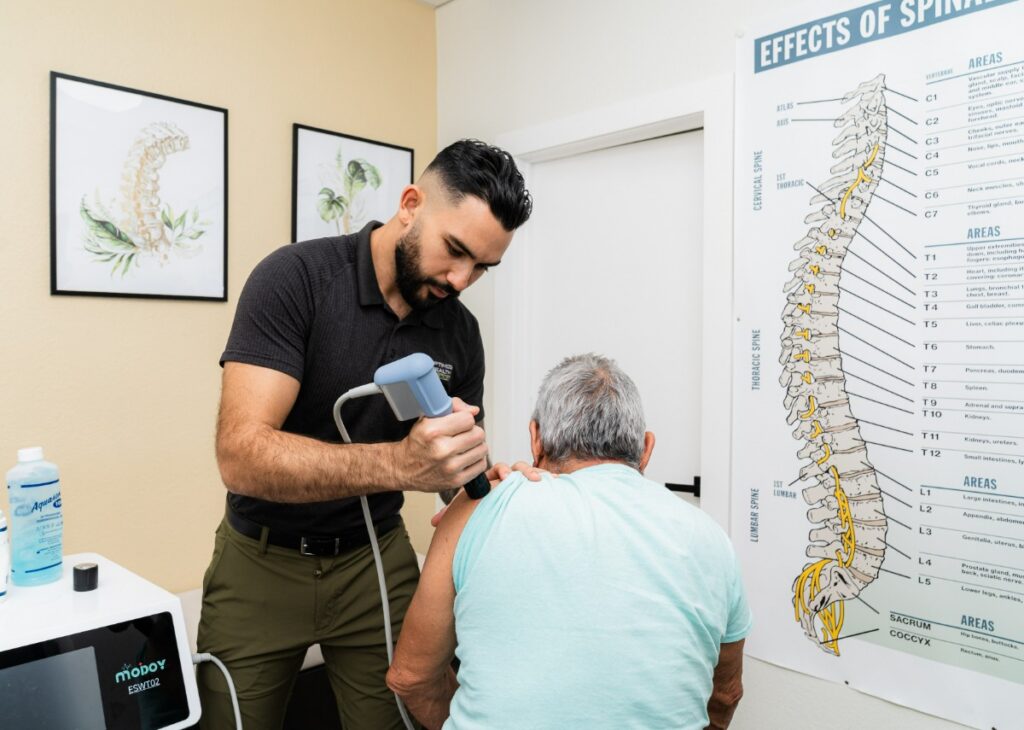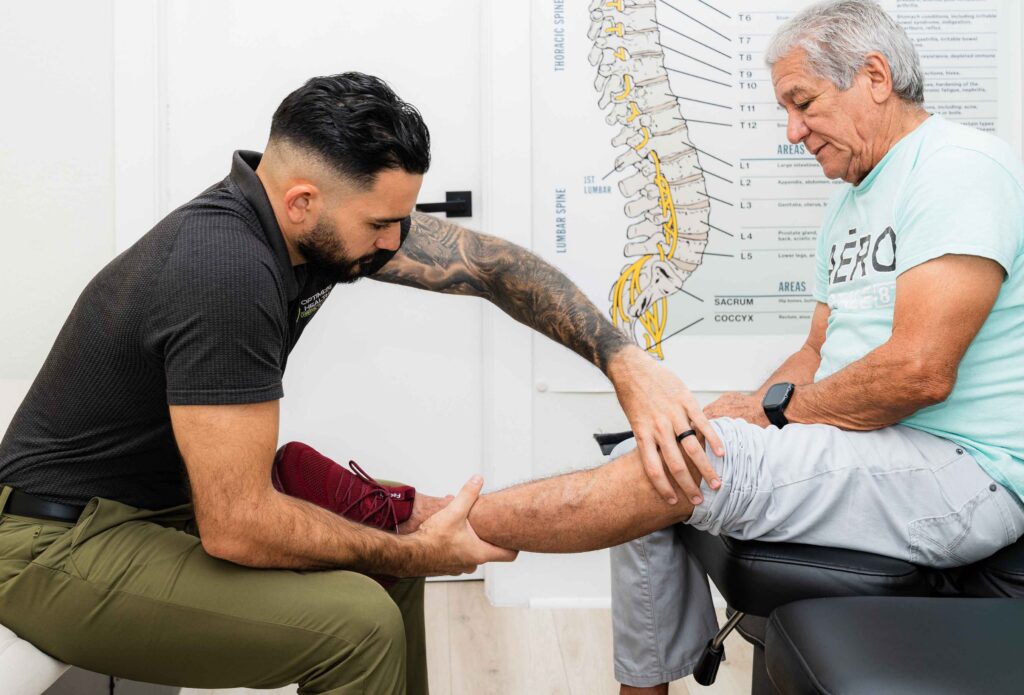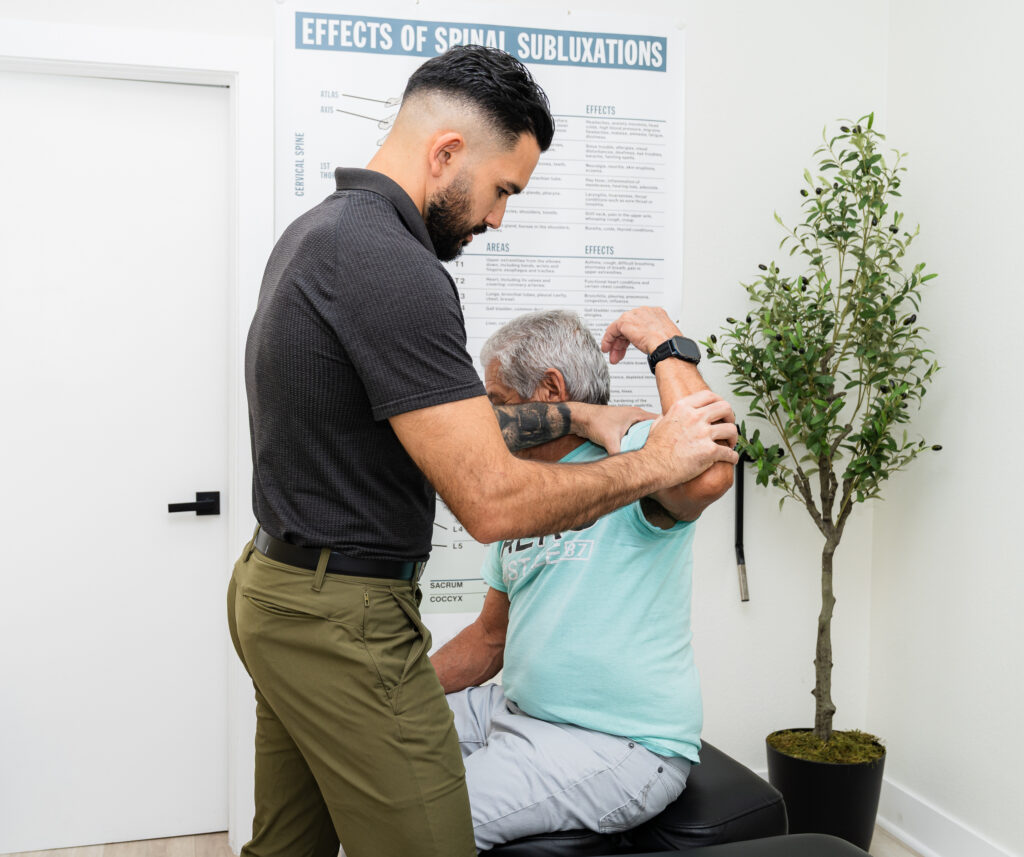

Are you looking to boost your athletic performance? As a local chiropractor, I want to introduce you to the benefits of manual therapy, a crucial aspect of chiropractic care that you may not have considered yet. This hands-on technique can effectively reduce muscle tension, enhance your flexibility, and support your recovery process, all of which are essential for optimizing your training sessions.
By exploring the various types of manual therapy we offer, you can customize your treatment to align with your specific athletic goals. Many athletes are often surprised by how these techniques can significantly enhance their training routines, allowing them to perform at their best. If you're curious about how chiropractic care and natural healing can elevate your athletic performance, I invite you to learn more and discover the transformative effects it can have on your body and training.
Understanding Manual Therapy
As a local chiropractor, I want to introduce you to the concept of manual therapy, a vital hands-on approach that I utilize to help treat musculoskeletal issues and enhance your athletic performance. You may be curious about what manual therapy involves. It encompasses a variety of techniques, including manipulation, mobilization, and soft tissue work, all designed to improve your body's function and mobility.
When you participate in sports, your muscles, joints, and connective tissues experience considerable stress. Manual therapy is instrumental in alleviating the tension and discomfort that can result from this physical strain. By applying targeted pressure and specific movements, I can help release tight muscles, boost circulation, and expand your range of motion. This often leads to a feeling of increased looseness and agility, which can significantly enhance your performance on the field.
Furthermore, manual therapy plays a crucial role in identifying and correcting biomechanical imbalances that may lead to injuries if left unaddressed. By collaborating with me, we can create a personalized treatment plan that caters to your unique needs and athletic goals.
Another important aspect of my approach is the emphasis on education. My goal isn't just to perform techniques during our sessions; I also strive to equip you with the knowledge to maintain your body's health and function outside of our appointments. This empowerment enables you to take charge of your athletic journey and optimize your performance in a natural way.
Benefits for Athletes
As a local chiropractor, I want to share with you the numerous benefits that manual therapy can offer, especially for athletes or anyone engaged in physical activity. One of the most noticeable advantages is the improvement in flexibility. When you undergo manual therapy, your muscles and joints become more supple, which enhances your range of motion. This increased flexibility can significantly boost your performance, allowing you to execute movements with greater efficiency.
Another key benefit of manual therapy is the reduction of muscle tension. During training, it's common for muscles to become tight and uncomfortable, which can hinder your performance. Regular manual therapy sessions can help alleviate this tension, making you feel more relaxed and ready to take on your next workout or competition. You'll likely find that you can push yourself harder and for longer periods without succumbing to fatigue.
In addition to enhancing performance, manual therapy plays a vital role in injury prevention. By addressing imbalances and restrictions in your body, we can help maintain proper alignment, which significantly reduces the risk of injuries. This proactive approach means you can stay at the top of your game and minimize any downtime associated with recovery.
Moreover, manual therapy can greatly enhance your overall recovery process. After intense training or competitions, your body requires time to heal. Manual therapy promotes better blood circulation, which is essential for delivering nutrients to your muscles and flushing out toxins. As a result, you may notice that you recover more quickly, allowing you to maintain a consistent and effective training schedule.
If you're curious about how manual therapy can support your athletic endeavors or improve your overall well-being, I invite you to schedule a consultation. Together, we can explore how chiropractic care and natural healing can benefit you.
Different Types of Manual Therapy
As a local chiropractor, I want to introduce you to the fascinating world of manual therapy and its benefits for your overall well-being.
You'll find that there are various techniques we use to help enhance your athletic performance and improve your daily life.
One effective method is muscle release, which focuses on alleviating tension in your muscles. This can be particularly helpful if you experience tightness or discomfort, as it promotes better relaxation and recovery.
Additionally, we utilize joint mobilization techniques, which are designed to improve your range of motion. This is essential not only for athletes but for anyone looking to maintain an active lifestyle.
By understanding these approaches, you can see how they can make a significant difference in your training, recovery, and overall health.
Our goal is to empower you with knowledge about chiropractic care and natural healing so that you can make informed decisions about your health journey.
Techniques for Muscle Release
As a local chiropractor, I want to share with you the importance of muscle release techniques in enhancing both athletic performance and overall recovery. Many people are unfamiliar with how these methods can alleviate tension, improve circulation, and promote muscle flexibility, which ultimately allows you to train harder and recover more efficiently.
One of the techniques I often recommend is myofascial release. This method focuses on the fascia, the connective tissue that surrounds your muscles. By applying sustained pressure to specific areas, we can release tight spots and help restore optimal muscle function.
Another effective technique is deep tissue massage. This involves using strong pressure to penetrate deeper layers of muscle tissue, making it particularly beneficial for breaking down knots and relieving chronic pain. If you've ever experienced tightness or discomfort in specific areas, this method can be a game-changer.
We also utilize trigger point therapy in our practice. This technique targets muscle knots by applying precise pressure, which helps to release tension and improve blood flow to the affected areas. It's a targeted approach that can provide immediate relief.
Additionally, I often incorporate Active Release Technique (ART) into treatment plans. This method combines movement with pressure, allowing you to engage your muscles while I work on releasing tightness. Not only does this address current issues, but it also helps prevent future injuries, making it a proactive approach to your health.
By integrating these muscle release techniques into your routine, you can significantly enhance your performance and well-being. Whether you're an elite athlete or someone who enjoys weekend activities, prioritizing muscle release is essential for achieving better results and enjoying your sports experience.
If you have any questions or would like to learn more about how these techniques can benefit you, feel free to reach out!
Joint Mobilization Methods
As a local chiropractor, I want to share the importance of joint mobilization methods in enhancing your overall mobility and function. These techniques involve the careful application of pressure and movement to your joints, which can help restore their normal range of motion.
If you've experienced restrictions due to past injuries or overuse, joint mobilization can play a crucial role in improving your movement and even boosting athletic performance.
Let me explain some common joint mobilization methods that you may come across:
- Grade I and II Mobilizations: These are gentle movements designed to alleviate pain and promote the circulation of synovial fluid within the joints, which nourishes and lubricates them.
- Grade III and IV Mobilizations: These techniques are more assertive and aim to enhance your range of motion while breaking down any adhesions that may have formed in your joints.
- Oscillatory Mobilizations: These involve rhythmic movements that can help stimulate your proprioception, or your body's awareness of its joint positions, enhancing your overall body awareness.
Incorporating joint mobilization into your wellness routine can lead to improved joint health and function.
By working with a qualified chiropractor like myself, we can customize these methods to meet your specific needs, ensuring you can move freely and comfortably.
Don't underestimate the impact that joint mobilization can have on your ability to stay active and live a fulfilling life!
Enhancing Flexibility
As a local chiropractor, I often emphasize the importance of flexibility for enhancing athletic performance and reducing the risk of injuries. Many people may not realize that increasing your flexibility can significantly improve your body's range of motion and overall muscle function.
By incorporating specific techniques into your daily routine, you can experience these benefits firsthand.
Let's delve into the advantages of improved flexibility and the most effective methods I recommend for achieving it. Whether you're an athlete, a weekend warrior, or simply someone looking to maintain your health, enhancing your flexibility is a key component of your wellness journey.
Through gentle adjustments, targeted stretches, and natural healing practices, I can help guide you toward better flexibility and overall health.
Benefits of Increased Flexibility
As a local chiropractor committed to promoting your overall well-being, I want to emphasize the crucial role flexibility plays in your physical health and daily functioning. When your body is more flexible, you can move more freely and efficiently, which is vital not only for athletes but for everyone. Improved flexibility can unlock a variety of benefits that enhance your daily activities and overall quality of life.
One of the most important advantages of increased flexibility is its ability to help prevent injuries. When your muscles and joints can move through their full range of motion, you reduce the risk of strains and joint injuries. This means your body is better equipped to handle everyday stresses, whether you're lifting groceries or engaging in recreational activities.
In addition to injury prevention, increased flexibility can significantly enhance your agility and balance. This is particularly beneficial in scenarios requiring quick movements, as it allows you to change direction smoothly and maintain stability. Whether you're playing a sport or simply navigating your day, flexibility can make a notable difference.
Moreover, flexibility is key to faster recovery after physical exertion. When your muscles are more flexible, they can relax and recover more effectively, which helps minimize soreness and stiffness after a long day or an intense workout.
Here are a few key benefits of increased flexibility that I encourage you to consider:
- Enhanced performance: A greater range of motion can lead to improved strength and power, which is beneficial for all physical activities.
- Better posture: Flexibility supports proper alignment of your spine and joints, reducing strain on your body and alleviating discomfort.
- Improved mental focus: A flexible body often contributes to a more relaxed mind, allowing you to concentrate better during stressful situations.
As your chiropractor, I invite you to embrace the journey toward increased flexibility. Incorporating stretches and chiropractic adjustments into your routine can help you experience these benefits and elevate your overall health.
Let's work together to help you feel your best!
Techniques for Flexibility Improvement
As a local chiropractor, I want to share some effective techniques to help you improve your flexibility, which is an essential aspect of overall health and well-being. Flexibility isn't just about being able to touch your toes; it plays a crucial role in injury prevention and enhances your body's functionality.
To start, I recommend incorporating dynamic stretching into your routine, especially before any physical activities. Simple movements like leg swings and arm circles can warm up your muscles, making them more receptive to additional stretching and reducing the risk of injury.
Post-exercise, it's vital to focus on static stretching. Holding each stretch for 15 to 30 seconds can target major muscle groups like the hamstrings, quadriceps, and shoulders. This practice helps lengthen your muscles, which in turn improves your overall flexibility.
Consider integrating yoga or Pilates into your weekly schedule. These practices aren't only beneficial for enhancing flexibility but also for promoting balance and strengthening your core. Even if you find yourself short on time, dedicating just a few minutes to deep breathing and gentle stretching can lead to noticeable improvements.
Foam rolling is another fantastic tool for enhancing flexibility. It helps release muscle tension and boosts blood flow, making it an excellent addition to your post-workout routine. Spend a few minutes focusing on any tight areas you may have.
Lastly, it's crucial to listen to your body throughout this process. Avoid pushing yourself too hard, and gradually work on increasing your range of motion as your flexibility improves.
Reducing Muscle Tension
As a local chiropractor, I want to share some insights about muscle tension and its impact on your athletic performance. Many individuals may not realize that tight muscles can significantly limit your range of motion, leading to discomfort or even injury.
By addressing muscle tension, you can improve your overall athletic abilities and work towards achieving your performance goals.
One effective way to alleviate muscle tension is through manual therapy techniques. These include methods like massage, myofascial release, and stretching, which are designed to relax tight muscles and enhance blood circulation.
Here's how you can start reaping the benefits of these techniques:
- Regular Massage: Incorporating regular massage sessions into your routine can do wonders for releasing tension and promoting relaxation. A trained therapist can focus on specific areas that tend to hold tightness, helping you feel more at ease and mobile.
- Self-Myofascial Release: You can also try using foam rollers or massage balls at home to apply pressure on tight muscle areas. This self-treatment technique is effective in breaking down knots and restoring your mobility, allowing you to feel more comfortable in your daily activities.
- Dynamic Stretching: Incorporating dynamic stretching into your warm-up routine before workouts is another great way to prepare your muscles for activity. It helps reduce the risk of muscle tension build-up, ensuring that your body is ready for the physical demands ahead.
By understanding and addressing muscle tension through these natural healing methods, you can enhance your performance and overall well-being.
If you have any questions or would like to learn more about how chiropractic care can support your journey, feel free to reach out!
Speeding Up Recovery
As a local chiropractor, I want to share the importance of speeding up recovery after you've engaged in strenuous activities. Your body requires time and support to heal properly, and chiropractic care can play a crucial role in this process.
Techniques such as manual therapy, which includes deep tissue massage, myofascial release, and trigger point therapy, are incredibly effective in promoting circulation and reducing inflammation.
When you receive chiropractic treatment, you're not just easing soreness; you're also enhancing blood flow to the affected areas. Improved circulation means that more oxygen and vital nutrients are delivered to your muscles, which can significantly accelerate your recovery.
Additionally, chiropractic care can help break down scar tissue and improve your range of motion, which is particularly beneficial after intense workouts or competitions.
I also encourage incorporating active recovery methods, such as gentle stretching or low-impact exercises, along with chiropractic adjustments. These practices keep your muscles engaged without overworking them, creating a balanced approach to recovery.
It's essential to remember the role of hydration and nutrition in your healing process. Consuming enough fluids and maintaining a balanced diet rich in proteins, vitamins, and minerals will greatly support muscle repair and overall recovery.
I recommend scheduling regular chiropractic sessions to help maintain your body's performance and prevent long-term issues. By prioritizing your recovery, you not only prepare yourself for your next workout but also ensure that you can sustain your athletic endeavors in the long run.
Taking the time to care for your body through chiropractic care will ultimately enhance your performance and well-being.
Preventing Injuries
As a local chiropractor, I often see athletes sidelined by injuries, even when they're dedicated to their sport. However, I want to emphasize that with the right strategies, you can significantly reduce your risk of injury. Prioritizing injury prevention is just as important as focusing on performance. Here are some essential practices to help you stay active and healthy.
First and foremost, it's crucial to listen to your body. Be aware of any signs of discomfort or fatigue, and never ignore pain. Pushing through these early warning signs can lead to more serious injuries down the line.
Incorporating rest days into your training routine is vital; it allows your muscles to recover and helps prevent strains and sprains.
Next, I recommend establishing proper warm-up and cool-down routines. A thorough warm-up prepares your body for the physical demands of your sport by improving flexibility and increasing blood flow to your muscles.
After your workout, a cool-down helps alleviate soreness and supports recovery, which is essential for maintaining your performance.
Lastly, consider the benefits of cross-training. Participating in different activities can strengthen various muscle groups, enhancing your overall balance and coordination.
This diversity in training helps ward off overuse injuries that often arise from repetitive movements within a single sport.
To summarize, here are some key practices to adopt:
- Make rest days a part of your training schedule.
- Emphasize dynamic warm-ups before workouts and static cool-downs afterward.
- Explore cross-training to build strength across different muscle groups.
By following these strategies, you can keep your body in optimal condition and enjoy your activities while minimizing the risk of injury.
If you have any questions or need guidance, feel free to reach out to me for personalized advice on how chiropractic care can support your journey to health and wellness.
Incorporating Manual Therapy
Incorporating manual therapy into your training routine can greatly enhance your athletic performance and facilitate recovery, and I'd like to help you understand how chiropractic care can play a key role in this process. By scheduling regular sessions with a skilled chiropractor, you can effectively address muscle tightness, improve flexibility, and promote blood flow to injured or overworked areas. This proactive approach can lead to remarkable improvements in your overall performance.
I recommend starting with manual therapy once a week or bi-weekly, depending on your training intensity and personal needs. Techniques such as deep tissue massage or myofascial release, which I utilize in my practice, can specifically target and alleviate tension in certain muscle groups, allowing you to train harder and recover more efficiently.
Listening to your body is crucial; if you experience persistent soreness or discomfort, it's a sign that prioritizing chiropractic sessions could be beneficial.
It's also important to combine manual therapy with proper warm-ups and cooldowns. This comprehensive strategy not only maximizes the benefits of therapy but also helps minimize the risk of injury. Additionally, I encourage you to consider self-myofascial release techniques at home, such as using foam rollers or massage balls, which can effectively complement your professional chiropractic care.
Open communication with your chiropractor about your training goals and any areas of concern is essential. This ensures that each session is tailored specifically to your needs.
As you incorporate chiropractic care and manual therapy into your routine, you may notice improvements in your range of motion, muscle recovery, and overall athletic performance, empowering you to achieve your goals with greater ease and confidence.
Choosing the Right Therapist
Choosing the right chiropractor is essential for optimizing your health and enhancing your athletic performance. A knowledgeable chiropractor can customize your treatment to meet your unique needs, helping you recover more efficiently and improve your overall well-being.
Here are some important factors to consider when selecting a chiropractor:
- Qualifications and Experience: Seek out a chiropractor with the appropriate credentials and a solid background in sports chiropractic care. Their experience should include working with athletes who share similar challenges to yours, ensuring they understand the specific demands of your sport and how to address them effectively.
- Specialization: Chiropractors may focus on different techniques, such as spinal adjustments, soft tissue therapy, or rehabilitation exercises. Investigate their areas of specialization and look for one whose expertise aligns with your health goals. If you're coping with a particular injury or condition, ensure they've experience treating that specific issue.
- Communication Style: Finding a chiropractor you feel comfortable communicating with is crucial. A good chiropractor will actively listen to your concerns, answer your questions, and explain their treatment approach clearly. This open communication fosters trust, allowing you to feel more relaxed and confident during your sessions.
Conclusion
As a local chiropractor, I want to share how incorporating manual therapy into your training routine can significantly enhance your athletic performance. Many individuals may not be familiar with the benefits of chiropractic care and natural healing, so let's explore how it can aid in your fitness journey.
Manual therapy, such as myofascial release and deep tissue massage, offers a plethora of advantages—from improved flexibility to expedited recovery times. These techniques can help you prevent injuries and ensure that you can maintain a consistent training regimen. When your body is functioning optimally, you're better equipped to push your limits and achieve your performance goals.
Finding a qualified therapist is crucial in this journey. A skilled chiropractor can tailor treatments to your specific needs, helping you to enhance your strength and resilience. I encourage you to commit to regular sessions, as this proactive approach will empower you to reach new heights in your athletic endeavors.
Don't hesitate—embrace the benefits of chiropractic care and manual therapy today! Your body will thank you, and you'll be on your way to achieving your fitness aspirations with confidence.