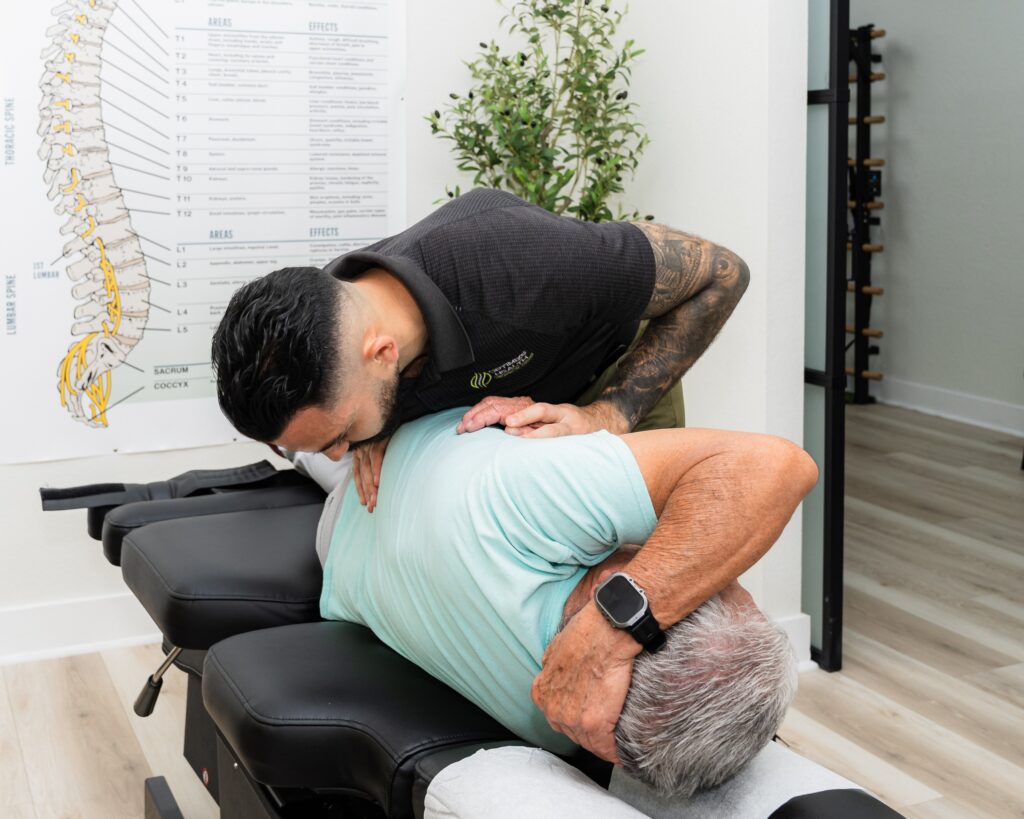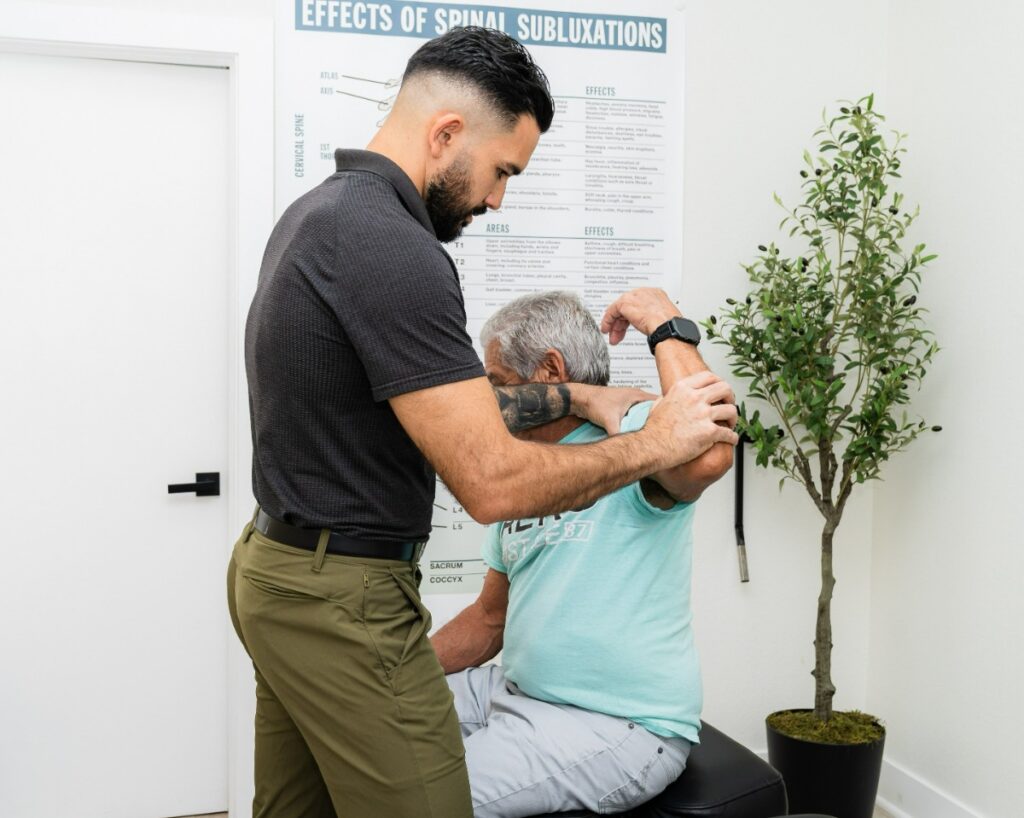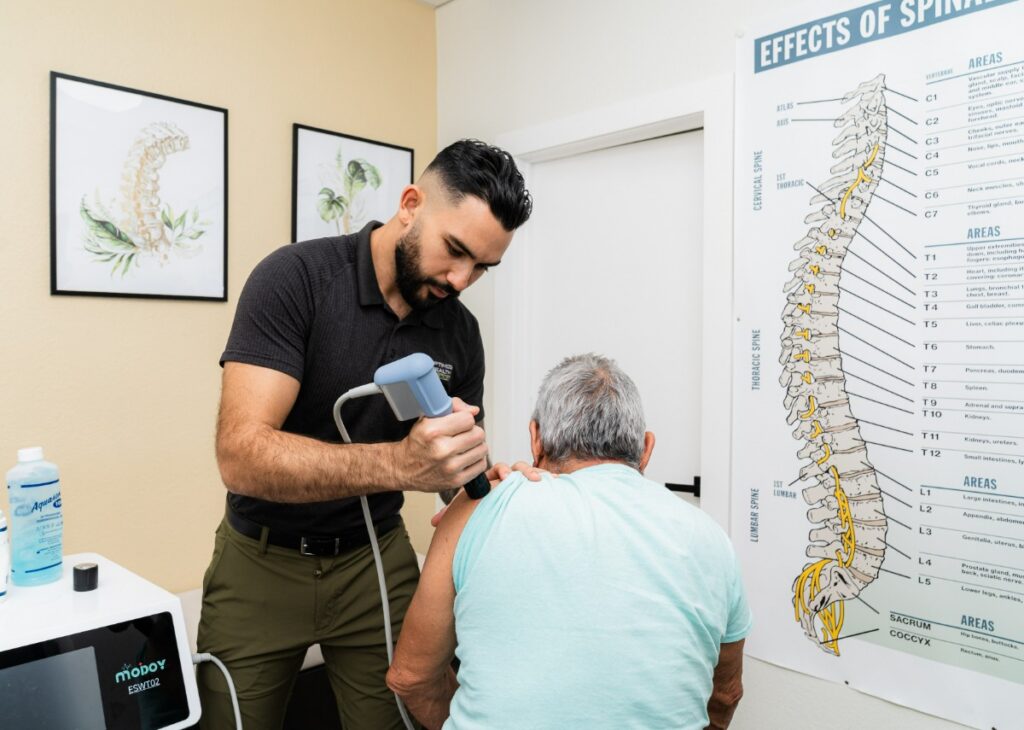

Managing chronic pain goes beyond simply reacting to flare-ups; it's about embracing a proactive approach through preventive care, which is where chiropractic care can play a vital role. As your local chiropractor, I encourage you to schedule regular appointments with me to discuss your pain levels and overall wellness. This dialogue allows us to customize a treatment plan that is tailored specifically to your needs.
Incorporating lifestyle changes is also crucial in managing pain effectively. Simple adjustments in your nutrition and regular exercise can significantly enhance your well-being. For instance, certain dietary choices can reduce inflammation, while specific exercises can strengthen the muscles supporting your spine, ultimately alleviating discomfort.
But what specific strategies can truly make a difference in your daily life? Through chiropractic adjustments, we can realign your spine, improve your posture, and enhance your body's natural ability to heal. This holistic approach empowers you on your journey to pain management. By exploring these chiropractic techniques and lifestyle modifications together, we can uncover insights that may have a profound impact on your quality of life.
Understanding Chronic Pain
Chronic pain is a condition that often persists long after the initial injury or illness has healed, affecting not only your physical well-being but also your emotional health. At our chiropractic clinic, we understand that chronic pain is more than just a symptom; it can become a complex condition that disrupts your daily life and overall quality of life.
Many people may not realize that chronic pain can arise from various sources, such as arthritis, fibromyalgia, nerve damage, or even previous injuries that haven't healed correctly. As your chiropractor, I want to emphasize the importance of recognizing that the body is interconnected. When one part is out of alignment or injured, it can lead to discomfort and pain in other areas.
You may notice that your chronic pain varies from day to day. By paying close attention to these fluctuations, you can identify potential triggers or factors that may be worsening your discomfort. Additionally, it's common for chronic pain to be accompanied by symptoms like fatigue, sleep disturbances, or changes in mood, which can complicate your experience.
Addressing the emotional aspect of chronic pain is just as crucial as treating the physical symptoms. Feelings of frustration, hopelessness, or anxiety can arise, and it's essential to acknowledge these emotions. Seeking support from your network—friends, family, or professionals—can significantly help you navigate this journey.
As a chiropractor, I believe in a holistic approach to managing chronic pain. We can work together to explore natural healing strategies that address both the physical and emotional components of your experience.
Importance of Preventive Care
As a local chiropractor, I want to emphasize the importance of taking proactive steps toward your health, especially when it comes to managing chronic pain. Preventive care is key in our approach, as it focuses on identifying potential health issues before they develop into more serious problems. By prioritizing preventive care, you're not just reacting to pain; you're actively working to minimize its frequency and intensity.
Regular visits to your chiropractor allow us to monitor your condition closely and make necessary adjustments to your treatment plan. These check-ups help us catch early signs of complications, enabling us to provide timely interventions that can significantly improve your quality of life. By being informed about your health, you empower yourself to make better choices regarding your pain management.
Preventive care in chiropractic also includes lifestyle advice, exercises, and wellness strategies that can help prevent other issues from complicating your chronic pain. For example, maintaining good posture and flexibility can help you avoid injuries and infections that could exacerbate your pain.
Investing time in preventive care fosters a stronger relationship with your chiropractic team. Open communication about your symptoms and concerns allows us to create more personalized and effective treatment solutions. By taking a proactive stance, you demonstrate your commitment to your health, encouraging us to work closely with you on your journey to wellness.
Incorporating these preventive measures isn't just beneficial; it's a vital part of achieving a more manageable life with chronic pain. Remember, a little effort now can lead to significant improvements in your health and well-being down the road. Together, we can pave the way toward a healthier, pain-free future.
Lifestyle Changes for Pain Management
As your local chiropractor, I want to emphasize how making lifestyle changes can significantly enhance your approach to managing chronic pain. By focusing on your nutrition, maintaining an active lifestyle, and integrating stress management techniques, you can improve your overall well-being.
Let's take a closer look at how these adjustments can positively influence your daily life. Proper nutrition fuels your body and can reduce inflammation, while staying active helps maintain mobility and strengthens the muscles that support your spine.
Additionally, managing stress through techniques such as mindfulness or relaxation exercises can alleviate tension that often contributes to pain.
With these changes, not only can you experience relief from pain, but you can also enhance your quality of life. I'm here to support you on this journey to better health through natural healing and chiropractic care.
Nutrition and Diet Adjustments
As your local chiropractor, I want to share how your diet can significantly impact your pain levels. Managing chronic pain isn't just about adjustments and therapies; what you eat plays a crucial role in your overall well-being. Some foods can increase inflammation, while others can help reduce it. By making mindful dietary choices, you can positively influence your pain experience.
I recommend incorporating anti-inflammatory foods into your daily meals. Think about adding leafy greens, berries, fatty fish, and nuts to your diet. These foods are rich in antioxidants and omega-3 fatty acids, both of which can help lower your pain levels and support your body's healing processes.
Conversely, it's wise to limit or avoid processed foods, sugary snacks, and trans fats. These items can trigger inflammation and potentially worsen your discomfort. I encourage you to pay attention to how your body reacts to various foods; maintaining a food diary can be a helpful tool in identifying any potential triggers.
Staying hydrated is also vital. Drinking plenty of water not only supports your overall health but can also help alleviate discomfort.
Finally, I suggest consulting with a nutritionist or healthcare provider who can provide tailored dietary advice. They can help you create a nutrition plan that complements your pain management goals.
Exercise and Physical Activity
As a local chiropractor, I want to emphasize the significant role that regular exercise plays in managing chronic pain and enhancing your overall well-being. Engaging in physical activity can effectively reduce pain levels, improve your mobility, and elevate your mood.
Whether you enjoy walking, swimming, or practicing yoga, finding an exercise routine that resonates with you is crucial for your health journey.
I recommend starting slow and gradually increasing the intensity of your workouts. It's vital to listen to your body; if you experience discomfort, don't hesitate to modify the activity or take a break.
Aim for at least 150 minutes of moderate aerobic activity each week, complemented by strength training exercises on two or more days.
Incorporating stretching and flexibility exercises into your routine can also alleviate tension and enhance your range of motion.
If you're unsure where to begin, consider collaborating with a physical therapist or a chiropractor like myself. We can create a tailored program specifically for your needs, ensuring that you exercise safely and effectively while promoting natural healing throughout your body.
Let's work together towards a healthier, more active lifestyle!
#
Stress Management Techniques
Managing chronic pain goes beyond just physical adjustments; it involves addressing the stress that can worsen your symptoms. As a chiropractor, I see firsthand how stress can create a vicious cycle, increasing pain and making it more challenging to cope.
To help you break this cycle, it's essential to incorporate effective stress management techniques into your routine. One powerful method is practicing mindfulness and meditation. These techniques can help you stay focused on the present moment, reducing anxiety and fostering relaxation.
I recommend incorporating deep-breathing exercises into your day. By concentrating on your breath, you may find it easier to manage your pain. Regular physical activity is another vital component. Exercise releases endorphins, which are your body's natural stress relievers.
However, it's important to tailor your routine to prevent overexertion. Activities like yoga and tai chi can be especially beneficial, as they combine gentle movement with mindfulness, promoting both physical and mental well-being.
Don't overlook the importance of social support. Engaging with friends, family, or support groups can offer emotional relief and valuable insights. Lastly, ensure you're prioritizing sleep; adequate rest is essential for both your physical healing and mental recovery.
Role of Regular Exercise
As a local chiropractor, I want to share how regular exercise can play a crucial role in managing chronic pain. Engaging in consistent movement isn't just about staying fit; it can significantly enhance your ability to cope with discomfort.
By customizing your exercise routine to fit your individual needs, you can build your physical strength while also nurturing a strong mind-body connection that's essential for healing.
When you incorporate regular physical activity into your life, you'll likely notice improvements in your overall well-being. This holistic approach makes it easier to manage pain and can complement other chiropractic treatments effectively.
Benefits of Consistent Movement
As a local chiropractor dedicated to your overall health and well-being, I want to emphasize the significance of consistent movement in managing chronic pain. Incorporating regular exercise into your daily routine can profoundly enhance your quality of life.
When you engage in consistent movement, you're not just burning calories; you're actively supporting your body in coping with pain. Regular physical activity encourages the release of endorphins—your body's natural pain relievers—helping to elevate your mood and improve your overall sense of well-being.
By staying active, you can experience a variety of benefits, such as:
- Improved flexibility and strength: Building strength and flexibility in your body can simplify daily tasks and minimize the risk of injuries, which is vital for maintaining a healthy lifestyle.
- Better sleep quality: Engaging in physical activity can help regulate your sleep patterns, allowing you to achieve more restorative rest and combat fatigue.
- Enhanced mental health: Regular movement has been shown to reduce symptoms of anxiety and depression, providing a mental uplift that's just as crucial as your physical health.
Incorporating consistent movement into your life doesn't have to feel daunting. Start with small steps, explore activities that you genuinely enjoy, and gradually increase both the duration and intensity of your exercises.
Tailored Exercise Routines
As a local chiropractor, I want to emphasize how important it's to find the right exercise routine to help manage chronic pain effectively. Tailored exercise routines are essential because they take into account your individual needs, limitations, and pain levels. Rather than following generic programs, we focus on activities that enhance strength, flexibility, and endurance while being mindful of your specific pain triggers.
I encourage you to consult with a healthcare professional or a physical therapist who can assist in designing a personalized program for you. They'll evaluate your condition and recommend exercises that are safe and won't worsen your pain. Low-impact activities, such as swimming, walking, or cycling, can offer significant benefits without putting undue stress on your body.
It's important to establish a consistent exercise schedule while also being attentive to your body's signals. If something doesn't feel right, it's crucial to modify your routine as needed. Gradually increasing the intensity or duration of your workouts can help build strength and resilience over time.
Remember, the objective isn't to push through the pain but to create a sustainable routine that enhances your overall quality of life.
Incorporating chiropractic care into your routine can further support your recovery and pain management. Through gentle adjustments and natural healing techniques, we can help optimize your body's function and improve your overall well-being.
Let's work together to find the best approach for you!
Mind-Body Connection
As a local chiropractor dedicated to promoting natural healing, I want to share how exercise plays a vital role in enhancing the mind-body connection, particularly for those managing chronic pain.
It's important to understand that engaging in regular physical activity not only strengthens your physical body but also significantly boosts your mental well-being. This connection can profoundly influence how you perceive and handle pain.
Here are several ways that incorporating exercise into your routine can benefit your mind-body connection:
- Boosts Endorphin Production: When you exercise, your body releases endorphins, which are natural painkillers. This not only improves your mood but can also help in reducing the perception of pain. By including physical activity in your daily life, you can harness these natural benefits.
- Enhances Concentration: Consistent exercise sharpens your focus and fosters mindfulness. This heightened awareness allows you to tune into your body's signals more effectively, making it easier to understand your needs and respond to them appropriately.
- Alleviates Stress: Physical activity acts as a powerful stress reliever. By reducing stress levels, you can decrease muscle tension and pain, leading to a more relaxed state in your body. This is especially beneficial for those dealing with chronic pain, as a relaxed body is better equipped to heal and manage discomfort.
As we explore chiropractic care and natural healing methods, remember that integrating exercise into your routine can significantly enhance your overall well-being and empower you to take control of your health.
Nutrition and Chronic Pain
As a local chiropractor, I want to emphasize the vital role that nutrition plays in managing chronic pain. The foods we consume can significantly impact inflammation and our overall health. By making informed dietary choices, you can actively reduce inflammation, enhance your immune system, and improve your body's resilience against pain.
To get started, I recommend incorporating anti-inflammatory foods into your meals. Fatty fish like salmon, walnuts, and flaxseeds are excellent sources of omega-3 fatty acids, which are known for their anti-inflammatory properties. Additionally, fruits and vegetables—particularly berries, leafy greens, and cruciferous options like broccoli—are packed with essential vitamins and antioxidants that help combat inflammation.
Conversely, it's important to steer clear of processed foods, sugary snacks, and trans fats, as these can worsen inflammation and intensify pain. Instead, focus on whole grains, lean proteins, and healthy fats, which nourish your body and support its natural healing processes. Staying hydrated is also crucial; drinking plenty of water helps your body function optimally and can contribute to lower pain levels.
I also suggest keeping a food diary. This can help you identify any specific foods that may trigger your pain or discomfort. By understanding how your body reacts to different foods, you can tailor your diet to better meet your individual needs.
Furthermore, maintaining consistent meal times by eating regular, balanced meals can help stabilize your blood sugar levels, which can influence your perception of pain.
Lastly, consider natural supplements like turmeric or ginger, which may provide additional anti-inflammatory benefits. However, it's always wise to consult with your healthcare provider before introducing any new supplements to ensure they align with your health needs.
By paying attention to your nutrition and making mindful choices, you can take significant steps toward effectively managing chronic pain and enhancing your overall well-being.
## Stress Management Techniques
As a local chiropractor dedicated to enhancing your well-being, I want to emphasize the importance of stress management techniques, especially when it comes to managing chronic pain. Stress can significantly amplify your discomfort, making it essential to integrate effective strategies into your daily life. Here are a few methods I encourage you to consider:
- Deep Breathing Exercises: One of the simplest yet powerful techniques is deep breathing. By taking slow, deep breaths, you can create a calming effect on both your mind and body. Focus on inhaling deeply through your nose and exhaling fully through your mouth. This practice can alleviate tension and foster a sense of relaxation.
- Mindfulness Meditation: Mindfulness is a great way to stay grounded in the present moment and alleviate anxiety related to your pain. I recommend setting aside a few minutes each day to sit quietly, observe your thoughts, and concentrate on your breathing. This practice can help you gain a new perspective on your pain and improve your emotional response to it.
- Regular Physical Activity: Gentle exercises, such as walking or swimming, can be incredibly beneficial. These activities promote the release of endorphins, which act as natural pain relievers, while also reducing stress hormones. Regular movement can make a significant difference in managing your pain.
By incorporating these techniques into your routine, you may experience improved emotional and physical health.
It's essential to discover what resonates with you personally—stress management isn't a one-size-fits-all approach. Be patient as you explore various methods, and with consistent practice, you'll likely find these techniques will better equip you to cope with chronic pain.
Mind-Body Therapies
As a local chiropractor, I want to share how stress management techniques can lead you to explore mind-body therapies, which can provide innovative approaches to relieving chronic pain.
These therapies emphasize the important connection between your mind and body, allowing you to tap into your mental resources to help alleviate physical discomfort.
Practicing mindfulness is a key component of these therapies. It teaches you to stay present and aware of your body sensations without judgment. By developing this awareness, you can better identify triggers for your pain and manage your responses more effectively.
Additionally, meditation can be a powerful tool; it helps quiet the mind, reduces stress, and promotes relaxation, all of which can lessen your perception of pain.
Yoga is another fantastic option that combines physical movement with breath control and meditation. This holistic approach not only enhances flexibility and strength but also fosters a deeper connection between you and your body.
Many of my patients have found that regular yoga practice can lead to a gradual decrease in pain levels.
Biofeedback is yet another effective mind-body therapy that I often recommend. This technique teaches you how to control physiological functions, like your heart rate and muscle tension, using feedback from monitoring devices.
By becoming aware of these functions, you can make conscious changes that may help reduce your pain.
Integrating mind-body therapies into your daily routine can significantly improve your ability to cope with chronic pain.
By nurturing the relationship between your mind and body, you'll build resilience and enhance your overall well-being.
I encourage you to consider exploring these therapies to discover what works best for you and complements your chiropractic care.
Together, we can create a comprehensive approach to your health and healing.
Benefits of Sleep Hygiene
As a local chiropractor, I want to emphasize the critical role that quality sleep plays in managing chronic pain effectively. By prioritizing sleep hygiene, you can create an environment that encourages better rest and recovery, ultimately helping to alleviate the intensity of your discomfort.
Establishing a consistent sleep routine and making a few simple adjustments to your sleeping environment can significantly enhance your overall well-being.
Here are some key benefits of practicing good sleep hygiene:
- Reduced Pain Sensitivity: When you get quality sleep, your body becomes less sensitive to pain. This means that when you're well-rested, you may perceive pain differently, making it easier to manage chronic discomfort.
- Improved Mood: Your mood is closely linked to your sleep quality. Adequate rest helps regulate your emotions, which can lower feelings of anxiety and depression that often accompany chronic pain. With better sleep, you'll find yourself feeling more resilient and prepared to face daily challenges.
- Enhanced Recovery: Sleep is vital for your body's healing processes. During deep sleep, your body engages in essential activities such as repairing tissues, producing important hormones, and bolstering your immune system—all of which can support effective pain management.
Incorporating good sleep hygiene into your routine can lead to significant improvements in your overall health and comfort.
As your chiropractor, I encourage you to explore ways to enhance your sleep environment and routines for a more restful night.
Creating a Support System
Creating a strong support system is crucial for effectively managing chronic pain, and as your local chiropractor, I want to emphasize the importance of surrounding yourself with understanding individuals.
Building a network that includes friends, family, and healthcare professionals—especially those knowledgeable about chiropractic care—can make a significant difference in your healing journey.
Open communication with your support network is vital. It ensures that your needs are recognized and addressed, which can help prevent feelings of isolation while navigating your pain management.
Remember, natural healing is a collaborative effort, and having a supportive team can empower you to make informed decisions about your health and well-being.
Together, we can work towards achieving your wellness goals.
Building a Network
Creating a robust support system is crucial for effectively managing chronic pain, and as a local chiropractor, I want to emphasize the importance of surrounding yourself with the right people. Your network can play a vital role in your healing journey, especially when it comes to understanding chiropractic care and natural healing methods.
- Friends and family: They offer invaluable emotional support, encouragement, and companionship during tough times. Their involvement can motivate you to pursue holistic approaches to pain management, including chiropractic adjustments that promote overall well-being.
- Healthcare professionals: It's essential to have a trustworthy team, including chiropractors, physical therapists, and other specialists, who can provide comprehensive care tailored to your unique situation.
As your chiropractor, I focus on aligning your spine and enhancing your body's natural ability to heal itself, which can have a profound impact on your chronic pain.
– Support groups: Engaging with others who share similar experiences can alleviate feelings of isolation and help you feel more understood. Many find that sharing insights about chiropractic care and natural healing practices fosters a sense of community and empowerment in their pain management journey.
Encouraging Open Communication
As a local chiropractor, I want to emphasize the importance of effective communication when managing chronic pain, especially for those who may not be familiar with chiropractic care and natural healing.
Open dialogue is vital for building understanding and connection with your support system, which includes friends, family, and healthcare providers. By expressing your feelings and concerns openly, you can strengthen these relationships and help others understand your unique needs better.
Start by sharing your experiences with chronic pain and how it affects your daily life. It's important to communicate what types of support you require—whether that's emotional encouragement, assistance with daily activities, or simply someone who can lend an ear.
Encourage your loved ones to ask questions; their curiosity can lead to a deeper understanding of chiropractic care and how it can help alleviate your pain.
Don't hesitate to discuss your limitations or the unpredictability of your pain. Setting realistic expectations is crucial to avoid frustration for both you and your support network.
Regularly checking in with your loved ones about your condition and treatment progress can keep those lines of communication open, allowing you to adjust your needs as your situation evolves.
Remember, chiropractic care focuses on natural healing and restoring balance to your body, and I'm here to guide you through this journey.
Let's work together to ensure that you have the support you need while navigating chronic pain.
Monitoring and Adjusting Care Plans
As a local chiropractor, I want to share the importance of actively managing your care plan when dealing with chronic pain. It's essential to routinely monitor your condition and make necessary adjustments.
By regularly assessing your situation, you can better understand what's effective and what may need changing. Remember, your body is dynamic, and your pain management approach should evolve alongside it.
Here are some key strategies to consider:
- Keep a Pain Journal: Document your pain levels, triggers, and any changes in your daily activities. This journal can provide valuable insights during your visits, helping us tailor your chiropractic care more effectively.
- Assess Treatment Success: Take time to evaluate how well our chiropractic adjustments, exercises, and lifestyle recommendations are working for you. If you're not seeing the improvements you hoped for, we can discuss alternative therapies or techniques that might be better suited to your needs.
- Embrace Flexibility: It's vital to remain open to modifying your care plan based on your experiences. Whether that means changing the frequency of your visits, trying different techniques, or incorporating complementary therapies, being adaptable can significantly enhance your healing journey.
Your active participation in managing your care is crucial for achieving better outcomes in pain relief and overall wellness.
Together, we can create a personalized approach to support your health goals.
Conclusion
As a local chiropractor, I want to emphasize the importance of incorporating preventive care into your pain management strategy, which can significantly enhance your quality of life. By attending regular check-ups, making positive lifestyle changes, and exploring mind-body therapies, you can take charge of your chronic pain more effectively.
Chiropractic care focuses on aligning your spine and optimizing your body's natural healing abilities. It's essential to build a support system around you and prioritize good sleep hygiene as part of your overall wellness. Staying proactive in your approach, maintaining open communication with your healthcare team, and being willing to adjust your care plan will help you discover the best strategies for managing your pain.
Remember, chiropractic care is a natural and holistic approach that can complement your journey toward better health. Together, we can explore tailored solutions that empower you to live a more comfortable life.