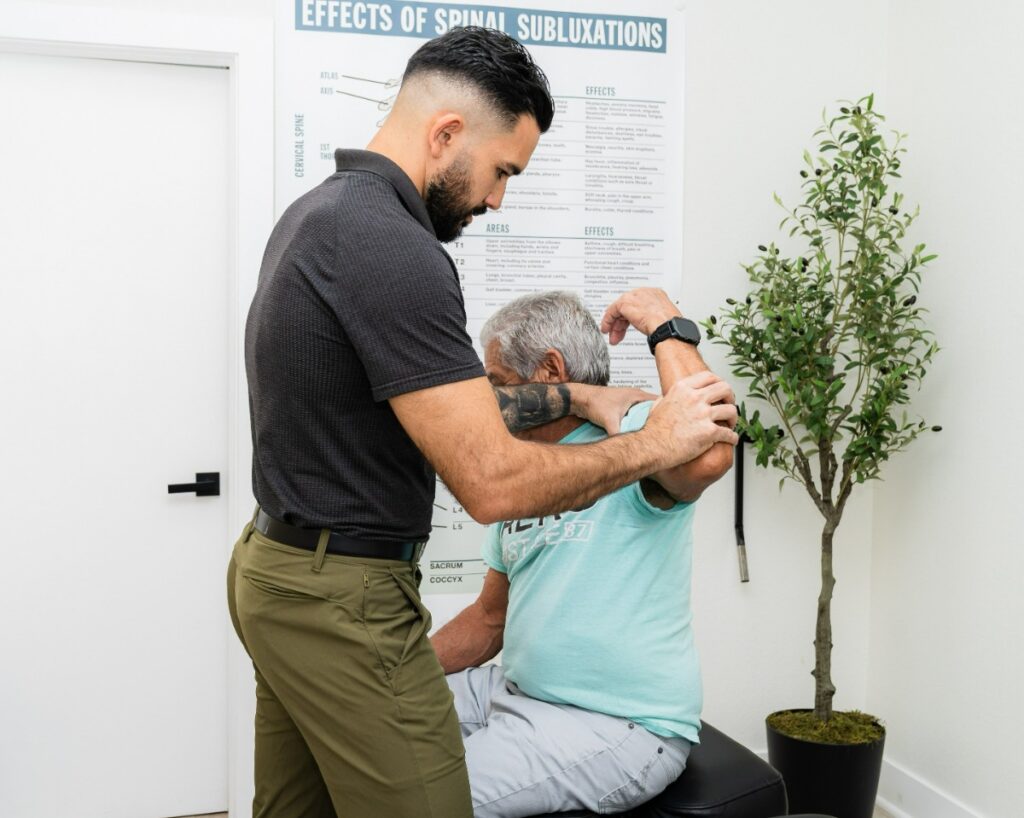

As a local chiropractor, I want to share how a holistic approach to pain management can offer you more than just quick fixes. By understanding the connection between your body, mind, and spirit, we can explore various natural methods that target the root causes of your discomfort. This includes everything from proper nutrition to mindfulness practices.
Chiropractic care focuses on ensuring your spine and nervous system are functioning optimally, which plays a crucial role in how your body manages pain. By addressing misalignments and enhancing your overall wellness, we can help you find a more balanced and effective way to cope with pain. I encourage you to consider what natural healing methods might resonate with you on your journey to better health.
Understanding Holistic Health and Pain Management
When it comes to managing pain, understanding the principles of holistic health can significantly influence your approach. As your local chiropractor, I want to emphasize that chiropractic care isn’t just about relieving symptoms; it’s about treating the whole person—body, mind, and spirit.
This holistic perspective encourages you to examine how your physical discomfort relates to your emotional and mental well-being. By recognizing that factors such as stress, anxiety, and lifestyle choices can intensify pain, we can explore new pathways to relief together.
Incorporating practices such as mindfulness, meditation, and gentle movement can greatly enhance your pain management journey. These techniques not only promote relaxation but also help you develop a deeper awareness of your body.
This awareness allows you to tune into its signals, empowering you to make informed decisions about your health and healing. Additionally, chiropractic care emphasizes the importance of balance and self-care, reminding you that nurturing your overall well-being is essential for achieving lasting relief.
Nutrition’s Role in Pain Relief
As a local chiropractor, I want to share with you an often-overlooked aspect of managing pain: the food you consume. Believe it or not, your diet can significantly impact your comfort levels and overall health. Eating a variety of anti-inflammatory foods can be a game changer in reducing discomfort.
For instance, incorporating plenty of fruits and vegetables, particularly berries and leafy greens, can provide you with powerful antioxidants that fight inflammation. Additionally, consider including omega-3 fatty acids in your meals. Foods like fatty fish, such as salmon, and nuts like walnuts can be beneficial in alleviating joint pain.
On the other hand, it’s essential to steer clear of processed foods that are high in sugar and unhealthy fats, as they can worsen inflammation. Instead, aim for whole grains, legumes, and healthy fats like olive oil in your diet.
Don’t forget the importance of hydration! Drinking enough water is crucial as it helps your body absorb nutrients effectively and flush out toxins that might contribute to your pain.
The Power of Mindfulness and Meditation
As your local chiropractor, I want to share how mindfulness and meditation can significantly enhance your approach to managing pain.
These techniques allow you to develop a deeper awareness of your body and its sensations, which can be incredibly beneficial for your overall health. By focusing on the present moment, you can alleviate stress and change how you perceive discomfort.
Here are four effective ways to incorporate mindfulness and meditation into your pain management routine:
- Breath Awareness: Start by paying attention to your breathing. Taking deep, intentional breaths can help calm your mind and create a sense of detachment from any pain you may be experiencing.
- Body Scan: Try conducting a mental scan of your body, identifying areas where you feel tension or discomfort without judging them. This practice encourages relaxation and helps you become more in tune with how your body feels.
- Guided Imagery: Use visualization techniques to imagine a peaceful, pain-free environment. Engaging your imagination in this way can distract you from your discomfort and promote a sense of well-being.
- Loving-Kindness Meditation: Take a moment to send compassionate thoughts to yourself and those around you. This practice can facilitate emotional healing and help lessen the perception of pain.
By integrating these mindfulness and meditation techniques into your routine, you can empower yourself on your journey toward natural pain relief and improved well-being.
If you’re interested in exploring more about chiropractic care and how it can complement these practices, don’t hesitate to reach out!
Physical Activity and Its Impact on Pain
As a local chiropractor, I want to emphasize the significant impact that physical activity can have on managing pain. Many individuals may not realize how crucial regular exercise is for alleviating discomfort. Engaging in physical activity releases endorphins, which are your body’s natural pain-relievers.
By staying active, you can enhance your strength, flexibility, and overall fitness, which can lead to a noticeable reduction in pain levels, particularly for conditions such as arthritis or chronic back pain.
You don’t need to spend hours in a gym to reap these benefits; even simple activities like walking, swimming, or practicing yoga can create a meaningful difference. These activities promote better circulation and help to reduce stiffness in your joints.
Moreover, maintaining an active lifestyle can assist in keeping a healthy weight, which is vital for minimizing additional stress on your joints.
It’s important to listen to your body as you begin this journey. Start at a comfortable pace and gradually increase your activity level to find what works best for you.
Remember, consistency is key; incorporating physical activity into your daily routine can significantly enhance your pain management and overall well-being.
As your chiropractor, I’m here to support you in finding the right balance of activity that complements your healing process.
Alternative Therapies for Natural Relief
As your local chiropractor, I want to introduce you to the world of natural relief from pain through alternative therapies.
Many of my patients have found that integrating acupuncture and herbal remedies into their pain management plans can be transformative.
These methods not only align with the principles of chiropractic care but also offer distinct benefits that can enhance your overall well-being.
Let’s take a closer look at how these approaches can complement your journey toward better health.
Acupuncture Benefits for Pain
As a local chiropractor, I want to introduce you to acupuncture, an effective method for pain relief that complements chiropractic care. This ancient practice taps into your body’s natural healing abilities by stimulating specific points, ultimately helping to alleviate discomfort and promote overall wellness.
Here are some of the benefits you may experience:
- Reduced Pain: Acupuncture is known for its ability to significantly lower chronic pain levels, whether you’re dealing with arthritis, back pain, or headaches.
- Improved Blood Flow: This technique enhances circulation, which not only aids healing but also helps reduce inflammation.
- Stress Relief: Acupuncture can trigger the release of endorphins, promoting relaxation and reducing anxiety, which can further influence your perception of pain.
- Holistic Wellness: Beyond just addressing pain, acupuncture encourages balance within your body, fostering a healthier lifestyle overall.
Integrating acupuncture into your wellness routine can be a transformative step towards achieving natural pain relief and enhancing your overall health.
If you’re interested in exploring this option, I’d be happy to discuss how it can work alongside chiropractic care for your benefit.
Herbal Remedies for Relief
As a local chiropractor, I want to share the benefits of herbal remedies as a natural approach to pain relief that many of my patients have found effective and empowering.
If you’re curious about alternatives to traditional pain management, consider incorporating turmeric into your routine. Its anti-inflammatory properties can be quite beneficial.
Ginger is another great option; it’s known to help reduce muscle pain and discomfort.
You might’ve heard of willow bark, which is often compared to aspirin. It may assist in alleviating headaches and lower back pain, providing a more holistic approach to your wellness.
For those suffering from tension headaches, peppermint oil is worth exploring for its soothing effects.
If joint pain is a concern, boswellia may be a valuable addition. This herb has been shown to potentially improve mobility and reduce discomfort.
However, it’s essential to consult with a healthcare provider, including myself, before starting any herbal regimen, especially if you’re taking other medications.
By integrating these natural remedies into your pain management routine, you can take an active role in your health and discover what works best for your unique needs.
Creating a Personalized Holistic Pain Management Plan
As a local chiropractor, I believe that creating a personalized holistic pain management plan is essential for your well-being. It requires a thoughtful approach that considers your individual needs and preferences.
Let’s explore how we can work together to build a plan that addresses your specific pain challenges:
1. Identify Pain Types: First, it’s important to understand the nature of your pain. Is it chronic, acute, or stemming from an injury? This distinction helps us tailor our chiropractic approach to effectively address your unique situation.
2. Incorporate Mindfulness Techniques: I often recommend practices such as meditation or yoga. These techniques can greatly assist in managing stress and altering your perception of pain, enhancing the effectiveness of our chiropractic treatments.
3. Explore Dietary Changes: Believe it or not, what you eat can influence your pain levels. Certain foods possess anti-inflammatory properties, which can be beneficial for pain management.
Together, we can discuss incorporating these foods into your diet while steering clear of those that may trigger discomfort.
4. Engage in Physical Activity: Regular movement is vital for maintaining a healthy body and reducing pain. I’ll help you find enjoyable exercises that are suitable for your ability level.
Engaging in physical activity not only strengthens your body but also complements the chiropractic adjustments we make.
By considering these elements, we can work together to develop a holistic pain management plan that aligns with your lifestyle and helps you regain control over your health.
Your journey towards relief starts here!
Conclusion
As a local Chiropractor, I want to emphasize the importance of incorporating holistic approaches into your pain management routine. These methods can lead to lasting relief and enhance your overall well-being. By focusing on the connection between your body, mind, and spirit, we can work together to create a balanced lifestyle that addresses the root causes of your pain.
Nutrition plays a crucial role in healing, so I encourage you to embrace healthy, nutritious foods. Mindfulness practices can help reduce stress and promote relaxation, which is essential for effective pain management. Additionally, gentle movement, such as stretching or yoga, can improve flexibility and reduce discomfort.
It’s vital to remember that a personalized care plan tailored to your unique needs can empower you on your journey toward healing and a better quality of life. If you’re new to chiropractic care and natural healing, I invite you to take the first step with us today! Together, we can explore how these holistic approaches can support your health and wellness.