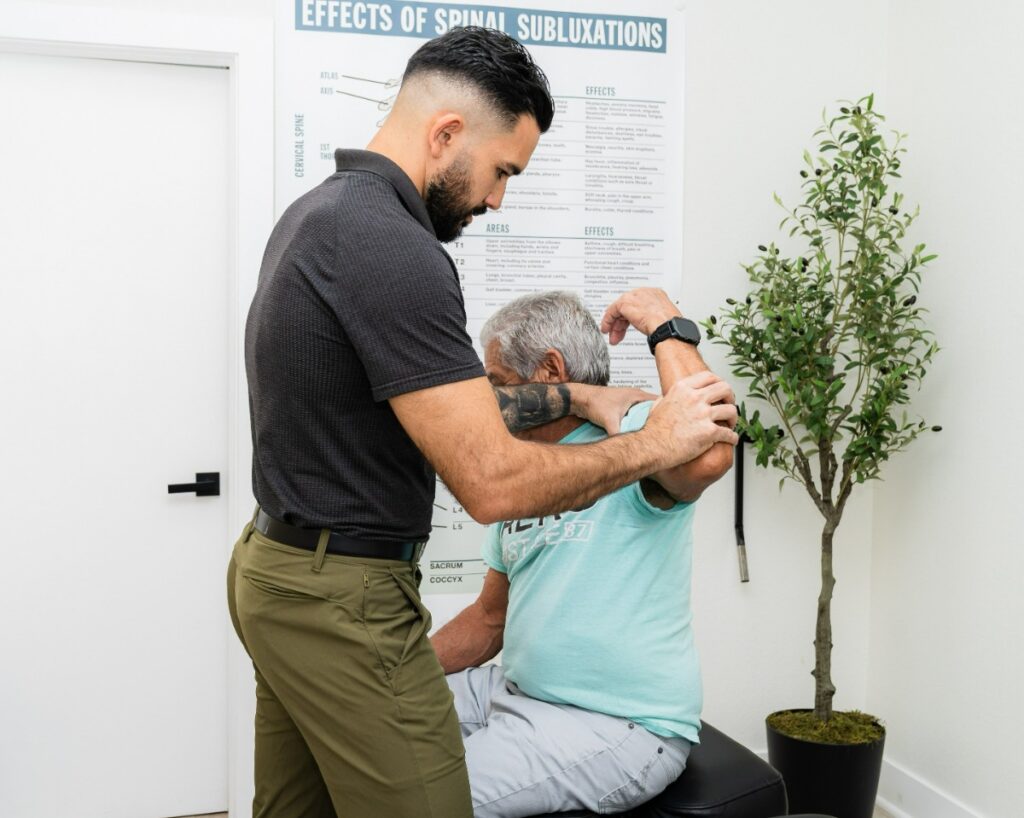

As a local chiropractor, I want to share with you that chronic back pain is not just a modern phenomenon—it’s been part of human experience for centuries. In ancient civilizations, people often attributed back pain to moral failings or spiritual imbalances, showing how deeply intertwined our understanding of health and wellness was with cultural beliefs. As we look back at these historical perspectives, we can see a remarkable shift from superstition to a more scientific understanding of pain and the body.
This history is important because it helps us appreciate the evolution of treatment methods. Today, we have the opportunity to approach back pain through a holistic lens, focusing on natural healing and the body’s innate ability to restore itself. By understanding the past, we can better inform our current practices and offer effective, non-invasive solutions for managing pain. If you’re curious about how chiropractic care can help with your back pain, let’s explore this journey together toward better health and well-being.
Ancient Beliefs and Spiritual Interpretations of Back Pain
As a chiropractor, I want to help you understand the deeper connections between back pain and its historical interpretations. Throughout history, different cultures have sought to explain the origins of back pain, and many believed it was linked to spiritual or emotional imbalances.
For instance, in ancient Egypt, healers thought that physical issues, including back pain, were often tied to moral failings or unresolved emotional conflicts. So, if you’re experiencing discomfort, it may be worth considering if there are any underlying feelings of guilt or stress that could be contributing to your pain.
In traditional Chinese medicine, back pain is viewed as a blockage in the flow of Qi, the vital life force that runs through our bodies. Practitioners in this field emphasize that emotional well-being is crucial for alleviating physical symptoms.
This holistic approach highlights the importance of addressing both the mind and body to achieve overall health. As we explore these ancient beliefs, it’s clear that they still resonate with modern approaches to healing.
In chiropractic care, we take a similar perspective by focusing on the alignment of the spine and nervous system while also considering the emotional aspects that may be influencing your pain. By recognizing the interconnectedness of your physical and emotional health, we can work together to restore balance and relieve your back pain effectively.
The Influence of Labor and Lifestyle in Historical Contexts
As a local chiropractor, I want to help you understand how our historical lifestyles have shaped the prevalence of back pain today.
In the past, many people lived in agrarian societies where heavy lifting and repetitive movements were a daily part of life. This often resulted in chronic discomfort and back pain due to activities like farming or crafting, which involved a lot of bending and twisting.
As we moved into urbanized living, new challenges emerged. With the rise of factories, laborers found themselves standing for long hours or performing repetitive tasks, which only worsened their back issues.
Interestingly, social status also played a role in how we experience back pain. Wealthier individuals might’ve engaged in less physically demanding work, but they often adopted sedentary habits, such as poor posture while reading or writing, which can still lead to back pain.
Understanding this historical context can help us appreciate the importance of maintaining proper spinal health and posture in our daily lives.
As your chiropractor, I’m here to guide you in natural healing and provide techniques to alleviate discomfort, improve mobility, and enhance your overall well-being.
Let’s work together to create a healthier lifestyle that supports your back and overall health.
Medical Theories From Ancient Greece to the Renaissance
As a local chiropractor, I want to share how medical theories from Ancient Greece to the Renaissance have shaped our understanding of back pain and the human body.
In Ancient Greece, Hippocrates believed that imbalances in bodily humors could lead to various issues, including back pain. This foundational idea was later expanded by Galen, who highlighted the importance of the spine and nerves in how we perceive pain.
Fast forward to the Middle Ages, where scholars like Avicenna began to link back pain not only to physical causes but also to psychological factors. This holistic view is something we still embrace in chiropractic care today.
Then came the Renaissance, a time when thinkers like Vesalius started to challenge the old beliefs and promoted detailed anatomical studies, giving us clearer insights into the musculoskeletal system.
These evolving theories have laid the groundwork for our modern understanding of back pain. They reflect a significant shift from mystical explanations to a more anatomical and natural perspective, which is crucial for effective treatment today.
As your chiropractor, I aim to empower you with knowledge about your body and how natural healing can help alleviate chronic back pain. Understanding this history can enhance your journey to wellness and recovery.
The Shift From Superstition to Scientific Understanding
As a local chiropractor, it’s important to understand how our views on back pain have evolved over time. In the past, many ancient cultures believed that back pain was caused by supernatural forces or divine punishment.
However, during the Renaissance, there was a significant shift towards a scientific understanding of the human body, which is foundational to the chiropractic care we offer today.
Let me highlight three key developments that illustrate this transformation:
- Anatomical Studies: Pioneers like Andreas Vesalius conducted groundbreaking dissections that uncovered the intricate structures of muscles, bones, and nerves. This knowledge challenged the old beliefs and laid the groundwork for understanding how our bodies work, which is vital for effective chiropractic treatment.
- Empirical Observation: Physicians began to prioritize observation and experimentation. This scientific approach emphasized the importance of evidence over superstition, leading to more accurate diagnoses and treatments. In chiropractic care, we use this principle by assessing each patient’s unique condition to create personalized treatment plans.
- Holistic Approaches: Medical thinkers started recognizing the connection between physical, mental, and environmental factors in health. This holistic perspective is central to chiropractic care, where we consider how lifestyle, stress, and physical activity can all influence back pain and overall wellness.
This evolution in understanding has paved the way for modern medicine and has transformed our approach to chronic back pain today.
The Role of Industrialization and Ergonomics
As a local chiropractor, I want to shed light on how industrialization has reshaped our work environments and the effects it can have on our bodies—especially when it comes to back health.
You may have experienced discomfort or strain due to the demands of modern work, and that’s where ergonomic design comes into play. This approach has evolved to help minimize strain and prevent injuries.
By understanding the changes in labor practices, we can better appreciate the necessity of proper support in our daily activities. It’s essential to recognize how these factors contribute to your overall well-being and how chiropractic care can help restore balance and alleviate pain.
Let’s work together to ensure your body is supported in today’s fast-paced world.
Industrial Work Environment Impact
As a local chiropractor, I want to highlight the significant impact that an industrial work environment can have on chronic back pain. Many of you may not be aware that repetitive movements and extended periods of sitting or standing can lead to discomfort and long-lasting issues.
Here are three important factors that contribute to chronic back pain in these settings:
- Poor Posture: Many industrial tasks require bending or twisting in ways that can strain your spine. Slouching or maintaining awkward positions can create unnecessary pressure on your back, leading to pain over time.
- Repetitive Strain: Engaging in the same motions day after day can wear down your muscles and joints. This repetitive strain can result in fatigue and, ultimately, injury, making it crucial to pay attention to your body’s signals.
- Inadequate Breaks: If you’re working long hours without sufficient breaks, your body doesn’t get the chance to recover. This continuous fatigue can heighten your risk of developing back pain, as your muscles and joints become overworked.
As a chiropractor, my goal is to help you understand these factors and guide you towards natural healing methods that can alleviate your pain and improve your overall well-being.
Ergonomic Design Evolution
As a local chiropractor, I want to share with you how the evolution of ergonomic design can significantly impact your overall health and well-being. With the rise of industrialization, many workplaces have made strides to innovate tools and furniture that prioritize comfort and reduce the risk of injuries, especially in the spine and musculoskeletal system.
Many of you mightn’t realize how crucial your work environment is for your physical health. In the past, industrial practices often neglected the human body’s needs, leading to discomfort and chronic pain that can affect your daily life.
Nowadays, however, designers are increasingly aware of human anatomy and movement. This has led to the creation of ergonomic chairs, desks, and equipment that are specifically designed to support healthy postures and alleviate strain on your body.
You might’ve come across adjustable desks and supportive chairs that cater to your unique needs. These advancements make it easier to maintain comfort throughout your workday, which is essential for preventing chronic back pain and other musculoskeletal issues.
As a chiropractor, I emphasize the importance of being mindful of your physical well-being in the workplace. By incorporating ergonomic solutions, you not only enhance your comfort but also improve your productivity and overall health.
Labor Practices Transformation
As a local chiropractor, I want to share how ergonomic advancements can significantly enhance your work life and health. These changes are critical in reshaping how you interact with your environment, particularly in light of the discomfort many of you may feel due to prolonged sitting or repetitive movements.
- Workstation Design: Utilizing adjustable desks and chairs can help you maintain proper posture. This is vital for reducing strain on your back and neck. When your workstation is ergonomically designed, it encourages a healthier alignment, which can prevent pain and discomfort.
- Task Rotation: Incorporating task rotation into your work routine is essential. By changing tasks regularly, you can avoid the repetitive motions that often lead to muscle fatigue and injuries. This strategy not only helps in maintaining your physical well-being but also keeps your mind engaged.
- Training Programs: Participating in ergonomics training can empower you with knowledge about proper lifting techniques and body mechanics. This education is crucial for ensuring that you perform tasks safely and effectively, reducing the risk of injury.
By prioritizing these ergonomic practices, you can enhance your comfort and productivity while taking proactive steps to prevent chronic pain.
Cultural Attitudes Towards Pain and Disability
As a chiropractor, I often encounter patients who’ve varying cultural attitudes towards pain and disability, which can significantly influence how they perceive and manage conditions like chronic back pain.
It’s important to recognize that while pain is a universal experience, the way we approach it can differ greatly depending on our backgrounds.
In some cultures, showing pain may be viewed as a weakness, leading individuals to hide their discomfort. This can be detrimental to your health, as it may prevent you from seeking the care you need.
Conversely, other cultures encourage open discussions about pain, promoting community support and understanding. This supportive environment can be incredibly beneficial for healing.
Your cultural background can also shape your perception of disability. Some may see it as a burden, while others regard it as a natural part of life.
In my practice, I emphasize the importance of resilience, but I also advocate for the value of seeking help and treatment when necessary.
These differing beliefs can influence your willingness to pursue chiropractic care or embrace self-care practices.
Understanding your cultural context can empower you to navigate your experience with chronic back pain more effectively.
By recognizing these attitudes, you can align your coping strategies with your personal values and beliefs, leading to a more holistic approach to managing your pain.
At our clinic, we aim to educate and support you through natural healing methods that respect your cultural perspectives while promoting overall wellness.
Modern Approaches: Integrating History With Contemporary Treatments
As your local chiropractor, I want to share how understanding historical treatment methods can enhance your journey in managing chronic back pain. Throughout history, various cultures have developed effective strategies for pain relief that are still relevant today.
By looking back at these ancient practices, we can gain valuable insights that complement modern chiropractic care and natural healing approaches.
Integrating these time-tested techniques with contemporary treatments allows us to create a more holistic strategy for managing your pain.
By learning from the past, we can better understand the principles of alignment, movement, and overall wellness, which are essential in chiropractic care.
Together, we can explore how these historical methods can enhance your healing process and improve your quality of life.
Historical Treatment Methods
As your local chiropractor, I’m excited to share how the evolution of chronic back pain treatments has deep roots in historical methods, many of which continue to influence our approach to care today.
Understanding these techniques can provide valuable insight into the natural healing practices we utilize in chiropractic care. Here are three significant historical treatment methods that may resonate with you:
1. Herbal Remedies: Ancient civilizations, including the Egyptians and the Chinese, harnessed the power of nature by using plants like willow bark, known for its anti-inflammatory properties, to help relieve pain.
Today, we also appreciate the benefits of natural remedies in conjunction with chiropractic adjustments.
2. Massage Therapy: In ancient Greece and Rome, massage was a common practice to enhance circulation and ease muscle tension.
As a chiropractor, I often incorporate elements of massage into treatment plans to promote healing and relaxation, recognizing the benefits of soft tissue work alongside spinal adjustments.
3. Acupuncture: This ancient technique from Traditional Chinese Medicine involves inserting needles at specific points on the body to restore balance and alleviate pain.
While acupuncture is distinct from chiropractic care, both share a common goal: to promote the body’s natural ability to heal itself.
By understanding these historical practices, we can better appreciate the holistic approach of chiropractic care, which emphasizes natural healing and the body’s inherent ability to restore balance.
If you have any questions or would like to learn more about how these principles can help you with your back pain, feel free to reach out!
Evolution of Pain Management
As a local chiropractor, I want to share how pain management has evolved over the years, especially when it comes to chronic back pain. While many of our techniques have deep historical roots, we now integrate these traditional methods with the latest advancements in healthcare.
In my practice, I often combine time-tested approaches like chiropractic adjustments and physical therapy with modern innovations such as advanced pain relief tools and minimally invasive treatments. This holistic approach is designed to provide personalized care that addresses not only the physical symptoms of pain but also the psychological aspects that can accompany it.
For instance, we’re increasingly recognizing the role of cognitive-behavioral therapy in pain management. This technique helps you develop effective coping strategies to manage discomfort.
Additionally, technology is becoming an essential part of our toolkit, with wearable devices that can track your activity levels and telehealth consultations that make it easier for you to connect with me from home.
Lessons From Ancient Practices
As a chiropractor, I believe we can learn a great deal from ancient healing practices that can help us manage chronic back pain more effectively.
By understanding these time-honored methods, we can enhance your current treatment plan with a holistic approach. Here are three important insights to consider:
1. Mind-Body Connection: Ancient cultures recognized that mental well-being is closely tied to physical health.
As your chiropractor, I encourage incorporating mindfulness and relaxation techniques into your routine. Practices such as meditation or deep-breathing exercises can greatly support your healing journey.
2. Natural Remedies: Many ancient healing systems utilized herbal treatments for pain relief.
Exploring natural options like turmeric and ginger can complement your chiropractic care and may provide additional relief alongside any conventional medications you might be taking.
3. Movement and Manual Therapy: Ancient practices such as yoga and acupuncture show us the importance of movement in maintaining a healthy body.
Incorporating gentle exercises and therapies can help restore balance and flexibility to your spine, enhancing the benefits of our chiropractic adjustments.
Conclusion
As your local chiropractor, I want to help you understand the historical context of chronic back pain and how it shapes our approach to treatment today. In ancient times, many believed that pain was linked to moral failings or bad character, which shows how far we’ve come in our understanding. Nowadays, we recognize that chronic back pain stems from a complex interplay of physical and emotional factors.
This evolution in thinking has paved the way for more effective and natural healing methods, like chiropractic care. We focus on the body’s natural ability to heal itself by addressing misalignments in the spine and promoting overall wellness. By integrating insights from history with contemporary practices, we can adopt a more holistic approach to managing your pain. This means considering not only the physical aspects of your discomfort but also the emotional components that may be contributing to your experience.
Together, we can work towards a healthier, pain-free future that honors both your body and mind.