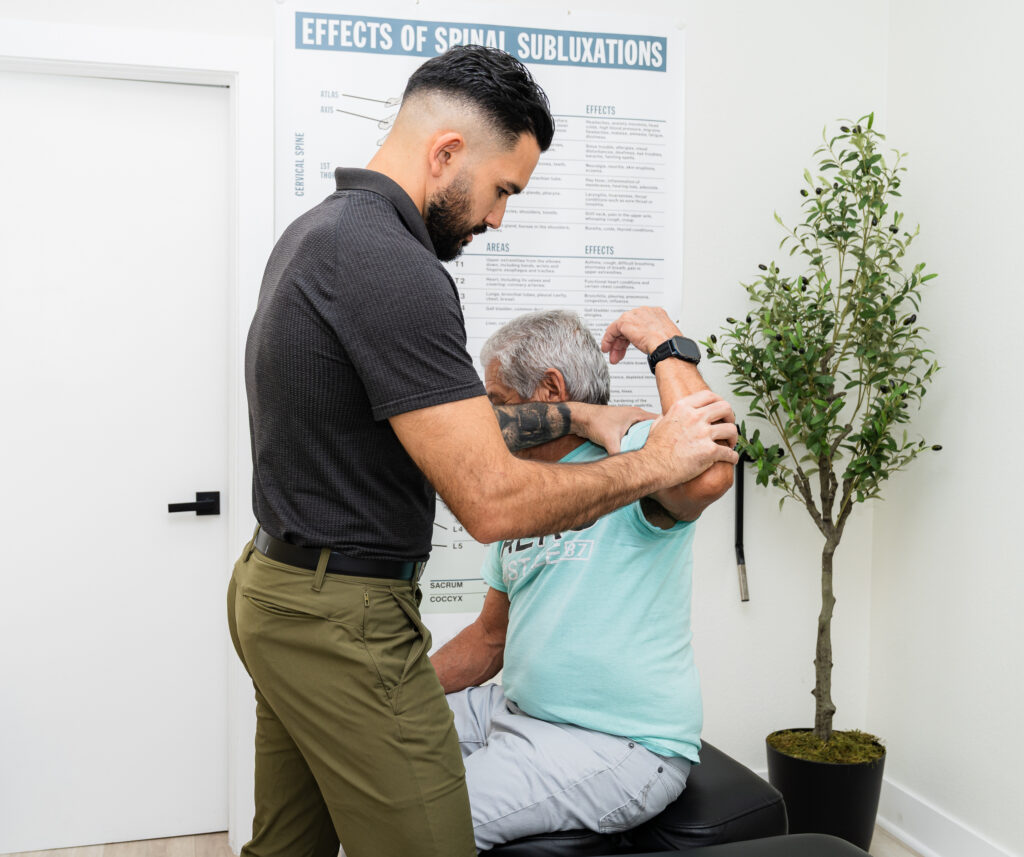

Back pain has been a challenge for people throughout history, and many cultures have developed unique remedies to tackle this widespread issue. As a local chiropractor, I want to share insights into these historical practices and how they relate to modern pain management. From the ancient use of herbal remedies to the principles found in traditional Chinese medicine, these approaches offer valuable lessons that can enhance our understanding of back pain relief today.
You may be surprised to learn that techniques like spinal manipulation and targeted exercises have roots in these ancient practices. By exploring these methods, we can discover natural healing approaches that might resonate with your own experiences and preferences. My goal is to educate you about how chiropractic care can integrate these historical remedies into your treatment plan, helping you find relief and improve your overall well-being. Let’s draw from the wisdom of the past to create a healthier future for your back.
Ancient Herbal Remedies
As a chiropractor dedicated to helping my patients find relief from back pain, I often emphasize the value of ancient herbal remedies alongside traditional techniques. While modern medicine presents various treatment options, many herbal solutions have been used for centuries and have proven effective in managing discomfort.
For instance, turmeric is a fantastic herb to consider. It contains curcumin, which is well-known for its anti-inflammatory properties. This makes it a powerful ally in reducing pain and swelling associated with back issues.
Similarly, ginger is another remarkable herb that possesses compounds that may help alleviate discomfort and enhance mobility, making it a great addition to your wellness routine.
You might also hear about willow bark, often dubbed “nature’s aspirin.” This herb contains salicin, an active ingredient that can provide pain relief similar to over-the-counter pain medications.
Additionally, devil’s claw is a potent herb celebrated for its anti-inflammatory effects, making it particularly popular among individuals dealing with chronic back pain.
Integrating these herbs into your daily life—whether through teas, capsules, or topical applications—can be a natural and effective complement to chiropractic care.
However, it’s essential to consult with a healthcare professional before starting any new remedy to ensure it’s safe and appropriate for your individual needs. Together, we can explore a holistic approach to your health and well-being!
Traditional Chinese Medicine Practices
As a chiropractor, I want to introduce you to a holistic approach to back pain that emphasizes the importance of balance and harmony within your body.
In the realm of Traditional Chinese Medicine (TCM), back pain is seen not just as a standalone issue but as a symptom of deeper imbalances, particularly relating to the flow of energy, known as qi, and blood circulation.
One of the key techniques used in TCM is acupuncture, which involves the insertion of fine needles at specific points on the body. This practice is designed to stimulate these points, promoting healing and relieving pain.
While I focus on spinal alignment and manipulation, I recognize the value of these techniques in supporting overall wellness.
Herbal remedies are another cornerstone of TCM. You might consider using specific combinations of herbs that can help reduce inflammation and improve circulation, complementing the adjustments I provide in the office.
Additionally, incorporating gentle movements through practices like tai chi and qigong can enhance your flexibility and strengthen your back, which is vital for recovery.
Moreover, making dietary adjustments by including warming foods can support your healing process.
My goal as your chiropractor is to not only address the pain you’re experiencing but to help you achieve a comprehensive restoration of your body’s natural balance.
Embracing these holistic practices can lead to a more effective and sustainable approach to managing your back pain.
Egyptian Techniques for Pain Relief
As a chiropractor, I often draw inspiration from ancient healing practices, particularly those of the Egyptians, who understood the importance of both physical and spiritual health. When it comes to addressing back pain, they employed a mix of natural remedies and hands-on therapies that align closely with the principles we use today.
For instance, the Egyptians used oils infused with myrrh and frankincense, which not only helped to relieve discomfort but also promoted relaxation. Similarly, in our practice, we recognize the value of using natural ingredients for therapeutic benefits.
Massage techniques were also central to their approach. Skilled practitioners kneaded tight back muscles, much like we do in chiropractic care to alleviate tension and restore balance. They even used heated stones and compresses to improve circulation and ease pain, a method that can be quite effective in our treatments as well.
Moreover, the ancient Egyptians placed significant emphasis on rest and proper posture. They understood the need for regular breaks from heavy activities and had specific recommendations for sleeping positions to reduce strain on the body.
This holistic perspective is something I encourage in my patients as well, highlighting the importance of listening to your body and taking care of your overall well-being.
By appreciating these timeless methods, we can see how they laid the foundation for modern pain relief strategies. Chiropractic care embodies this philosophy, focusing on the body’s needs while also considering the mind’s health.
Together, we can explore these natural approaches to help you achieve a pain-free life.
Indigenous Healing Methods
As a local chiropractor, I want to introduce you to the fascinating world of indigenous healing methods, which align closely with our approach to chiropractic care. These practices are deeply rooted in strong connections to nature and community, much like our emphasis on holistic wellness.
In various indigenous cultures, herbal remedies play a significant role in healing. For instance, plants like willow bark and devil’s claw are recognized for their anti-inflammatory properties, similar to the natural approaches we use in chiropractic to reduce pain and promote healing.
You’ll also find techniques involving heat and cold therapy, such as hot stone and cold clay applications, which can effectively alleviate discomfort, much like the methods we employ in our practice.
Community rituals are another essential aspect of healing in these cultures. Healing circles, where individuals come together to share experiences and support one another, mirror our focus on fostering a supportive environment for healing. This emotional aspect is just as vital as physical treatments, and it’s something we encourage in our chiropractic care.
Additionally, spiritual practices, often facilitated by shamans or healers, emphasize the balance and harmony that we also seek to achieve through chiropractic adjustments. By addressing the body, mind, and spirit, we can work together to create a more holistic approach to your health and wellness.
Medieval Approaches to Back Pain
As a local chiropractor, I want to take a moment to share some fascinating insights into how back pain has been approached throughout history, particularly during the medieval period.
Understanding these historical perspectives can help us appreciate the evolution of healing practices, including the natural methods we utilize today.
In medieval times, people often relied on a combination of herbal remedies and folk medicine to alleviate back pain. For instance, herbal poultices made from ingredients like comfrey or willow bark were popular for their pain-relieving properties.
Similarly, just as we focus on achieving balance in the body through chiropractic adjustments, ancient practitioners followed the teachings of renowned physicians like Galen, who emphasized the importance of balancing bodily humors for overall health.
Interestingly, back pain was sometimes attributed to supernatural forces, prompting individuals to seek assistance from priests or even charms. While these beliefs may seem unusual today, they highlight a time when people sought various means for relief, including methods like bloodletting, which was thought to cleanse the body of impurities.
As we explore these historical remedies, it’s clear that our understanding of back pain and its treatment has evolved significantly.
Today, chiropractic care combines the wisdom of the past with modern techniques to address the root causes of back pain naturally and effectively.
The Role of Massage in Historical Cultures
As a local chiropractor, I want to share the fascinating role that massage has played in various cultures throughout history.
It’s not just a luxury or a pampering experience; it has served as both a healing practice and a social ritual for centuries. Ancient techniques and practices have evolved over time, adapting to the unique beliefs and lifestyles of different societies.
Understanding the cultural significance of massage helps us appreciate its enduring appeal and effectiveness, particularly in treating conditions like back pain.
By incorporating massage into your wellness routine, you can experience the benefits of natural healing that have been valued across generations.
It’s an essential part of a holistic approach to health, complementing chiropractic care and promoting overall well-being.
Ancient Techniques and Practices
As a local chiropractor, I want to share some fascinating insights about the healing power of touch, which has been recognized across various cultures throughout history.
For instance, in ancient Egypt, priests and healers utilized massage techniques to alleviate pain and promote relaxation. They’d often apply oils infused with herbs to enhance the therapeutic experience, a practice that truly showcases the art of healing with nature.
Similarly, the Greeks understood the importance of massage, integrating it into their athletic training routines to relieve muscle tension and enhance performance. This historical perspective illustrates that the benefits of touch extend beyond mere relaxation; it plays a vital role in physical well-being.
In traditional Chinese medicine, practitioners have long utilized acupressure, targeting specific points on the body to restore balance and alleviate discomfort. This technique resonates with the principles of chiropractic care, which also aims to optimize the body’s function by addressing misalignments and promoting overall health.
Moreover, the practice of massage within Indian Ayurveda emphasizes its role in detoxification and revitalization, further highlighting the holistic approach to health that has stood the test of time.
By understanding these ancient techniques and their applications, you can see how touch has been a fundamental remedy for pain, including back pain, and has laid the groundwork for modern therapeutic practices, including chiropractic care.
Embracing these natural healing methods can pave the way for improved well-being in your life.
Cultural Significance of Massage
As a local chiropractor, I want to share with you the deeper significance of massage and its connection to healing, which goes beyond just relaxation.
In various ancient cultures, such as those in China, India, and Egypt, massage wasn’t merely a luxury but an essential component of health care. It was utilized as a powerful tool to address both physical discomfort and emotional challenges.
Practitioners of these ancient healing arts understood that massage could alleviate pain while also promoting spiritual well-being. It was often viewed as a communal act that strengthened relationships and fostered connections among individuals.
The rituals associated with massage reflected the cultural beliefs surrounding the body and health, highlighting the importance of holistic wellness.
By acknowledging the cultural significance of massage, we can better appreciate its role in improving our overall health and well-being today.
It serves as a reminder that healing practices have long been an integral part of human tradition, and incorporating natural methods, like chiropractic care and massage, can enhance our social interactions and contribute to our healing journeys.
Evolving Methods Through Time
As a local chiropractor, I want to share with you the fascinating history of massage and its connection to natural healing, which can greatly enhance your understanding of our chiropractic practices.
Ancient civilizations recognized the remarkable healing power of touch, leading them to develop various massage techniques that were deeply rooted in their cultural beliefs and practices.
In China, for instance, the technique called Tui Na combines acupressure with movement to promote energy flow throughout the body. On the other hand, in ancient Greece, Hippocrates emphasized the importance of rubbing and friction to alleviate pain and restore overall health.
In India, Ayurvedic practices introduced oil-based massages aimed at balancing the body’s energies. Each culture adapted their methods to meet specific health needs, laying the groundwork for what we now consider essential aspects of healing.
Today, many of these ancient techniques have evolved into modern practices, which I incorporate into my chiropractic care. Here, we blend traditional wisdom with innovative approaches to provide you with holistic relief from back pain and other ailments.
As you explore the rich history of massage and its evolution, I encourage you to think about how these time-honored techniques still play a vital role in contemporary chiropractic care and natural healing.
Together, we can work towards restoring your health and enhancing your well-being through the power of touch and movement.
Lessons From Historical Remedies for Modern Relief
As a local chiropractor, I want to share some insights about how historical remedies can inform our modern understanding of back pain relief. Throughout history, various cultures have relied on herbal treatments, physical therapies, and mind-body practices to address discomfort.
These age-old methods have stood the test of time and can offer us valuable lessons today. By exploring these traditional approaches, we can discover effective ways to manage back pain that align with natural healing principles.
For instance, incorporating gentle stretches, mindfulness techniques, and even certain herbal remedies can complement chiropractic care and enhance your overall well-being.
Together, we can create a personalized plan that integrates these time-honored techniques with modern chiropractic practices, allowing you to find relief and improve your quality of life.
Ancient Herbal Treatments
As a chiropractor, I often emphasize the importance of holistic approaches to health, particularly when it comes to managing back pain. Throughout history, many cultures have relied on herbal remedies, and there’s a treasure trove of knowledge that can still be beneficial for you today.
For example, willow bark is a remarkable natural option that has pain-relieving properties due to its active compound, salicin, which is actually a precursor to aspirin.
Another powerful herb is turmeric, which contains curcumin. This compound is known for its anti-inflammatory effects that can help alleviate discomfort.
You might also consider ginger, commonly used for its natural anti-inflammatory benefits, which can be soothing for back pain. Additionally, topical arnica has gained popularity for its ability to reduce swelling and pain when applied to the affected area.
By integrating these ancient herbal treatments into your wellness routine, you can tap into centuries of wisdom while seeking modern solutions for your back pain.
Traditional Physical Therapies
As a local chiropractor, I want to share with you the incredible benefits of combining modern chiropractic care with traditional physical therapies that have stood the test of time.
While our innovative techniques effectively address back pain, it’s important to recognize the wisdom of practices from the past that can enhance your healing journey.
Techniques such as massage, stretching, and manual manipulation have deep roots in ancient traditions, all aimed at restoring balance and mobility in the body.
I encourage you to consider incorporating gentle stretching routines or targeted massage into your daily regimen. These practices can help alleviate tension and improve your flexibility, which is essential for maintaining a healthy spine.
Throughout history, practitioners have often combined these therapeutic methods with lifestyle changes, highlighting the importance of movement and good posture.
By integrating these time-honored approaches into your routine, you can cultivate a stronger connection with your body’s natural healing processes.
Embracing traditional therapies alongside our modern chiropractic treatments can significantly enhance your overall experience and relief from back pain.
Together, we can create a comprehensive plan that not only addresses your immediate concerns but also promotes long-term wellness.
Cultural Mind-Body Practices
As a local chiropractor, I often see patients who are curious about natural methods for alleviating back pain.
It’s fascinating to explore how ancient cultures approached this common issue through mind-body practices that focus on both physical and mental well-being. For example, yoga, which has its roots in India, emphasizes breath control and meditation. These elements not only promote relaxation but also help reduce tension in the back, which can be incredibly beneficial for those suffering from discomfort.
Similarly, Tai Chi, a practice that originated in China, involves slow, deliberate movements that enhance flexibility and strength while also calming the mind. Engaging in these practices teaches you to cultivate a connection with your body, increasing your awareness of stress and its impact on pain levels.
By incorporating these ancient techniques into your wellness routine, you can address back pain in a holistic manner.
As your chiropractor, I encourage you to explore these cultural mind-body practices alongside your chiropractic care. Together, they can provide a comprehensive approach to not only relieving pain but also fostering overall health and well-being.
You might just find the relief you’ve been seeking!
Conclusion
As your local chiropractor, I want to introduce you to a fascinating array of historical remedies for back pain that can complement our chiropractic care. Throughout the ages, various cultures have developed unique approaches to relieve discomfort, from herbal treatments to acupuncture and other holistic practices. Each of these methods offers valuable insights into natural healing that can enhance your overall pain management experience.
By incorporating some of these time-tested techniques, you may find a path to relief that aligns with your body’s needs. I encourage you to explore these options alongside your chiropractic treatments. They could provide additional benefits and help you manage your back pain more effectively. Let’s work together to find the best combination of therapies that resonate with you and support your journey to wellness!