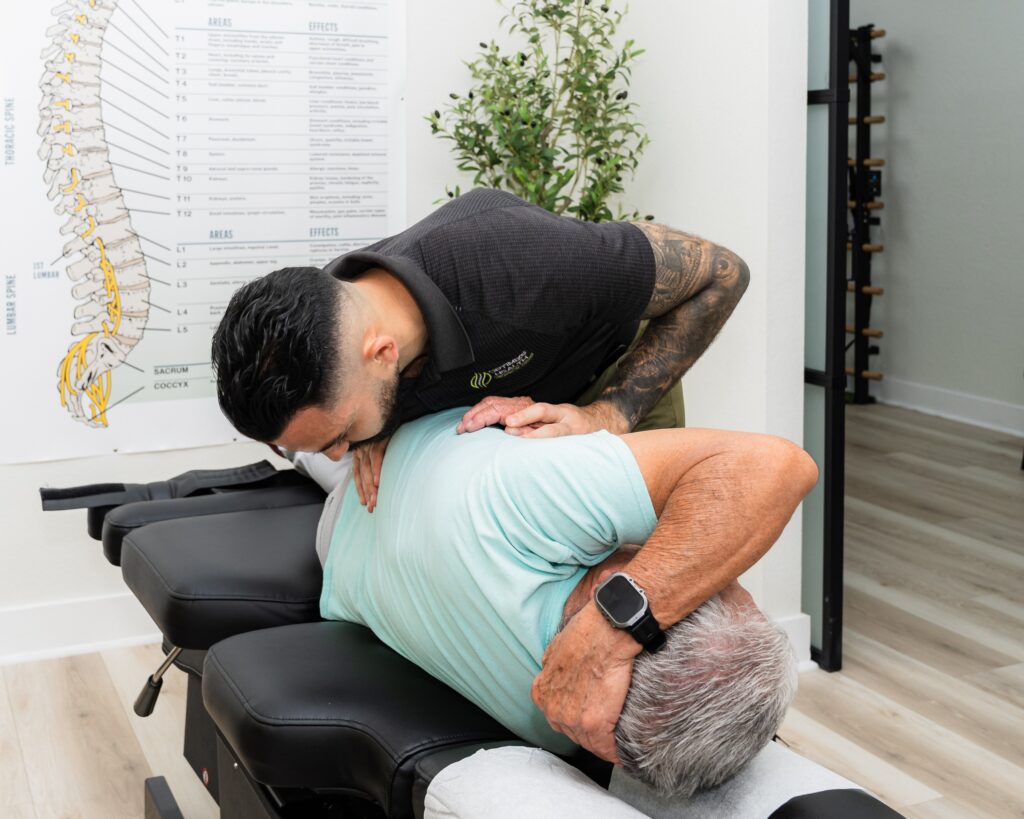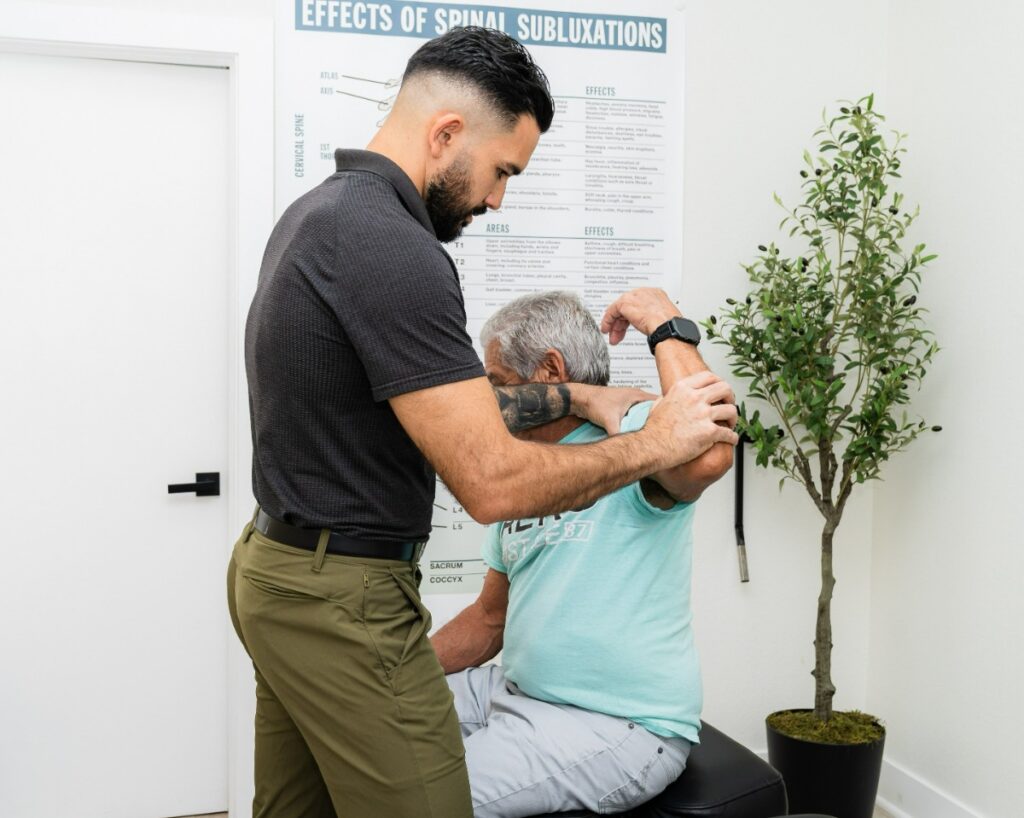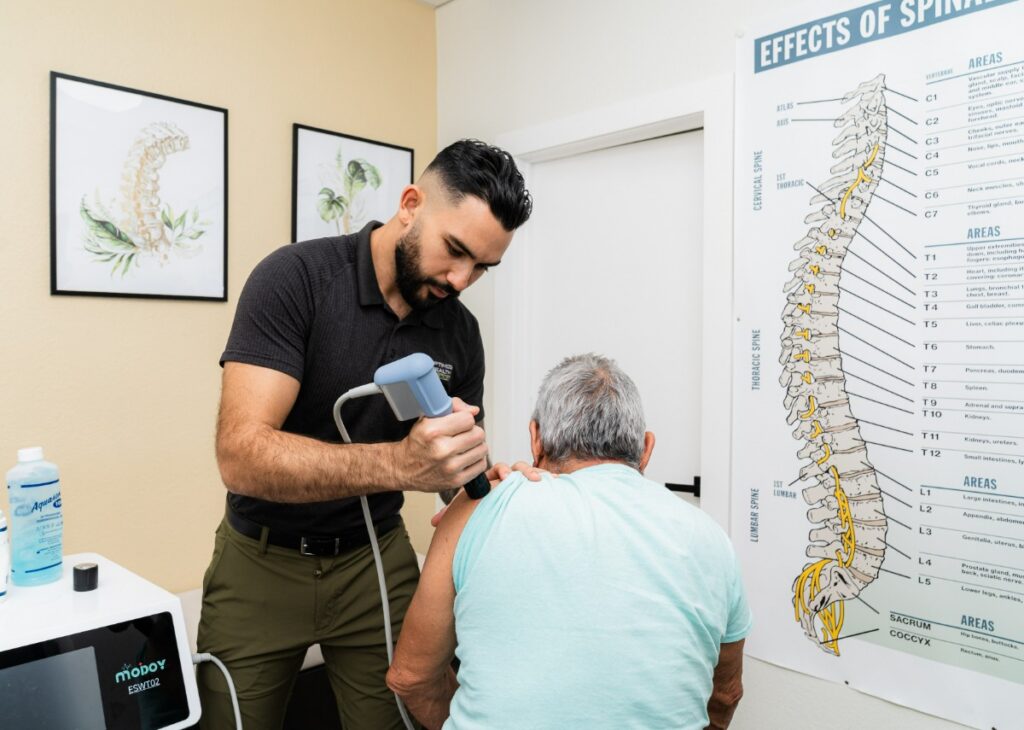

As a local chiropractor, I want to share some valuable insights on how effective recovery techniques can significantly enhance your journey after a sports injury. It's important to realize that recovery is not just about resting and waiting for things to heal on their own. A comprehensive approach that includes personalized rehabilitation plans, nutritional support, and mental conditioning can greatly speed up your healing process.
Many patients are surprised to learn that these components are crucial not only for recovery but also for preventing future injuries. Chiropractic care plays a vital role in this holistic approach, as it focuses on restoring proper alignment and function to your body, which can alleviate pain and promote healing.
So, what expert techniques can we employ to improve your recovery experience? Let's delve into the benefits of chiropractic adjustments, tailored exercise programs, and nutritional guidance that can help you regain strength and mobility. Together, we can work towards a stronger, healthier you!
Understanding Injury Types
As your local chiropractor, I want to help you understand the different types of sports injuries you may encounter, as this knowledge is crucial for your recovery and overall well-being. Sports injuries can be categorized into three main types: acute injuries, chronic injuries, and overuse injuries. Knowing which type you're dealing with can significantly impact your treatment strategy and healing process.
Acute injuries happen suddenly during physical activity. For instance, you might twist your ankle, strain a muscle, or even sustain a fracture. These injuries typically present immediate symptoms like pain, swelling, or bruising. Identifying an acute injury promptly allows you to seek the appropriate care, which can include chiropractic adjustments to promote healing and restore function.
Chronic injuries, on the other hand, develop gradually over time due to repetitive stress or trauma to a specific area of your body. You may experience ongoing pain, stiffness, or swelling that doesn't seem to improve. Common examples include tendonitis or stress fractures. If you suspect you have a chronic injury, it's vital to evaluate your daily activities and make necessary adjustments to avoid further complications. Chiropractic care can be instrumental in addressing these issues, as we focus on correcting imbalances and improving your body's function.
Lastly, overuse injuries often occur when there's excessive training without sufficient rest. Your body begins to react to the strain, resulting in inflammation or discomfort in your muscles and joints. Being mindful of your training limits and recognizing the early warning signs of overuse can help you avoid long-term problems. Chiropractic adjustments and therapies can assist in alleviating pain and promoting recovery, allowing you to train safely and effectively.
Effective Rehabilitation Techniques
As a local chiropractor, I want to share some insights on effectively recovering from sports injuries through a natural and holistic approach. One of the first steps in your recovery journey is to undergo a thorough assessment. This evaluation, conducted by a qualified professional like myself, helps determine the extent of your injury and allows us to create a personalized rehabilitation plan that caters to your unique needs. This initial step is crucial to ensure we don't exacerbate your condition while prioritizing your healing.
Once we've a tailored plan, we'll start with gentle range-of-motion exercises. These are vital for maintaining flexibility and preventing stiffness in the affected area. As your recovery progresses, we'll gradually introduce strength training. This won't only target the injured area but also engage surrounding muscle groups, promoting overall stability and support. Using resistance bands and light weights can be particularly beneficial during this stage.
In addition to strengthening your muscles, we'll incorporate balance and proprioceptive training into your routine. These exercises, such as standing on one leg or utilizing a balance board, significantly enhance your coordination and can help prevent future injuries by improving your body awareness.
Rest and recovery are paramount in your healing process. It's important to allow your body the necessary time to heal between sessions. I encourage you to listen to your body; if you experience increased pain or discomfort, it's essential to adjust your routine accordingly to avoid setbacks.
Alongside physical exercises, we can utilize various modalities, such as ice or heat therapy, to help manage pain and inflammation. Regular sessions with a chiropractor can provide you with the guidance and motivation needed throughout your recovery journey, ensuring you stay on track.
Finally, I want to emphasize the importance of commitment and maintaining a positive mindset. Consistency with your rehabilitation plan is crucial, and with dedication, you'll be on your way to returning to your sport even stronger than before. Remember, natural healing is a journey, and I'm here to support you every step of the way.
Role of Nutrition in Recovery
As a local chiropractor, I want to emphasize the crucial role nutrition plays in your recovery from sports injuries. Proper nutrition not only speeds up the healing process but also helps reduce inflammation, which is essential for getting you back to your active lifestyle.
When you're recovering from an injury, your body requires specific nutrients to repair damaged tissues and restore function, and that's where a well-balanced diet comes into play.
First and foremost, let's talk about protein. This nutrient is fundamental for muscle repair and growth. I recommend including lean meats, fish, eggs, legumes, and dairy in your meals. Variety is key here—different sources of protein provide different amino acids, all of which are vital for your recovery.
Next, it's important to pay attention to your intake of healthy fats. Omega-3 fatty acids, which can be found in foods like fish, walnuts, and flaxseeds, are particularly effective at combating inflammation. During your recovery, incorporating a good amount of these foods can be very beneficial.
Additionally, don't forget about the power of antioxidants! Fruits and vegetables, such as berries, spinach, and sweet potatoes, not only supply essential vitamins but also help reduce oxidative stress in your body, further aiding your recovery.
Hydration is another critical aspect of recovery. Water plays a significant role in transporting nutrients throughout your body and flushing out toxins. If you become dehydrated, it can slow down your recovery process, so make sure to drink plenty of fluids throughout the day.
Lastly, timing your meals can enhance your recovery. It's best to consume a balanced meal or snack within 30 minutes after any physical therapy or exercise. This can help maximize the benefits of your nutrition.
Mental Conditioning Strategies
As a local chiropractor, I want to emphasize that mental conditioning is just as crucial as physical rehabilitation when it comes to recovering from sports injuries. Your mindset plays a significant role in your healing journey, impacting your motivation, resilience, and overall outlook.
To enhance your mental conditioning, I recommend setting clear and achievable goals for your recovery. Breaking down your healing process into smaller milestones can create a sense of accomplishment and keep your motivation high as you celebrate each success along the way.
Visualization techniques can be incredibly beneficial as well. I encourage you to spend time imagining yourself fully recovered and back in action, participating in your sport with confidence and skill. This mental rehearsal can strengthen your belief in your abilities and help maintain a positive mindset during challenging moments.
Additionally, incorporating mindfulness and meditation practices can effectively reduce anxiety and promote a sense of calm. These techniques can help you stay present, making it easier to navigate any setbacks you may encounter.
It's also important to surround yourself with a supportive network of friends, family, or teammates. Sharing your goals and challenges with those who care about you can provide a significant boost and encouragement when you need it most. Staying connected with your sports community can remind you of the joy and passion that fuels your athletic pursuits.
Lastly, I want to stress the importance of being patient with yourself throughout the recovery process. Healing takes time, and it's completely normal to experience ups and downs along the way. Embrace your journey, and remember that mental resilience is cultivated over time.
Preventing Future Injuries
As a local chiropractor, I want to share some valuable insights on how you can prevent injuries and maintain optimal performance in your sports activities. While injuries may seem like an inevitable part of athletic life, there are effective strategies that you can adopt to minimize your risk and support your body's natural healing processes.
First and foremost, it's crucial to listen to your body. If you experience any pain or discomfort, don't hesitate to take a step back and allow yourself to rest and recover. Ignoring these signals can lead to more serious issues down the line.
A well-rounded fitness routine is also essential for preventing injuries. Incorporating strength training, flexibility exercises, and cardiovascular conditioning helps create a balanced physique capable of handling the demands of your sport.
Here are some key strategies to consider:
- Warm-up properly: Always initiate your training sessions with a dynamic warm-up. This increases blood flow to your muscles and prepares your joints for activity, reducing the chance of injury.
- Incorporate cross-training: Diversifying your activities can help prevent overuse injuries and enhance your overall athletic abilities.
- Use the right equipment: Ensure that your footwear and gear are appropriate for your specific sport and provide the necessary support to avoid strain.
- Practice proper technique: Working with a coach or a chiropractic professional can help you refine your skills and ensure you're using the correct form, which is vital in preventing unnecessary stress on your body.
- Stay hydrated and nourished: Proper nutrition and hydration are essential for muscle recovery and overall well-being. Supporting your body from the inside out keeps you functioning at your best.
By integrating these strategies into your routine, you can help your body stay healthy, reduce the risk of injury, and enhance your performance in sports.
As a chiropractor, I'm here to support you on your journey to better health and natural healing.
Conclusion
Recovering from an injury can be a daunting experience, but as your local chiropractor, I want to share some effective natural healing techniques to help you get back on your feet—stronger than ever. First and foremost, it's essential to truly understand your injury and how it affects your body. This understanding will guide us in developing a personalized rehabilitation plan that may include adjustments, exercises, and stretches tailored to your needs.
Nutrition plays a vital role in your recovery, and I encourage you to prioritize a balanced diet rich in anti-inflammatory foods. This can help reduce pain and promote healing. Additionally, mental conditioning is often overlooked; a positive mindset can significantly impact your recovery process. Techniques such as visualization and mindfulness can enhance your resilience.
Lastly, let's not forget the importance of injury prevention. By staying in tune with your body and addressing any discomfort early on, you can greatly reduce the risk of future injuries. I'm here to support you every step of the way in your journey to return to your sport with confidence and vitality. Remember, with the right care and commitment, your recovery is well within reach!