When you experience a sports injury, it’s crucial to customize your recovery process to meet your individual needs. As a local chiropractor, I emphasize the importance of personalized rehabilitation plans, which can significantly impact your healing journey by taking into account your activity level and the specifics of your injury.
But there’s more to recovery than just physical therapy. Nutrition plays a vital role in how your body heals, and I encourage my patients to consider their dietary choices as part of their recovery plan. Additionally, mental health is equally important; managing stress and maintaining a positive mindset can greatly enhance your healing process.
Together, we can explore these essential components of recovery and create a holistic approach that not only addresses your physical injury but also supports your overall well-being. With the right adjustments and guidance, your recovery experience can be transformed for the better.
Personalized Rehabilitation Plans
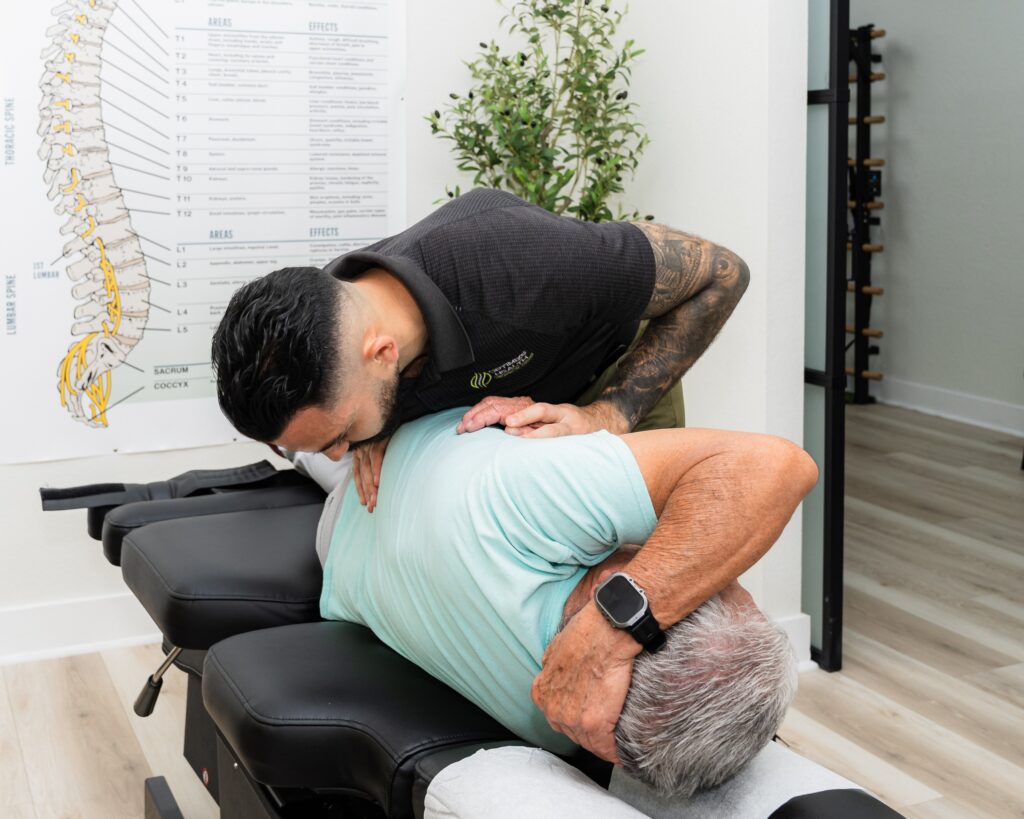
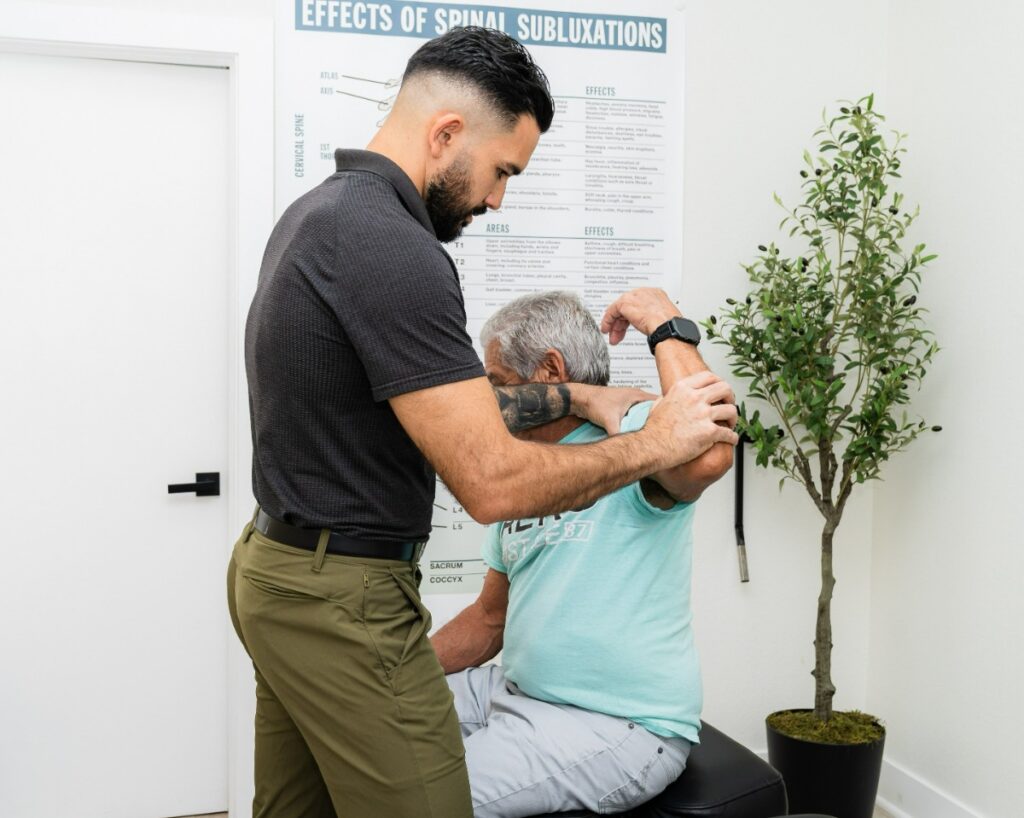
When recovering from a sports injury, it’s essential to understand the role that chiropractic care can play in your rehabilitation process. Each injury is unique, and so should be your approach to recovery.
As a local chiropractor, I encourage you to consult with a qualified professional who can evaluate your specific needs and limitations.
I will work with you to create a personalized rehabilitation plan tailored to your injury type, activity level, and goals. This may include targeted exercises designed to improve your strength, flexibility, and balance, all of which are vital for a full recovery.
Consistency is crucial in this process, so it’s important to follow the guidance provided and adhere to the recommended schedule. If you experience any discomfort during your exercises, please communicate this with me. Adjustments may be necessary to ensure you’re on the right path to healing.
Additionally, I emphasize the importance of incorporating rest days into your regimen, as your body requires time to recover and heal naturally.
Nutritional Support for Healing
As a local chiropractor, I want to emphasize the vital role that proper nutrition plays in your recovery from sports injuries. Nutrition isn’t just about eating well; it’s about fueling your body so it can effectively heal.
When you’re injured, your body needs specific nutrients to support the healing process. Let’s explore three essential components to include in your diet:
Protein: This macronutrient is crucial for repairing tissues and helping your muscles recover. I recommend focusing on lean sources of protein such as chicken, fish, beans, and legumes. These foods can provide the building blocks your body needs to heal effectively.
Omega-3 Fatty Acids: Known for their anti-inflammatory properties, omega-3 fatty acids can play a significant role in reducing swelling and discomfort. Incorporate foods like salmon, walnuts, and flaxseeds into your meals to help manage inflammation and promote recovery.
Vitamins and Minerals: Nutrients such as Vitamin C and zinc are important for collagen formation and supporting your immune system. Including citrus fruits, leafy greens, and nuts in your diet can provide these essential vitamins and minerals, aiding in a faster recovery.
By focusing on these key components in your nutrition, you’re not just supporting your recovery; you’re also enhancing your overall health.
As you heal, remember that chiropractic care can complement your nutritional efforts by addressing any misalignments or issues that may be hindering your recovery process. Let’s work together to get you back to your best self!
The Role of Mental Health in Recovery
As a local chiropractor, I want to emphasize that while physical healing from sports injuries is crucial, the role of mental health in your recovery journey is equally significant. Many athletes experience feelings of frustration, anxiety, or even depression while dealing with their injuries and the recovery process. Recognizing and addressing these emotions is essential for your overall healing.
Maintaining a positive mindset can greatly influence your recovery progress. Techniques such as visualization, where you imagine yourself performing at your peak, can be incredibly beneficial. Surrounding yourself with supportive teammates, friends, and family members who uplift you is also vital. Additionally, setting achievable goals helps keep you motivated and provides a sense of accomplishment throughout your recovery.
I encourage you to consider speaking with a sports psychologist or counselor who can assist you in developing personalized coping strategies. It’s important to remember that your mind and body are interconnected; by nurturing your mental health, you can enhance your physical recovery.
Engaging in self-care practices, such as meditation or mindfulness, can foster resilience and improve both your mental and physical well-being. Prioritizing your mental health is an essential component of getting back on the field, and my chiropractic care can support you through this journey.
Together, we can work towards helping you recover stronger than ever.
Incorporating Technology in Rehabilitation
As your local chiropractor, I want to share how incorporating technology can significantly enhance your recovery from a sports injury. Many patients are unaware of how various tools and applications can aid in tracking progress, maintaining motivation, and optimizing your healing process.
Here are three effective ways we can utilize technology in your rehabilitation:
Wearable Devices: These devices can monitor your physical activity levels, heart rate, and other recovery metrics. By providing real-time feedback, they help us adjust your treatment plan and training intensity for optimal healing.
Virtual Reality (VR): This innovative technology allows us to create immersive environments for your rehabilitation exercises. With VR, we can make your sessions more engaging and safe, enabling you to practice movements without the risk of further injury.
Mobile Apps: There are numerous apps available that offer guided workouts, track your exercises, and provide reminders for your rehab schedule. These tools can help keep you accountable and ensure that you stay on track during your recovery journey.
Preventative Measures for Future Injuries
As a local chiropractor, I want to share some valuable insights on how you can prevent future injuries and promote your overall well-being through natural healing methods. It’s crucial to focus on building strength, flexibility, and proper technique in your chosen activities to keep your body in optimal condition.
First, consider incorporating strength training exercises that target the key muscle groups relevant to your sport or daily activities. Strengthening these muscles helps stabilize your joints, which is essential for reducing the risk of injury and enhancing your performance.
Next, prioritize flexibility by integrating regular stretching routines or yoga sessions into your lifestyle. Improved flexibility and range of motion can significantly decrease the likelihood of strains and sprains, making your body more resilient.
Paying attention to your technique is also vital. Whether you’re running, jumping, or engaging in other physical activities, using the correct form minimizes unnecessary stress on your body. If you’re uncertain about your technique, I recommend working with a coach or trainer who can provide personalized feedback and help you refine your skills.
Lastly, never underestimate the importance of rest and recovery. Listening to your body and allowing ample time for healing is fundamental in rebuilding strength.
As your chiropractor, I can assist in ensuring that your spine and musculoskeletal system are functioning optimally, promoting better recovery and overall health.
Conclusion
As your local chiropractor, I want to share how chiropractic care can play a vital role in your recovery from sports injuries. By focusing on personalized rehabilitation plans that align with your unique needs, we can enhance your healing process. Alongside chiropractic adjustments, I encourage the incorporation of nutritional support and mental health strategies, which are essential for a well-rounded recovery.
Utilizing technology, like advanced imaging and biofeedback, allows us to monitor your progress and adjust your care as needed. It’s not just about healing; it’s about preventing future injuries and ensuring you have the strength to perform at your best. Communication is crucial—always share your feelings about your progress and any discomfort you experience during treatment.
Adopting this holistic approach, which combines chiropractic care with a focus on overall well-being, will better prepare you to return to your sport not just in good shape, but stronger and more resilient than ever. Let’s work together on your journey to recovery!
Discover how chiropractic care addresses underlying factors causing hip pain before it becomes chronic. Learn prevention strategies for lasting relief.
Struggling with daily arm pain? Discover how chiropractic treatment provides natural relief for shoulder pain, numbness, and tingling without medication.
Dr. Chang and staff were incredible! Gabby at reception was informative and kind during the check in process. Dr. Chang is very knowledgeable and informative. He was attentive and immediately understood my concerns. I instantly felt relief after speaking with him and getting treatment. I can’t recommend this office enough! I will definitely be back
Dr Chang and his team have been incredible! Just 2 visits in and the difference they have made for me are amazing. The team and office is very organized, timely, and very informative. Very glad I found them..Highly recommend!
The comprehensive evaluation process identified issues that other healthcare providers missed completely. I finally have a complete picture of my condition.
The comprehensive evaluation process identified issues that other healthcare providers missed completely. I finally have a complete picture of my condition.
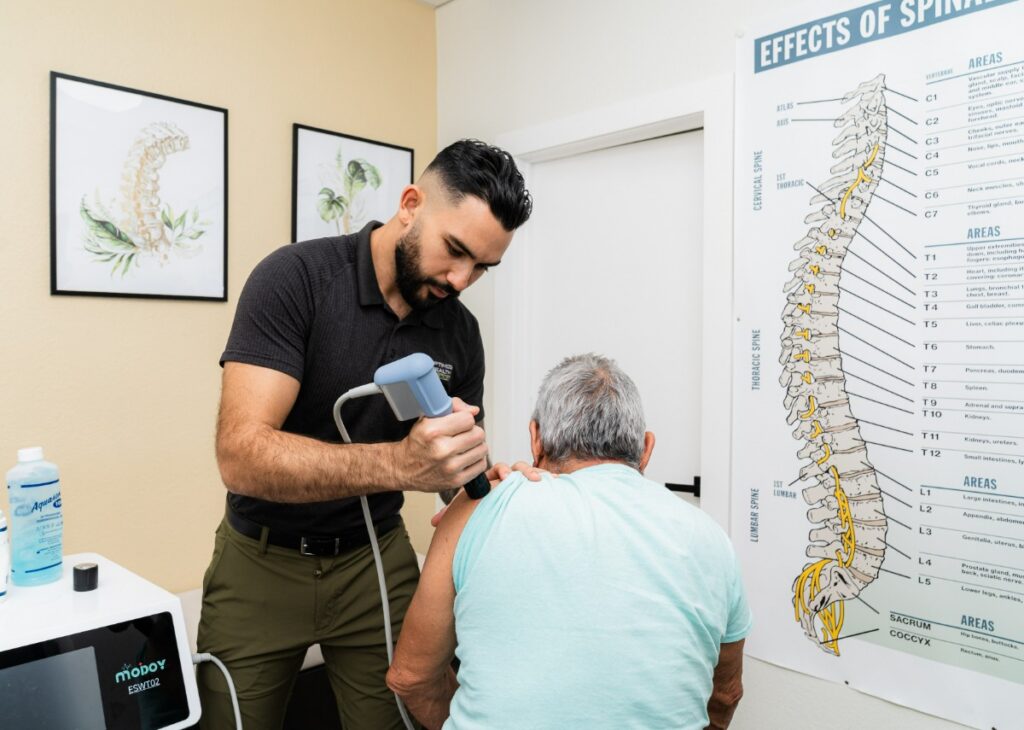
My plantar fasciitis pain disappeared with softwave therapy and I can walk normally again. The advanced technology succeeded where other treatments failed.
The gentle care and professional expertise made my family comfortable with chiropractic treatment. Everyone from kids to grandparents receives appropriate care.
Their educational approach and thorough explanations helped me understand my treatment options completely. I felt confident making informed decisions about my care.
Their investment in state of the art equipment demonstrates commitment to providing cutting edge healthcare. The technology makes a real difference in outcomes.
My sports injury responded quickly to their specialized treatment and I returned to competition ahead of schedule. The expertise and technology delivered exceptional results.
The decompression table provided immediate relief for my herniated disc and continued improvement with each session. The investment in advanced equipment really shows.
My chronic ankle injury healed with shockwave therapy and I can run and play sports again. The technology delivered results that traditional therapy couldn't achieve.
The family friendly atmosphere makes everyone comfortable including my nervous children who now look forward to visits. The staff's patience and kindness are exceptional.
Their commitment to patient education helped me understand my condition and motivated positive lifestyle changes. I'm taking better care of my health overall.
Their flexible scheduling and efficient systems make appointments convenient for my busy professional schedule. The staff coordinates everything seamlessly.
Today I had such severe lower back pain that I could barely walk. Dr. Chang did the initial consult and X-rays then started my treatment right there and then. After 1hr, I walked out with 80% less pain and now I am almost pain free at home. He and his staff truly care for their patients. Super informative and friendly. I highly recommend him for any of your chiropractic needs.
Omg I’m in shock. De. Chang was amazing. I was shocked by my xray as a first time patient with neck pain for so many months. Walked in with pain and left feeling like a feather. Excited to continue my treatments and see my results. Office was nice and staff was attentive.
After years of unresolved back pain, Dr. Dennis helped me achieve more relief in two months than I had found anywhere else. My day-to-day comfort, mobility, and overall quality of life have improved dramatically. What sets this office apart is their commitment to finding and treating the root cause of the problem, they don’t guess when it comes to your pain. They use X-rays and thorough evaluations to guide treatment. In my opinion, this should be considered the premier non-invasive spinal treatment center in South Florida.
Dr. Denis is one of the best of the business - he's extremely detail-oriented, thorough and an absolute master of his craft. I've been under Dr. Denis care for a few years and I always feel infinitely better after getting adjusted by him.<br><br>He always goes the extra mile, helping educate his patients to better understand their symptoms and the root cause of their issues. I know he's always there for me to answer any health-related questions I may have.<br><br>I wholeheartedly recommend him to anyone looking to take a step forward in any aspect of their overall health and well-being and couldn't be more thankful to be under his care.
Enjoyed my first session with Dr. Cheng! He was incredibly informative during our initial consultation and immediately I felt relief in the target areas.
Dr. D. Chang is truly the best. From the moment you walk in, you can tell the office is modern, clean, and equipped with the latest technology. Dr. Chang has incredibly skilled hands, a gentle approach, and a level of professionalism that immediately makes you feel confident and cared for.<br><br>The entire staff is also amazing, friendly, attentive, and welcoming every step of the way. You can tell they genuinely care about their patients and take pride in providing excellent service.<br><br>I have tried other places before, and there is honestly no comparison. Try others if you want, but once you experience Dr. Chang and this team, you will absolutely feel the difference. 100% recommend.
Optimize Health Chiropractic para mi fue una experiencia increíble gracias a los doctores Dennis y Nico que son muy dedicados y profesionales llegue a ellos con dolores intensos de cuello, hombros y braso. No dolores de meses fueron años y gracias a su gran experiencia y su programa de descompresión, ajuste y shock wave entre otros ya no tengo dolores. Respiro aliviada ya no tenía esperanza para una recuperación como la que solo ellos pudieron darme yo le daría un millón de estrellas y si un dia mis dolores regresaran volvería sin dudarlo gracias a todos en general los recomiendo 100%.
I waited after a month or so to drop this review to truly feel out the effects afterwards. First, I have to say that the customer service is truly amazing and Dr. Chang is truly passionate about his patients and their wellness. Secondly, the first 72 hours after the decompression and adjustment it’s a big rough if you truly were dealing with some issues but man afterwards you are definitely walking a bit taller once the initial release starts to settle. Since then I noticed I rest much better, my workouts are also much better. Along with much less cervical strains or pain than usual. Again, Thank you Dr. Chang 🐐💪🏼
Optimize Health is truly nothing short of amazing. I’ve been coming here for treatment over the past year for multiple lumbar and cervical disc bulges and herniations, and the improvement I’ve experienced has been life-changing.<br><br>From day one, Dr. Chang took the time to thoroughly explain everything in a way that made me fully understand my condition and treatment options. He created a customized plan specifically for me, and thanks to his expertise and care, I’ve improved tremendously.<br><br>The entire office and team are exceptional. Everyone is welcoming, professional, attentive, and genuinely caring. I’ve been adjusted by both Dr. Chang and Dr. Nico multiple times, and they are both phenomenal chiropractors who truly know what they’re doing. They use some of the best techniques and advanced technology available. The shockwave therapy and decompression beds have been absolutely incredible for my recovery.<br><br>They also offer EmSculpt and EmTone treatments, which I’ve personally used on my abdomen and have seen amazing results from as well. Even their high-tech massage chairs make a difference and help you relax while waiting for treatment.<br><br>The office itself is always spotless, modern, and pristine. If you’re dealing with pain, injuries, or looking for a chiropractor you can genuinely trust, I honestly could not recommend this office more. Every visit is a 10/10 experience.<br><br>Thank you, Dr. Chang and the entire team, for everything you’ve done for me. I’ll continue recommending you guys to everyone I know!
Exelente super Exelente 👌 llegas con dolor y sales como nuebo, el personal super agradable te tratan con parte de la familia Bendiciones para todos los que trabajan alli🤗
My experience at Optimize Health Chiropractic Center has been excellent. Dr. Chang and his staff are very professional, attentive, and caring. They handle patients with great respect and make every visit comfortable. I’m very happy with Dr. Chang’s practice and the quality of care he provides.
⭐️⭐️⭐️⭐️⭐️<br><br>Dr. Chang and Dr. Trujillo have been absolutely incredible in helping my son with his back issues. From the very first visit, they took the time to thoroughly explain what was going on and made sure we understood everything clearly. Their level of care, professionalism, and attention to detail truly stands out.<br><br>After just two visits, my son has already experienced significant relief, which has been such a blessing. He feels so much better and is genuinely grateful for the care he has received.<br><br>We are beyond thankful for Optimize Health and highly recommend their services 100%. If you’re looking for knowledgeable, compassionate doctors who truly care about their patients, this is the place to go.
I’ve had a great experience here from start to finish. The front desk team, Natalie and Anthony, are always welcoming, helpful, and keep everything running smoothly. They make scheduling easy and you’re greeted with a friendly vibe every time you walk in.<br><br>Dr. Chang and Dr. Nico are both amazing, knowledgeable, attentive, and they really take the time to listen and address your concerns. I always leave feeling better and confident in the care I’m receiving. The whole office is professional, efficient, and genuinely cares about their patients. Highly recommend!
This place is amazing Dr. Chen and Dr. Nico treat you like family. I was in so much pain and they have definitely helped me. I would recommend them 100%.
I’ve been under Dr. Chang’s and Dr. Trujillo’s care for over a year and it’s amazing how they’ve expanded and level up their care for everyone. They make booking appointments really easy, the attention to care is remarkable, their additional services like shockwave therapy, decompression help tremendously. Edna’s body care services are worth considering bc the body sculpting has a medical option or a shaping and toning option.
Dr. Chang and Dr. Trujillo are the absolute best; you couldn't find anyone better in Miami Lakes. They're both passionate about their craft and listen to your areas of concern. Gabi and Naty at the front desk are a delight and make booking appointments easy as can be. Thank you guys so much for everything!!
First time seeing a Chiropractor. Dr Denis Chang and his staff were very knowledgeable and welcoming.<br>His gentleness, expertise, attention to detail step by step procedures, have lifted a weight of my body. I left his practice feeling like a rejuvenated women.
Came in expecting 6-7 week recovery. After working with Guy Levy was able to get back into action in just a matter of a couple weeks. Perfect mix of recovery and preventative strength exercises. Highly recommend!
I had an amazing experience at Optimize Health Chiropractic Center. From the moment I walked in, the entire staff was welcoming, professional, and attentive. A special thank you to Natalie at the front desk—she is always friendly, organized, and makes the whole process smooth and stress-free.<br><br>Dr. Chang is exceptional. His professionalism, deep knowledge, and attention to detail truly set him apart. Every chiropractic adjustment is done with care and precision, and he takes the time to explain everything, which makes you feel confident and comfortable in your treatment.<br><br>The therapy system they use in the clinic is top-notch, and you can tell they are focused on providing effective, modern care. Most importantly, the results speak for themselves—I’ve experienced significant improvement and relief since starting treatment here.<br><br>Highly recommend Optimize Health Chiropractic Center to anyone looking for high-quality care and real results!
The clinic is very clean and well kept. The wait times are short. Dr.Chang and De.Nico are great doctors who truly care about your well being. They provide information throughout the adjusting process and find a program that fits your needs. I am currently doing adjustments, decompressions, and shockwave therapy. The clinic location is great being in the Miami Lakes Main Street area. Highly recommend visiting them if you’re dealing with pain and discomfort.
My office is nearby in Miami Lakes but I come all the way from Miami Beach for my scheduled appointments and it’s by far the best experience and I feel Extreme relief on my lower back every time. Thank you. Highly recommended
I had to stop by here and leave a review because these guys really deserve it. Dr. Denis has the best service, the best care and the best value for care in this county. This is the third chiropractor practice that I go to and they’re the only ones that have made me feel satisfied with care and service.
Their same day appointments saved me when my back went out and I couldn't wait. The immediate professional care prevented a trip to the emergency room.
Absolutely recommend!! Got adjusted by Dr. Trujillo today and my experience was great, from check in to explaining the procedures - given that it’s my first adjustment ever!! Super professional, will be returning soon!
In town for golf outing and needed an adjustment—I had heard about Dr. Chang, and he absolutely lived up to the hype. Truly incredible hands and immediate results. He has a deep understanding of how the body works and applies that knowledge with skill, precision, and attentiveness. I highly recommend him and will definitely be back the next time I’m in town.
I can’t say enough good things about Dr. Chang. I deal with intense back pain, and after my visits, my spine got so much better . He is incredibly skilled, attentive, and makes you feel comfortable from the moment you walk in. I’m so grateful I found him! 10/10
I can’t say enough great things about Optimize Health. I went to see them for a severe case of calcific tendinitis in my shoulder. I had tried everything, still had constant pain, and had almost no range of motion. I was told that surgery was my only option.<br><br>After just 5 sessions of shockwave therapy, I was completely cured. The pain is gone and my range of motion is fully back. Dr. Chang and Dr. Nico were absolutely amazing! Extremely knowledgeable, caring, and truly invested in my recovery. I’m beyond grateful for their expertise and highly recommend Optimize Health to anyone dealing with chronic pain or feeling like they’ve run out of options. Can’t thank them enough!!