
When you face a sports injury, the journey to recovery can seem daunting. However, understanding how chiropractic care can enhance your healing process is crucial. Many people are unaware that incorporating chiropractic techniques, alongside other therapeutic modalities like physical therapy and nutritional support, can significantly influence your recovery timeline. By adopting a holistic approach, we can address not only the physical components of your injury but also the mental challenges that often arise during rehabilitation.
As a local chiropractor, I encourage you to consider specific therapies that can optimize your recovery. Chiropractic adjustments can help realign your spine and joints, promoting better mobility and reducing pain. Additionally, we can work together on strategies to improve your overall wellness through nutrition and rehabilitation exercises. Embracing this comprehensive approach can pave the way for a successful return to your sport. Let's explore how chiropractic care can be a vital part of your healing journey.
Understanding Sports Injuries
As a local chiropractor, I want to help you understand sports injuries and how they can impact your health and performance. These injuries can catch athletes off guard during practice or competition, but with the right knowledge, you can take steps to protect yourself.
Generally, sports injuries fall into two main categories: acute and chronic.
Acute injuries occur suddenly, often as a result of a specific incident. For example, you might sprain your ankle while making a sharp turn or suffer a fracture after colliding with another player. These types of injuries typically require prompt attention, and their severity can vary significantly. As a chiropractor, I can provide immediate care to help alleviate pain and facilitate healing.
Chronic injuries, on the other hand, develop gradually over time, often due to repetitive motions associated with your sport. Activities like running or throwing can lead to conditions such as tendonitis or stress fractures. It's important to recognize the early signs of these injuries, such as persistent pain, swelling, or a decreased range of motion. By addressing these symptoms early, we can work together to prevent further damage and ensure a smoother recovery.
Understanding the risk factors associated with sports injuries is also crucial. Poor conditioning, inadequate warm-ups, and improper technique can increase your chances of getting hurt.
As your chiropractor, I can help you develop a tailored conditioning program and teach you effective warm-up techniques to keep your body in optimal condition. Always listen to your body and avoid pushing your limits, especially when fatigue or pain sets in.
Ultimately, my goal is to empower you with the knowledge to prevent sports injuries and seek timely treatment when necessary. By staying informed and proactive about your health, you can maintain your body's well-being and fully enjoy your favorite sports.
The Role of Physical Therapy
After experiencing a sports injury, effective recovery often relies on a holistic approach to healing. Chiropractic care plays a crucial role in your rehabilitation journey. It's not just about alleviating pain; it's about restoring balance, function, and mobility to your body.
When you visit a chiropractor, you're partnering with a specialist who understands the intricacies of your injury and can create a personalized treatment plan tailored specifically for your needs.
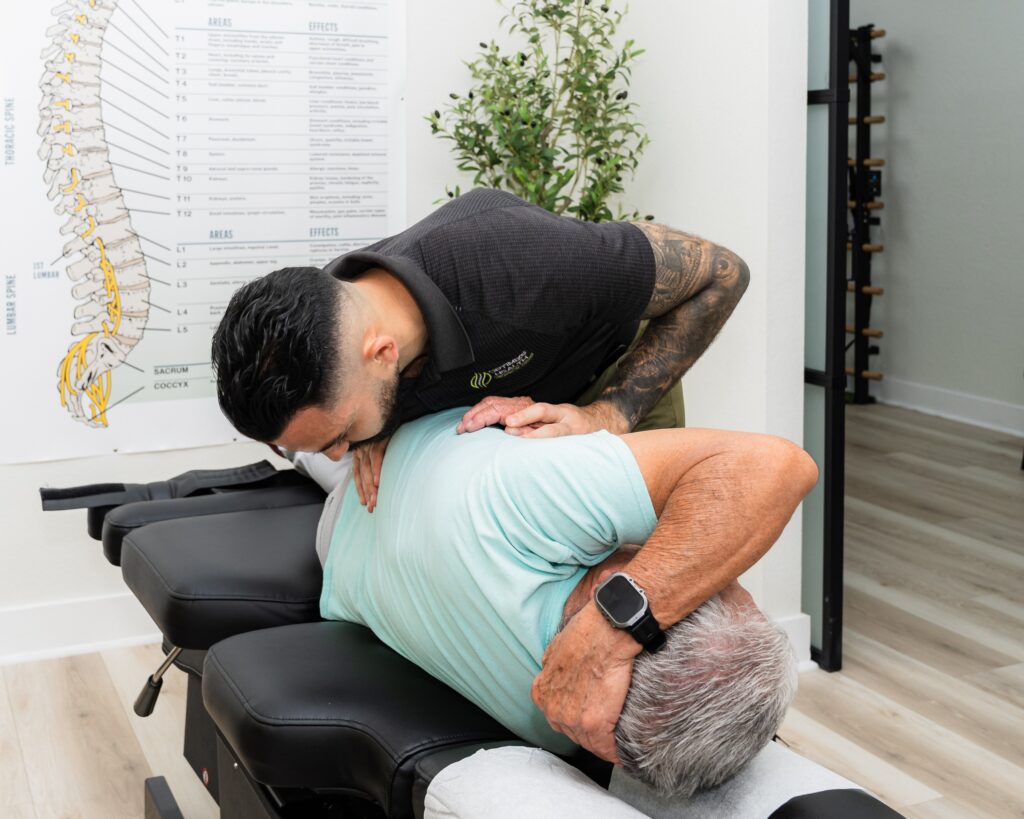
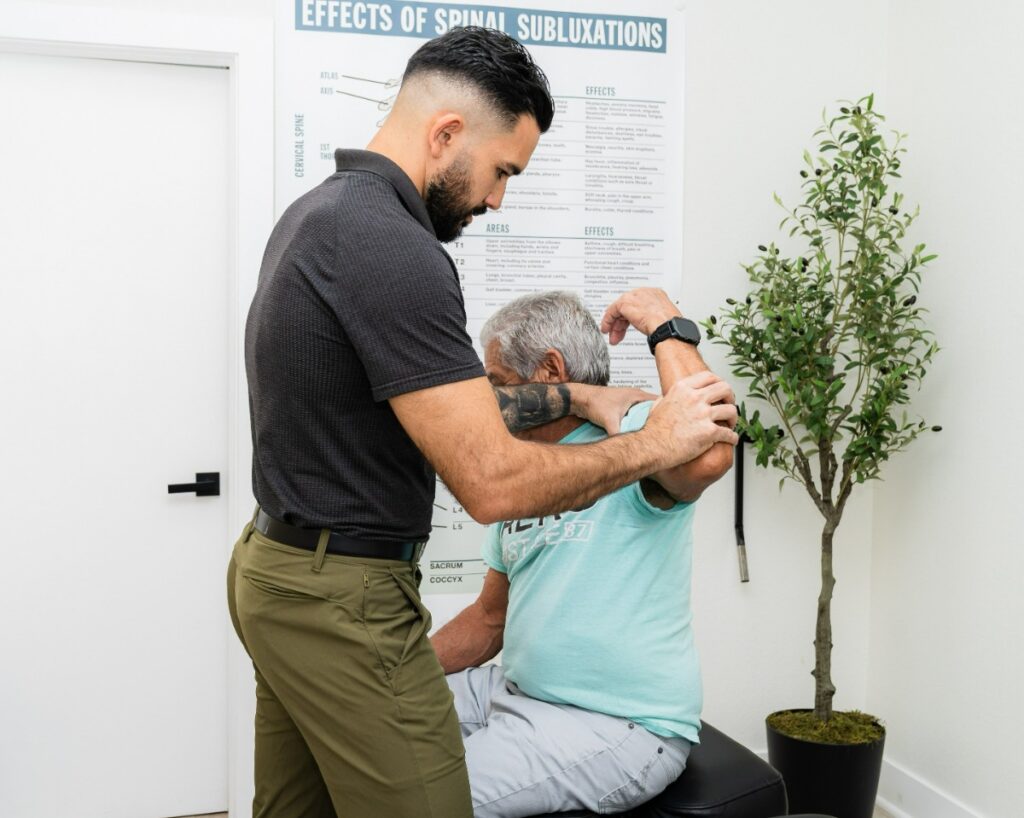
In the initial consultation, your chiropractor will thoroughly assess your condition, identifying any misalignments or areas of restriction that may be contributing to your discomfort. Together, you'll develop a customized care plan aimed at reducing pain and inflammation through natural methods. Techniques such as spinal adjustments, soft tissue therapy, and therapeutic exercises may be employed to facilitate your healing process.
As you begin to recover, chiropractic care will shift focus towards enhancing strength, flexibility, and overall body alignment. Your chiropractor will introduce specific exercises that gently challenge your body while ensuring you regain the necessary range of motion.
They'll also educate you on proper body mechanics and posture to prevent future injuries, emphasizing the importance of a well-aligned spine and musculoskeletal system.
Regular visits to your chiropractor provide motivation and support, which can be invaluable as you recover. They'll encourage you to stay engaged in your healing journey, helping you stay committed to your recovery goals while closely monitoring your progress.
Rehabilitation Exercises Explained
As a local chiropractor, I want to emphasize the importance of understanding the various types of rehabilitation exercises that can significantly contribute to your recovery journey.
Engaging in these exercises consistently is crucial; it not only enhances your healing process but also helps you regain strength and mobility.
Let's delve into how different rehabilitation exercises can support your recovery and why adhering to a routine is vital for optimal results.
Types of Rehabilitation Exercises
As a local chiropractor, I'm here to help you understand how rehabilitation exercises can significantly aid in your recovery journey. These exercises are vital for restoring your strength, flexibility, and overall functionality following an injury. You'll find that there are various types of rehabilitation exercises that can be seamlessly integrated into your routine.
To start, stretching exercises are fundamental in improving flexibility and alleviating stiffness in your muscles and joints. You can engage in static stretches, where you hold a position to lengthen your muscles, or dynamic stretches, which incorporate movement to enhance your range of motion.
Next, consider strengthening exercises, which are aimed at building muscle around the affected area. These can involve the use of resistance bands, weights, or even your own body weight to help you regain strength effectively.
Don't overlook the importance of balance and coordination exercises—especially if you're an athlete or lead an active lifestyle. These exercises are crucial for enhancing your stability and preventing further injuries. Activities such as single-leg stands or exercises on balance boards can be particularly beneficial.
Finally, maintaining your cardiovascular fitness is essential, and aerobic conditioning is the way to achieve that. Low-impact options like swimming or cycling can keep you engaged in physical activity without putting undue stress on your injury.
By incorporating a blend of these exercises into your rehabilitation program, you won't only support your healing process but also boost your confidence in your movements.
I always recommend consulting with your healthcare provider or a physical therapist to ensure that these exercises are tailored to your unique needs and recovery progress. Together, we can work towards a healthier, pain-free lifestyle through natural healing and chiropractic care.
Importance of Consistency
As a local chiropractor, I want to emphasize the importance of consistency in your rehabilitation exercises when recovering from a sports injury. Establishing a regular routine is crucial—not only does it help speed up your healing process, but it also plays a key role in building strength, improving flexibility, and regaining mobility.
Each time you engage in your prescribed exercises, you make significant strides towards your overall recovery, which is why sticking to your routine is so important. Neglecting your rehabilitation sessions can lead to setbacks, ultimately prolonging your recovery journey.
Consistent practice reinforces muscle memory, allowing your body to adapt and heal more effectively. You may even find that improvements in pain levels and functionality arise, which can be a great motivator to keep you on track.
Moreover, maintaining consistency in your exercises cultivates discipline—a valuable trait that extends beyond your recovery. It helps foster a positive mindset, keeping you focused on your healing goals.
To make this process easier, I recommend scheduling your rehab sessions just as you'd for any other important appointment. This way, you can stay committed and give your body the time it needs to heal naturally.
Benefits of Manual Therapy
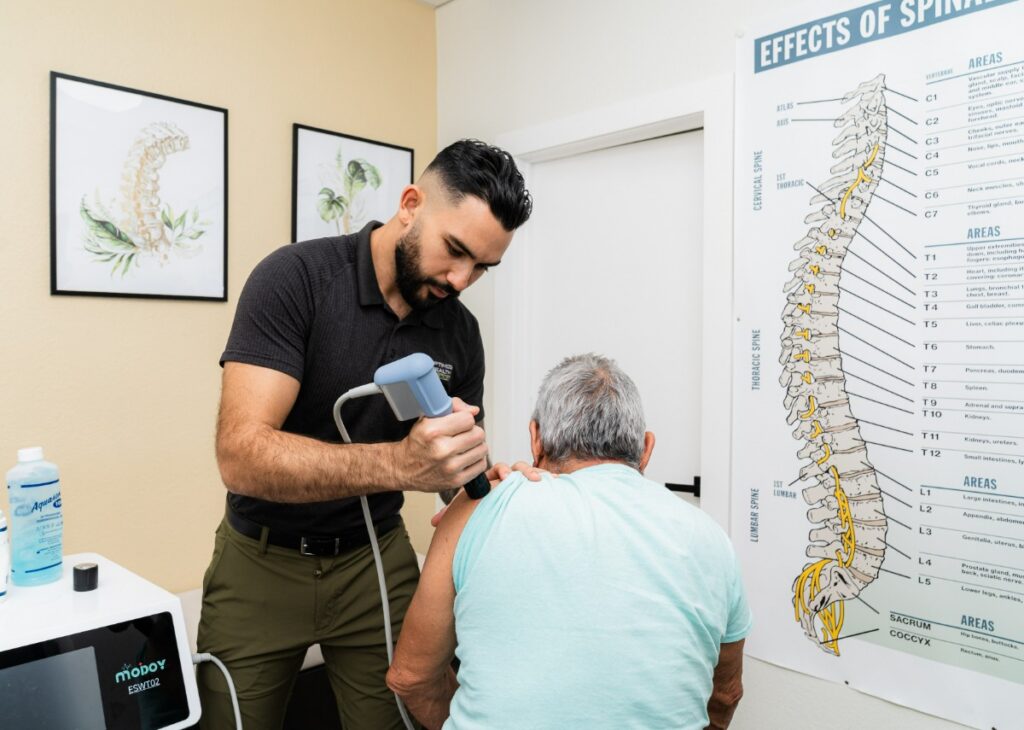
As a local chiropractor, I want to share the remarkable benefits of manual therapy, especially for athletes recovering from injuries. This hands-on approach is a crucial part of rehabilitation, helping to alleviate pain, improve mobility, and accelerate the healing process. By engaging in manual therapy, you can enhance your range of motion, which is essential for regaining functionality swiftly.
One of the key advantages of manual therapy is its effectiveness in reducing muscle tension. When you sustain an injury, your body often compensates by tightening surrounding muscles, leading to discomfort and stiffness. Through targeted manual therapy techniques, we can relieve this tightness and restore balance to your body. This means you can expect to experience less pain and greater comfort as you progress in your recovery.
Moreover, manual therapy plays a significant role in improving circulation. By enhancing blood flow, we ensure that vital nutrients and oxygen reach the injured tissues, which is critical for healing. You may find that this increased circulation also helps to reduce swelling and inflammation, contributing to a smoother and more efficient recovery process.
Another important benefit is the psychological support that manual therapy offers. The hands-on nature of this treatment fosters a sense of connection and care, which can be incredibly reassuring as you navigate your recovery journey. It's important to recognize that a positive mindset is a vital component of healing, and manual therapy can help bolster that.
Lastly, one of the most compelling aspects of manual therapy is its adaptability. I can tailor the techniques to suit your specific needs, taking into account your unique injury and progress. By incorporating manual therapy into your rehabilitation plan, you're setting yourself up for a quicker and more successful recovery, allowing you to get back to doing what you love sooner.
If you're curious about how chiropractic care can support your healing, I'm here to help guide you on your journey.
Exploring Alternative Treatments
As a local chiropractor, I want to emphasize the importance of considering alternative treatments when recovering from a sports injury.
Techniques such as acupuncture and massage therapy can play a vital role in pain relief and may accelerate the healing process.
Integrating these methods into your recovery journey can't only alleviate discomfort but also enhance your overall well-being.
Chiropractic care, in conjunction with these alternative therapies, can provide a holistic approach to healing, addressing both the symptoms and the underlying issues.
If you're unfamiliar with these options, I encourage you to explore them further, as they could significantly benefit your recovery and overall health.
Acupuncture for Pain Relief
As a local chiropractor, I want to share with you the benefits of acupuncture as a method for pain relief, especially for athletes recovering from injuries.
This ancient practice, which involves the careful insertion of thin needles into specific points on the body, can stimulate healing and help alleviate pain.
If you're new to acupuncture and considering it as part of your recovery process, here are four key benefits to keep in mind:
- Reduced Pain Levels: Many patients experience significant reductions in chronic pain after just a few sessions of acupuncture, making it a promising option for those dealing with lingering discomfort.
- Enhanced Recovery Time: Acupuncture can promote faster healing by increasing blood flow to the injured areas, helping to speed up your recovery process.
- Improved Flexibility: Regular acupuncture sessions can help loosen tight muscles, which may improve your overall range of motion and flexibility—essential for athletes.
- Holistic Approach: One of the greatest strengths of acupuncture is its holistic nature. It addresses not only the physical aspects of recovery but also the emotional factors, contributing to your overall well-being.
I encourage you to explore the potential of acupuncture as a complementary treatment alongside chiropractic care, as together they can enhance your healing journey.
Massage Therapy Benefits
As a local chiropractor, I want to share with you the incredible benefits of incorporating massage therapy into your recovery plan, especially if you're dealing with sports injuries.
Massage therapy is a powerful tool that can significantly enhance your healing process. By improving blood circulation, it ensures that essential nutrients are delivered to injured tissues, promoting faster recovery times.
When you're experiencing tight or sore muscles, massage therapy can help alleviate that tension, bringing you relief from pain and discomfort. This relief not only feels great but also helps you regain your mobility more quickly, allowing you to return to your activities sooner.
Moreover, massage therapy stimulates your body's production of endorphins—nature's own painkillers. This can lead to a noticeable reduction in how you perceive pain, making your recovery journey a bit easier. You might also find that regular massage sessions help reduce stress and anxiety, fostering a more positive mindset as you heal.
Another important aspect to consider is that massage therapy can effectively break down scar tissue that often develops after an injury. This process enhances your flexibility and reduces the likelihood of future injuries, making it an invaluable component of your rehabilitation routine.
Integrating massage therapy into your overall treatment plan can work hand-in-hand with other therapies like physical therapy or acupuncture.
Importance of Nutrition in Recovery
As your local chiropractor, I want to emphasize how crucial nutrition is for your recovery from sports injuries. The way you nourish your body can significantly influence the healing process. By focusing on the right foods, you can improve your recovery time, minimize inflammation, and aid in rebuilding damaged tissues.
Here are some key nutritional factors to consider as part of your healing journey:
- Protein Intake: Think of protein as the building blocks for your body. It's vital for repairing tissues, especially after an injury. Incorporate lean sources such as chicken, fish, and legumes into your meals to support muscle regeneration and strength.
- Hydration: Staying well-hydrated is essential. Proper hydration aids in transporting nutrients throughout your body and can help reduce swelling during your recovery. Make it a habit to drink plenty of water, and consider adding electrolyte-rich beverages, especially after intense workouts or chiropractic therapies.
- Vitamins and Minerals: Essential nutrients like vitamin C and zinc are crucial for collagen formation and boosting your immune system. To ensure you're getting a diverse array of these nutrients, incorporate a variety of fruits, vegetables, nuts, and whole grains into your diet.
- Anti-Inflammatory Foods: To combat inflammation, which is vital for healing, include foods rich in omega-3 fatty acids in your meals. Choices like salmon, walnuts, and flaxseeds can be beneficial in reducing inflammation and promoting a smoother recovery process.
By paying attention to these nutritional aspects, you can enhance your recovery and overall health.
Mental Health and Injury Recovery
Recovering from a sports injury is a multifaceted process that goes beyond just physical rehabilitation; it also deeply involves your mental health. As a chiropractor, I want to emphasize that when you sustain an injury, it's completely normal to experience a range of emotions—like frustration, sadness, or anxiety. These feelings can significantly affect your motivation and commitment to your recovery journey.
It's crucial to recognize and address your mental state to ensure a successful comeback. Maintaining connections with your support network—friends, family, and teammates—can be incredibly beneficial. Sharing your thoughts and emotions can lighten the emotional load you may be carrying.
If you're finding it challenging to cope, consider seeking the guidance of a sports psychologist or therapist who specializes in injury recovery. They can equip you with coping strategies that are tailored to your specific needs.
As you work towards recovery, focus on setting realistic and achievable goals. Celebrate the small victories along the way, whether it's regaining mobility or completing a physical activity. Acknowledging these accomplishments can boost your confidence and help you maintain a positive mindset.
Visualization techniques can also play a key role in your healing; by picturing yourself back in action, you reinforce your commitment to recovery. Incorporating mindfulness practices, such as meditation or yoga, can help you stay grounded and effectively manage stress.
Remember, your recovery journey is unique to you, and it's perfectly acceptable to experience ups and downs along the way. By prioritizing your mental health, you not only aid your physical recovery but also prepare yourself for future challenges in your athletic career.
Embrace this time as an opportunity for personal growth—both physically and mentally—and consider how chiropractic care can support you on this journey towards holistic healing.
Injury Prevention Strategies
As a local chiropractor, I want to help you understand the importance of injury prevention strategies to keep you active and healthy. By embracing natural healing and proactive measures, you can enhance your overall well-being while minimizing the risk of injuries. Here are four essential strategies to consider:
1. Proper Warm-Up and Cool Down: Before any physical activity, it's crucial to begin with a thorough warm-up. This prepares your muscles and joints, reducing the risk of injury.
Similarly, the cool down is just as important; it aids in recovery and helps alleviate muscle stiffness, allowing your body to transition back to a resting state.
2. Strength and Flexibility Training: Engaging in strength exercises for key muscle groups, along with flexibility routines, can significantly improve your range of motion.
A balanced fitness regimen not only enhances your stability but also plays a vital role in lowering the chances of injuries—an area where chiropractic care can provide additional support.
3. Use Appropriate Equipment: Ensure that you're equipped with the right gear for your chosen sport or activity.
Wearing proper footwear and utilizing protective gear can greatly reduce impact and prevent injuries. As a chiropractor, I can guide you on the best equipment options based on your individual needs.
4. Listen to Your Body: It's essential to be in tune with your body and recognize any signs of discomfort or pain.
Ignoring these signals can lead to more serious injuries over time. If something doesn't feel right, it's crucial to take a break and evaluate the situation. Chiropractic care can help you address these concerns and promote natural healing.
By adopting these strategies, you can't only enhance your athletic performance but also maintain your overall health and well-being.
If you have any questions or need assistance with injury prevention, feel free to reach out—I'm here to help!
Return-to-Sport Protocols
Returning to your sport after an injury can be a daunting experience, but as your local chiropractor, I want to emphasize that following structured return-to-sport protocols can facilitate a safe and effective transition back to play.
These protocols are akin to a roadmap, guiding you through your rehabilitation journey and helping you reach full participation in your sport. They're meticulously designed to reduce the risk of re-injury while ensuring that you regain the strength, flexibility, and confidence essential for optimal performance.
The first step is to evaluate your readiness by consulting with a certified healthcare professional, such as myself. I'll conduct a thorough assessment of your physical condition and assist you in setting specific, measurable goals tailored to your recovery.
This initial evaluation is crucial; it establishes the foundation for your personalized recovery plan.
From there, we'll progress through various stages together. These typically include mobility work, strength training, functional exercises, and sport-specific drills.
Initially, we'll focus on regaining your full range of motion before moving on to strength-building activities. Once you can perform basic movements without pain, we can introduce more complex exercises that closely resemble the demands of your sport.
As we navigate this process, it's essential to remain in tune with your body's responses. Should you experience any pain or setbacks, I encourage open communication so we can adjust your recovery plan accordingly.
Gradually, we'll reintroduce sport-specific activities, ensuring that you practice skills in controlled environments before diving back into competitive play.
Finally, maintaining clear communication with your coaches and teammates is vital. They can offer support and encouragement during your reintegration into the sport.
By adhering to a structured return-to-sport protocol, you'll be well-prepared for a successful and safe comeback.
Conclusion
As a local chiropractor, I want to share some insights on how you can enhance your recovery from sports injuries through a holistic approach. It's important to understand that effective recovery goes beyond just rest; it involves a combination of physical therapy, rehabilitation exercises, and proper nutrition.
In my practice, I emphasize the benefits of manual therapy, which can help alleviate pain and improve mobility. Additionally, exploring alternative treatments, such as chiropractic adjustments, can significantly boost your healing process by ensuring your body is aligned and functioning optimally.
Don't underestimate the role of mental health in your recovery journey. Maintaining a positive mindset can have a profound impact on your healing. I encourage you to communicate openly with me and your healthcare team to develop a personalized recovery plan tailored to your needs. By doing so, we can work together to ensure you return to your sport safely and effectively, while also minimizing the risk of re-injury. Remember, your health is our priority, and with the right approach, you can achieve a full recovery.