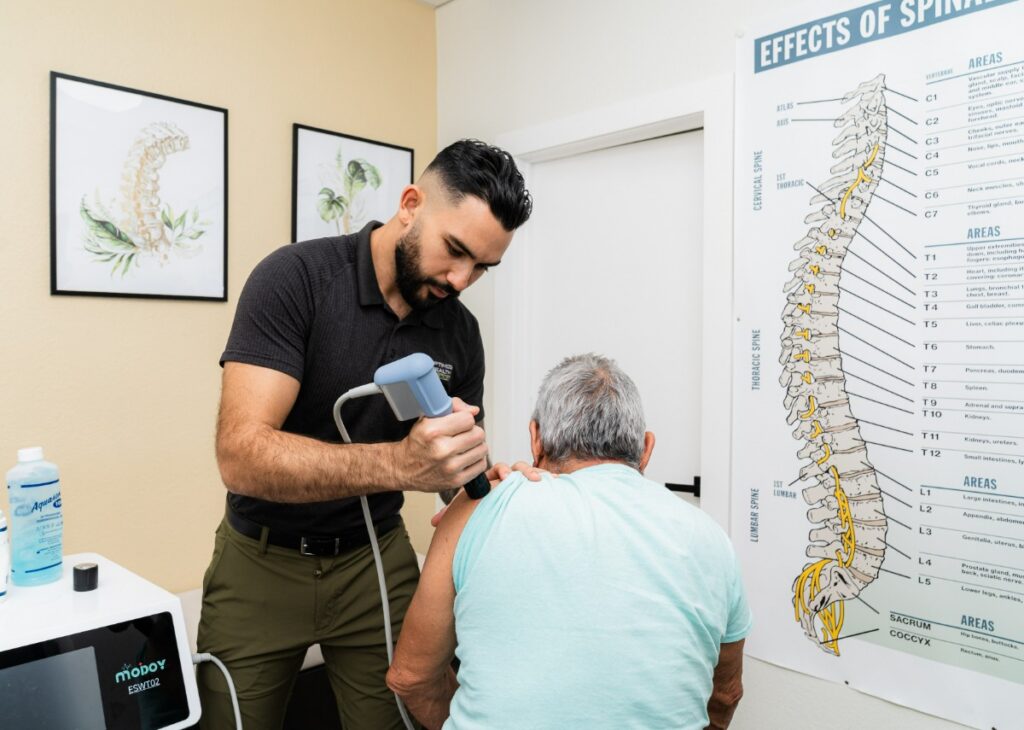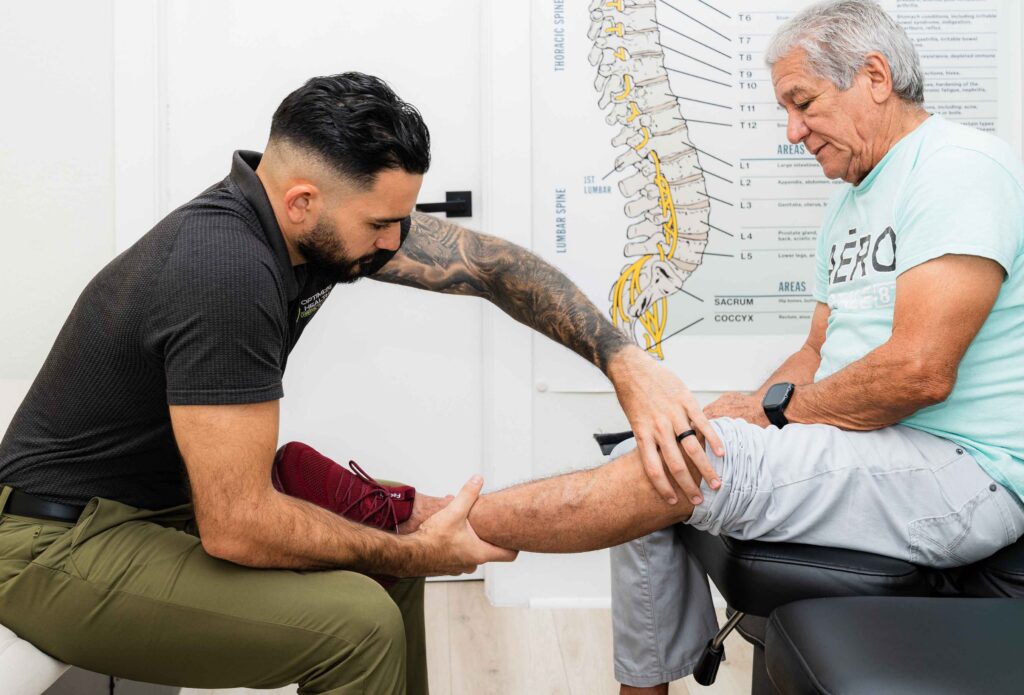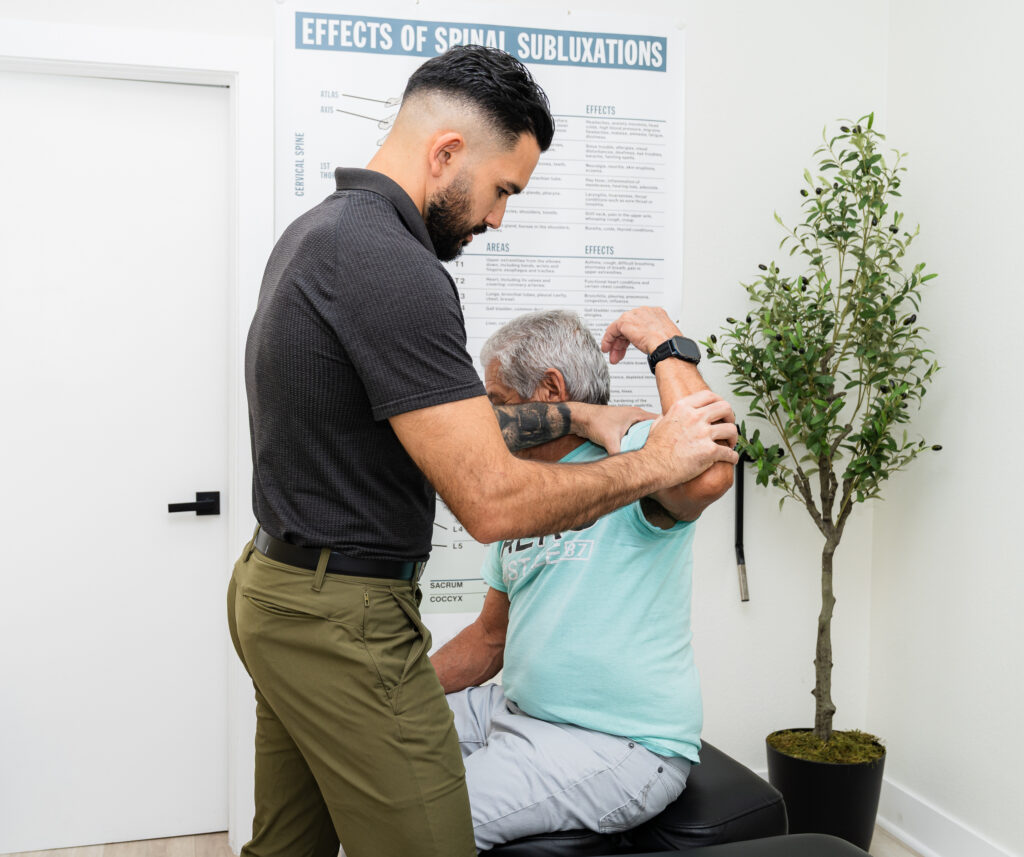

As your local chiropractor, I want to emphasize how crucial joint flexibility is for your daily activities. Many people don't realize the significant impact that stiffness can have on their movement until they experience it firsthand. By incorporating effective stretching techniques and mindful movement practices, you can greatly enhance your range of motion.
It's also important to remember that nutrition plays a vital role in supporting joint health, a factor that is often overlooked. As you begin to explore these elements, you may discover that a holistic approach to your well-being can lead to substantial improvements in how you feel and move.
So, what specific steps can you take to enhance your flexibility and movement? Consider incorporating regular stretching routines, engaging in low-impact exercises, and focusing on a balanced diet rich in anti-inflammatory foods. At our practice, we are here to guide you through these steps and support you in your journey towards better joint health and overall wellness.
Importance of Joint Flexibility
As a local chiropractor, I want to take a moment to highlight the importance of joint flexibility and how it can significantly enhance your overall movement and health. Many of my patients are often unaware of just how crucial joint flexibility is for performing everyday tasks. When your joints can move freely, you have the ability to bend, twist, and reach without discomfort or restriction.
This flexibility not only broadens your range of motion but also plays a vital role in preventing injuries. With flexible joints, you're less likely to strain muscles or ligaments during physical activities, which becomes especially important as we age.
Furthermore, maintaining good joint flexibility contributes to better posture and alignment. When your joints are functioning properly, your body can uphold a natural and balanced position, reducing the risk of chronic pain that often arises from poor posture. This is particularly relevant for those of you who spend long hours sitting at a desk or engaging in repetitive activities.
Joint flexibility also supports athletic performance. Whether you're running, swimming, or participating in any sport, having flexible joints enables you to move more efficiently. You'll likely notice improvements in your speed, agility, and overall performance capabilities.
Incorporating exercises that promote flexibility into your daily routine can also increase your body awareness. You'll become more attuned to how your body moves, allowing you to make adjustments that foster health and comfort.
Ultimately, prioritizing joint flexibility can lead to a more active and fulfilling lifestyle, enabling you to engage in the activities you love without limitations.
Effective Stretching Techniques
As a local chiropractor, I want to share with you the importance of mastering effective stretching techniques to enhance your joint flexibility. Stretching isn't just a warm-up activity; it plays a vital role in improving your range of motion, preventing injuries, and promoting overall joint health. By incorporating a few specific stretching methods into your routine, you can make a significant impact on your well-being.
Let's start with dynamic stretching. This technique involves moving your body parts through their full range of motion, which helps to warm up your muscles and prepare them for physical activity. Incorporating movements like arm circles, leg swings, and walking lunges can be incredibly beneficial.
These exercises not only increase blood flow but also enhance flexibility and lower the risk of strains, making them a perfect addition before any workout.
After you've exercised, it's essential to transition to static stretching. This method focuses on holding stretches for about 15 to 30 seconds and targets major muscle groups and joints, including your hamstrings, quadriceps, and shoulders.
For example, try sitting on the floor and reaching for your toes to effectively stretch your hamstrings. Remember to take deep breaths and relax into each stretch; this will enhance its effectiveness and promote relaxation.
Lastly, I recommend incorporating proprioceptive neuromuscular facilitation (PNF) stretching into your routine. This advanced technique involves alternating between contracting and relaxing your muscles, which can significantly boost both flexibility and strength.
You can practice this with a partner or use a strap for assistance. A great example is lying on your back and pulling one leg towards you while gently pushing against it for a few seconds. This method can lead to substantial improvements in your flexibility.
Targeted Exercises for Joints
As a local chiropractor, I want to share some insights about the importance of targeted exercises for joint health. These exercises can play a crucial role in maintaining strength and flexibility in your joints, ultimately enhancing your overall well-being. By focusing on specific joints that may need improvement, you can build supporting muscle and increase their range of motion.
If you're experiencing stiffness or are in the process of recovering from an injury, incorporating targeted exercises into your routine can lead to significant benefits. Start with low-impact movements that engage major joints, such as your knees, hips, and shoulders. Simple exercises, like leg raises, arm circles, or ankle rotations, can be incredibly effective.
For example, while sitting comfortably, try extending your leg straight out and holding it for several seconds—this will help strengthen your knee joint. As you build strength, you can gradually increase the duration of these holds.
To further enhance the muscles around your joints, consider incorporating resistance training into your routine. This can be done with resistance bands or light weights. Exercises such as bicep curls for your elbows or squats for your knees are excellent choices.
It's vital to start slowly and listen to your body—never push through any pain. Balance exercises are another important aspect of joint stability that I encourage you to include. Activities like standing on one leg or using a balance board can help improve your proprioception, which is crucial for maintaining control and preventing falls.
Above all, consistency is key. I recommend adding these targeted exercises into your weekly routine. With dedication, you may notice improved joint function and reduced discomfort over time.
Mindful Movement Practices
As a local chiropractor, I often see patients who are unaware of the incredible benefits that mindful movement practices can bring to their joint flexibility and overall health. Incorporating these practices into your daily routine can truly be a game-changer, helping you connect more deeply with your body and expand your range of motion.
By focusing on the present moment during these activities, you won't only cultivate greater awareness but also enhance your physical capabilities.
Here are three mindful movement practices I highly recommend:
- Yoga: This ancient practice is a fantastic way to promote both flexibility and strength. Through a series of postures and breath control, yoga allows you to stretch your joints effectively while also improving balance and coordination. Many of my patients find that regular yoga practice aids in their recovery and overall wellness.
- Tai Chi: Often referred to as "meditation in motion," Tai Chi involves slow, deliberate movements paired with deep breathing. This gentle practice is particularly beneficial for enhancing joint mobility and reducing stress, making it suitable for individuals of all ages. I've seen many patients experience significant improvements in their mobility and relaxation through Tai Chi.
- Dance: Whether you join a structured class or simply dance at home to your favorite music, this joyful activity encourages fluid movement and rhythm. Dancing isn't only a fun way to loosen your joints but also serves to elevate your mood and energy levels. It's a wonderful way to integrate movement into your life while having a great time!
Nutrition for Joint Health
As a local chiropractor, I want to emphasize the importance of nourishing your joints to maintain mobility and overall health. The right nutrition can play a significant role in supporting your joint health, and I'm here to help you understand how.
To start, consider incorporating more omega-3 fatty acids into your diet. These beneficial fats, found in fatty fish like salmon, walnuts, and flaxseeds, can help reduce inflammation and alleviate joint pain. By adding these foods to your meals, you can make a positive impact on your joint health.
Antioxidants are another essential component. Foods such as berries, spinach, and nuts are rich in antioxidants, which combat oxidative stress and promote healthier joints. Additionally, vitamin C, plentiful in citrus fruits and bell peppers, is vital for collagen production, which is necessary for maintaining the integrity of your joints.
Don't forget about calcium and vitamin D; these nutrients are crucial for maintaining bone density, which directly supports your joints. You can find these in dairy products, leafy greens, and fortified foods. If you have dietary restrictions, such as lactose intolerance or a vegan lifestyle, I encourage you to explore alternative sources or consider supplements to ensure you're getting enough.
Hydration is also key for joint health. Drinking enough water helps lubricate your joints, allowing them to move smoothly. Make it a habit to stay hydrated throughout the day, especially if you lead an active lifestyle.
Finally, I urge you to limit processed foods that are high in sugar and unhealthy fats, as these can contribute to inflammation and worsen joint issues. Instead, focus on whole grains, lean proteins, and healthy fats to nourish your body.
Conclusion
As a local chiropractor dedicated to your health, I want to share some valuable strategies that can significantly improve your joint flexibility and overall movement. By integrating effective stretching techniques into your daily routine, practicing mindfulness, and nourishing your body with the right nutrients, you can provide essential support to your joints and enhance your well-being.
It's important to remember that consistency is key; even small, positive changes can lead to substantial improvements over time. I encourage you to embrace these techniques and truly listen to your body as you progress. By doing so, you can enjoy the freedom that comes with improved mobility in your everyday life. Your joints will certainly appreciate the care you give them! If you have any questions or need guidance on how to get started, don't hesitate to reach out.