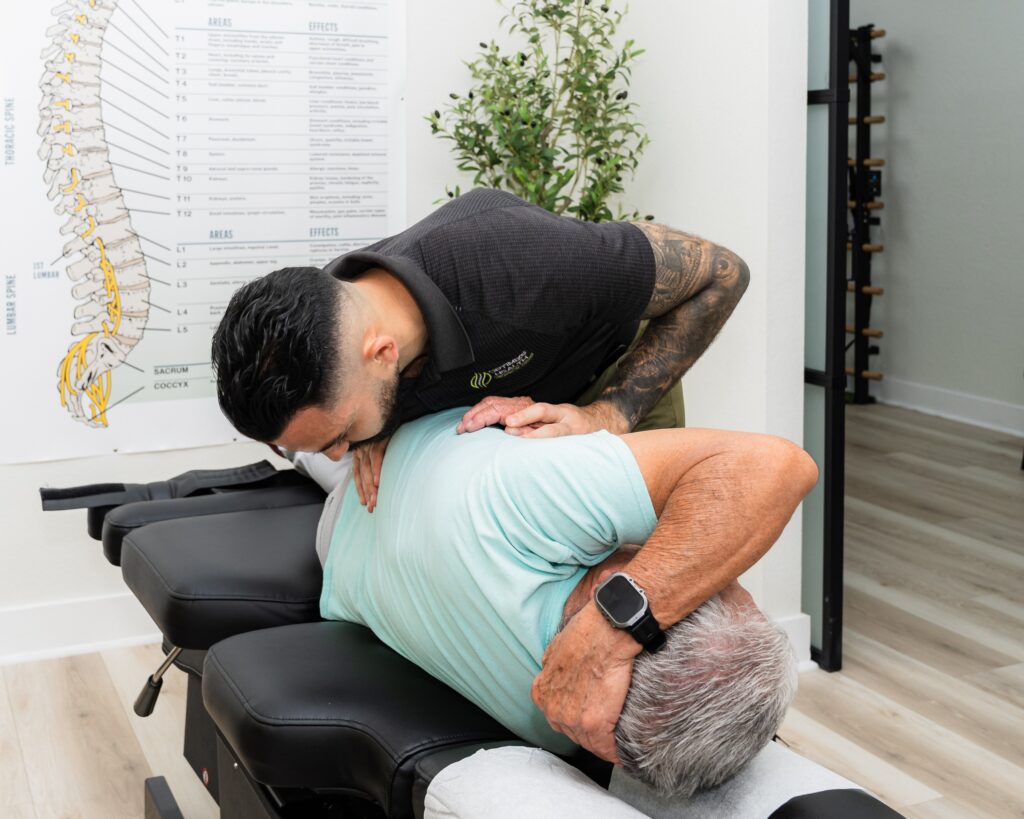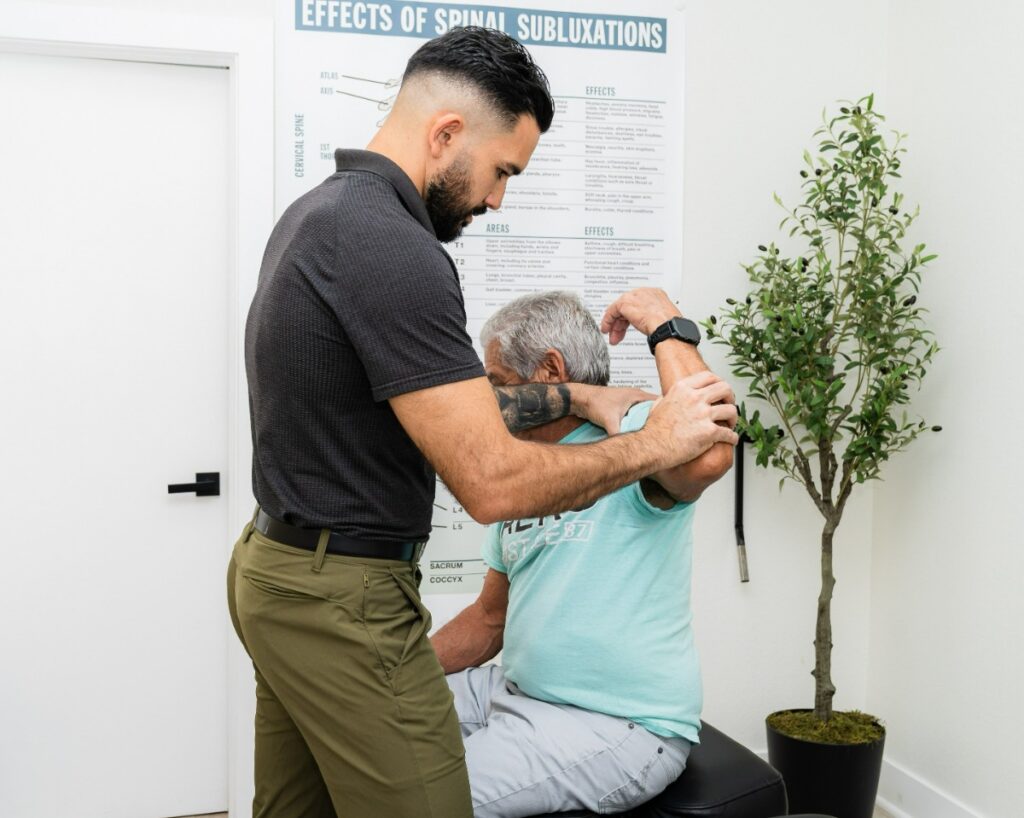

As your local chiropractor, I understand that many of you may feel overwhelmed by the constant dependence on medications for pain relief. I encourage you to consider exploring natural alternatives that can be just as effective, if not more so. Techniques like mindfulness practices, herbal remedies, and incorporating physical activity into your routine can offer holistic solutions to your discomfort.
You may be surprised by how minor adjustments in your daily habits can lead to significant improvements in your overall well-being. I would like to share some lesser-known methods with you that have the potential to transform your approach to managing pain. Through chiropractic care, we focus on restoring balance within your body, which can pave the way for a more comfortable life. Together, we can uncover a new path to healing and comfort that empowers you to take control of your health naturally.
Mindfulness and Meditation
As a chiropractor, I often see the profound impact that mindfulness and meditation can have on pain management. These practices are valuable tools that can help you connect more deeply with your body and emotions, allowing you to respond to discomfort with increased resilience. Rather than feeling overwhelmed by pain, you can learn to observe it without judgment, which may significantly lessen its intensity.
To begin incorporating mindfulness into your routine, find a quiet spot where you can sit comfortably. Close your eyes and take several deep breaths, allowing yourself to relax with each exhale. Shift your focus to your breath as it moves in and out. If your mind begins to wander, gently redirect your attention back to your breathing. This simple exercise helps cultivate a greater awareness of your body's sensations, including any areas of pain you may be experiencing.
As you practice mindfulness, pay attention to how pain manifests in your body. Is it sharp, dull, or throbbing? Recognize these sensations without attempting to alter them. Over time, embracing this acceptance can diminish the fear and anxiety often associated with pain, making it easier for you to cope.
In addition to mindfulness, meditation can foster a sense of calm and balance in your life. I encourage you to explore guided meditations specifically focused on pain relief. These resources can offer structured techniques to weave mindfulness into your daily routine, empowering you to take an active role in your pain management.
Herbal Remedies
As your local chiropractor, I want to share some natural approaches to help you manage pain effectively. Many patients are unfamiliar with the benefits of herbal remedies, which have been used for centuries to alleviate various types of discomfort, from headaches to joint pain and muscle soreness.
One of the most powerful herbs you can consider is turmeric. Its active component, curcumin, has strong anti-inflammatory properties that can help reduce pain and swelling. You can easily incorporate turmeric into your meals or take it as a supplement, and I can guide you on the best ways to do this.
Another herb with notable benefits is ginger. Known for its analgesic effects, ginger can be consumed in tea or used as ginger oil for a soothing massage, helping to ease pain effectively.
If you're dealing with persistent pain, you might also explore willow bark. This herb contains salicin, which works similarly to aspirin in reducing pain and inflammation. Willow bark is available in both tea and supplement forms, and I can help you determine the right dosage.
For those suffering from nerve pain, St. John's Wort is worth considering. This herb may provide relief from nerve-related discomfort while also supporting your mood, which can be beneficial in your overall healing process.
Peppermint is another fantastic remedy that shouldn't be overlooked. Its menthol content creates a cooling sensation that can relieve tension headaches, whether applied topically or enjoyed as a tea.
Additionally, chamomile is known for its muscle relaxation properties and can aid in improving your sleep, indirectly supporting your pain management journey.
Before diving into any herbal remedies, I highly recommend discussing them with me or another healthcare professional to ensure they're suitable for your specific needs. Everyone's body reacts differently, and together we can find the best approach for you.
Physical Activity
As your local chiropractor, I want to emphasize the importance of incorporating physical activity into your daily routine to enhance your pain management strategies. Engaging in regular exercise can significantly improve your overall well-being by releasing endorphins—your body's natural pain relievers.
When you move, you're not only uplifting your mood but also strengthening your muscles and increasing your flexibility, which makes your body more resilient to discomfort.
It's essential to understand that you don't need to commit to high-intensity workouts to experience these benefits. Simple activities like walking, swimming, or practicing yoga can make a substantial difference in how you feel.
I recommend aiming for at least 30 minutes of moderate activity most days of the week. If you're new to exercise, start with shorter sessions and gradually increase your time as you become more comfortable.
Listening to your body is crucial. If you find that a specific activity causes you pain, it's important to try something else that feels better. Low-impact exercises, such as cycling or gentle stretching, can be easier on your joints while still providing the benefits of movement.
Consistency is key—making physical activity a regular part of your life can lead to noticeable improvements over time.
In addition to alleviating pain, regular exercise can also enhance your sleep quality and boost your energy levels. When you're active, you may feel more in control of your body and its capabilities, which empowers you on your journey to pain management.
Acupuncture Techniques
When considering natural pain management techniques, acupuncture is a noteworthy option that often complements chiropractic care. This ancient practice involves inserting thin needles into specific points on the body to stimulate energy flow, commonly referred to as "qi." Many individuals experience relief from chronic pain, headaches, and even emotional stress through this method.
As a chiropractor, I encourage you to explore acupuncture alongside your chiropractic treatments. To get started, it's essential to find a licensed acupuncturist who's experienced and knowledgeable. During your initial session, they'll discuss your pain concerns and assess your overall health, which helps them determine the most effective acupuncture points to target for your specific needs.
While you might feel a slight pinch during the needle insertion, most patients report minimal discomfort. Once the needles are placed, many people experience a deep sense of relaxation as their body responds positively to the treatment. Acupuncture sessions typically last between 30 to 60 minutes, and several treatments may be necessary to achieve optimal results.
Incorporating acupuncture into your pain management strategy can significantly enhance your overall well-being. Many patients report improved sleep, reduced anxiety, and a greater sense of balance in their lives when combining this technique with chiropractic care.
As you consider adding acupuncture to your routine, I encourage you to maintain open communication with your practitioner about your experiences and any changes you notice in your pain levels.
Acupuncture provides a holistic approach that aims to treat the root cause of your pain rather than merely masking the symptoms. By integrating this technique with chiropractic adjustments, you may uncover a powerful ally in your journey toward relief and wellness.
Essential Oils
As a local chiropractor, I want to share with you the benefits of using essential oils as a natural approach to managing pain. Many of my patients have found oils like lavender and peppermint to be quite effective in alleviating discomfort.
Each of these oils brings its own set of unique advantages that can complement your chiropractic care.
Understanding how to properly apply these essential oils is key. You can use them in various ways, such as through diffusion to create a calming environment or applying them topically for targeted relief.
When combined with chiropractic adjustments and other holistic practices, essential oils can significantly enhance your overall pain relief experience. I encourage you to explore these natural options as part of your journey to better health.
Popular Essential Oils
As a local chiropractor dedicated to educating my patients about natural healing methods, I want to share how popular essential oils can significantly enhance your pain management routine. Each oil has unique properties that can help alleviate different types of discomfort, complementing the chiropractic care I provide.
For example, lavender oil is well-known for its calming effects. It can be particularly beneficial for relieving tension headaches and muscle pain, and its soothing aroma promotes relaxation, making it a fantastic option for stress-related discomfort.
Another excellent choice is peppermint oil. Its cooling sensation is effective for alleviating headaches and migraines. When you apply it, it stimulates circulation and may help reduce inflammation, which can be particularly useful after a chiropractic adjustment.
Eucalyptus oil deserves mention as well, as it's often used for its anti-inflammatory properties. This makes it an excellent natural remedy for joint pain and respiratory issues that some of my patients may experience.
If you're dealing with chronic pain, frankincense oil is worth considering. It's celebrated for its ability to reduce inflammation and promote overall well-being, aligning well with the holistic approach of chiropractic care.
Lastly, tea tree oil is renowned for its antiseptic properties, making it beneficial for treating skin irritations and minor injuries that might arise in everyday life.
Application Methods
As a chiropractor dedicated to your holistic health, I want to share how effective application methods of essential oils can significantly enhance your pain management routine.
One of the most popular methods we often recommend is topical application. By diluting essential oils with a carrier oil, such as coconut or jojoba oil, you can prevent skin irritation and safely apply the oils directly to the affected area.
Simply mix a few drops of your chosen essential oil with a tablespoon of carrier oil and gently massage it into the area where you're experiencing pain. This method allows the oil to penetrate the skin and address discomfort right where you need it.
Another beneficial approach is aromatherapy. Using a diffuser, you can disperse essential oils into the air, allowing you to inhale their therapeutic properties. This method can be particularly helpful for alleviating headaches or stress-related pain.
Just add a few drops of your favorite essential oil to the diffuser, and let the soothing aromas work their magic in promoting relaxation and comfort.
Additionally, I recommend considering a warm compress infused with essential oils. By mixing essential oils with warm water, soaking a cloth, and applying it to the painful area, you can enjoy the combined benefits of heat and the oils' soothing properties.
By choosing the right application method, you can maximize the effectiveness of essential oils and enhance your overall pain management strategy as part of your journey toward better health.
Heat and Cold Therapy
As a local chiropractor, I want to share with you the benefits of heat and cold therapy for managing pain. These natural methods can be incredibly effective for promoting healing and comfort.
Heat therapy works by relaxing your muscles and enhancing blood circulation, allowing your body to heal more efficiently. On the other hand, cold therapy is excellent for reducing inflammation and numbing pain, providing immediate relief.
By combining heat and cold therapy, you can maximize your pain relief and support your overall wellness.
I encourage you to explore these methods as part of your journey toward better health, and always feel free to ask me for guidance on how to use them effectively!
Benefits of Heat Therapy
As a local chiropractor, I want to share with you the incredible benefits of heat therapy for managing pain and enhancing your overall well-being. Many of my patients have found heat therapy to be a comforting and effective approach to natural healing. Here's how it can help you:
- Increased Blood Flow: Applying heat to sore or tense areas helps to dilate blood vessels, which in turn promotes better circulation. This increased blood flow is essential for speeding up the healing process and reducing muscle stiffness, making it a valuable tool in your recovery journey.
- Muscle Relaxation: Heat therapy is particularly beneficial for relaxing tight muscles. If you've experienced discomfort after physical activity or from sitting for long periods, heat can help ease that tension and create a sense of relief.
- Pain Relief: Many of my patients report significant improvement in chronic pain conditions, such as arthritis or lower back pain, through the use of heat. The soothing warmth disrupts pain signals, providing a natural and effective way to reduce discomfort.
- Improved Flexibility: Warming up your muscles and joints with heat therapy can greatly enhance your range of motion. This is especially useful prior to exercise or physical therapy sessions, allowing you to move more freely and comfortably.
Incorporating heat therapy into your pain management routine is simple and accessible.
Whether you opt for a heating pad, a warm towel, or a relaxing hot bath, you'll likely discover that heat therapy is an easy and effective method for alleviating pain and discomfort.
As your chiropractor, I encourage you to explore this natural healing technique as part of your overall wellness plan.
Cold Therapy Techniques
As a local chiropractor, I want to take a moment to share the benefits of cold therapy, a valuable technique in managing discomfort that you may not be familiar with.
While heat therapy is often recognized for its pain-relieving properties, cold therapy, also known as cryotherapy, is equally effective in addressing various issues.
Cold therapy works wonders by reducing inflammation, numbing sharp pain, and accelerating recovery from injuries. You can easily implement this technique at home by using cold packs, ice wrapped in a towel, or even a bag of frozen vegetables to target the area that's causing you discomfort.
For optimal results, I recommend applying your cold source for about 15-20 minutes at a time. It's important to allow your skin to warm back up between sessions to avoid any adverse effects.
This method can be particularly beneficial for conditions such as arthritis, muscle strains, or post-surgical swelling. However, please remember to never apply ice directly to your skin, as it can lead to frostbite.
Additionally, you might want to try contrast baths, which involve alternating between cold and warm water. This technique can stimulate circulation and provide pain relief.
If you experience headaches, placing a cold compress on your forehead or the back of your neck can offer soothing relief.
Always listen to your body—if you find that cold therapy exacerbates your pain, it's crucial to stop immediately.
As your chiropractor, I'm here to guide you through these natural healing techniques and ensure you find the best approach for your individual needs.
Combining Heat and Cold
As your local chiropractor, I want to share with you an effective method for managing pain and enhancing recovery through the combined use of heat and cold therapy. Each of these techniques has its own unique benefits, and when used together, they can significantly improve your results.
Here's how to make the most of both therapies:
- Warm-Up with Heat: Begin your treatment by applying heat to the affected area for about 15-20 minutes. This will increase blood flow, relax tight muscles, and help ease any stiffness you may be experiencing.
- Switch to Cold: After you've warmed up the area, it's time to introduce cold therapy. Utilize an ice pack or a cold compress for another 15-20 minutes. This step is crucial as it helps to reduce inflammation and numbs any sharp pain you might be feeling.
- Alternate Techniques: For ongoing relief, consider alternating between heat and cold. You can cycle through these treatments several times throughout the day. This method can provide sustained comfort and support your body's healing process.
- Listen to Your Body: It's important to be mindful of how your body reacts to these therapies. If you experience increased pain or discomfort, don't hesitate to adjust the duration or intensity of each treatment. Your comfort and well-being are paramount.
By incorporating both heat and cold therapy into your pain management routine, you'll be taking a proactive step towards recovery.
If you have any questions or need further guidance on how to implement these techniques effectively, please feel free to reach out during your next visit!
Nutritional Approaches
As a local chiropractor, I want to emphasize the crucial role that nutrition plays in managing pain and promoting overall wellness. Many people aren't aware that what you eat can significantly influence your body's inflammation levels and pain response. By adopting a diet rich in anti-inflammatory foods, you can make a real difference in your pain management journey.
Start by incorporating plenty of vibrant fruits and vegetables into your meals. Berries, leafy greens, and cruciferous vegetables, like broccoli, are particularly beneficial. These foods are packed with antioxidants that help counteract oxidative stress, which is often a culprit in chronic pain conditions.
Don't overlook healthy fats in your diet! Foods like avocados, olive oil, and fatty fish such as salmon are excellent choices that can help reduce inflammation. Omega-3 fatty acids, in particular, are well-known for their ability to relieve pain, so I recommend including these sources in your meals a few times each week.
Whole grains should also be a staple in your diet. Options like quinoa, brown rice, and oats not only provide essential nutrients but also contribute fiber that supports your overall health and may help ease discomfort. On the flip side, it's best to limit your intake of processed foods, sugary snacks, and excessive alcohol, as these can worsen inflammation and lead to increased pain.
Hydration is another vital aspect of maintaining your health. Drinking enough water is key to keeping your joints lubricated and your body functioning properly. Additionally, consider integrating herbal teas like ginger or turmeric into your routine; they come with natural anti-inflammatory properties that can further support your healing process.
Breathing Exercises
Have you ever thought about how your breath can play a crucial role in managing your pain levels? As a chiropractor, I often see patients who underestimate the impact that breathing exercises can have on their overall well-being and pain relief.
By concentrating on your breath, you can activate your body's natural relaxation response, which can significantly help alleviate discomfort. Here are four effective breathing techniques I recommend for my patients:
- Diaphragmatic Breathing: Focus on breathing deeply into your diaphragm instead of your chest. This technique encourages full oxygen exchange and promotes relaxation, which is essential in supporting your body's healing process.
- Box Breathing: Inhale for a count of four, hold your breath for another four counts, exhale for four counts, and pause for four counts before inhaling again. This rhythmic approach calms your nervous system, making it an excellent practice for managing pain.
- 4-7-8 Breathing: Inhale through your nose for a count of four, hold for seven counts, and then exhale through your mouth for eight counts. This method is particularly effective at reducing stress and anxiety, which can often exacerbate pain.
- Alternate Nostril Breathing: Close one nostril with your thumb, inhale deeply through the other nostril, then switch nostrils to exhale. This practice not only helps to balance your energy but also promotes mental clarity, which can be beneficial in your journey toward pain relief.
Incorporating these breathing exercises into your daily routine can empower you to manage pain more effectively.
You'll likely find that by focusing on your breath, you can not only reduce discomfort but also enhance your overall health and well-being.
Massage Therapy
As a local chiropractor, I want to share with you the benefits of incorporating massage therapy into your overall wellness routine, especially if you're experiencing discomfort or pain. While breathing exercises can be beneficial for pain management, massage therapy provides a powerful and complementary approach to relieve tension and promote relaxation.
When you receive massage therapy, it goes beyond just treating the surface. Skilled therapists work on deeper layers of muscle and tissue, which can significantly alleviate pain and reduce muscle tension. Regular sessions can enhance circulation, decrease inflammation, and stimulate the release of endorphins—your body's natural pain relievers.
Whether you prefer a gentle Swedish massage or a more focused deep tissue technique, the positive effects can be profound. Massage helps to relax the body, which is crucial for lowering stress levels that often contribute to chronic pain and discomfort.
It's essential to communicate openly with your massage therapist about your specific concerns and areas of discomfort. This way, they can tailor the session to focus on your individual needs, enhancing the effectiveness of the treatment. Additionally, I encourage you to consider self-massage techniques at home as a practical way to manage pain between professional sessions.
Beyond physical relief, massage therapy can also support your mental well-being. The soothing effects of touch can help alleviate anxiety and depression, contributing to a more holistic approach to managing pain. You deserve to feel your best, and by exploring massage therapy, you're taking a proactive step toward achieving optimal health.
If you're new to chiropractic care and natural healing, I invite you to give massage therapy a try. It can be an excellent addition to your wellness journey, and your body will surely appreciate it.
Conclusion
As a local chiropractor, I want to share with you the incredible benefits of incorporating 90% natural pain management techniques into your daily life. These approaches can empower you to take control of your discomfort without solely relying on medication. Techniques such as mindfulness, herbal remedies, physical activities, and essential oils are just a few options that can be effective in alleviating pain.
I encourage you to explore these methods and see what resonates with you. Remember, healing is a journey, and it's important to find what works best for your body. By embracing these holistic approaches, not only can you manage your pain more effectively, but you'll also enhance your overall well-being. Let's work together to start your journey toward a healthier, pain-free life today!