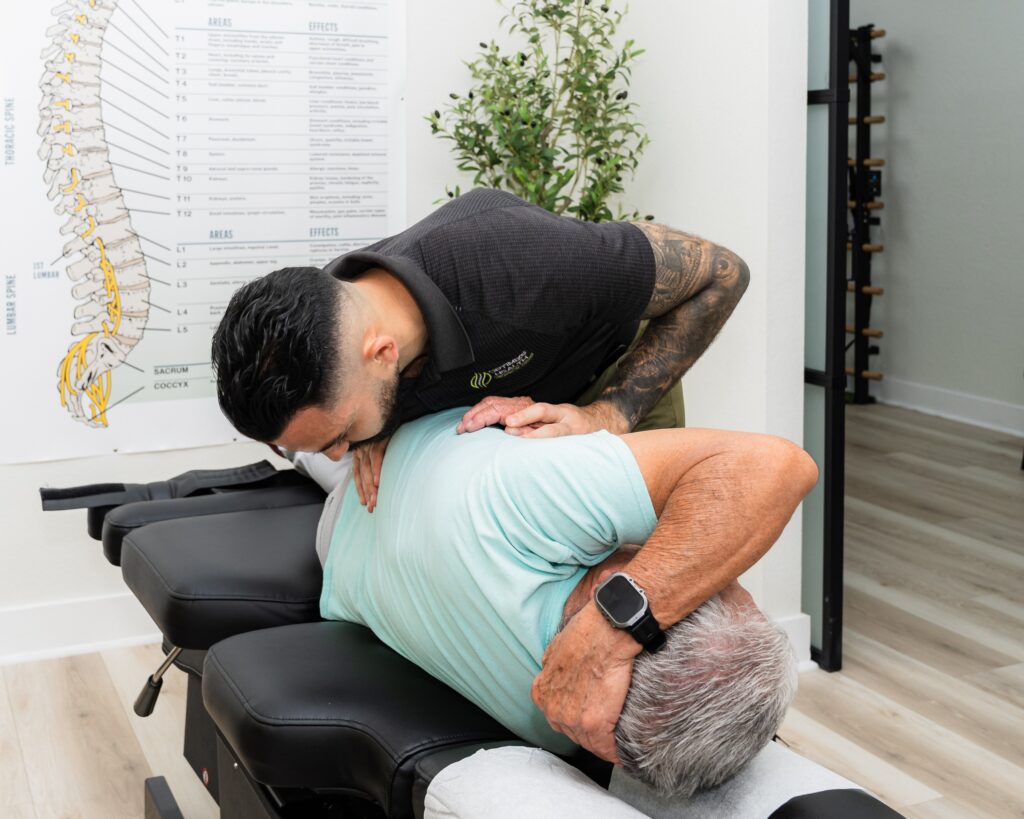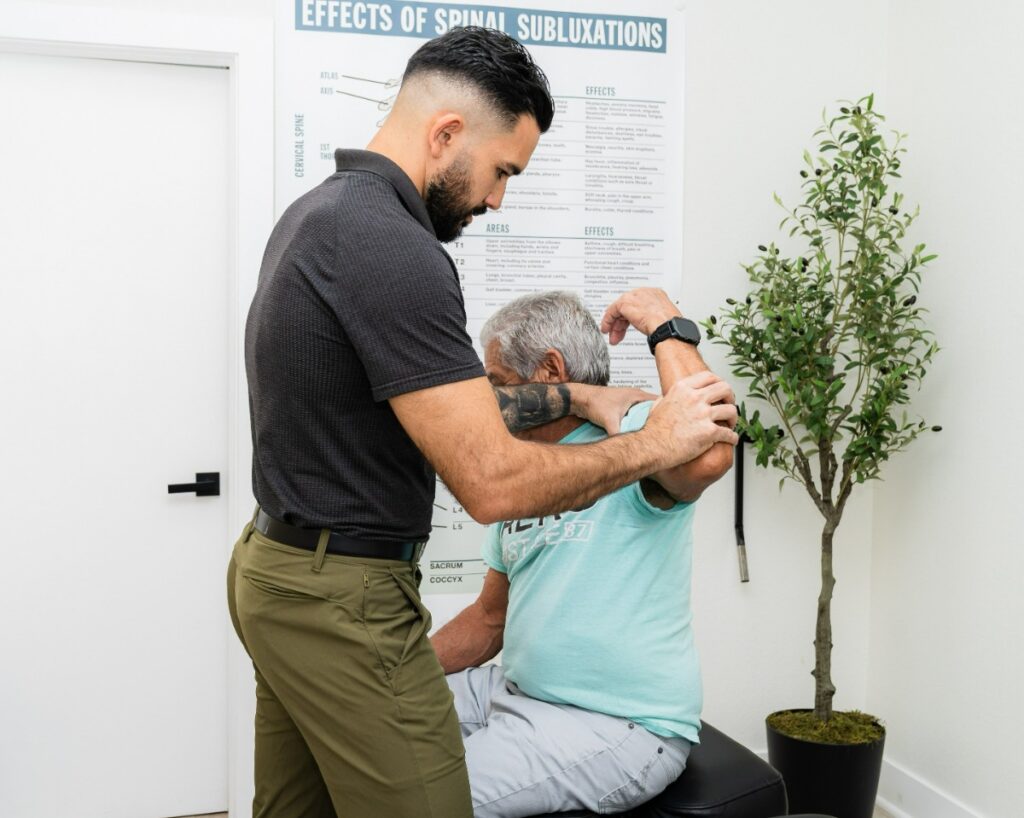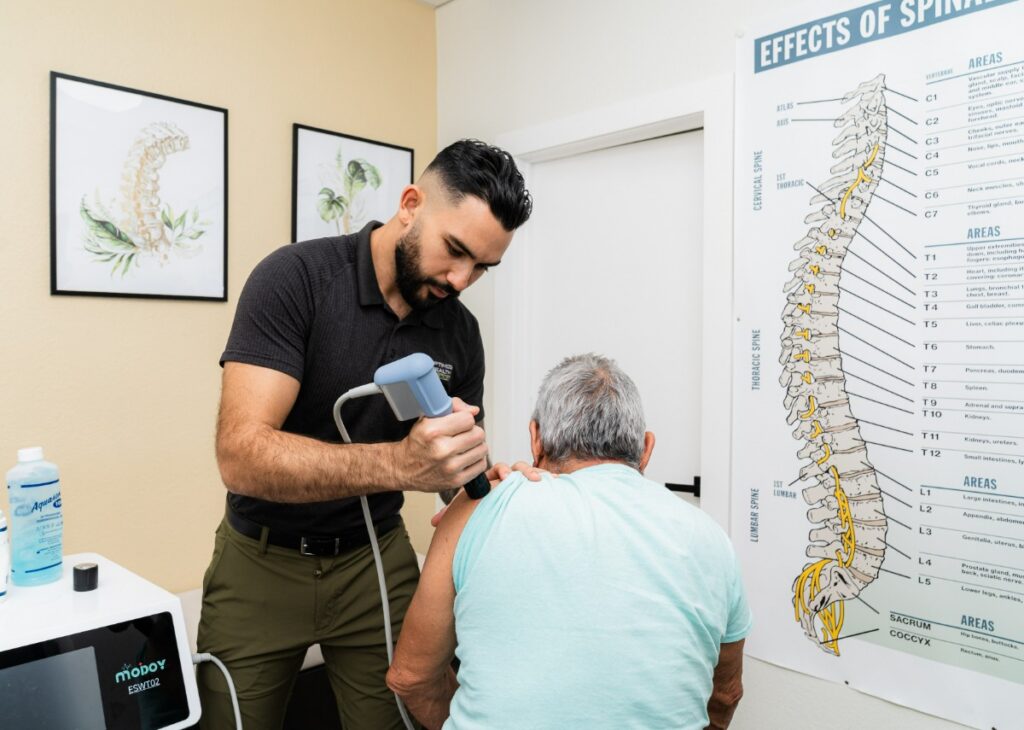

As a local chiropractor, I often get asked whether manual therapy really contributes to recovery from sports injuries. It's a common question among athletes and active individuals alike. Many of my patients have experienced the benefits of techniques like soft tissue manipulation and joint mobilization firsthand, reporting reductions in pain and improvements in mobility.
But you might be wondering, is there scientific evidence to support these claims? The truth is, research does indicate that manual therapy can play a crucial role in the healing process. By addressing muscle tension, enhancing blood flow, and improving joint function, manual therapy can facilitate a more effective recovery.
Understanding the role of manual therapy in your recovery journey can change how you approach injury rehabilitation. It's not just a fleeting trend; it's a valuable tool that, when used alongside other treatment methods, can help you regain your strength and return to your favorite activities faster. If you have any questions about how chiropractic care can support your recovery, feel free to reach out. I'm here to help!
Understanding Manual Therapy
As a local chiropractor, I want to emphasize the importance of understanding manual therapy, especially for those of you looking to recover from sports injuries effectively. This hands-on treatment involves skilled manipulation of muscles, joints, and tissues, with the goal of relieving pain, improving mobility, and enhancing your overall physical function. Many of my patients find that chiropractic care not only alleviates immediate discomfort but also addresses underlying issues that, if ignored, could impact their athletic performance.
When you seek chiropractic treatment, you're accessing a variety of techniques specifically designed to promote healing. These methods can enhance blood circulation to injured areas, reduce muscle tension, and activate your body's natural healing processes. Each session is customized to meet your unique needs, enabling me to focus on the specific problem areas that may be affecting your athletic performance.
What I love about chiropractic care is its holistic approach. It's not solely about treating an existing injury; it also plays a crucial role in preventing future injuries. By gaining a better understanding of your body mechanics and correcting any imbalances, you can create a stronger foundation for your athletic endeavors. Many of my patients report improvements in flexibility and strength, both of which are vital for any athlete.
Moreover, chiropractic care can complement other recovery methods, such as physical therapy or rehabilitation exercises. Integrating chiropractic treatment into your recovery plan can accelerate the healing process, helping you return to the activities you love more quickly.
Types of Manual Therapy Techniques
As a local chiropractor, I want to introduce you to some effective manual therapy techniques that can significantly aid in your recovery and overall wellness.
Techniques such as soft tissue manipulation, joint mobilization, and myofascial release are essential components of chiropractic care.
Soft tissue manipulation focuses on relieving tension in the muscles and connective tissues, promoting better blood flow and reducing pain.
Joint mobilization involves gentle movements of your joints to restore their natural function and enhance mobility.
Myofascial release targets the fascia, the connective tissue surrounding muscles, helping to alleviate restrictions and improve flexibility.
Understanding how these methods work empowers you to make informed decisions about your treatment options.
Together, we can create a personalized plan that supports your healing journey and promotes a healthier lifestyle.
Soft Tissue Manipulation
As a local chiropractor, I want to share with you the benefits of soft tissue manipulation, a key component of chiropractic care that can significantly aid in your recovery from sports injuries. This approach includes various manual therapy techniques specifically designed to target the muscles, tendons, ligaments, and fascia in your body. By focusing on these areas, we can help alleviate pain and enhance your overall function.
One of the most widely recognized techniques is deep tissue massage. This method delves into the deeper layers of muscle tissue, effectively breaking down knots and relieving tension. It's particularly beneficial for addressing chronic pain and tightness that may be holding you back from your activities.
Another valuable technique is myofascial release. This method concentrates on the fascia, the connective tissue surrounding your muscles. By applying gentle, sustained pressure, we can release restrictions in this tissue, which helps restore mobility and reduce discomfort, allowing you to move more freely.
Trigger point therapy is also an essential part of our practice. This technique involves pinpointing and releasing tight spots in your muscles that can refer pain to other areas of your body. It's especially effective for sports injuries, as it targets both the symptoms you experience and the underlying issues that may be causing them.
Incorporating these soft tissue manipulation techniques into your recovery plan can greatly enhance your healing process. Whether you're recovering from a specific injury or simply seeking to improve your overall performance, these methods can provide the relief and support you need to get back in the game.
As your chiropractor, I'm here to guide you through this natural healing process and help you achieve your health goals.
Joint Mobilization Techniques
As your local chiropractor, I want to share with you the importance of joint mobilization techniques and how they can significantly aid your recovery from sports injuries. Think of these techniques as gentle, controlled movements applied to your joints, which can improve your range of motion and alleviate pain.
If you've experienced stiffness or restrictions due to an injury, joint mobilization may help restore normal function.
There are different types of joint mobilization techniques that we utilize in our practice, such as oscillatory and sustained mobilizations. Oscillatory mobilizations involve rhythmic movements that can help relieve discomfort and promote relaxation.
In contrast, sustained mobilizations apply a steady force to a joint, gradually enhancing its mobility over time. Based on your specific needs and the nature of your injury, I'll customize the approach to ensure the best results for you.
By incorporating joint mobilization into your recovery plan, you may find that your healing process improves significantly. Many of my patients report reduced discomfort, enhanced joint function, and increased flexibility, which are all vital for returning to your favorite sport.
I'm here to work closely with you, ensuring that we use the most effective techniques to support your recovery journey naturally and holistically. Together, we can get you back to doing what you love!
Myofascial Release Methods
As a local chiropractor, I want to introduce you to myofascial release methods, which are vital manual therapy techniques we often use in our practice. These techniques focus on the fascia, the connective tissue that envelops our muscles and joints. By applying gentle, sustained pressure to specific areas of tightness, we aim to relieve tension and enhance your mobility.
Many of our patients find that this approach effectively releases restrictions in the fascia, leading to improved movement and decreased pain.
One common technique we utilize is direct myofascial release. In this method, either you or I'll apply pressure directly to the restricted area, which helps stretch and free the fascia.
Alternatively, we also use indirect myofascial release, where we position your body in a way that encourages the fascia to relax on its own. Both of these techniques can significantly enhance circulation and promote healing in injured tissues.
Incorporating myofascial release into your recovery routine can offer substantial benefits. Not only does it help alleviate discomfort, but it also plays a crucial role in restoring optimal function to your muscles and joints.
If you're recovering from a sports injury or experiencing persistent pain, I encourage you to consider scheduling a session with us. As a qualified chiropractor specializing in these techniques, I can create a personalized treatment plan tailored to your unique needs, ensuring a more effective and efficient recovery process.
Your path to feeling better starts here!
The Science Behind Recovery
As your local chiropractor, I want to help you understand the science behind recovery, especially if you're dealing with an injury. When you sustain an injury, your body naturally kicks off a complex healing process. This process begins with inflammation, where your body sends white blood cells to the injury site. These cells work to clear out damaged tissue and prevent infection. While this phase is crucial for healing, it can be uncomfortable and may limit your movement.
Once the inflammation starts to decrease, your body moves into the repair phase. During this time, it produces collagen and other proteins that are vital for mending damaged tissues. To support this critical phase, it's important to maintain proper nutrition, hydration, and rest. Your body needs the right nutrients to heal effectively.
After the repair phase, we enter the remodeling stage. This is where the newly formed tissue starts to become stronger and adapt to your physical activities. Engaging in gentle movements and rehabilitation exercises during this period can significantly enhance your recovery.
It's also essential to recognize the psychological side of healing. Your mental resilience can greatly influence how you handle your injury and how motivated you're to participate in rehabilitation.
Additionally, we can't overlook the importance of blood flow in the recovery process. Improved circulation brings essential nutrients to the injured area, which helps promote healing. Techniques that enhance blood flow, such as active recovery and specific chiropractic adjustments, can be incredibly beneficial.
Benefits of Manual Therapy
As your local chiropractor, I want to share some valuable insights about the benefits of manual therapy, especially if you're new to chiropractic care and natural healing.
Manual therapy is an effective treatment approach that can significantly aid your recovery from sports injuries.
When you receive manual therapy, you can expect to see improved blood circulation, which is crucial for healing. This increase in blood flow helps deliver essential nutrients to your injured tissues.
Additionally, manual therapy helps reduce muscle tension, allowing your body to relax and recover more effectively. You'll also notice an improvement in your range of motion, which is vital for getting back to the activities you love.
By understanding these benefits, you can better appreciate how manual therapy plays a key role in your overall recovery process.
It's all about helping your body heal naturally, and I'm here to support you every step of the way.
Enhanced Blood Circulation
As a local chiropractor, I want to emphasize the significant role that enhanced blood circulation plays in recovering from sports injuries. Many people may not realize this, but manual therapy is a powerful tool that can greatly accelerate your healing process. During a session, I apply targeted pressure and movement to your muscles and soft tissues, which helps stimulate blood flow to the affected area.
Why is this important? Improved circulation is crucial for delivering the oxygen and nutrients your body needs to heal. It also aids in flushing out waste products that can build up during an injury. This means your tissues receive the essential resources they require to heal more quickly and effectively. You may even notice a reduction in swelling and inflammation as your blood flow improves, which can significantly shorten your recovery time.
Moreover, better circulation promotes the formation of new blood vessels, enhancing your body's natural healing capabilities. As we work together through manual therapy, you might also find that your flexibility and range of motion improve, allowing you to get back to your favorite activities sooner.
In chiropractic care, we focus on supporting your overall health and recovery, so you can return to the sports you love with confidence.
Reduced Muscle Tension
As a local chiropractor, I want to share with you one of the significant benefits of manual therapy: the reduction of muscle tension. When you sustain an injury, your body often reacts by tightening the muscles around the affected area as a protective mechanism. While this response is natural, it can lead to discomfort, stiffness, and may even slow down your healing process. That's where manual therapy comes in.
Through various techniques such as massage, myofascial release, and trigger point therapy, manual therapy specifically targets those areas of tension. Many of my patients report feeling their muscles become much looser and more flexible after just one session. This alleviation of muscle tightness not only helps to ease pain but also contributes to an overall sense of well-being.
Additionally, reducing muscle tension plays a crucial role in restoring your movement capabilities. When your muscles are relaxed, you're less likely to rely on other muscle groups to compensate, which can sometimes lead to further injuries.
I've seen firsthand how regular manual therapy can enhance my patients' responses to rehabilitation exercises, making it easier for them to return to their favorite activities or sports.
If you're curious about how chiropractic care and manual therapy can help you feel better and move more freely, I invite you to reach out and learn more. Your journey to improved health and wellness can start here!
Improved Range of Motion
As a local chiropractor, I want to share one of the most significant benefits of manual therapy: the enhancement of your range of motion. If you're on the road to recovery from a sports injury, regaining your flexibility is crucial for getting back to the activities you love.
Techniques that we use in chiropractic care, such as stretching and mobilization, can effectively improve your joint mobility and alleviate stiffness. Let me explain how this works:
- Enhances Flexibility: Manual therapy is designed to lengthen tight muscles, which allows for smoother and more fluid movements.
- Reduces Pain: By relieving tension in the areas that are causing discomfort, you may experience less pain overall, making it easier to move without restrictions.
- Promotes Circulation: Enhanced blood flow to injured tissues aids in the healing process and supports flexibility by delivering vital nutrients where they're needed most.
- Increases Strength: With an improved range of motion, you can engage in rehabilitation exercises more effectively, which helps build strength around your joints and enhances stability.
Integrating manual therapy into your recovery plan can have a profound impact. As your range of motion improves, you'll likely notice enhancements in your overall performance and greater confidence in your physical capabilities.
I encourage you to embrace this natural approach to healing so that you can achieve a more complete recovery and return to your favorite activities with renewed vigor.
Manual Therapy vs. Other Treatments
As a local chiropractor, I want to shed light on the benefits of manual therapy, especially for those dealing with sports injuries. What sets manual therapy apart from other treatment options is its hands-on approach and dedication to manipulating the body's tissues.
Unlike passive treatments such as ice packs, compression, or electrical stimulation, manual therapy actively involves you in your recovery process. Instead of just lying back, you participate in movements that foster healing and tap into your body's natural recovery abilities.
When we compare manual therapy to other methods like physical therapy exercises or medication, the distinct advantages become apparent. While exercises can help build muscle strength and improve stability, manual therapy specifically targets the soft tissues, joints, and fascia.
This targeted approach can lead to quicker pain relief and enhanced mobility, helping you get back to your favorite activities sooner. Medications may dull the pain, but they often fail to address the root causes of your injury.
Additionally, manual therapy works well alongside other treatments. If you're following a rehabilitation program, adding manual therapy can alleviate tightness and improve your range of motion, ultimately making your exercise routine more effective.
Ultimately, the decision to choose manual therapy or other treatments hinges on your specific injury and recovery objectives. If you're seeking a hands-on, immediate solution to relieve pain and promote healing, manual therapy may be the perfect choice for you.
Integrating it with other treatments could provide the best overall outcomes in your recovery journey. I'm here to guide you through your options and help you find the best path to wellness.
Integrating Manual Therapy in Rehabilitation
As a local chiropractor, I want to share how integrating manual therapy into your rehabilitation plan can significantly enhance your recovery from sports injuries. This holistic approach focuses on addressing muscle tightness, joint dysfunction, and overall mobility, ultimately helping you regain strength and function more quickly.
By incorporating manual therapy into your care, you're not just targeting the injured area; you're also improving your body's overall mechanics, which is essential for preventing future injuries.
Here are four key benefits of including manual therapy in your rehabilitation journey:
- Pain Reduction: Through gentle techniques such as soft tissue manipulation and joint mobilization, manual therapy can effectively alleviate pain. This allows you to feel more comfortable during the healing process.
- Improved Range of Motion: Manual therapy helps address tight muscles and restricted joints, which can restore your flexibility and movement. This is crucial for performing daily activities and getting back to your sport sooner.
- Accelerated Recovery: When manual therapy is combined with targeted exercise therapy, it can enhance blood flow and stimulate healing, leading to faster recovery times. You'll be amazed at how quickly your body can bounce back!
- Enhanced Performance: With improved mobility, reduced pain, and better overall function, you may experience an enhancement in your athletic performance. This gives you an added edge as you return to competition.
I encourage you to consult with a qualified chiropractor who can develop a personalized approach tailored to your specific needs.
Remember, manual therapy is most effective when it's part of a comprehensive rehabilitation strategy, so it's important to combine it with other treatments for the best results.
Embrace the journey of natural healing and discover the benefits of chiropractic care!
Real-Life Case Studies
As a local chiropractor, I want to share with you some compelling examples of how manual therapy can significantly aid in the recovery from sports injuries. Many people may not be familiar with the benefits of chiropractic care and natural healing, so let me illustrate with a few real-life case studies.
Take, for instance, a competitive runner who struggled with chronic knee pain that kept her off the track for several months. After trying various treatments without success, she decided to explore manual therapy. By employing techniques such as targeted soft tissue manipulation and joint mobilization, her chiropractor was able to alleviate her pain and enhance her range of motion. Remarkably, just a few weeks later, she was back to training at full capacity.
In another example, a professional soccer player encountered a hamstring strain right before an important match. Understanding the urgency for a swift recovery, he sought the help of a chiropractor specializing in manual therapy. The practitioner utilized myofascial release techniques to relieve tension in his hamstring, which not only accelerated his healing but also improved his overall muscle function. Astonishingly, he was able to participate in the match just five days later and played a crucial role in leading his team to victory.
Lastly, consider a high school basketball player who frequently dealt with ankle sprains. Frustrated by his repeated injuries, he turned to chiropractic care. Through focused manual therapy sessions that emphasized joint alignment and muscle balance, his chiropractor helped stabilize his ankle and significantly reduced the chances of future injuries. After only a few sessions, he regained his confidence on the court and saw an improvement in his overall performance.
These case studies highlight the transformative impact of manual therapy within chiropractic care. By utilizing natural healing methods, we can assist athletes in returning to their sports faster and more effectively.
If you or someone you know is dealing with a sports injury, consider exploring the benefits of chiropractic care to support your recovery journey.
Conclusion
As a local chiropractor, I want to emphasize how beneficial manual therapy can be for your sports injury recovery. This hands-on approach involves specific techniques designed to relieve pain and enhance mobility, allowing you to return to your favorite activities sooner. Manual therapy is not just about easing discomfort; it also addresses the underlying issues contributing to your injury. By incorporating manual therapy into your rehabilitation plan, you can experience significant improvements in your recovery process. Don't overlook its potential—consider adding it to your recovery strategy for optimal results. I'm here to guide you every step of the way on your journey to healing and wellness.