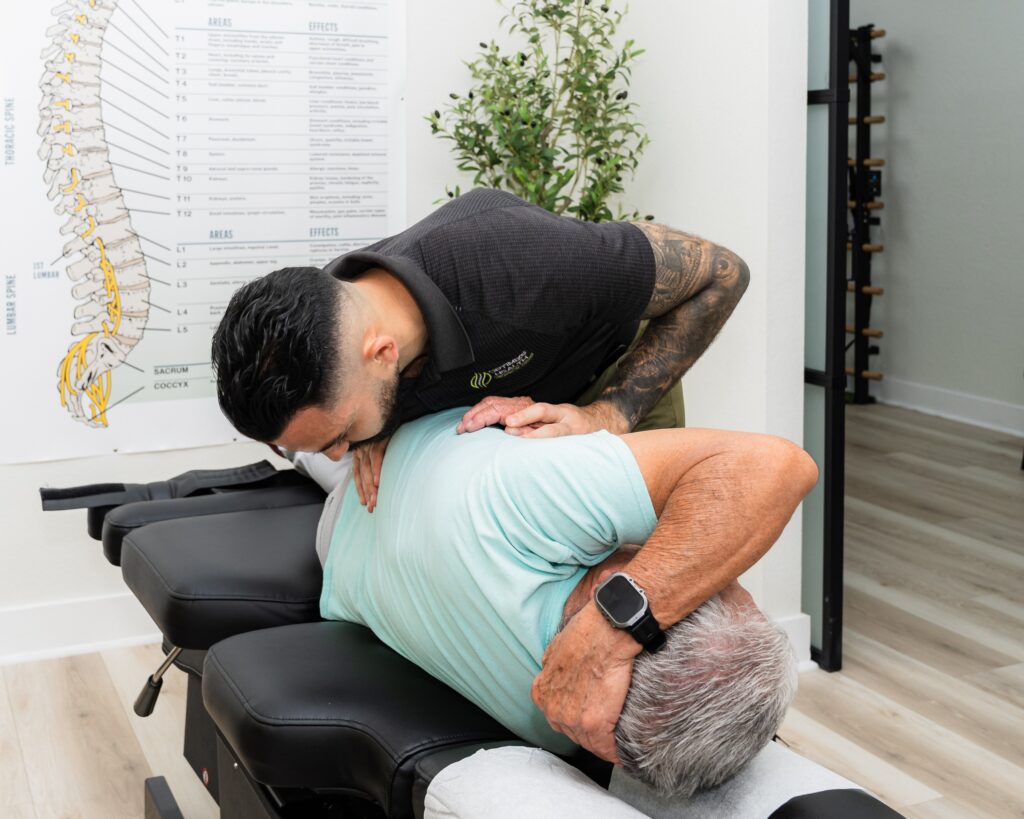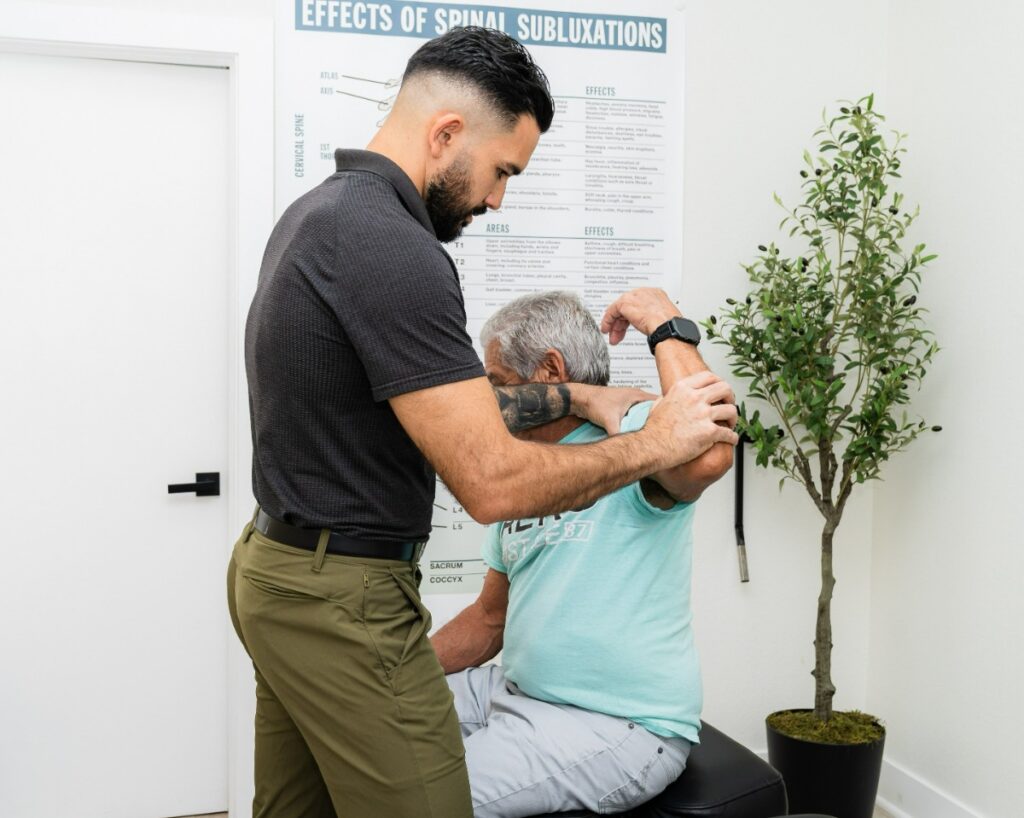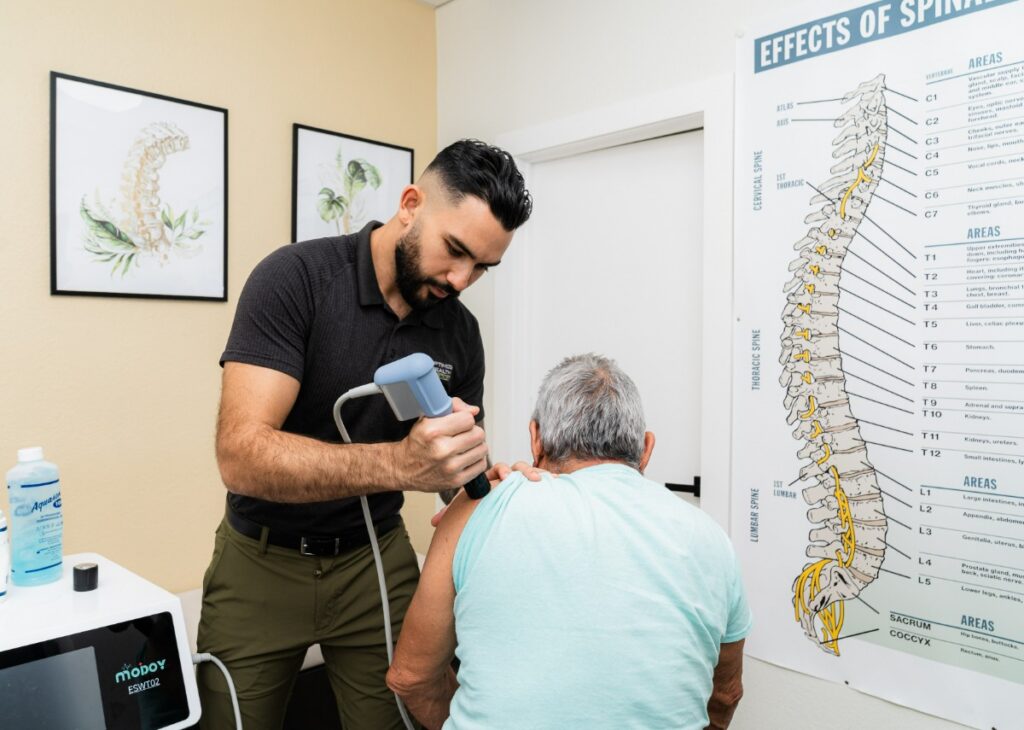

If you’ve recently experienced whiplash, it’s crucial to understand the best recovery techniques to get you back on your feet. One of the most effective paths to healing is through chiropractic care, which focuses on the alignment of your spine and overall wellness. By addressing any misalignments, chiropractic adjustments can alleviate pain and promote natural healing without the need for medications or surgery.
In addition to chiropractic treatments, consider incorporating a variety of therapies to enhance your recovery. Physical therapy can help strengthen the muscles around your neck, while at-home exercises can maintain flexibility and support your healing process. Simple activities like gentle neck stretches or light mobility exercises can make a significant difference.
Don’t overlook the benefits of mindfulness practices, such as meditation or deep breathing exercises. These techniques can reduce stress and help you manage the pain more effectively, contributing to an overall sense of well-being.
Here are some general tips to aid your recovery:
- Stay Active: Engage in light activities as tolerated. Movement can help reduce stiffness and promote healing.
- Apply Heat or Cold: Use a heating pad or ice pack on your neck to alleviate pain and inflammation.
- Practice Good Posture: Maintain proper posture to avoid added strain on your neck.
- Stay Hydrated: Drink plenty of water to support your body’s healing processes.
- Listen to Your Body: Pay attention to how you feel during activities, and don’t push through severe pain.
By focusing on chiropractic care and these natural recovery techniques, you can regain your strength and comfort in a holistic way. Remember, your journey to recovery is unique, so be patient with yourself and consult your chiropractor for personalized guidance.
Understanding Whiplash: Symptoms and Causes
Understanding whiplash is crucial, especially if you’ve recently experienced a car accident or a sudden jolt. Whiplash happens when your head is forcefully thrown back and forth, straining the muscles and ligaments in your neck. You may notice symptoms such as neck pain, stiffness, headaches, and even dizziness. These symptoms can appear right away or take a few days to show up.
In addition to these common signs, you might also experience fatigue, irritability, and difficulty concentrating. Recognizing these symptoms early on can help you address the issue more effectively. Whiplash is most often caused by rear-end collisions, but it can also occur in sports, falls, or physical abuse.
If you suspect you’ve suffered from whiplash, chiropractic care can be an excellent route for relief and recovery. Chiropractors specialize in aligning the spine and improving overall function, which can alleviate pain and promote healing. Gentle adjustments and therapies can help restore your neck’s mobility and reduce discomfort.
To support your recovery, consider these tips:
- Stay Active: Gentle movements can help maintain your flexibility. Simple neck stretches or range-of-motion exercises can be beneficial.
- Use Heat or Cold Therapy: Applying heat packs or cold compresses can help reduce pain and swelling in your neck.
- Maintain Good Posture: Be mindful of your posture, especially when sitting at a desk or using your phone, to avoid further strain on your neck.
- Stay Hydrated: Drinking plenty of water can help keep your muscles and tissues healthy.
The Importance of Early Intervention
When you experience whiplash, seeking early intervention is crucial for a smoother recovery. The sooner you address your symptoms, the better your chances of minimizing pain and avoiding long-term complications. Delaying treatment can lead to chronic issues, making recovery more difficult.
As a chiropractor, I recommend consulting with a chiropractic professional as soon as you notice whiplash symptoms. They can assess your condition and create a personalized treatment plan that may include gentle adjustments, stretches, and exercises tailored to your needs. Chiropractic care focuses on restoring proper alignment and function to your spine, which can significantly aid in your healing process.
In addition to chiropractic adjustments, there are some simple self-care tips you can incorporate into your routine. Applying ice to the affected area can help reduce inflammation and soothe pain. Gentle neck stretches may also promote flexibility and relieve muscle tension.
Remember to listen to your body—if something doesn’t feel right, take a break and allow yourself to rest.
By acting quickly and seeking chiropractic care, you’re not only supporting your body’s natural healing process but also gaining valuable guidance on how to manage your symptoms effectively. Early intervention can help you avoid unnecessary medications or invasive treatments later on, setting a solid foundation for your recovery.
Physical Therapy Techniques for Recovery
Recovering from whiplash can be a challenging journey, but incorporating chiropractic care into your treatment plan can provide significant benefits. Chiropractic techniques focus on restoring mobility, alleviating pain, and enhancing your overall well-being.
Here are four essential chiropractic methods that can aid in your recovery:
- Gentle Adjustments: Chiropractors use precise adjustments to realign the spine and neck, which can help alleviate tension and restore proper movement. This can lead to reduced pain and improved mobility.
- Customized Stretching Techniques: A chiropractor can guide you through gentle stretches tailored to your specific needs. These stretches can help reduce stiffness in your neck and shoulders, promoting greater flexibility and comfort.
- Soft Tissue Therapy: Chiropractors often incorporate soft tissue techniques that target muscles and ligaments around the neck. This hands-on approach can relieve tension, improve circulation, and support the healing process.
- Posture Education: Learning about proper posture is crucial for minimizing strain on your neck. A chiropractor can provide guidance on ergonomics and daily habits that promote a healthier spine, helping you avoid future injuries.
In addition to these techniques, here are some general tips to support your recovery:
- Stay Hydrated: Drinking plenty of water can help maintain spinal health and support overall wellness.
- Practice Relaxation Techniques: Stress can exacerbate pain, so consider incorporating deep breathing, meditation, or gentle yoga into your routine.
- Engage in Light Activity: Gentle walks can keep your body moving, promote circulation, and aid in recovery without putting too much strain on your neck.
By prioritizing chiropractic care and these holistic practices, you can work towards achieving optimal health and a smoother recovery from whiplash.
Role of Chiropractic Care in Whiplash Treatment
Chiropractic care is a vital component in the treatment of whiplash, as it directly addresses the root causes of the injury. When whiplash occurs, the spine can become misaligned, leading to pain and discomfort that can affect your daily life.
As a chiropractor, my goal is to help you find relief through natural methods that promote healing and wellness. By performing specific spinal adjustments, I can help realign your spine, reducing tension and improving your mobility. These adjustments are essential for restoring proper function in your neck and back, which is crucial for your recovery process.
In addition to spinal adjustments, I also incorporate soft tissue therapies that target muscle tightness and promote better blood circulation. This combination of techniques not only alleviates pain but also speeds up the healing process, allowing your body to recover more effectively.
To support your healing journey, I recommend regular chiropractic visits. This ongoing care provides you with the support needed to ensure your body heals properly and helps prevent any future complications related to whiplash.
Here are a few tips you can incorporate into your daily routine to enhance your recovery:
- Stay Hydrated: Drinking plenty of water helps keep your muscles and joints lubricated, which can alleviate discomfort.
- Gentle Stretching: Engage in gentle neck stretches to maintain flexibility. Avoid sudden movements that could worsen your pain.
- Rest and Recovery: Give your body time to heal. Listen to your body and avoid activities that exacerbate your discomfort.
- Practice Good Posture: Be mindful of your posture while sitting, standing, and using your phone. Proper alignment can reduce strain on your neck and back.
At-Home Exercises to Aid Recovery
While professional chiropractic care is crucial for your recovery from whiplash, incorporating gentle at-home exercises can significantly enhance your healing process.
These exercises not only help improve mobility and reduce pain but also strengthen the muscles in your neck, promoting overall wellness. Here are four simple yet effective exercises you can incorporate into your daily routine:
- Neck Tilts: Gently tilt your head to one side, holding the position for about 15 seconds. Then switch to the other side. This exercise can help increase flexibility in your neck. Aim to do this 3 times on each side.
- Chin Tucks: Sit or stand comfortably and gently pull your chin towards your chest without tilting your head forward. Hold this position for 5 seconds and repeat it 10 times. This exercise helps strengthen the muscles that support your spine.
- Shoulder Shrugs: Raise your shoulders towards your ears and hold for a few seconds before relaxing them back down. This can relieve tension in your neck and upper back. Try doing 10 repetitions, focusing on your breathing.
- Range of Motion: Slowly turn your head to the left and then to the right, holding each position for about 10 seconds. This exercise helps maintain and improve your neck’s flexibility. Repeat this 5 times on each side.
Always pay attention to how your body feels during these exercises, and stop if you experience any pain.
Remember, consistency is key to effective recovery. By integrating these exercises into your daily habits, you can support your healing journey and promote a healthier, pain-free life.
For the best results, consider regular visits to your chiropractor, who can provide tailored care and additional guidance to optimize your health and well-being.
Mindfulness and Stress Management Practices
As you work on your recovery from whiplash, integrating mindfulness and stress management practices can significantly support your healing journey. Mindfulness techniques, such as meditation and deep breathing exercises, help you stay grounded in the present moment and can alleviate anxiety regarding your condition. Dedicating just a few minutes each day to these practices can lead to noticeable improvements.
In addition to mindfulness, consider incorporating yoga or gentle stretching into your routine. These activities not only promote relaxation but also enhance neck mobility, which is essential for your recovery. Taking the time to journal your feelings and progress can also serve as a valuable emotional outlet, allowing you to express any frustrations you may encounter along the way.
Moreover, the strength of a supportive community shouldn’t be overlooked. Engaging in conversations with friends or joining a support group can help relieve stress and provide the encouragement you need during this time. Remember, effectively managing stress is crucial for a positive recovery experience, as it can facilitate your body’s natural healing processes.
Chiropractic care is an excellent option for addressing pain and promoting overall wellness during your recovery from whiplash. By focusing on spinal health and alignment, chiropractic adjustments can help alleviate discomfort and improve mobility.
Prioritizing these practices, alongside chiropractic care, will empower you to cultivate a healthier mindset and support your body’s natural ability to heal. Embrace these strategies, and you’ll be well on your way to optimal health and wellness throughout your recovery journey.
When to Seek Additional Medical Help
If you’re dealing with ongoing pain, numbness, or weakness after a whiplash injury, it’s important to reach out for additional support. These symptoms can be a sign that your body needs more attention. Limited range of motion is another indicator that something may not be quite right.
Consulting a chiropractor can help you understand your condition better and get you on a natural path to recovery. Chiropractic care focuses on spinal health and the body’s ability to heal itself. A chiropractor can assess your situation and provide gentle adjustments to help restore proper function and alleviate discomfort.
Remember, your body is designed to heal, and with the right support, you can achieve a better quality of life.
In addition to seeking chiropractic care, consider incorporating gentle stretching, staying hydrated, and maintaining good posture throughout your day. These simple tips can help support your recovery and promote overall wellness.
Don’t hesitate to reach out to a healthcare professional who specializes in chiropractic care to ensure you’re on the right track to feeling your best!
Persistent Pain Symptoms
Persistent pain symptoms after a whiplash injury can be frustrating and concerning. It’s important to listen to your body and know when to seek extra help. If you’re experiencing ongoing pain despite your efforts to heal, consider reaching out to a chiropractor.
Here are some signs that it’s time to get professional support:
- Worsening Pain: If your pain seems to be getting worse instead of better, this is a signal that your body needs attention.
- Daily Struggles: Are you finding it hard to carry out your normal activities because of pain? This can greatly affect your quality of life.
- Radiating Pain: If your pain spreads to other areas like your shoulders or back, it’s essential to get evaluated by a professional.
- New Symptoms: The emergence of new issues, such as headaches or trouble sleeping, may indicate that your body is trying to signal something important.
Chiropractic care can be a powerful ally in addressing these persistent pain symptoms. By focusing on spinal health and alignment, chiropractors can help relieve discomfort and improve your overall function.
Here are some general tips to support your healing journey:
- Stay Active: Gentle movement is key. Simple stretches and light exercises can help keep your body limber and reduce stiffness.
- Ice and Heat Therapy: Applying ice packs can help reduce inflammation, while heat can soothe tense muscles. Just be sure to alternate as needed.
- Mind Your Posture: Good posture can alleviate unnecessary strain on your spine. Pay attention to how you sit and stand throughout the day.
- Stay Hydrated: Drinking plenty of water supports overall health and can aid in recovery.
Numbness or Weakness
Numbness or weakness after a whiplash injury can be concerning and may point to deeper issues that merit immediate attention. It’s important not to overlook these symptoms, as they could indicate nerve involvement or spinal complications that need addressing.
Keep an eye on how long these feelings last and how intense they are. If numbness or weakness lingers for more than a few days, or if it starts to spread, it’s wise to seek guidance.
As a chiropractor, I encourage you to consider chiropractic care as a natural and effective option for alleviating these symptoms. Chiropractic adjustments can help restore proper alignment in your spine, which may relieve pressure on nerves and promote healing.
We focus on supporting your body’s natural ability to heal itself, without the need for invasive procedures or medications.
In the meantime, here are a few tips to help you manage your symptoms:
- Stay Active: Gentle movement can help improve circulation and reduce stiffness. Simple stretches or light walks can be beneficial.
- Ice and Heat: Applying ice for the first 24-48 hours can help reduce inflammation, followed by heat to relax tight muscles.
- Good Posture: Maintaining a proper posture, especially when sitting or working, can help alleviate strain on your neck and spine.
- Hydrate: Drinking plenty of water supports overall health and can help with muscle function.
Listening to your body is key. If something doesn’t feel right, getting checked out by a chiropractor can provide you with the support and care you need to recover effectively.
Your health and well-being are paramount, and chiropractic care can play a vital role in your journey to optimal wellness.
Limited Range of Motion
How can you tell when limited range of motion after a whiplash injury requires further attention? As a chiropractor, I want to emphasize the importance of listening to your body and recognizing when to seek help. If you notice any of the following signs, it’s essential to consult a healthcare professional—ideally a chiropractor—who specializes in natural healing and spinal health:
- Persistent Pain: If your pain continues to worsen or doesn’t improve with rest and basic self-care techniques, it’s a signal that your body may need professional intervention.
- Inability to Move: If you find it difficult to turn your head or lift it without significant discomfort, this could indicate a deeper issue that a chiropractor can help address through gentle adjustments and therapies.
- Nerve Symptoms: If you experience tingling, numbness, or weakness in your arms or hands, these could be signs of nerve involvement that chiropractic care can effectively treat.
- Swelling: Noticeable swelling or bruising around your neck is a sign that you should seek help to ensure there are no underlying problems that need attention.
Ignoring these signs could lead to long-term issues, which is why it’s crucial not to hesitate in seeking assistance. Chiropractic care focuses on restoring your body’s natural alignment, promoting healing, and helping you regain your range of motion without the need for medications or invasive procedures.
In the meantime, here are some general tips to aid your recovery:
- Gentle Stretching: Incorporate gentle neck stretches to help improve mobility. Always listen to your body and stop if you feel pain.
- Heat Therapy: Applying a warm compress can help relax tight muscles and improve blood flow to the area.
- Good Posture: Be mindful of your posture, especially if you’re sitting for long periods. Proper alignment can prevent further strain on your neck.
- Stay Active: Engage in light activities that don’t aggravate your injury. Movement is key to recovery!
Conclusion
Recovering from whiplash requires a thoughtful and balanced approach, and chiropractic care is at the forefront of this journey. As a local chiropractor, I believe that gentle spinal adjustments can significantly relieve pain and promote healing by restoring proper alignment in your neck and spine.
In addition to chiropractic care, incorporating physical therapy and mindfulness practices can enhance your recovery. Early intervention is key—don’t wait for your symptoms to worsen. Engage in at-home exercises recommended by your chiropractor to strengthen your neck and back, and consider adding relaxation techniques like deep breathing to manage stress effectively.
Maintaining good posture throughout your daily activities is crucial; this helps reduce strain on your muscles and spine. Staying hydrated is also important, as it supports overall health and aids in recovery.
If you find that your symptoms persist or worsen, please reach out for further evaluation. Your health and well-being are my top priorities, and every step you take toward recovery is essential. Remember, chiropractic care is a natural, effective choice for pain relief and achieving optimal wellness. Let’s take this journey together!