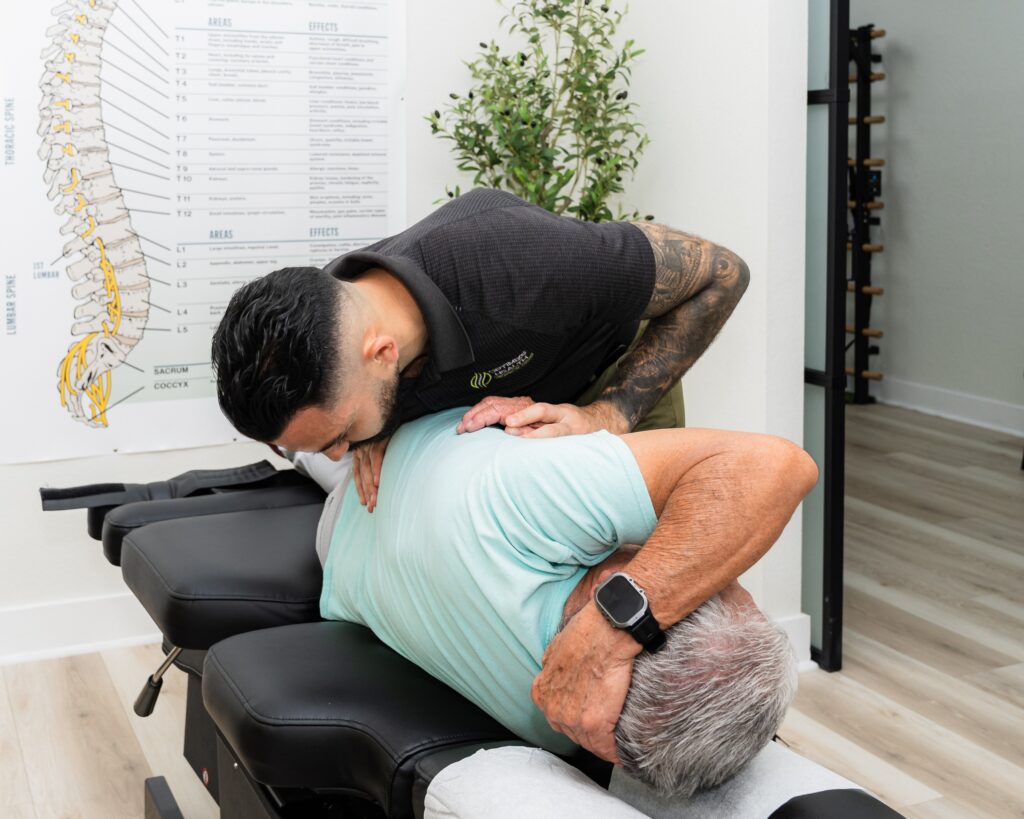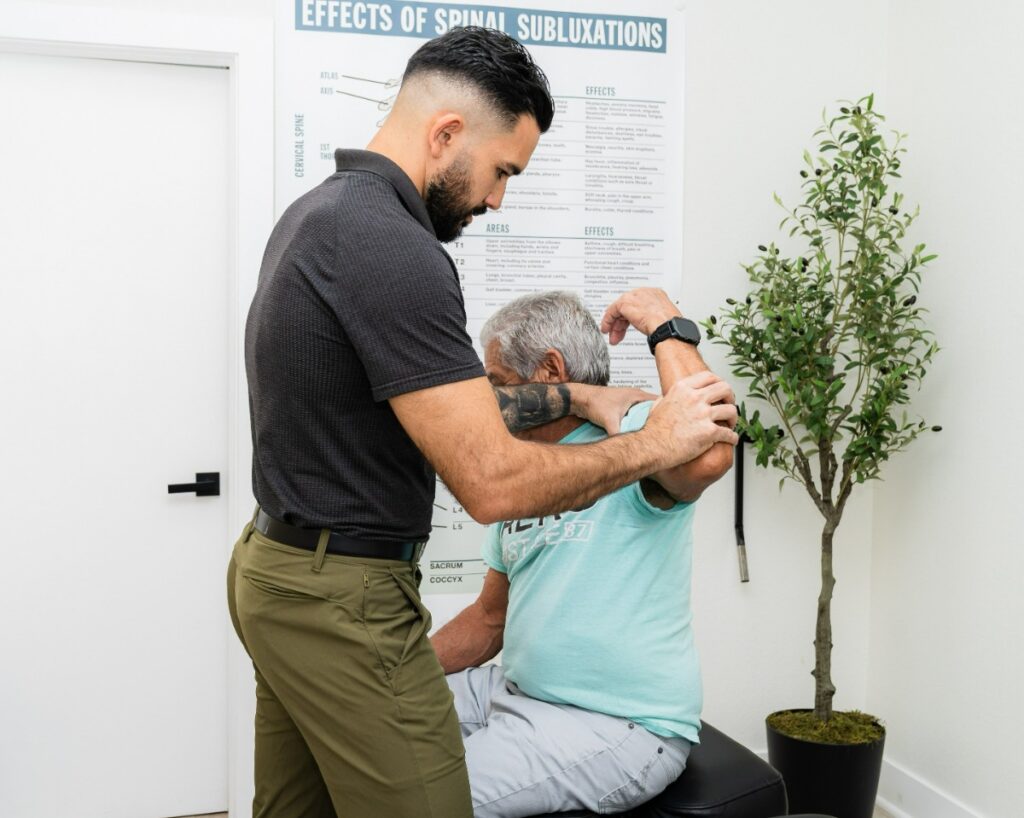

Managing pain at home can indeed feel overwhelming, but as your local chiropractor, I want to share some effective techniques that can empower you to take control of your well-being. One of the best approaches is to integrate chiropractic care into your routine. Regular adjustments can help realign your spine and alleviate pain, promoting natural healing throughout your body.
In addition to chiropractic care, incorporating mindfulness practices and gentle physical activities, such as stretching or yoga, can significantly improve your overall wellness. These activities not only help relieve tension but also enhance your body’s flexibility and strength, creating a solid foundation for pain management.
Simple home remedies like heat or cold therapy can also provide relief. Applying a warm compress or an ice pack to the affected area can soothe discomfort and reduce inflammation. Moreover, paying attention to your diet is crucial. Incorporating anti-inflammatory foods, such as leafy greens, nuts, and omega-3 fatty acids, can support your body’s healing processes and help manage pain more effectively.
By embracing these strategies, including the invaluable support of chiropractic care, you can transform your daily life and regain control over your pain. Let’s explore these proven methods together as we work towards a healthier, pain-free future!
Mindfulness and Meditation Practices
Incorporating mindfulness and meditation practices into your daily routine can significantly enhance your pain management strategy, especially when combined with chiropractic care. These techniques help you focus on the present moment, allowing you to detach from your discomfort and promote a sense of well-being. By regularly practicing mindfulness, you can train your mind to recognize and accept sensations in your body without letting them take control over your feelings.
Begin with short meditation sessions, gradually increasing their length as you become more comfortable. Simple deep breathing exercises can calm your mind and body, helping you release tension, which complements the benefits of chiropractic adjustments. You might find guided meditations or apps helpful as you start your journey.
Throughout your day, practice mindfulness by tuning into your surroundings and bodily sensations. Pay attention to how your body feels in different positions or during various activities. Acknowledge any discomfort without judgment. This awareness can help reduce stress and promote relaxation, making it easier to manage your pain effectively.
Remember, chiropractic care focuses on the health of your spine and nervous system, which plays a crucial role in how you experience pain. By maintaining proper spinal alignment and function, you can enhance the effectiveness of mindfulness and meditation practices in your overall pain management strategy.
Take these tips to heart, and consider how they can work alongside your chiropractic care for optimal health and wellness.
Physical Therapy Techniques at Home
Physical therapy techniques at home can greatly complement your chiropractic care, empowering you to take an active role in your recovery and pain management. Establishing a routine that includes simple, chiropractic-friendly exercises can enhance your overall health and well-being.
Start with gentle stretching and strengthening exercises tailored to your specific needs. Focusing on improving your balance and mobility can help alleviate discomfort and support your spinal health. Incorporating resistance bands or light weights can further boost your strength training, which is beneficial for maintaining a healthy spine.
Don’t forget to practice range-of-motion exercises regularly to keep your joints flexible and reduce stiffness. This can be particularly important for your spine, as keeping it mobile is essential for preventing further issues.
Posture and body mechanics are also crucial elements to include in your home routine. Proper posture not only supports your spine but also helps prevent injuries and enhances your overall function. Consider simple adjustments to your workspace or daily activities to promote better alignment.
Always listen to your body; if an exercise causes pain, it’s important to modify or stop the activity. Keeping a journal to track your progress can be a great way to see what works best for you and discuss it with your chiropractor during your visits.
By integrating these techniques into your daily life and continuing your chiropractic care, you can significantly improve your pain management and achieve a healthier, more balanced lifestyle.
Effective Use of Heat and Cold Therapy
When managing pain at home, utilizing heat and cold therapy can be a fantastic way to find relief, especially as part of a holistic approach to health and wellness.
Heat therapy is excellent for relaxing tight muscles and improving circulation, which can aid in the recovery process. On the other hand, cold therapy works wonders in reducing inflammation and easing sharp pain, making it a great option following an injury.
As a chiropractor, I encourage you to incorporate these techniques into your routine, alongside regular chiropractic care, to enhance your overall well-being.
Here are some simple tips to get the most out of heat and cold therapy:
- Heat Therapy: Apply a warm towel, heating pad, or take a warm bath for 15-20 minutes to soothe sore muscles. This can be especially helpful before a chiropractic adjustment, as it prepares your body for treatment.
- Cold Therapy: Use a cold pack or a bag of frozen vegetables wrapped in a towel for 10-15 minutes on painful areas. This can help numb the discomfort and decrease swelling, making it easier to move and function.
- Listen to Your Body: Pay attention to how your body responds to these therapies. If something feels uncomfortable or worsens your pain, it’s best to stop and consult with your chiropractor.
- Combine with Chiropractic Care: Regular chiropractic adjustments can help maintain proper spinal alignment and overall health, enhancing the effectiveness of heat and cold therapy. Together, these methods can lead to greater pain relief and improved function.
By using heat and cold therapy alongside chiropractic care, you’re taking proactive steps towards achieving optimal health and natural healing.
Benefits of Heat Therapy
When it comes to managing pain at home, heat therapy can be a gentle and effective option, especially when combined with chiropractic care.
Applying heat increases blood flow to the affected area, which not only promotes healing but also helps to reduce stiffness. This is particularly helpful for those dealing with chronic conditions like arthritis or muscle tension.
For optimal results, consider using a heating pad, a warm towel, or even a hot water bottle. Applying heat for about 15 to 20 minutes can provide significant relief. Just remember to check the temperature to avoid burns—your safety is important!
In addition to easing pain, heat therapy can help relax your muscles, providing a comforting feeling that complements the benefits of chiropractic adjustments.
Whether you’re unwinding after a long day or addressing specific discomfort, heat therapy can be a simple yet powerful tool in your pain management toolbox.
Alongside heat therapy, regular chiropractic care can help align your spine and improve overall function, making it easier for your body to heal naturally.
By choosing chiropractic as part of your wellness routine, you’re taking an important step towards achieving optimal health.
Remember to listen to your body and consult with your chiropractor for personalized advice tailored to your specific needs.
Advantages of Cold Therapy
Cold therapy serves as a refreshing complement to heat therapy, particularly when it comes to managing inflammation and acute pain. When cold is applied to an injury, it constricts blood vessels, reducing swelling and making it a preferred option for addressing various injuries.
Here are some notable benefits of incorporating cold therapy into your wellness routine, especially in conjunction with chiropractic care:
- Reduces inflammation: Cold therapy effectively alleviates swelling and redness in affected areas, promoting a quicker return to health.
- Numbs pain: It offers immediate relief for acute pain caused by injuries or conditions, allowing you to feel more comfortable as you heal.
- Decreases muscle spasms: Cold can help relax tight muscles, which is beneficial for recovery, especially when combined with chiropractic adjustments.
- Improves recovery time: By aiding in the healing of minor injuries, cold therapy can support your overall recovery process, enhancing the benefits of chiropractic care.
- Convenient application: Cold therapy is easily accessible and can be applied using ice packs or frozen items you have at home.
Integrating cold therapy into your pain management routine can significantly enhance your comfort and expedite your healing journey.
Application Techniques for Relief
Effective pain relief often begins with understanding how to properly apply heat and cold therapy, both of which can complement the benefits of chiropractic care.
For heat therapy, consider using a warm towel or a heating pad. Place it gently on the affected area for about 15-20 minutes. This method is excellent for increasing blood flow and relaxing tight muscles, which can enhance your overall healing process. Just be mindful that the heat is warm, not too hot, to prevent any potential burns.
When it comes to cold therapy, you can use an ice pack or even a bag of frozen vegetables wrapped in a cloth. Apply it to the painful area for around 15-20 minutes. This helps numb the pain and reduces swelling, providing immediate relief. Remember to let your skin return to its normal temperature between applications to ensure safety and comfort.
Incorporating these simple techniques can be a great way to manage pain while you work towards optimal health through chiropractic care.
Always consult with your chiropractor for personalized advice and techniques that suit your specific needs. Embracing these natural methods can be an empowering step towards a healthier, pain-free life.
Natural Remedies for Pain Relief
When you’re seeking pain relief, consider the natural and holistic approach of chiropractic care. As a chiropractor, I believe that the body has an incredible ability to heal itself when properly aligned and supported. While herbal teas can provide comfort and essential oils can offer soothing benefits, the most effective way to manage pain is through spinal health and chiropractic adjustments.
Chiropractic care focuses on the alignment of the spine, which plays a crucial role in your overall health and well-being. Misalignments, or subluxations, can lead to pain and discomfort throughout the body. By addressing these issues through gentle adjustments, we can help restore balance and function, allowing your body to heal naturally.
Here are some general tips to enhance your pain relief journey:
- Stay Active: Engage in gentle exercises or stretches that promote mobility and flexibility. This can help reduce tension in your muscles and support your spine.
- Posture Awareness: Pay attention to your posture throughout the day, especially if you sit for long periods. Proper alignment can prevent strain and discomfort.
- Hydration: Drink plenty of water to help keep your tissues hydrated and functioning optimally, which is essential for pain management.
- Mindfulness and Relaxation: Practices such as meditation or deep breathing can help reduce stress and tension in your body, promoting a sense of calm and well-being.
- Regular Chiropractic Visits: Schedule regular adjustments to maintain spinal health and prevent the return of pain. Consistency is key to achieving optimal results.
By prioritizing chiropractic care and these simple lifestyle changes, you can effectively manage pain and enhance your overall health naturally.
Herbal Tea Benefits
Herbal teas can be a wonderful complement to your chiropractic care, offering a natural way to manage pain and promote overall wellness. As you work on aligning your spine and enhancing your body’s natural healing processes, these soothing brews can support your journey to optimal health.
Here’s how some popular herbal teas can assist in your wellness routine:
- Chamomile: Known for its calming effects, chamomile can help reduce muscle tension and promote relaxation, making it easier for your body to heal after adjustments.
- Ginger: This powerful root is great for easing nausea and fighting inflammation, which can be beneficial if you’re experiencing discomfort related to spinal issues or muscle strain.
- Peppermint: If you’re dealing with headaches or digestive concerns, peppermint tea can provide relief and support your overall digestive health, allowing you to feel your best.
- Turmeric: With its active component curcumin, turmeric is a potent anti-inflammatory that can help reduce pain and swelling, enhancing your recovery from chiropractic treatments.
- Lavender: This fragrant herb can calm anxiety and promote better sleep, both of which are crucial for healing and coping with pain effectively.
Incorporating these herbal teas into your daily routine can enhance the benefits you receive from chiropractic care.
Simply brew a cup, take a moment to relax, and allow these natural remedies to support your healing journey.
Remember, a holistic approach that includes proper spinal alignment, regular chiropractic adjustments, and natural remedies like herbal teas can lead to a healthier, pain-free life.
Always consult with your chiropractor about the best practices for your individual needs.
Essential Oils Usage
Essential oils can be a wonderful addition to your wellness journey, especially when paired with chiropractic care for optimal health. These aromatic extracts not only enhance your overall well-being but can also provide natural relief from discomfort.
For example, if you’re experiencing muscle pain, consider using lavender or peppermint oil. Just dilute a few drops in a carrier oil and gently massage it into the affected area. This can complement the adjustments you receive in chiropractic care, helping to ease tension and promote relaxation.
For headaches, eucalyptus oil is a great option. Inhaling its scent or applying it to your temples can provide soothing relief. It’s important to remember that while essential oils can be beneficial, they work best alongside a holistic approach to health that includes regular chiropractic adjustments to maintain spinal alignment and overall wellness.
If you’re dealing with joint discomfort, ginger oil is known for its anti-inflammatory properties. Incorporating this into your routine can support your body’s healing process, especially when guided by chiropractic care.
Before using any new oils, always perform a patch test on your skin to ensure there are no adverse reactions. By integrating essential oils into your daily routine alongside chiropractic treatments, you can find relief while enjoying their delightful scents.
As you explore different combinations of essential oils, remember that listening to your body is key. Each person’s response may vary, so take note of what works best for you.
Prioritizing natural methods, like chiropractic care and the use of essential oils, can significantly enhance your journey towards optimal health and wellness.
Dietary Adjustments for Chronic Pain Management
As a chiropractor, I want to share with you how the foods you consume can significantly affect your chronic pain levels. By making some simple dietary adjustments, you can support your body’s healing process, alleviate discomfort, and enhance your overall well-being.
Here are some easy changes you might consider:
- Incorporate anti-inflammatory foods: Foods like berries, fatty fish (such as salmon), and leafy greens can help reduce inflammation in your body, which is often a source of chronic pain. Think of these foods as your body’s natural allies.
- Limit processed foods: By cutting back on sugary snacks, refined carbs, and unhealthy fats, you can lower the chances of triggering pain. Opt for whole foods whenever possible.
- Stay hydrated: Drinking enough water is crucial for keeping your body functioning at its best. Proper hydration can help reduce pain sensations and support your spine and joints.
- Add natural spices: Spices like turmeric and ginger aren’t just for flavor; they’ve natural anti-inflammatory properties that may help ease your pain and promote healing.
- Monitor food sensitivities: Keeping a food diary can be a valuable tool. By tracking what you eat and how it affects your pain levels, you can identify potential allergens or triggers and make informed choices about your diet.
Remember, these dietary changes work best when combined with the benefits of chiropractic care.
Regular chiropractic adjustments can help align your spine, reduce nerve interference, and support your body’s natural healing abilities. Together, a healthy diet and chiropractic care can pave the way for a pain-free, vibrant life.
Exercise and Movement Strategies
Incorporating regular exercise and movement strategies into your daily routine can significantly enhance your pain management efforts, especially when paired with chiropractic care. Gentle activities like walking, swimming, or yoga not only improve flexibility and strength but also help reduce stiffness in the body.
It’s important to start with short sessions and gradually increase the duration and intensity as your body adapts, allowing for a smoother transition and better results. Focus on low-impact exercises that are kinder to your joints, and always listen to your body. If something doesn’t feel right, don’t hesitate to modify the exercise or take a break.
Stretching is another excellent way to relieve tension and promote better circulation, which can complement the spinal adjustments you receive in chiropractic care. Incorporating movement throughout your day is crucial. Simple changes, like taking the stairs instead of the elevator or doing light stretches during breaks, can make a meaningful difference.
Consistency is key to seeing improvement, so set realistic goals and track your progress over time. As you prioritize movement, you may notice not only an improvement in your mood but also a reduction in pain levels.
Remember, every small effort counts toward your overall well-being. And when you combine these movement strategies with regular chiropractic adjustments, you’re taking a holistic approach to achieving optimal health and wellness.
Chiropractic care is a natural and effective way to support your body’s healing processes and help you on your journey to a healthier, pain-free life.
Creating a Supportive Home Environment
Creating a supportive home environment can significantly enhance your pain management journey, especially when combined with chiropractic care. A well-organized and comfortable space can help reduce stress and improve your overall wellness.
Here are some key elements to consider for creating that supportive atmosphere that complements the natural healing benefits of chiropractic treatment:
- Comfortable seating: Invest in ergonomic chairs or cushions that provide the necessary support for your spine. This helps maintain proper posture and can alleviate discomfort during daily activities.
- Calm colors: Choose soothing colors for your walls and decor. Soft hues can promote relaxation and create a peaceful environment, which is essential for healing.
- Declutter: Keeping your space tidy can minimize distractions and contribute to a calming atmosphere. A clutter-free environment allows you to focus on your well-being and supports a stress-free mind.
- Accessible essentials: Arrange frequently used items within easy reach. This helps avoid unnecessary bending or stretching, which can strain your back. Simple organization can make a big difference in your daily routine.
- Soothing scents: Incorporate essential oils or candles into your space. Aromatherapy can create a calming ambiance and help alleviate stress, enhancing the effectiveness of your chiropractic care.
By focusing on these elements, you can create a home environment that not only supports your pain management journey but also encourages a healthier lifestyle.
Conclusion
Incorporating these proven techniques into your daily routine can significantly improve your ability to manage pain at home, and as a chiropractor, I want to emphasize the importance of chiropractic care in this journey. By embracing mindfulness and engaging in gentle physical activities, not only can you find relief, but you also support your spine and overall well-being.
One of the best ways to enhance your healing process is through regular chiropractic adjustments. These adjustments help align your spine, alleviate pain, and improve your body’s function. When your spine is in alignment, your nervous system can work more efficiently, which is essential for natural healing and maintaining optimal health.
Additionally, utilizing heat and cold therapy can provide temporary relief for sore muscles and joints. Heat helps to relax and soothe tight areas, while cold therapy can reduce inflammation. Combining these therapies with chiropractic care can magnify your results.
Don’t underestimate the power of a balanced diet rich in nutrients that support your body’s healing processes. Foods high in omega-3 fatty acids, antioxidants, and vitamins can help reduce inflammation and promote better health.
Creating a supportive environment is also crucial. Ensure that your workspace and home are ergonomically designed to minimize strain on your spine. Simple adjustments like using a chair that supports your back or setting up your computer at eye level can make a big difference.
With these strategies, combined with regular chiropractic care, you’re well on your way to a more comfortable and pain-free life. Remember, taking care of your spine not only helps relieve pain but also promotes overall health and wellness.