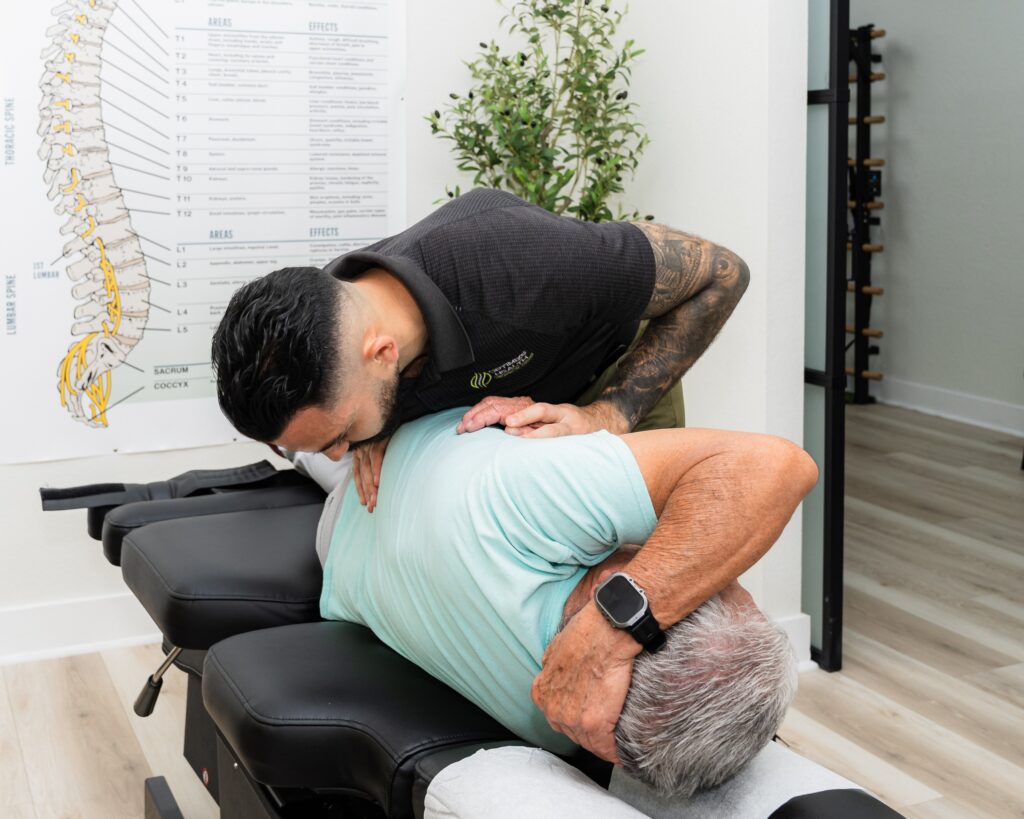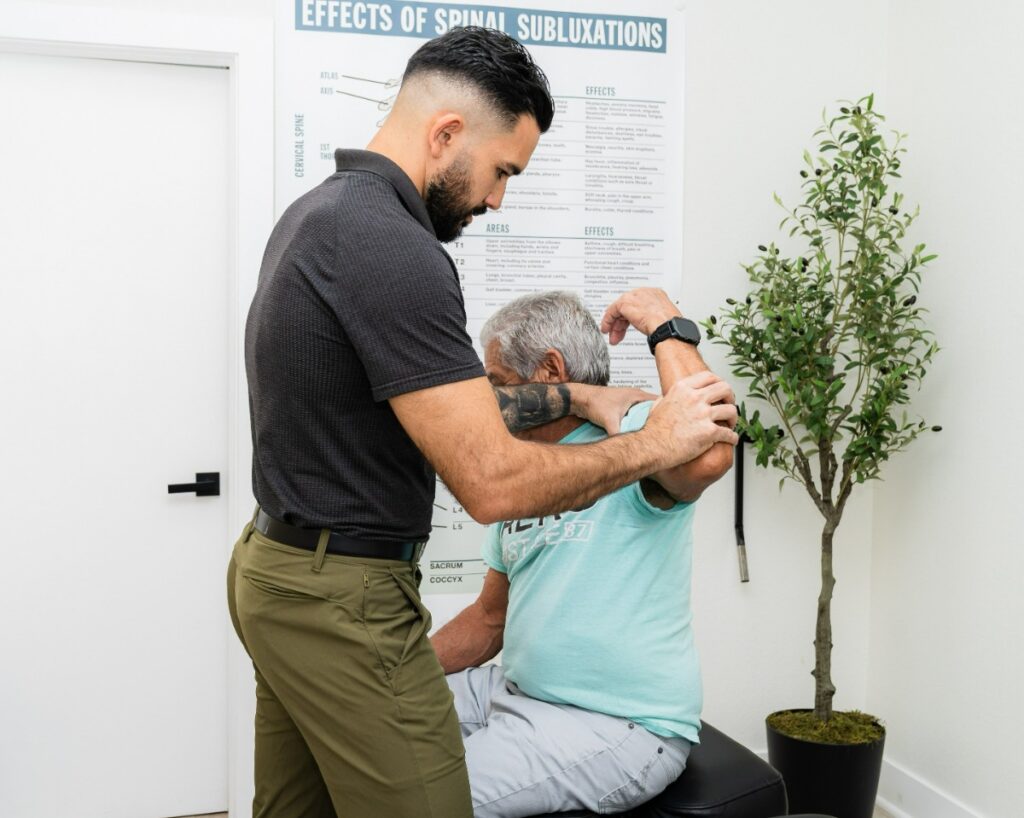

As a local chiropractor, I understand how debilitating back pain can be and how it can significantly impact your daily activities. Many of my patients are often surprised to learn that there are a variety of effective remedies available that don’t necessarily involve medication or invasive procedures.
Incorporating simple stretching exercises into your routine can greatly alleviate discomfort, while making ergonomic adjustments in your workspace can help prevent further strain. It’s important to recognize that these methods can complement one another, leading to improved comfort and overall well-being.
In the upcoming sections, I will guide you through some of the best natural options for back pain relief that align with chiropractic care principles. Together, we can explore how these strategies can work harmoniously to enhance your quality of life.
Stretching and Strengthening Exercises
As your local chiropractor, I want to share some valuable insights on how you can alleviate back pain naturally through stretching and strengthening exercises.
It’s essential to understand that many common discomforts in your back can often be traced back to tightness or weakness in specific muscle groups.
To start, I recommend focusing on stretches that target your hamstrings, hip flexors, and lower back, as these areas frequently contribute to your discomfort.
Simple movements like the cat-cow stretch or a gentle seated forward bend can help to loosen those tight muscles and promote flexibility.
Once you’ve warmed up your body, it’s crucial to incorporate strengthening exercises into your routine.
Building a strong core through exercises like planks, bridges, and pelvic tilts not only stabilizes your spine but also reduces the risk of future pain.
I encourage you to aim for a balanced routine that includes both stretching and strengthening at least three times a week.
By integrating these exercises into your daily life, you’re taking proactive steps towards better spinal health and overall wellness.
Hot and Cold Therapy
As your local chiropractor, I want to share some valuable insights on managing back pain through hot and cold therapy. Many people may not be familiar with this natural approach, but it can truly make a difference in your recovery.
Heat therapy is fantastic for relaxing tight muscles and enhancing blood circulation. When you apply heat to the affected area, it helps ease tension and promotes healing.
On the other hand, cold therapy serves a different purpose. It’s effective in reducing inflammation and numbing sharp sensations of pain.
Understanding how to use these therapies properly is key. For heat, consider using a heating pad or warm towel for 15-20 minutes at a time.
For cold therapy, ice packs or a bag of frozen vegetables wrapped in a towel can work wonders, applied for about 10-15 minutes.
By integrating hot and cold therapy into your routine, you can take proactive steps toward alleviating your back pain and supporting your overall wellness.
If you have any questions or need guidance on how to incorporate these techniques effectively, don’t hesitate to reach out!
Benefits of Heat Therapy
As a local chiropractor, I want to share with you the benefits of heat therapy, especially if you’re dealing with back pain. Many of my patients seek quick relief from discomfort, and I’m here to tell you that heat therapy can provide a soothing solution.
When you apply heat to the affected area, it increases blood flow, which helps promote healing and relax those tense muscles that often contribute to pain.
Whether you choose to use a heating pad, wrap a warm towel around your back, or indulge in a warm bath, you’ll likely find that the warmth brings immediate comfort. Heat therapy can help alleviate stiffness and reduce muscle spasms, making it easier for you to move about your day.
Moreover, using heat can enhance your overall sense of well-being, as it may help reduce stress and anxiety associated with chronic pain.
However, it’s important to remember not to apply heat for too long; typically, 15 to 20 minutes is sufficient to enjoy the benefits without risking burns.
If you have any questions about incorporating heat therapy into your pain management routine, feel free to ask during your visit!
Advantages of Cold Therapy
As a local chiropractor, I want to share with you the incredible benefits of cold therapy for managing back pain, especially after you’ve experienced an injury or engaged in strenuous activity.
When you apply cold, it works wonders by reducing inflammation and numbing the affected area, providing you with immediate relief. This therapy does an excellent job of constricting blood vessels, which not only eases swelling but also helps prevent any further damage to the area.
Cold therapy is particularly effective for acute pain, making it an ideal choice for those recent injuries or flare-ups you might be experiencing. Moreover, it can significantly decrease muscle spasms, allowing you to move more freely and comfortably.
Incorporating cold packs or ice into your recovery routine is simple and convenient, making it an accessible option for anyone dealing with back pain.
I encourage you to consider cold therapy as a valuable component of your pain management strategy. Remember, you don’t have to suffer in silence; natural healing methods like these can be a powerful ally on your journey to recovery.
Application Techniques and Tips
As your local chiropractor, I want to share some effective ways to manage back pain through hot and cold therapy. Understanding the right application techniques is crucial for optimal relief.
For cold therapy, I recommend using an ice pack wrapped in a cloth. Apply it to the affected area for about 15-20 minutes, ideally every hour. This method is excellent for reducing swelling and numbing any sharp pain you may be experiencing.
When it comes to hot therapy, a heating pad or a warm towel can work wonders. Apply it for 20-30 minutes to help relax tight muscles and promote better circulation. However, it’s important to always test the temperature before applying to your skin to avoid burns or frostbite.
You can also alternate between hot and cold therapy for even more effective relief. Just remember to listen to your body—if something feels uncomfortable, it’s best to stop.
Staying hydrated is key, too, and don’t forget to take breaks between applications to let your skin recover.
Over-the-Counter Pain Relievers
As a local chiropractor, I want to share some insights about managing back pain, particularly through the use of over-the-counter (OTC) pain relievers.
While these medications can provide quick relief, it’s important to approach them with care and an understanding of their effects on your body.
OTC pain relievers can help reduce inflammation and discomfort, allowing you to engage in your daily activities without the burden of pain.
Here are some common options you might encounter:
- Ibuprofen: This is effective for reducing inflammation and is often recommended for acute pain. However, it’s essential to use it as directed to avoid potential side effects.
- Acetaminophen: This medication is a good choice for mild pain relief and is less likely to irritate your stomach, making it a suitable option for many.
- Naproxen: Known for providing longer-lasting relief, naproxen can be beneficial for those dealing with persistent discomfort.
- Aspirin: While it can be effective for inflammation, it’s important to use aspirin with caution, especially if you have any underlying health conditions.
- Topical analgesics: These provide localized relief and tend to have fewer side effects, making them a good option for targeted pain areas.
Always remember to read the labels and adhere to the recommended dosages.
While OTC medications can be helpful for temporary relief, they don’t address the root causes of your pain.
If your discomfort persists, I encourage you to consult with a healthcare professional, such as a chiropractor, who can help identify underlying issues and guide you toward natural healing methods.
Finding the right approach to pain management can significantly enhance your overall well-being and help you regain your quality of life.
Physical Therapy
As a local chiropractor, I want to share how chiropractic care can significantly improve your back pain.
Unlike traditional approaches, we focus on a holistic and natural healing process. Through personalized adjustment techniques and tailored exercise programs, we address the root causes of your discomfort.
Our goal is to not just relieve your pain, but to help you regain strength and mobility in a safe and effective manner.
With the right chiropractic guidance, you can experience a transformation in your overall well-being.
Personalized Exercise Programs
If you’re experiencing back pain, consider how personalized exercise programs can significantly aid your recovery. As a chiropractor, I believe in the power of tailored routines that focus on strengthening your core, enhancing flexibility, and improving overall mobility—all essential components for relieving discomfort.
When you participate in a program specifically designed for your needs, you can expect to see benefits such as:
- Increased strength and stability in your back
- Improved range of motion
- Reduced pain and muscle tension
- Better posture and spinal alignment
- Increased confidence in your everyday activities
Collaborating with a chiropractor ensures that your exercises aren’t only safe but also effective in addressing the root causes of your pain.
Manual Therapy Techniques
At our chiropractic clinic, we believe that personalized exercise programs are essential for recovery, but when combined with manual therapy techniques, the healing process can be significantly enhanced.
Manual therapy involves hands-on approaches such as massage, mobilization, and manipulation, all designed to alleviate pain and improve your mobility. These techniques specifically target muscle tension and joint restrictions, fostering relaxation and increasing blood flow throughout your body.
As a chiropractor, my goal is to assess your unique needs and tailor treatments that address your specific pain points. By working together in regular sessions, we can help break the cycle of discomfort you may be experiencing, making it easier for you to engage in your exercise routine.
It’s important to remember that incorporating manual therapy into your care not only provides immediate relief from pain but also supports long-term management of back pain.
This holistic approach will aid you in regaining your strength and energy, allowing you to enjoy a more active lifestyle. If you’re new to chiropractic care and natural healing, I encourage you to explore how these techniques can benefit you on your journey to wellness.
Massage Therapy
As a local chiropractor, I understand that back pain can be an overwhelming experience for many. However, I want to introduce you to massage therapy as a complementary approach to chiropractic care that can provide significant relief.
This hands-on technique not only targets the tension in your muscles but also fosters a sense of relaxation and well-being. Picture the relief you’ll feel as skilled hands work to alleviate the knots and tightness in your back, allowing you to reconnect with your body.
Here are some emotional and physical benefits of incorporating massage therapy into your back pain relief routine:
- Deep relaxation, which can help calm both your mind and body
- Improved mood, aiding in the reduction of stress and anxiety levels
- Enhanced mobility, making daily activities more manageable and enjoyable
- Increased energy, revitalizing your spirit and motivation
- A greater sense of connection to your body, which promotes self-awareness and healing
By integrating regular massage therapy sessions with your chiropractic treatments, you can significantly enhance your overall quality of life.
Mindfulness and Meditation
As a local chiropractor, I want to share how mindfulness and meditation can be effective in managing back pain. These practices aren’t just about relaxation; they can be essential components of your overall healing process.
By incorporating breathing techniques into your daily routine, you can help promote relaxation and alleviate tension in your body, which is crucial for spinal health.
Additionally, visualization exercises can serve as a powerful tool to shift your focus away from discomfort. Instead of fixating on pain, these exercises guide your mind toward calming imagery, which can enhance your sense of well-being and support your recovery.
Embracing these natural healing methods alongside chiropractic care can significantly improve your quality of life.
Breathing Techniques for Relaxation
As a chiropractor dedicated to helping you find relief from pain, I want to share some effective breathing techniques that can significantly aid in your relaxation, particularly if you’re experiencing back pain.
Deep and mindful breathing can calm your mind and release tension from your body, creating a sense of peace and comfort.
Here are some techniques that I encourage you to try:
- Diaphragmatic Breathing: This technique focuses on engaging your diaphragm, allowing for deeper and fuller breaths. It helps to oxygenate your body more effectively and promotes relaxation.
- 4-7-8 Technique: Inhale through your nose for 4 seconds, hold your breath for 7 seconds, and then exhale slowly through your mouth for 8 seconds. This method can help regulate your breathing and reduce anxiety.
- Nasal Breathing: Breathe in and out through your nose. This not only enhances relaxation but also filters and warms the air, making it easier for your body to absorb oxygen.
- Mindful Observation: Take a moment to notice the sensations of your breath without judgment. This practice encourages mindfulness and can help you connect with your body.
- Counting Breaths: As you breathe in and out, count each breath to bring your attention back to the present moment, helping to calm your mind.
Incorporating these breathing techniques into your daily routine can make a significant difference in how you manage and experience back pain.
Visualization for Pain Management
As a local chiropractor, I want to share with you how integrating visualization techniques into your pain management routine can greatly enhance your relaxation and overall well-being. Many people may not be familiar with the concept, but visualizing a serene environment or imagining your pain dissipating can create a powerful mental escape that helps alleviate discomfort.
To get started, find a quiet space where you can relax without interruptions. Close your eyes and take some deep, calming breaths. Picture a peaceful scene—perhaps a tranquil beach or a serene forest. As you immerse yourself in this imagery, focus on the sensations of warmth and comfort that wash over you.
You can also visualize healing light surrounding the areas of your body where you experience pain, encouraging relief and promoting healing.
By practicing visualization regularly, you may notice a decrease in your perception of pain. This technique not only aids in relaxation but also empowers you to take an active role in your pain management journey.
At our chiropractic clinic, we believe in the power of natural healing methods, and visualization can be a valuable tool in supporting your overall health and well-being.
Acupuncture
As a local chiropractor, I want to share the exciting benefits of acupuncture as a natural method for alleviating back pain. This ancient practice aligns beautifully with our chiropractic philosophy, focusing on the body’s innate ability to heal itself.
By carefully placing fine needles at specific acupuncture points, we can help facilitate energy flow and alleviate tension in your body.
Here are some key benefits you may experience through acupuncture:
- Pain reduction: Many patients report significant relief after just a few sessions, making it an effective adjunct to chiropractic care.
- Improved mobility: You may notice enhanced flexibility and movement in your back, contributing to overall better spinal health.
- Stress relief: This calming technique can help reduce anxiety associated with chronic pain, promoting a sense of well-being.
- Personalized treatment: Just like chiropractic adjustments, acupuncture sessions can be tailored to meet your individual needs and health goals.
- Minimal side effects: Unlike many medications, acupuncture typically has few adverse effects, making it a safe option for many individuals.
If you’re seeking a holistic alternative to manage your back pain, consider incorporating acupuncture into your wellness journey.
Together with chiropractic care, it could be the soothing remedy you’ve been looking for as you strive towards a pain-free life!
Chiropractic Care
As your local chiropractor, I want to share with you the incredible benefits of chiropractic care, especially if you’re struggling with back pain. Our approach focuses on identifying and addressing the root causes of your discomfort, rather than just masking the symptoms. By utilizing hands-on manipulation techniques, we can effectively align your spine, which not only alleviates tension but also enhances your overall mobility and well-being.
During your initial visit, I’ll conduct a thorough assessment of your spine and posture to pinpoint any misalignments that may be contributing to your pain. Based on this evaluation, I’ll create a personalized treatment plan that may include spinal adjustments, therapeutic exercises, and practical lifestyle advice to support your healing journey.
Many patients have found that consistent chiropractic care not only helps to reduce their pain but also plays a crucial role in preventing future issues.
One of the most compelling aspects of chiropractic care is its ability to boost your body’s natural healing processes, providing a safe and drug-free alternative for pain relief.
If you’re ready to take control of your back pain and explore a holistic approach to health, I invite you to schedule an appointment with me. You might be amazed at how significantly your quality of life can improve after just a few sessions!
Proper Sleep Posture
As a local chiropractor dedicated to your well-being, I want to emphasize that good spinal alignment isn’t just something we achieve during your visits; it’s also greatly influenced by your sleep habits.
Many people may not realize that improper sleep posture can negatively impact your back health. Here are some essential tips to help you improve your sleep posture:
- Aim to sleep on your back or side instead of your stomach, as this position helps maintain the natural curve of your spine.
- Choose a supportive pillow that keeps your neck aligned with your spine. This can greatly reduce strain on your neck and back.
- If you prefer to sleep on your side, consider placing a pillow between your knees. This helps keep your hips aligned and alleviates pressure on your lower back.
- Invest in a comfortable mattress that provides adequate support. A mattress that’s too soft or too firm can lead to discomfort and misalignment.
- Establish a relaxing bedtime routine to signal to your body that it’s time to wind down and prepare for restorative sleep.
By prioritizing proper sleep posture, you’ll likely wake up feeling rejuvenated and free from pain.
It’s time to take charge of your sleep and give your spine the care it truly deserves. Remember, the value of a good night’s sleep can’t be overstated—it may be the key to better health and well-being that you’ve been seeking!
Ergonomic Adjustments
As a local chiropractor, I want to emphasize the importance of making ergonomic adjustments in your workspace, especially since many of us spend hours sitting at desks or working on computers.
These adjustments can significantly enhance your daily comfort and support your back health.
First, ensure that your chair is properly adjusted so that your feet rest flat on the floor and your knees are at hip level.
It’s crucial to choose a chair that provides adequate support for your lower back, allowing you to maintain an upright posture.
Your computer screen should also be positioned at eye level to help prevent neck strain, and it should be placed about an arm’s length away from your body.
Additionally, consider using a keyboard and mouse that promote a neutral wrist position.
If you find yourself working for extended periods, I encourage you to take regular breaks to stretch and move around.
You might also explore the option of a standing desk to vary your posture throughout the day.
By implementing these ergonomic adjustments, you can create a workspace that fosters better posture and minimizes the risk of back pain.
Remember, even small changes can lead to substantial improvements in your overall well-being.
As a chiropractor, I’m here to support you in your journey to better health through natural healing practices.
Conclusion
As a local chiropractor, I want to share with you some effective remedies for managing back pain that can truly enhance your well-being. Incorporating these strategies into your daily routine can make a noticeable difference. Focus on gentle stretching and strengthening exercises, as these can help improve your posture and alleviate discomfort.
It’s also important to consider your workspace—making adjustments can prevent strain on your back. Don’t underestimate the power of heat and cold therapy; these techniques can provide quick relief when you’re feeling discomfort. Over-the-counter pain relievers can also be beneficial, but I encourage you to explore natural options first.
If you’re dealing with persistent pain, seeking professional help is crucial. Chiropractic care, along with massage and acupuncture, can address the root causes of your pain and promote healing. By prioritizing your health and taking proactive steps, you can work towards a pain-free life. Remember, I’m here to guide you on this journey to better health!