
As a local chiropractor, I often see athletes and fitness enthusiasts who are eager to elevate their performance but may not realize the power of natural strategies. It's common to overlook the importance of balanced nutrition, proper hydration, and mental conditioning, which can greatly enhance your athletic abilities without the need for artificial supplements.
Understanding how macronutrients fuel your body, along with mastering effective hydration techniques, can unlock your full potential. Additionally, mental strategies play a crucial role in performance, helping you stay focused and resilient.
However, let's not forget about the vital aspects of recovery and personalized training regimens. These elements are essential for achieving athletic success and should not be neglected. By integrating chiropractic care into your routine, you can support your body's natural healing processes, improve mobility, and reduce the risk of injury, all of which contribute to your overall performance. Embrace a holistic approach that includes recovery practices and tailored training programs to truly elevate your sports performance naturally.
Importance of Nutrition
As a local chiropractor, I want to emphasize the crucial role that nutrition plays in your overall health and wellness, especially if you're active or involved in sports. The right balance of macronutrients—carbohydrates, proteins, and fats—is essential for fueling your body and supporting your physical activities.
Carbohydrates serve as your primary energy source, which is vital for sustaining high-intensity workouts. Incorporating whole grains, fruits, and vegetables into your meals ensures that you're not only energized but also receiving important vitamins and minerals that contribute to your overall well-being.
Protein is vital for muscle repair and growth, particularly after strenuous exercise. Your muscles require amino acids to recover effectively, so it's important to include lean protein sources such as chicken, fish, legumes, and dairy in your diet.
Additionally, healthy fats play a significant role in maintaining hormone balance and supporting bodily functions. Foods like avocados, nuts, and olive oil are excellent options to include as you work towards a balanced diet.
Meal timing is another factor that can enhance your performance and recovery. Consuming a balanced meal a few hours before engaging in physical activity helps to prepare your body with the necessary fuel.
After your workout, having a combination of carbohydrates and protein can help replenish energy stores and support muscle recovery, which is essential for maintaining your health.
It's also important to focus on the quality of the foods you consume. Opting for whole, nutrient-dense foods will provide the energy and nutrients your body needs for optimal performance.
Hydration Strategies
As a local chiropractor focused on holistic health, I want to emphasize the importance of proper nutrition and hydration in enhancing your overall well-being and athletic performance. Staying hydrated is crucial for maintaining energy levels, reducing fatigue, and improving endurance, whether you're an athlete or simply someone looking to lead a healthier lifestyle.
To help you optimize your hydration, I recommend starting with a simple calculation: aim to drink half your body weight in ounces of water each day. For instance, if you weigh 160 pounds, strive for around 80 ounces of water daily.
Timing your hydration is just as important. Instead of consuming large amounts of water all at once, it's best to drink consistently throughout the day. Make it a point to pay attention to your hydration before, during, and after any physical activity.
Approximately two hours before exercising, try to drink 16-20 ounces of water. During your workout, sip on water every 15-20 minutes, especially if you're engaging in strenuous activities that last longer than an hour. If you're exercising for an extended period, consider incorporating electrolyte-rich drinks to help replenish lost minerals.
A simple way to monitor your hydration status is by checking the color of your urine. A light yellow color typically indicates good hydration, while darker shades suggest that it's time to drink more fluids. Additionally, listen to your body—thirst is a natural signal that you need to hydrate. If you find yourself feeling fatigued or dizzy, it's crucial to drink water right away.
It's also important to recognize that hydration needs can differ based on factors such as climate, altitude, and individual sweat rates. Keeping a water bottle with you can serve as a handy reminder to prioritize hydration throughout your day.
Mental Conditioning Techniques
Mental conditioning is an essential component of overall wellness that often gets overlooked, especially in relation to athletic performance. As a local chiropractor, I want to emphasize how the mental edge can significantly influence your physical capabilities and set you apart in your pursuits.
To enhance your mental resilience, you can incorporate specific techniques into your routine that help you focus, remain calm under pressure, and foster a positive mindset.
First, visualization can be a powerful ally in your journey. I encourage you to take time to vividly imagine yourself executing your physical activities with precision and confidence. This mental rehearsal creates a blueprint that prepares your body and mind for real-life scenarios. Picture the sights, sounds, and feelings associated with your performance—the more detailed, the better.
Next, engaging in mindfulness practices is crucial. Mindfulness keeps you anchored in the present moment, allowing you to manage stress and anxiety effectively. Consider incorporating deep breathing exercises into your pre-competition routine to clear your mind and enhance your focus. Even just a few minutes of mindful breathing can help alleviate tension and sharpen your concentration.
Setting clear and achievable goals is another effective strategy. Break down your larger objectives into smaller, manageable steps. This not only allows you to monitor your progress but also boosts your confidence with each goal you accomplish.
Additionally, I recommend developing a positive self-talk routine. It's important to challenge any negative thoughts that may arise and replace them with affirmations that reinforce your strengths and abilities. This practice will help build your resilience when facing obstacles.
Finally, cultivating a growth mindset can transform the way you perceive challenges. Embrace setbacks as valuable learning experiences rather than failures. This shift in perspective encourages persistence and keeps your motivation levels high.
Recovery and Rest
As a local chiropractor, I want to emphasize how vital it's to recover effectively after engaging in intense physical activity. Proper recovery not only helps you maintain peak performance but also plays a crucial role in preventing injuries.
When your body doesn't get the recovery it needs, it can't repair itself properly, which can lead to fatigue, decreased performance, and a higher risk of injuries. Here are some key strategies you can adopt to enhance your recovery and ensure you're prepared for your next challenge:
- Hydration: It's essential to drink plenty of water before, during, and after your workouts. Staying hydrated helps replenish lost fluids and supports muscle recovery and overall bodily function, which is crucial for your health.
- Nutrition: Fueling your body with a balanced diet is key. Focus on a mix of protein, carbohydrates, and healthy fats, especially in your post-workout meals. These nutrients are vital for muscle repair and replenishing your energy stores.
- Sleep: Don't underestimate the power of quality sleep. This is when your body heals and regenerates. Aim for 7-9 hours of restorative sleep each night to optimize your recovery process.
- Active Recovery: On your rest days, consider engaging in low-intensity activities such as walking, cycling, or yoga. These activities promote blood flow and keep your muscles engaged without putting additional strain on your body.
- Stretching and Foam Rolling: Incorporating stretching and foam rolling into your routine can be incredibly beneficial. These practices help relieve muscle tightness, improve flexibility, and can speed up your recovery while enhancing your range of motion.
By integrating these strategies into your routine, you can support your body's natural healing processes and improve your overall performance.
If you have any questions about how chiropractic care can further aid your recovery, I'm here to help!
Training Regimens for Success
To excel in sports, it's crucial to adopt a comprehensive training regimen that not only helps you achieve your goals but also supports your overall well-being. As a chiropractor, I believe in a balanced approach that incorporates strength training, endurance work, flexibility exercises, and sport-specific skills, all while prioritizing your body's natural healing processes.
Start by assessing your current fitness level and recognizing any areas that might need improvement. This self-awareness is essential for setting realistic and measurable goals that align with your body's capabilities.
Incorporating strength training into your routine at least two to three times per week is vital. Focus on compound movements, such as squats, deadlifts, and bench presses, as they build overall strength and enhance your athletic performance. However, it's important to ensure that your body is aligned and functioning optimally to prevent injuries. Visiting a chiropractor can help identify any misalignments that may hinder your progress.
Pair strength work with cardiovascular training to enhance your endurance. A combination of high-intensity interval training (HIIT) and steady-state cardio can be beneficial, as both methods have unique advantages. Remember, proper body mechanics are essential during these workouts to avoid strain and injury.
Flexibility is often an overlooked aspect of fitness, yet it plays a crucial role in injury prevention and performance enhancement. Make it a habit to stretch before and after workouts. Incorporating dynamic stretches during your warm-up and static stretches during your cool-down can keep your muscles supple and ready for action.
Don't forget to consistently practice your sport-specific skills, whether it's shooting drills in basketball or sprinting techniques in track. Regular practice not only improves your abilities but also reinforces proper movement patterns that can be supported by chiropractic care.
Lastly, tracking your progress is key. Keep a training journal to document your workouts, recovery, and any adjustments you make along the way. Regular evaluations of your goals and modifications to your regimen are important.
Conclusion
As a local chiropractor, I want to emphasize that improving your sports performance naturally involves a holistic approach. It's essential to focus on nutrition, ensuring you fuel your body with the right foods, and staying properly hydrated to support your overall health. Mental conditioning is also a crucial aspect—working on your mindset can enhance your performance significantly.
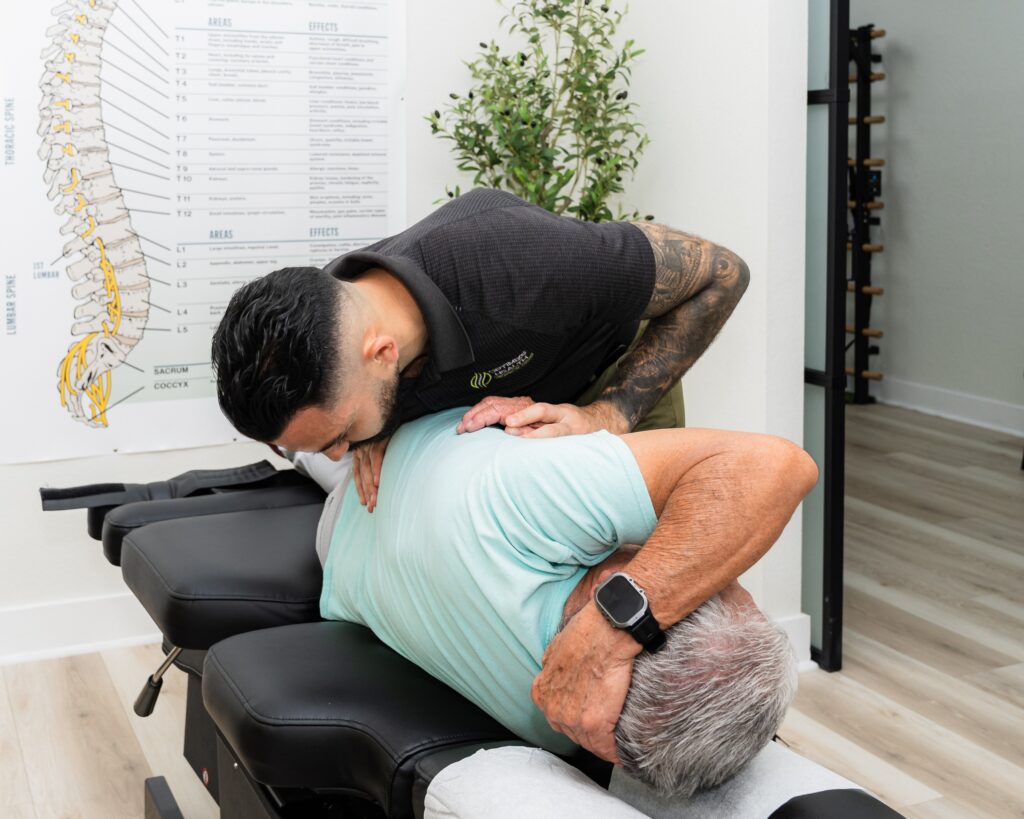
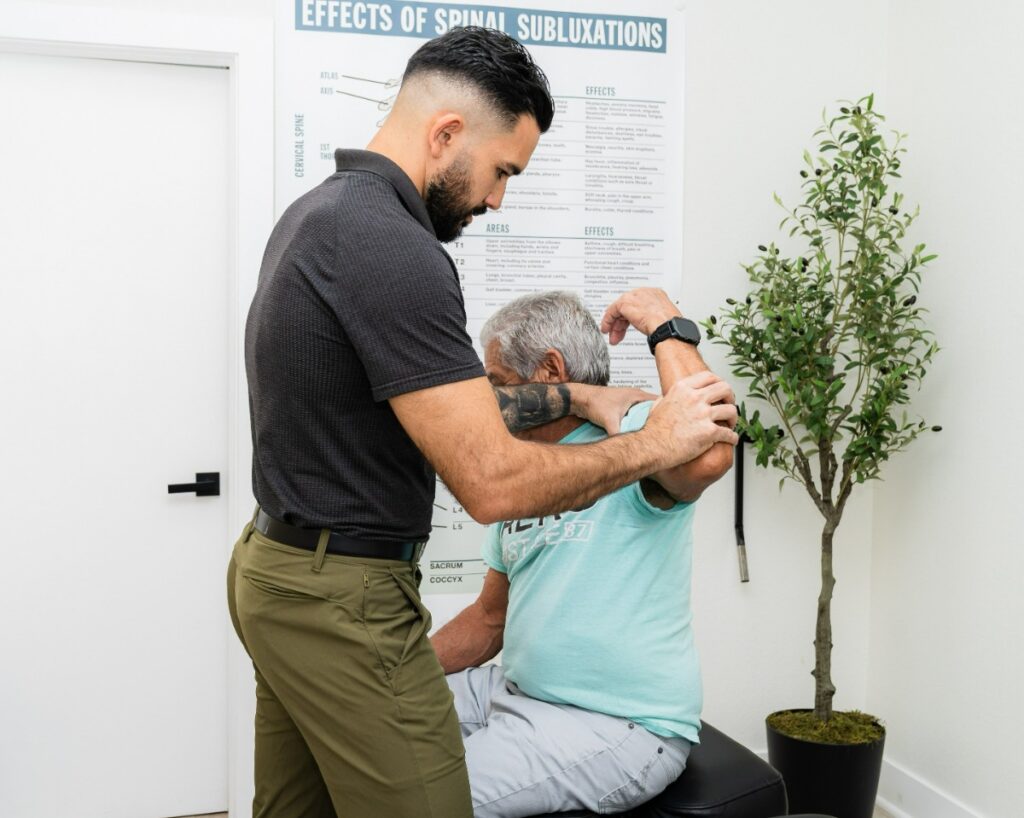
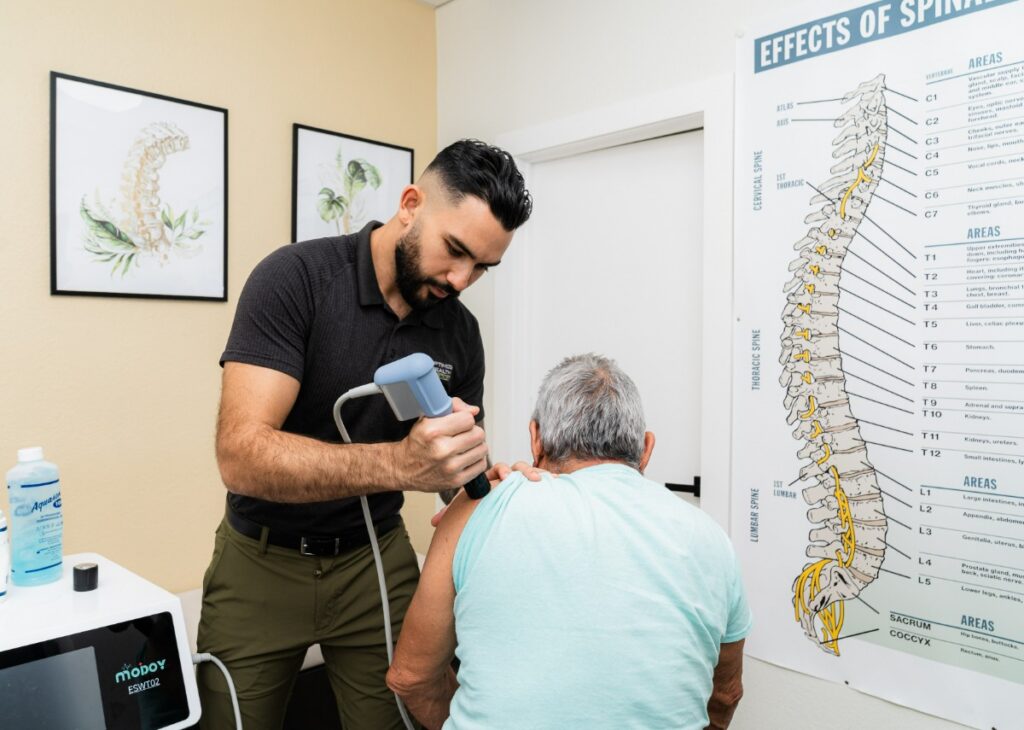
Additionally, prioritizing recovery is vital. This is where chiropractic care can play a significant role by helping your body heal and grow stronger. Regular adjustments can improve your alignment, reduce pain, and enhance your range of motion, all of which contribute to better athletic performance.
Tailoring your training regimen to fit your unique needs is also important. As each individual is different, I encourage you to listen to your body and make adjustments as necessary. Remember, consistency is key; tracking your progress and celebrating your achievements can keep you motivated.
With dedication, the right strategies, and a focus on natural healing, you can reach new heights in your athletic journey! If you have any questions about how chiropractic care can support your sports performance, feel free to reach out!