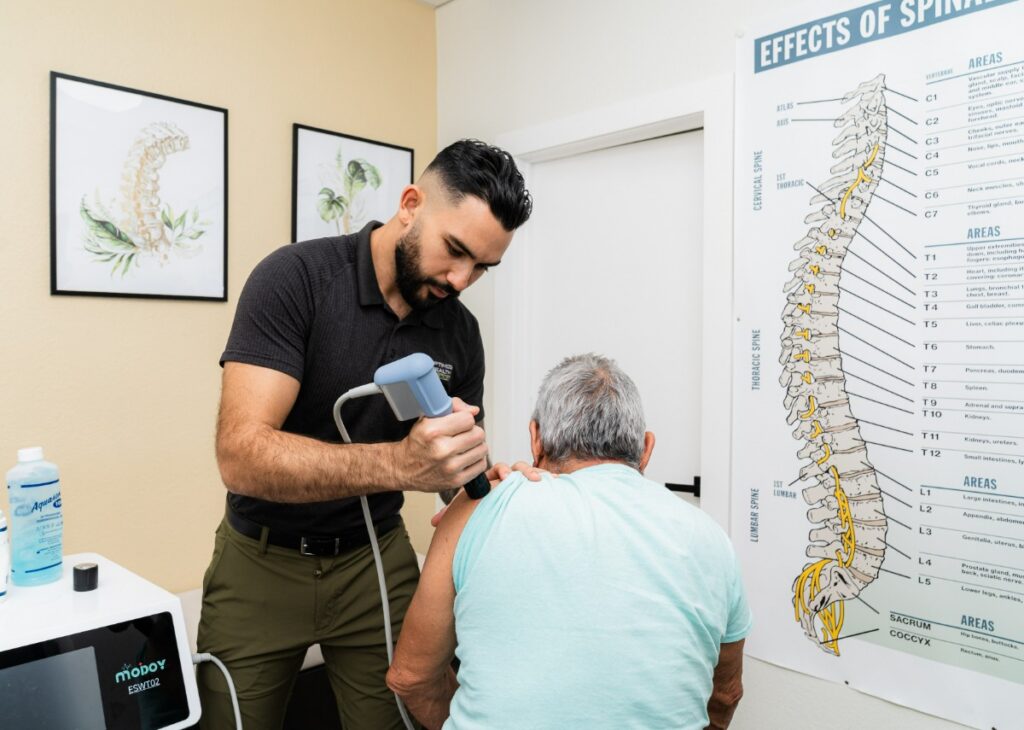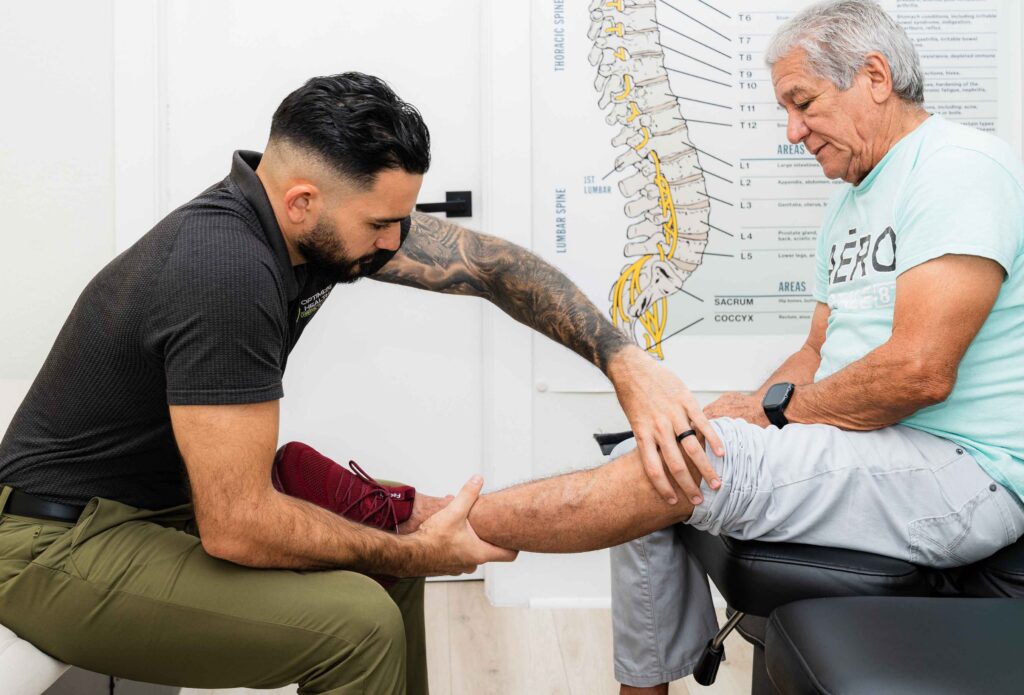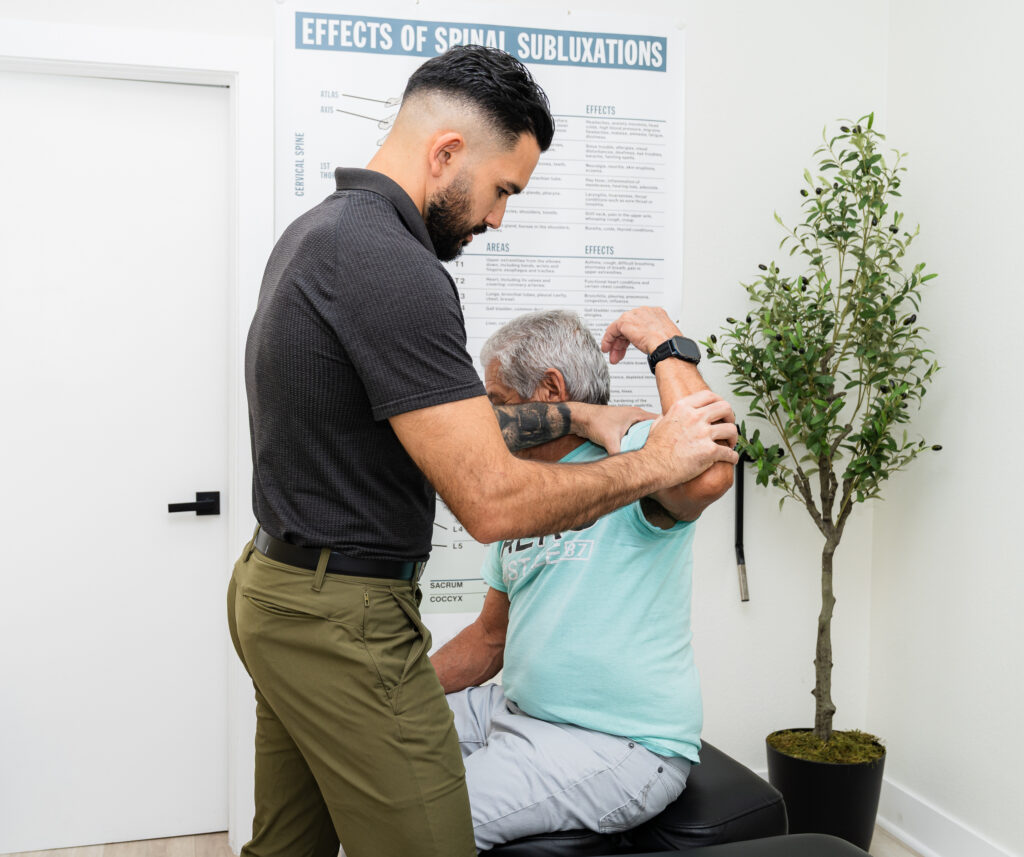

Many people believe that recovery is simply about taking a break, but it's actually much more complex than that. As a local chiropractor, I want to share how prioritizing quality sleep, engaging in active recovery, and utilizing therapies like chiropractic adjustments and compression can significantly improve your recovery process. Recovery isn't solely about physical rest; aspects such as proper nutrition and mindfulness are equally important. By incorporating these holistic strategies into your routine, you can experience a more effective recovery journey. Imagine being able to implement these techniques and truly noticing an enhancement in your overall performance and well-being. Let's delve into seven ways you can elevate your recovery with natural healing methods.
Prioritize Sleep Quality
As a local chiropractor, I want to emphasize the crucial role sleep quality plays in your overall health and well-being, especially if you lead an active lifestyle. Quality sleep is vital for recovery, impacting everything from your physical performance to your mental health.
When you prioritize sleep, your body has the opportunity to repair tissues, restore energy levels, and balance hormones. Conversely, inadequate sleep can lead to diminished focus, increased fatigue, and a heightened risk of injury.
To enhance your sleep quality, I recommend establishing a consistent sleep schedule. Aim to go to bed and wake up at the same time every day, including weekends. This consistency helps regulate your body's internal clock, making it easier to drift off and wake up feeling rejuvenated.
Consider creating a calming bedtime routine that signals to your body that it's time to relax. Gentle activities like reading, stretching, or practicing mindfulness can help transition you into a restful state.
Additionally, the environment where you sleep is paramount. Ensure your bedroom is cool, dark, and quiet. Investing in a supportive mattress and pillows can significantly enhance your sleep quality.
I also advise limiting screen time before bed; the blue light emitted from devices can interfere with your sleep cycle. Furthermore, it's wise to avoid caffeine and heavy meals in the hours leading up to bedtime.
Finally, pay attention to your body's signals. If you're feeling particularly fatigued, don't hesitate to modify your training schedule or incorporate short naps to aid in your recovery.
Incorporate Active Recovery
As a local chiropractor, I want to share with you the importance of incorporating active recovery into your wellness routine. Many people may not be aware of how beneficial low-intensity activities can be for enhancing your overall performance and well-being.
By engaging in gentle movements, you can improve circulation, alleviate muscle soreness, and promote a quicker recovery after physical activity.
Active recovery can take many forms, including walking, stretching, or light cycling. These activities help to keep your body moving without putting excessive strain on your muscles and joints.
This approach not only aids in muscle recovery but also supports your body's natural healing processes.
Understanding the techniques and benefits of active recovery is essential for anyone looking to optimize their health.
As your chiropractor, I encourage you to embrace these practices to enhance your recovery and overall vitality.
Let's work together to explore how active recovery can fit into your lifestyle and support your journey toward better health.
Benefits of Active Recovery
As a local chiropractor, I want to emphasize that rest doesn't necessarily mean complete inactivity. In fact, incorporating active recovery into your routine can significantly improve your athletic performance and overall well-being.
Active recovery consists of low-intensity exercises that promote blood circulation and help eliminate waste products from your muscles. This not only accelerates the recovery process but also diminishes soreness, allowing you to feel rejuvenated more quickly.
By integrating active recovery into your regimen, you can sustain your fitness levels while avoiding the burnout that often accompanies rigorous training. Gentle activities such as light jogging, cycling, or yoga can keep your muscles engaged while providing the necessary time for them to recover.
This approach helps prevent stiffness and enhances flexibility, both of which are crucial for any athlete's success.
Additionally, active recovery can positively impact your mental health. Staying connected to your sport through low-intensity workouts keeps you motivated and focused on your goals.
By incorporating these practices, you can maintain your routine without the risk of overexertion. Ultimately, embracing active recovery can lead to improved performance, reduced risk of injury, and a more enjoyable training experience.
Techniques for Active Recovery
As a local chiropractor, I want to share with you the importance of active recovery techniques in your overall wellness and fitness journey. These methods can significantly aid in your body's ability to recover, alleviate soreness, and help maintain your fitness without the need for high-intensity workouts.
One highly effective approach is low-intensity cardio. Activities such as walking, cycling, or swimming for about 20 to 30 minutes can keep your heart rate elevated while enhancing blood flow to your muscles, which is essential for recovery.
Incorporating stretching or yoga into your routine is another excellent option. Gentle stretching not only increases flexibility but also helps release any built-up tension in your body.
Foam rolling is a technique I often recommend to my patients as well; it's a fantastic way to release muscle knots and improve circulation, which can enhance your healing process.
Don't overlook the importance of scheduling active recovery days into your training regimen. These days allow your body to rest while still engaging in light activities, such as hiking or recreational sports, which can be both enjoyable and beneficial.
Finally, it's crucial to listen to your body. If you're feeling overly fatigued, it may be wise to opt for rest or lighter activities instead of pushing through.
By integrating these active recovery techniques into your lifestyle, you can improve your overall performance and maintain your health, keeping you in optimal shape for your next training session.
Utilize Compression Therapy
As a local chiropractor, I want to introduce you to the benefits of compression therapy, which can play a significant role in your recovery process.
This technique enhances blood circulation, allowing essential nutrients to reach your muscles more effectively while also minimizing soreness.
By incorporating compression therapy into your routine, you may experience faster recovery times and an overall boost in your performance.
It's a natural and effective way to support your body's healing process, and I encourage you to consider it as part of your chiropractic care plan.
Enhanced Blood Circulation
As a local chiropractor dedicated to your overall wellness, I want to share an effective method to enhance your recovery: compression therapy. This technique involves wearing specially designed garments that apply gentle pressure to your limbs, promoting better blood circulation throughout your body.
When you don compression gear, it assists your veins in efficiently returning blood to your heart, which is essential for delivering oxygen and nutrients to your muscles. This is particularly important as you engage in physical activities. Your muscles thrive on a consistent supply of oxygen and nutrients to perform optimally, and compression therapy plays a crucial role in facilitating this process.
You'll likely notice that with improved circulation, your recovery times shorten, allowing you to return to your activities more quickly.
Moreover, compression therapy can significantly reduce swelling and inflammation in your muscles. By wearing compression sleeves or socks during and after your workouts, you're actively supporting your body's natural healing processes. This not only accelerates recovery but also enhances your overall performance.
Incorporating compression therapy into your routine is both simple and effective. Whether you're a seasoned athlete or someone who enjoys occasional physical activity, I encourage you to explore the benefits of enhanced blood circulation through compression therapy.
It's a valuable tool in your journey towards better health and wellness. If you have any questions or would like to learn more, feel free to reach out during your next visit!
Reduced Muscle Soreness
As a local chiropractor, I want to share some valuable insights on how compression therapy can significantly reduce muscle soreness and support your recovery process.
When you enhance blood circulation through this method, you may notice a marked decrease in soreness after your workouts. Compression therapy works by applying targeted pressure to your muscles, which effectively helps eliminate lactic acid and other metabolic waste that contribute to discomfort.
To get the most out of this therapy, I recommend wearing compression garments during your workouts and continuing to wear them for a few hours after exercising. Many of my patients have reported not only reduced soreness when using these garments but also improved overall performance.
They help keep your muscles warm and supported, which can prevent injuries and boost your endurance during physical activities.
Moreover, incorporating compression therapy into your recovery routine can enhance your sleep quality. When your muscles are less sore, it becomes easier for you to relax, leading to deeper and more restorative sleep—an essential component for recovery.
If you have any questions about how compression therapy can fit into your wellness journey or how chiropractic care can complement your recovery, feel free to reach out. I'm here to help you achieve optimal health through natural healing methods!
Explore Nutritional Strategies
As a local chiropractor dedicated to helping you achieve optimal health, I want to emphasize the importance of proper nutrition in your recovery process. The food you consume after physical activity can significantly impact how well and how quickly your body heals. Here are some nutritional strategies to enhance your recovery:
- Focus on Protein: Your muscles require protein for effective repair and growth. For your post-workout recovery, aim to include high-quality protein sources in your meals or snacks. Options like chicken, fish, eggs, or plant-based proteins such as lentils and quinoa are excellent choices that support muscle health.
- Add Carbohydrates: Intense workouts can deplete your body's glycogen stores, which are essential for energy. It's important to replenish these with carbohydrates. Whole grains, fruits, and vegetables aren't only nutritious but also provide the energy your body needs to recover and function properly.
- Hydration Matters: Staying hydrated is crucial for recovery. It's not just about drinking plain water; your body also needs electrolytes, especially after sweating during exercise. Incorporating coconut water or other electrolyte-rich beverages can help maintain your body's balance and support recovery.
- Embrace Healthy Fats: Including healthy fats in your diet is beneficial for reducing inflammation and providing essential fatty acids that aid in recovery. Foods like avocados, nuts, and olive oil can be great additions to your post-workout meals.
By understanding and implementing these nutritional strategies, you can support your body's natural healing processes and enhance your overall wellness.
Engage in Mindfulness Practices
Incorporating mindfulness practices into your recovery routine can significantly improve your overall well-being, especially when it comes to chiropractic care and natural healing. As a chiropractor, I often see patients who are focused solely on the physical aspects of their recovery, which can lead to overlooking the mental and emotional components that are crucial for healing.
Mindfulness can help you reconnect with both your body and mind, promoting a deeper awareness of your physical sensations and emotional states.
I recommend starting with just a few minutes of mindfulness meditation each day. Find a quiet space where you can sit comfortably and concentrate on your breath. This simple yet powerful practice can lower stress levels, enhance your focus, and promote relaxation—key elements that support effective recovery.
You may be surprised at how just a few minutes of mindful breathing can clear your mind and prepare you for the challenges that lie ahead.
In addition to meditation, consider incorporating yoga into your routine. Yoga beautifully combines physical movement with mindfulness, allowing you to increase flexibility and strength while also fostering mental clarity.
As you move through different poses, pay attention to your breath and the sensations in your body. This heightened connection can improve your body awareness and help prevent injuries, making it a valuable complement to chiropractic care.
Another effective mindfulness tool is journaling. By taking the time to write down your thoughts and feelings, you can process your experiences and track your recovery progress.
Journaling provides an excellent opportunity to reflect on your healing journey, celebrate small victories, and identify areas where you might need to focus more attention.
Ultimately, integrating mindfulness practices into your recovery not only enhances your performance but also fosters a greater sense of balance in your overall health journey.
Implement Cold Water Therapy
As a local chiropractor, I often emphasize the importance of natural healing methods to support recovery and overall wellness. One technique that has been gaining traction in the health and fitness community is cold water therapy. You might wonder how this practice can benefit your recovery process, and I'm here to explain its advantages.
Cold water therapy has been widely adopted, particularly among athletes, for several compelling reasons. By incorporating this method into your routine, you can enhance your recovery and improve your overall well-being.
Here are four significant benefits of cold water therapy:
- Reduces Inflammation: When you immerse yourself in cold water, it causes blood vessels to constrict, which can significantly reduce swelling and inflammation. This is particularly beneficial after intense physical activity, as it helps your body recover more effectively.
- Eases Muscle Soreness: Cold water therapy is known for alleviating delayed onset muscle soreness (DOMS). If you've ever felt sore after a workout, this technique can help you feel more comfortable and ready to engage in your next training session.
- Boosts Circulation: Once you step out of the cold water, your body begins to warm up again, which increases blood flow. This enhanced circulation aids in delivering essential nutrients to your muscles, promoting healing and recovery.
- Enhances Mental Toughness: Regular exposure to cold water can also strengthen your mental resilience. Learning to embrace discomfort can significantly bolster your mindset, which is crucial for achieving your health and fitness goals.
If you're interested in trying cold water therapy, there are various options available, such as cold showers, ice baths, or swimming in chilly natural bodies of water.
Always remember to listen to your body and tailor the duration to what feels comfortable for you.
Schedule Regular Massage Sessions
Scheduling regular massage sessions can profoundly enhance your recovery routine, especially when integrated with chiropractic care. As a local chiropractor, I want to emphasize that massage therapy isn't just a luxury; it's an essential tool for improving your overall performance and well-being.
By incorporating massage into your health regimen, you're not only addressing sore muscles but also promoting better blood circulation, which facilitates the delivery of oxygen and nutrients to your muscles, aiding in faster recovery.
Deep tissue massage can be particularly beneficial, as it targets specific tight areas, helping to break up knots and alleviate tension. This approach goes beyond mere relaxation; it's about optimizing your body's functionality.
Regular massage sessions can also significantly reduce your risk of injury by maintaining muscle flexibility and enhancing your range of motion.
It's crucial to work with a skilled therapist who understands the unique needs of your body. I encourage you to share your health goals and any concerns you may have. This communication allows the therapist to tailor the sessions to focus on particular muscle groups that may be under additional strain due to your activities.
Remember, you don't need to wait until discomfort arises to seek out a massage. Preventative care is vital to maintaining your health. By scheduling regular massage sessions, you'll keep your body in optimal condition, enabling you to train harder and perform better in your chosen activities.
I recommend considering massage therapy as part of your recovery plan, aiming for sessions once a week or biweekly, depending on your activity level.
Over time, you'll notice the cumulative benefits, leading to improved performance and a more enjoyable experience in your athletic pursuits. Don't underestimate the importance of this key component in your recovery strategy!
Conclusion
As a local chiropractor, I want to share how incorporating various recovery strategies can significantly enhance your athletic performance and overall well-being. Prioritizing quality sleep is essential, as it allows your body to heal and recover effectively. Engaging in active recovery, such as light exercises or stretching, can help maintain blood flow and reduce stiffness.
Nutrition plays a crucial role in recovery as well, so exploring options that support your body's needs can be beneficial. Don't overlook the advantages of compression therapy and cold water immersion; both are excellent for easing soreness and promoting healing. Regular massages can also aid in muscle recovery and alleviate tension.
Additionally, integrating mindfulness practices into your routine can sharpen your focus and enhance your mental clarity. By embracing these natural healing methods, you'll not only improve your recovery time but also support your overall health. Let's work together to incorporate these strategies and watch your recovery journey transform!