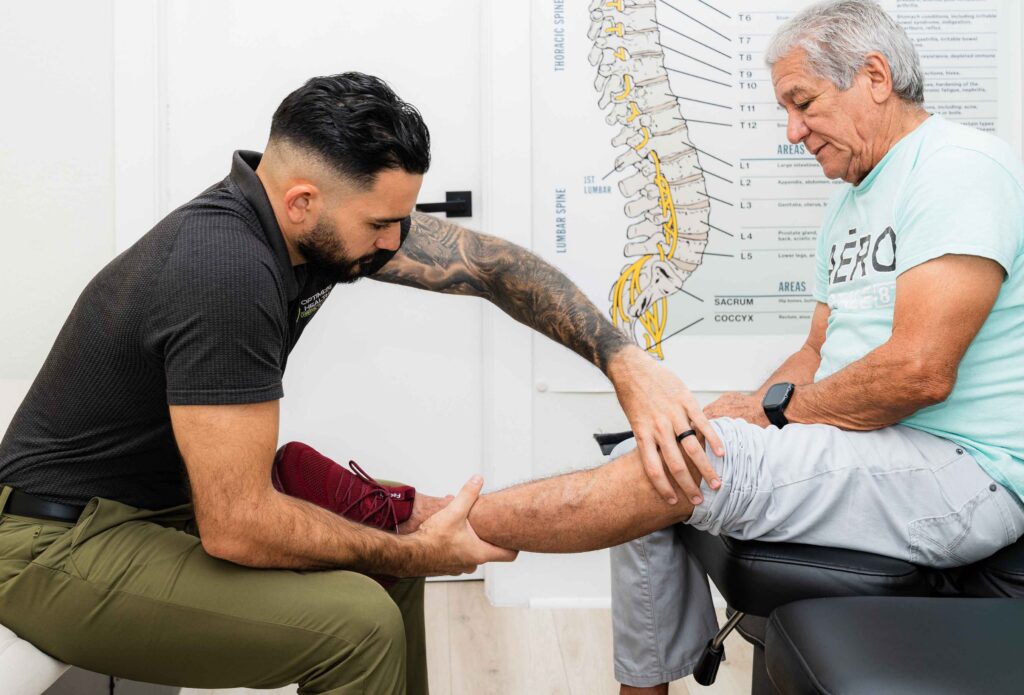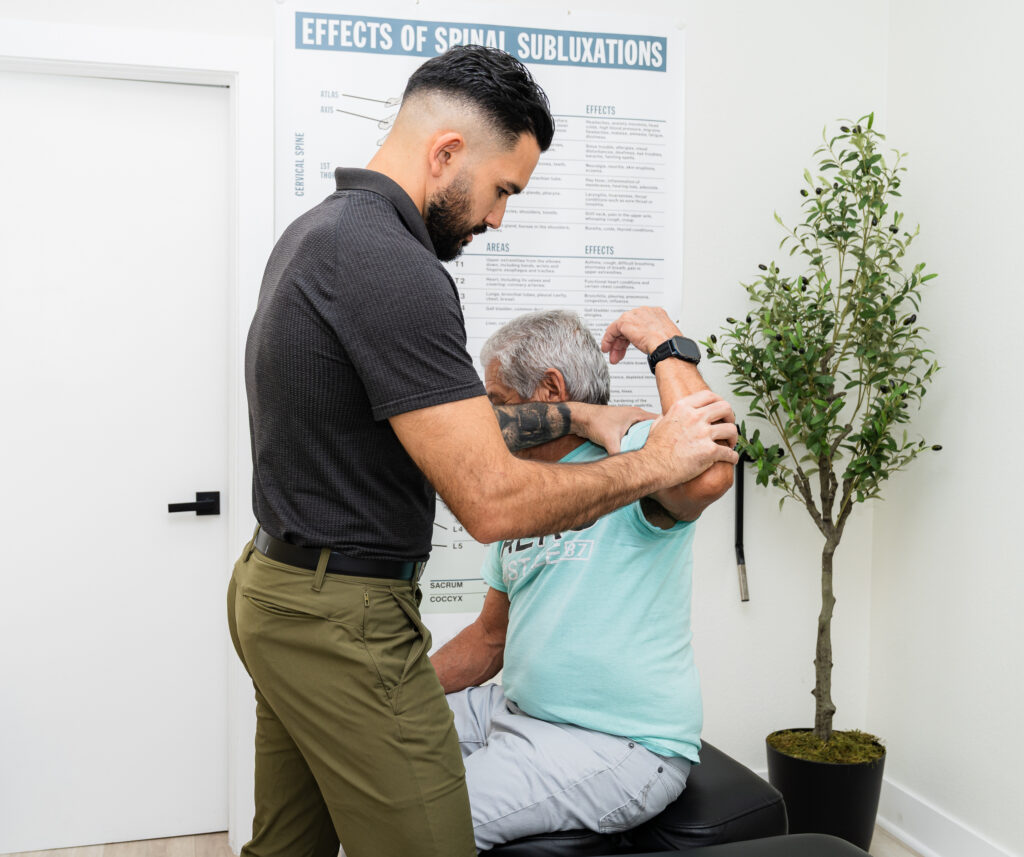

As a local chiropractor, I want to take a moment to highlight something that is often overlooked: the significance of proper posture for your overall health and well-being. You may not realize it, but standing tall does more than just enhance your appearance; it actively helps to alleviate strain on your back and prevents discomfort. Many people are unaware that poor posture can creep into their daily lives, leading to long-term issues that can be easily avoided.
So, how can you break free from these unhealthy habits and promote a healthier spine? The key is to recognize the vital role that posture plays and to implement a few straightforward changes in your daily routine. By doing so, you can improve your posture, reduce back pain, and enhance your overall quality of life. As your chiropractor, I'm here to guide you through these changes and help you achieve better spinal health. Let's work together to ensure your back thanks you for years to come!
The Importance of Posture
As a local chiropractor, I want to emphasize that good posture goes beyond merely looking confident; it's crucial for your overall health and well-being. When you maintain proper posture, you align your body in a way that minimizes strain on your muscles and joints. This alignment is vital in preventing pain and discomfort, particularly in the back, neck, and shoulders.
You mightn't realize it, but the way you sit, stand, and move can significantly impact your energy levels and productivity throughout the day. By ensuring your spine is aligned, you allow your organs to function optimally, which leads to improved digestion and circulation. When you adopt a tall posture, you enhance your ability to breathe deeply, increasing oxygen flow to your brain and keeping your mind sharp.
Additionally, good posture has been shown to elevate your mood and boost your confidence, resulting in more positive interactions with those around you. Moreover, embracing a posture-conscious lifestyle can greatly enhance your athletic performance. Whether you're jogging, lifting weights, or practicing yoga, maintaining proper alignment allows you to perform movements more effectively.
You'll likely notice an increase in stamina and a decrease in fatigue, which is essential for anyone looking to improve their physical capabilities. Incorporating good posture into your daily routine doesn't require significant changes. Simple adjustments, such as sitting up straight at your desk or standing with your shoulders back, can yield remarkable benefits.
I encourage you to become more mindful of your posture throughout the day; you may be surprised by the positive effects on both your physical and mental well-being. Remember, standing tall isn't just a habit; it's a fundamental aspect of achieving a healthier, more vibrant life. If you have any concerns about your posture or its impact on your health, I'm here to help guide you on your journey to better alignment and overall wellness.
Common Causes of Poor Posture
As a local chiropractor, I often see patients who are unaware of the impact that poor posture can have on their overall health. Many of these issues arise from everyday habits that we may not even notice. One of the primary contributors to poor posture is prolonged sitting, particularly in front of computers.
If you spend long hours hunched over a desk, your body can adapt to that slouched position, making it your default stance over time. This can lead to various musculoskeletal problems that we can help address through chiropractic care.
Another significant factor is the frequent use of smartphones and tablets. It's common to lean forward and crane your neck to get a better view of the screen, a condition often referred to as "tech neck."
This posture can create muscle imbalances and discomfort, which we can alleviate through targeted adjustments and exercises. Additionally, wearing unsupportive footwear, like high heels or flat shoes without proper arch support, can further contribute to poor posture.
These choices can lead to misalignments that we can help correct in our office. Stress and fatigue also play crucial roles in how we carry ourselves. Under stress, many people subconsciously tighten their shoulders or slouch, while fatigue can lead you to adopt the most comfortable position, which often isn't the best for your posture.
As a chiropractor, I emphasize the importance of being aware of these habits and their effects on your spine and overall well-being. Lastly, a lack of physical activity can weaken your core muscles, which are vital for maintaining good posture.
Regular strengthening of these muscles is essential; without it, your body may struggle to hold itself upright. By understanding these common causes of poor posture, you can take proactive steps to improve your alignment and health.
If you're ready to start standing tall, I invite you to schedule a visit so we can work together towards better posture and wellness.
Health Risks of Bad Posture
As a local chiropractor, I want to share with you the importance of good posture and the health risks associated with poor alignment. Many people may not realize that slouching or hunching over can lead to a range of issues that affect your overall well-being. When you neglect your posture, you're not just putting undue stress on your back; you're also straining your neck, shoulders, and even your internal organs.
One of the most significant concerns with bad posture is the development of musculoskeletal disorders. These conditions can vary from mild discomfort to severe pain, which can hinder your ability to work, enjoy hobbies, or even engage in daily activities. Many of my patients have reported suffering from tension headaches, which are often a result of tight neck and shoulder muscles caused by poor alignment.
Additionally, I want to highlight how bad posture can affect your breathing. When you slouch, you compress your lungs and reduce their capacity, leading to shallow breathing. This can diminish your oxygen flow and leave you feeling fatigued throughout the day, impacting your energy levels and productivity.
Digestive issues are another concern that can stem from poor posture. Slouching compresses your abdominal organs, which can hinder proper digestion and lead to discomfort or gastrointestinal problems over time.
Finally, I want to address the psychological effects of poor posture. Research has shown that adopting a slouched position can contribute to feelings of sadness and low energy. In contrast, standing tall can significantly boost your confidence and improve your mood.
Benefits of Standing Tall
As a chiropractor, I want to emphasize the profound benefits of standing tall—not only for your posture but for your overall health and well-being. When you adopt an upright stance, you're doing more than just aligning your spine; you're optimizing your body's functionality. You may notice that your breathing improves as your lungs can fully expand, leading to better oxygen intake. This increase in oxygen can elevate your energy levels and uplift your mood throughout the day.
Good posture also plays a crucial role in boosting your confidence. Carrying yourself upright projects assurance and authority, which can significantly influence how others perceive you. This newfound confidence can enhance your interactions, whether in personal relationships or professional environments.
Moreover, standing tall helps reduce unnecessary strain on your muscles and joints. Maintaining proper alignment alleviates tension, significantly lowering the risk of pain in your back, neck, and shoulders. This relief can enhance your focus and productivity, as discomfort no longer distracts you from your daily tasks.
An upright position also supports better digestion. When you stand tall, your internal organs function more efficiently, promoting healthy digestion and reducing common issues like bloating and acid reflux.
Finally, standing tall inspires a more active lifestyle. With improved posture, you're more inclined to participate in physical activities, leading to better overall fitness and health.
Tips for Improving Posture
As a local chiropractor, I want to share with you some straightforward strategies to improve your posture, which can have a profound impact on your overall health and well-being. You might be surprised at how easy it can be to make positive changes!
First and foremost, it's essential to be aware of your body's alignment throughout your daily activities. When you're sitting, ensure your feet are flat on the floor, your knees form a right angle, and your back is firmly against the chair. Consider using a lumbar support pillow; this can be a great tool to help maintain the natural curve of your lower back.
Next, let's talk about your screen time. If you're working on a computer, it's crucial to position your monitor at eye level. This simple adjustment can prevent slouching, which can strain your spine. Keep your shoulders relaxed and away from your ears, and allow your elbows to rest comfortably at your sides.
When you're standing, try to distribute your weight evenly across both feet. Visualize a string gently pulling you upward from the top of your head—this will help elongate your spine and promote better posture. Remember to avoid locking your knees; keeping them slightly bent supports your balance and reduces unnecessary strain.
I also recommend incorporating small reminders into your daily routine to check your posture. You can set a timer on your phone or computer to remind you to assess your posture every hour. Alternatively, sticky notes placed around your workspace can serve as visual cues to encourage you to sit or stand tall.
Lastly, don't underestimate the power of deep breathing. It not only relaxes your body but also encourages you to engage your core and stand taller. By implementing these tips consistently, you'll likely notice improvements in your posture over time, leading to greater comfort and enhanced health.
If you have any questions or would like to learn more about how chiropractic care can further support your posture and overall wellness, please feel free to reach out!
Exercises for a Stronger Back
As a chiropractor, I understand the importance of maintaining good posture and the role that a strong back plays in your overall health. Strengthening your back not only helps you stand tall, but it also reduces the risk of injury and alleviates discomfort. Here are some effective exercises that you can easily incorporate into your daily routine to support your back health.
Let's start with the plank exercise. To perform this, position yourself face down, supporting your body on your forearms and toes. It's crucial to keep your body in a straight line while engaging your core muscles. Aim to hold this position for 20-30 seconds, and as you build strength, gradually increase the duration. This exercise is excellent for core stability, which is vital for spinal health.
Next, I recommend the bird-dog exercise. Begin on all fours, with your hands directly beneath your shoulders and your knees aligned under your hips. Extend your right arm forward while simultaneously extending your left leg back. Hold this position for a few seconds before switching sides. This exercise not only promotes balance but also strengthens your lower back, which is often a source of discomfort for many.
Incorporating rows with dumbbells or resistance bands can be highly beneficial as well. Stand with your feet shoulder-width apart, hinge at your hips, and lean slightly forward. Pull the weights or resistance band towards your torso, focusing on squeezing your shoulder blades together. This movement targets your upper back and significantly helps in improving your posture, which is essential for spinal alignment.
Lastly, consider adding bridges to your routine. Lie on your back with your knees bent and feet flat on the ground. Lift your hips towards the ceiling, squeezing your glutes at the top of the movement. This exercise strengthens your lower back and core, which are crucial for supporting your spine throughout daily activities.
Integrating Good Posture Into Daily Life
As a local chiropractor, I want to help you understand the importance of good posture for maintaining a healthy back. It's essential to incorporate proper posture habits into your daily routine to avoid discomfort and promote overall well-being.
Start by evaluating your workspace; ensuring your desk setup is ergonomic can significantly impact your posture. This means adjusting your chair height, monitor level, and keyboard position to minimize strain on your body.
Additionally, practicing mindful sitting—being conscious of how you're positioned while seated—can help you maintain a healthy spinal alignment.
Don't forget to strengthen your core muscles as well; a strong core supports your spine and contributes to better posture.
By making these simple adjustments and being proactive about your posture, you can enhance your comfort throughout the day and support your long-term health.
Desk Ergonomics Essentials
As a local chiropractor, I want to emphasize the importance of proper desk ergonomics for maintaining your spinal health and overall well-being. Many individuals spend countless hours seated at their desks, often overlooking how their workspace can affect their posture and comfort.
To start, it's crucial to adjust your chair correctly. Ensure your feet rest flat on the floor, and your knees are at or slightly below hip level. If your chair lacks lower back support, using a small cushion or lumbar support can help maintain the natural curve of your spine, which is vital for preventing discomfort.
Next, let's talk about your computer monitor. Positioning it at eye level is essential to avoid straining your neck. Keep your screen approximately an arm's length away and tilt it slightly to reduce glare, which can help prevent unnecessary eye strain.
Your keyboard should be placed close enough that your elbows can remain at a 90-degree angle while typing. This position allows your wrists to stay straight, reducing the risk of repetitive strain injuries.
Don't overlook the positioning of your mouse! It should be at the same level as your keyboard to minimize wrist strain.
I also encourage you to take regular breaks—standing up, stretching, and moving around is crucial for boosting circulation and keeping your muscles engaged.
Finally, remember to maintain an upright posture while seated; keep your shoulders relaxed and your head aligned over your spine.
Mindful Sitting Practices
As a chiropractor, I want to share how incorporating mindful sitting practices into your daily life can significantly improve your posture and overall well-being.
It's essential to become aware of your body positioning whenever you sit. I recommend using a chair that provides proper support for your lower back and ensures your feet are flat on the floor. You may not realize it, but habits like crossing your legs or slouching can lead to discomfort and misalignments over time.
Active sitting is another key aspect to consider—engaging your core while maintaining a neutral spine can make a world of difference. It doesn't mean you have to sit rigidly; rather, find a comfortable yet supportive balance.
I encourage you to take regular breaks to stand up, stretch, and reset your posture. Setting a timer to remind yourself to adjust your position every 30 minutes can be a helpful strategy.
Moreover, it's important to pay attention to your mental state while sitting. Being present helps you recognize when you might be slipping into poor posture. Incorporating deep breathing techniques can reduce tension in your neck and shoulders, which is especially beneficial for your spinal health.
Lastly, focus on your alignment during daily activities, such as eating or reading. By consciously integrating these mindful practices into your routine, you'll not only support your spine but also foster a healthier lifestyle overall.
Strengthening Core Muscles
As a local chiropractor, I want to emphasize the importance of strengthening your core muscles for not only your overall health but also for maintaining proper posture in your daily activities. A strong core is essential for providing the stability and support that your spine needs. This support enables you to stand tall and move with greater confidence, ultimately reducing the risk of injury and discomfort.
To begin your journey towards a stronger core, I recommend starting with foundational exercises such as planks, bridges, and abdominal crunches. These exercises are effective because they don't just focus on the abdominal muscles; they also engage the muscles in your back and pelvis, creating a well-rounded support system for your spine.
Aim to incorporate these exercises into your routine two to three times a week, and you may soon notice significant improvements in your posture and overall strength.
It's crucial to understand that good posture isn't merely about standing upright; it also involves how you engage your core muscles throughout the day. Whether you're working at your desk, walking, or lifting objects, actively engaging your core can help maintain proper alignment and alleviate strain on your back.
Additionally, I encourage you to integrate mindful movement practices into your daily life. Being aware of your body mechanics while performing routine tasks can lead to more natural and instinctive good posture.
The more you practice, the more second nature it will become to stand tall and support your spine effectively. Your back will certainly appreciate the effort!
Conclusion
As your local chiropractor, I want to emphasize the importance of good posture for your overall well-being. When you prioritize standing tall, you're not just improving your appearance; you're making a significant investment in your health. A well-aligned body can lead to increased energy, enhanced confidence, and greater comfort in your daily activities.
Many of us overlook the small adjustments we can make in our posture, but these minor changes can lead to substantial, lasting improvements. I encourage you to engage your core, be mindful of your posture throughout the day, and consider incorporating specific exercises that strengthen your back. Remember, taking care of your spine and aligning your body can make a world of difference. Your back will genuinely thank you for the attention and care you provide!