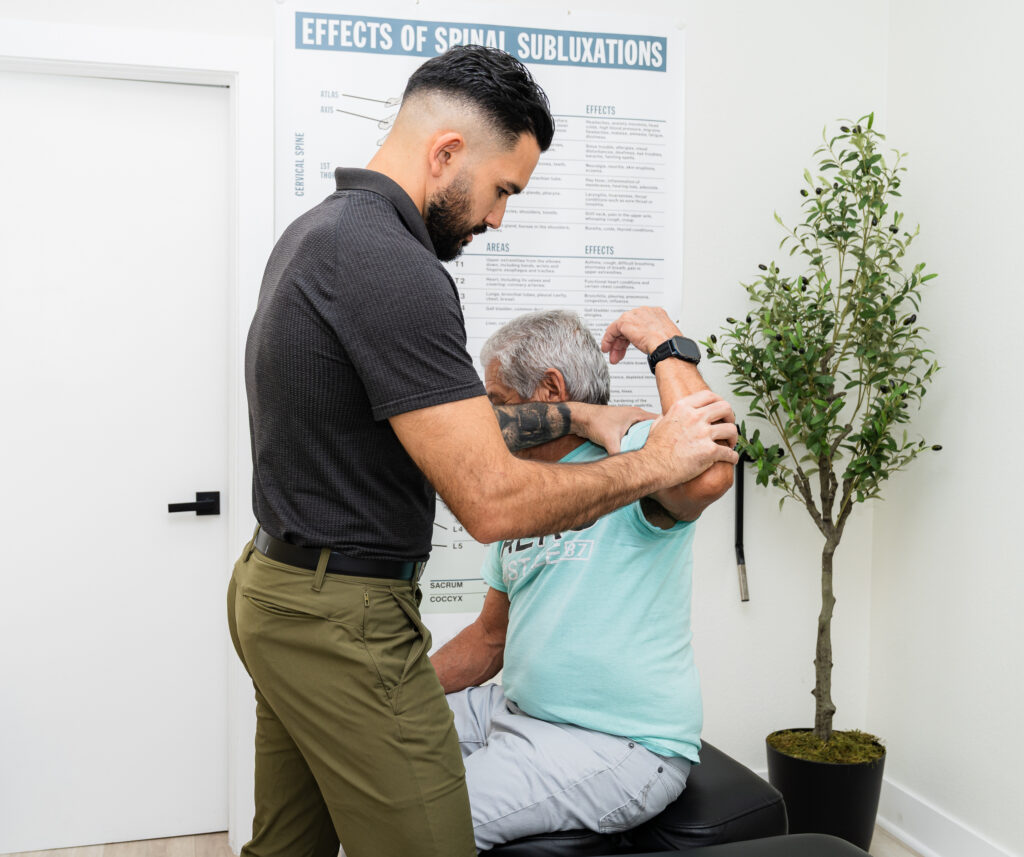

If you’re experiencing neck pain, you might think whiplash is the main issue. However, the reality is that your discomfort could originate from several often-overlooked sources. Factors like poor posture, muscle strain, and even stress can significantly impact neck health. Understanding these elements is crucial as they can direct you toward effective relief, and chiropractic care can be a game-changer in addressing these concerns.
Chiropractic adjustments can help realign your spine, relieve muscle tension, and promote better posture, which collectively can ease your neck pain. In addition to adjustments, consider incorporating some simple lifestyle changes to support your neck health. For instance, ensure that your workstation is ergonomically set up to avoid strain, take regular breaks to stretch, and practice relaxation techniques to manage stress.
So, if you’re wondering what else might be causing your pain, remember that chiropractic care not only focuses on alleviating symptoms but also on enhancing your overall well-being. By addressing the root causes of your discomfort, you can pave the way for a healthier, pain-free life.
Understanding Whiplash and Its Symptoms
Whiplash is a common neck injury, often resulting from car accidents or sudden jolts. When your head moves forward and then quickly snaps back, it can put strain on the muscles and ligaments in your neck. It’s important to note that you mightn’t feel the full effects right away; symptoms can sometimes take hours or even days to emerge.
Common symptoms of whiplash include neck pain, stiffness, and headaches. You may also experience dizziness, fatigue, or tingling in your arms. If you find yourself facing these symptoms after an incident, it’s crucial to pay attention to your body and seek out natural, holistic care. Chiropractic care is an excellent option for addressing whiplash and promoting recovery.
A chiropractor can help diagnose your condition and develop a personalized treatment plan that may include spinal adjustments, which can help relieve pain and restore mobility. Additionally, chiropractic care focuses on promoting overall wellness, helping your body heal naturally without the need for medications or invasive procedures.
Some general tips for managing whiplash symptoms include:
- Rest: Allow your body time to heal by taking it easy and avoiding activities that worsen your pain.
- Ice and Heat: Apply ice packs to reduce swelling in the first few days, followed by heat packs to relax tight muscles.
- Gentle Stretching: Once the initial pain subsides, gentle neck stretches can help improve flexibility and reduce stiffness.
- Posture Awareness: Maintain good posture while sitting, especially if you work at a desk, to prevent additional strain on your neck.
Ignoring whiplash symptoms can lead to chronic pain, so don’t hesitate to reach out for chiropractic care. Understanding whiplash and recognizing its symptoms can empower you to take control of your recovery journey. Your path to optimal health starts with taking proactive steps toward healing naturally!
The Impact of Poor Posture on Neck Health
Poor posture can significantly impact your neck health, especially if you find yourself sitting for long periods. Many people unknowingly adopt positions that strain their necks, particularly during extended screen time. This can lead to discomfort, stiffness, and even chronic pain.
As a chiropractor, I want to emphasize the importance of being mindful of your workspace. Here are some tips to help you maintain a healthier posture and support your neck:
- Ergonomic Setup: Ensure your computer screen is at eye level. This will help you avoid craning your neck forward. Use a chair that supports your lower back and encourages an upright posture.
- Take Breaks: Remember to take regular breaks every 30 minutes. Stand up, stretch, and move around. This will help relieve the tension building in your neck.
- Stretching Exercises: Incorporate gentle neck stretches into your daily routine. Simple movements like tilting your head side to side or looking left and right can help maintain flexibility and reduce stiffness.
- Supportive Sleep: Pay attention to your sleeping position. Use a pillow that supports your neck and keeps your spine aligned. Avoid sleeping on your stomach, as this can twist your neck.
- Chiropractic Care: Regular chiropractic adjustments can help keep your spine aligned and alleviate any discomfort you may be experiencing. A chiropractor can provide personalized care to address your specific needs and promote overall wellness.
By being proactive about your posture and considering chiropractic care, you can foster a healthier neck and improve your overall quality of life.
Sedentary Lifestyle Consequences
As you find yourself spending hours hunched over a computer or slouched on the couch, you may start to notice strain in your neck. This tension can lead to discomfort and even pain, signaling that your posture might need some attention.
When you sit for long periods with poor posture, it puts extra pressure on your cervical spine, which can lead to stiffness and reduced mobility over time. You may not feel the effects immediately, but this misalignment can develop into chronic issues that are more challenging to treat.
That’s where chiropractic care comes in! Regular visits to a chiropractor can help realign your spine, relieve tension, and restore proper function to your neck and back.
To support your neck health in your daily routine, it’s important to take regular breaks, stretch, and create an ergonomic workspace. Simple adjustments, like setting your computer screen at eye level and using a supportive chair, can make a significant difference.
Additionally, incorporating gentle neck stretches into your day can help maintain flexibility and reduce discomfort. By being mindful of your posture and seeking chiropractic care when needed, you can significantly lower the risk of developing long-term neck problems.
Screen Time Effects
When you spend prolonged hours staring at screens, the strain on your neck can become significant, especially if your posture isn’t ideal. Slouching or leaning forward to get a better view can cause your head to tilt awkwardly, increasing the weight your neck has to support. This poor alignment may lead to muscle fatigue, tension, and even chronic pain over time. The effects mightn’t be immediate, but these bad habits accumulate and can really affect your overall well-being.
As a chiropractor, I want to emphasize the importance of proper alignment and posture for your spinal health. Regular chiropractic adjustments can help realign your spine, relieve tension, and promote better posture, which is essential for reducing neck strain.
To combat the negative effects of screen time, here are some simple tips you can incorporate into your daily routine:
- Take Regular Breaks: Stand up, stretch, and move around every 30 minutes to keep your muscles engaged and reduce tension.
- Adjust Your Screen: Position your screen at eye level so you don’t have to tilt your head excessively. This can greatly reduce strain on your neck.
- Mind Your Posture: Keep your shoulders relaxed and avoid slouching. Think about sitting up straight with your back supported.
- Neck Stretches: Incorporate gentle neck stretches into your day, such as tilting your head side to side to relieve tension.
- Stay Hydrated: Drinking enough water helps maintain muscle health and can prevent stiffness.
By being mindful of your posture during screen time and making these small adjustments, you can protect your neck health and reduce the risk of discomfort.
And remember, regular chiropractic care not only helps with pain relief but also promotes overall wellness, ensuring your body is functioning at its best. Prioritize your spinal health, and you’ll be on the path to a healthier, more comfortable life!
Ergonomic Workstation Importance
Creating an ergonomic workstation is crucial for maintaining neck health, especially for those of us who spend long hours at our desks. Poor posture can result in muscle strain and chronic pain, which is where chiropractic care can play a significant role in your overall wellness.
Here are four simple tips to optimize your workspace and promote a healthier spine:
- Monitor Height: Ensure your screen is at eye level. This helps you keep your head aligned with your spine, reducing the risk of neck strain. A chiropractor can offer guidance on the best body mechanics to maintain proper posture.
- Chair Support: Choose a chair that supports the natural curve of your spine. This encourages you to sit up straight, which can alleviate pressure on your neck and back. Regular chiropractic adjustments can enhance your posture, making it easier to maintain throughout the day.
- Keyboard Placement: Position your keyboard and mouse close to your body. This minimizes reaching and helps prevent shoulder strain. A chiropractor can suggest ergonomic tools that may further support your comfort while working.
- Frequent Breaks: Remember to take regular breaks to stretch and change positions. This not only gives your neck a rest but also promotes circulation. Incorporating chiropractic care into your routine can help your body recover and maintain flexibility, making it easier to return to your tasks refreshed.
By implementing these tips and considering the benefits of chiropractic care, you can create a healthier workstation that supports your neck and overall well-being.
Your spine is the foundation of your health, and taking proactive steps can lead to a more comfortable and productive work environment.
Muscle Strain: A Common Cause of Neck Pain
Muscle strain can often sneak up on you, especially after a long day at work or an intense workout. You mightn’t realize it, but repetitive movements, poor posture, or sudden twists can lead to tightness and discomfort in your neck. When your neck muscles are overworked or stretched beyond their limits, they can become inflamed and painful.
You may notice stiffness when turning your head or find it difficult to hold your head up straight. These signs are your body’s way of telling you that something needs attention. Ignoring them can lead to chronic pain, which can significantly affect your daily activities and quality of life.
To help prevent muscle strain, remember to take regular breaks during prolonged activities, practice good posture, and incorporate simple stretching exercises into your routine. A few neck stretches throughout the day can work wonders!
If you do start to experience neck pain, chiropractic care is an excellent natural solution. A chiropractor can help realign your spine and relieve tension in your neck muscles, promoting healing and relaxation.
Additionally, applying ice or heat can provide temporary relief, but seeing a chiropractor can address the root cause of your discomfort. Taking proactive steps to care for your neck—like maintaining proper posture and seeking chiropractic adjustments—can help keep you feeling healthy and pain-free.
Stress and Its Connection to Neck Discomfort
As a local chiropractor, I want to shed light on an often-overlooked factor that can significantly impact your neck health: stress. When we experience stress, our bodies respond by tensing up, which can lead to discomfort and stiffness in the neck area.
Here are a few key ways that stress can manifest in your body, contributing to neck pain:
- Muscle Tension: Stress causes your muscles, especially those in your neck and shoulders, to tighten. This tension can lead to pain and discomfort.
- Poor Posture: When we’re anxious or stressed, we might find ourselves slumping or hunching over. This poor posture can place additional strain on your neck, leading to further discomfort.
- Increased Pain Sensitivity: Stress can elevate your body’s sensitivity to pain, making any existing discomfort feel much worse than it actually is.
- Sleep Disruption: Stress often disrupts our sleep patterns, leading to fatigue and an increased perception of pain. A well-rested body is essential for healing and reducing discomfort.
Understanding these connections empowers you to take action and manage your stress effectively, which in turn can alleviate neck discomfort.
Chiropractic care is an excellent approach to support your body in coping with stress and promoting overall wellness. Regular adjustments can help relieve muscle tension, improve posture, and enhance your body’s ability to manage pain.
In addition to chiropractic care, here are some simple tips you can incorporate into your daily routine to help reduce stress and improve your neck health:
- Practice Deep Breathing: Taking a few moments each day to focus on your breath can help calm your mind and reduce muscle tension.
- Stay Active: Regular physical activity can help relieve stress and keep your body strong and flexible.
- Mind Your Posture: Be conscious of your posture throughout the day, especially if you’re sitting for long periods. Make adjustments as needed to avoid straining your neck.
- Talk It Out: Share your thoughts and feelings with someone you trust. Sometimes, just talking about what’s stressing you can provide relief.
Cervical Disc Issues and Their Effects
Cervical disc issues can significantly affect your daily life, leading to pain and discomfort that can be hard to manage. If you’re experiencing a herniated disc, you may feel sharp pain, numbness, or weakness in your arms. On the other hand, degenerative disc disease can result in chronic neck pain. Understanding these conditions is crucial, and more importantly, knowing how to address them can help you regain control over your health.
Chiropractic care is an excellent natural option for managing cervical disc issues. By focusing on spinal alignment and overall wellness, chiropractic adjustments can alleviate pain and improve function without the need for invasive procedures or medications. Regular chiropractic visits can help reduce inflammation, relieve pressure on nerves, and promote healing in the affected areas.
Here are some general tips to support your cervical health:
- Maintain Good Posture: Be mindful of your posture, especially when sitting for long periods. Use ergonomic chairs and keep your computer screen at eye level to reduce strain on your neck.
- Stay Active: Gentle exercises, such as neck stretches and strengthening activities, can help improve flexibility and support your spine. Always consult with your chiropractor to determine which exercises are best for your situation.
- Apply Heat or Ice: Using a heating pad or ice pack can provide relief from neck pain and inflammation. Alternate between the two for optimal comfort.
- Practice Stress-Relief Techniques: Stress can exacerbate pain, so consider incorporating relaxation techniques such as deep breathing, meditation, or yoga into your routine.
- Stay Hydrated: Drinking plenty of water supports the health of your discs and overall spinal health.
By prioritizing your spinal health through chiropractic care and these simple practices, you can take important steps toward achieving optimal wellness and relief from cervical disc issues.
Herniated Disc Symptoms
A herniated disc in your neck can cause a range of uncomfortable symptoms that may interfere with your daily activities. Here’s what you might notice:
- Pain: You could feel sharp or dull pain that radiates from your neck down to your shoulders and arms. This discomfort can make everyday tasks feel challenging.
- Numbness: It’s common to experience tingling or numbness in your arms, hands, or fingers. This can make it hard to grip objects, which can be frustrating.
- Weakness: You may notice muscle weakness in your arms, impacting your ability to perform routine activities like lifting or holding items.
- Stiffness: A reduced range of motion in your neck can make it difficult to turn your head, which can be particularly bothersome when driving or looking around.
These symptoms can disrupt your routine and diminish your quality of life. The good news is that chiropractic care can be an effective way to address these issues naturally.
By focusing on spinal alignment and overall wellness, chiropractors can help relieve pain and restore function without the need for surgery or medication.
Here are some general tips to support your neck health:
- Posture Awareness: Pay attention to your posture, especially if you spend long hours at a desk. Ensure your workstation is ergonomically friendly to minimize strain on your neck.
- Gentle Stretching: Incorporate gentle neck stretches into your daily routine. This can help improve flexibility and reduce stiffness.
- Stay Active: Engaging in regular physical activity can strengthen the muscles that support your spine and help prevent future issues.
- Hydration: Drink plenty of water to keep your discs hydrated and healthy.
If you’re experiencing any of these symptoms, consider scheduling an appointment with a chiropractor. They can provide a thorough evaluation and develop a personalized treatment plan to help you on your journey to better health and wellness.
Degenerative Disc Disease
As you age, the discs in your neck can start to wear down, leading to a condition known as degenerative disc disease. This happens when the cushioning discs between your vertebrae lose hydration and flexibility, which can lead to discomfort and tightness.
You may notice localized pain or even feel it radiating down your arms, sometimes with tingling or weakness. Activities such as sitting for long periods or constantly looking down at your phone can make these symptoms worse.
It’s important to address these issues early on, as they can significantly impact your daily life. Fortunately, chiropractic care is an excellent approach to managing the effects of degenerative disc disease. Chiropractors focus on spinal health and can help restore proper alignment, which can relieve pain and improve mobility.
In addition to chiropractic adjustments, there are several simple strategies you can incorporate into your daily routine to promote neck health:
- Stay Active: Regular movement is key. Incorporate gentle exercises like walking or swimming to keep your body engaged and your spine healthy.
- Practice Good Posture: Be mindful of your posture, especially when sitting or using your phone. Try to keep your head aligned with your spine and take breaks to stretch.
- Neck-Strengthening Exercises: Simple neck stretches can help increase flexibility and strength. Gentle movements like tilting your head side to side or looking up and down can be beneficial.
- Ergonomic Workspace: If you work at a desk, make sure your workspace is set up to support good posture. Your screen should be at eye level, and your chair should provide adequate support.
- Stay Hydrated: Proper hydration is essential for the health of your spinal discs. Make sure you’re drinking enough water throughout the day.
By focusing on these natural methods and working with a chiropractor, you can effectively manage the symptoms of degenerative disc disease and enhance your overall well-being.
Arthritis: A Hidden Source of Neck Pain
Arthritis: A Hidden Source of Neck Pain
Many people think of neck pain as something caused by injuries or poor posture, but there’s another possible culprit that often goes unnoticed: arthritis. This condition can weaken the joints in your neck, leading to discomfort and stiffness. If you haven’t been diagnosed with arthritis, you mightn’t even realize it’s the source of your pain.
Here are some signs that it might be impacting you:
- Persistent Stiffness: If you often feel a tightness in your neck, especially after resting, this could be a sign of arthritis.
- Limited Range of Motion: Do you find it difficult or painful to turn your head? This restriction can be a signal that arthritis is at play.
- Chronic Discomfort: Experiencing ongoing aches that don’t seem to improve with standard treatments? This may point to arthritis as a contributing factor.
- Age Factor: If you’re over 50, the chances of developing arthritis increase, making it particularly important to pay attention to your neck health.
Recognizing these signs is crucial for addressing the root cause of your neck pain. Chiropractic care can be a highly effective way to manage arthritis-related discomfort. Chiropractors focus on enhancing spinal health and optimizing joint function, which can help alleviate pain and improve your overall well-being.
Here are some general tips to help you manage neck discomfort:
- Posture Awareness: Maintain good posture while sitting and standing. This can help reduce unnecessary strain on your neck.
- Gentle Stretching: Incorporate gentle neck stretches into your daily routine to improve flexibility and reduce stiffness.
- Stay Active: Engage in regular physical activity that promotes joint health, such as walking, swimming, or yoga.
- Use Heat or Cold: Applying heat or cold packs can provide temporary relief for neck stiffness or pain.
If you suspect arthritis is affecting your neck, consider scheduling a visit with your local chiropractor. They can provide personalized care to help you find relief and support your journey to a healthier, pain-free life.
Don’t overlook arthritis as a potential source of your discomfort—natural solutions are available!
Nerve Compression: When Pain Radiates
When nerve compression occurs in the neck, it can lead to discomfort that radiates down your arms or into your shoulders. This commonly happens when surrounding structures, such as herniated discs or bone spurs, put pressure on the nerves. You might experience tingling, numbness, or weakness in your arms or hands, which can make everyday tasks feel challenging.
As a chiropractor, I believe that understanding the source of this compression is crucial for effective treatment. Many people find that simple changes in posture or ergonomics can significantly reduce pressure on the nerves. For example, ensuring your workspace is set up correctly can help maintain proper alignment and reduce strain.
Chiropractic care focuses on natural healing by addressing the root cause of nerve compression. Through gentle adjustments, we can help relieve the pressure on your nerves, restore proper function, and promote overall wellness. Additionally, incorporating stretching and strengthening exercises can enhance your spinal health and prevent future issues.
It’s important not to ignore these symptoms, as they can lead to chronic pain or further complications. If you’re experiencing discomfort, seeking chiropractic care early can help you regain mobility and comfort in your daily life. Remember, understanding the cause of your pain is the first step toward relief and recovery.
Here are a few general tips to help you manage nerve compression and promote a healthier lifestyle:
- Maintain Good Posture: Be mindful of your posture, especially when sitting for long periods. Keep your back straight and shoulders relaxed.
- Take Breaks: If you work at a desk, take regular breaks to stretch and move around. This helps relieve tension in the neck and upper back.
- Stay Active: Engage in regular physical activity to strengthen the muscles that support your spine and improve overall flexibility.
- Use Proper Ergonomics: Ensure your workstation is ergonomically designed to minimize strain on your neck and back.
The Role of Sedentary Lifestyle in Neck Problems
A sedentary lifestyle can significantly contribute to neck problems, especially when you find yourself sitting for long hours and hunching over screens. This poor posture not only leads to discomfort but can also hinder your daily activities. Understanding how a sedentary lifestyle impacts your neck is essential for maintaining your overall health. Here are some key factors to consider:
- Muscle Weakness: When you sit for extended periods, your neck and shoulder muscles can weaken, making it harder for them to support your head. This is where chiropractic care comes in. Regular adjustments can strengthen these muscles and help alleviate discomfort.
- Poor Posture: Hunching over screens creates unnecessary strain on your neck, resulting in pain and stiffness. A chiropractor can provide guidance on proper posture and suggest exercises to improve your alignment, which can lead to significant relief.
- Reduced Mobility: Lack of movement can lead to stiffness in your cervical spine, limiting your range of motion. Chiropractic adjustments not only help restore mobility but also encourage you to stay active, which is vital for your neck health.
- Increased Stress: Sitting for too long can elevate stress levels, leading to tension in your neck and shoulders. Chiropractic care can help reduce this tension through gentle adjustments and relaxation techniques, promoting a sense of well-being.
Tips for a Healthier Neck:
- Take regular breaks: Stand up, stretch, and move around every 30 to 60 minutes to keep your neck muscles flexible.
- Adjust your workspace: Ensure your screen is at eye level and use a supportive chair to maintain good posture.
- Incorporate neck exercises: Simple stretches can help relieve tension and strengthen your neck muscles.
- Consider chiropractic care: Regular visits to a chiropractor can help you achieve optimal spinal health and relieve neck pain naturally.
By making small changes to your daily routine and seeking chiropractic care, you can protect your neck and enhance your overall wellness.
Seeking Professional Help for Persistent Pain
If you’re dealing with persistent neck pain that doesn’t seem to get better with home remedies, it’s important to seek professional help to address the issue effectively.
As a chiropractor, I want to emphasize that understanding the underlying cause of your discomfort can be the key to finding relief. Whether it’s due to muscle strain, poor posture, or something more complex, a thorough assessment is essential.
Chiropractic care focuses on the spine and its connection to your overall health. During your visit, I’ll perform a detailed examination to identify any misalignments or tension in the spine that may be contributing to your pain. This might include gentle adjustments to realign your spine, which can help restore proper function and alleviate discomfort.
Once we identify the root cause, I can create a personalized treatment plan just for you. This plan may include targeted adjustments, exercises to improve posture, and tips for maintaining a healthy spine at home. Simple changes like setting up an ergonomic workspace or practicing stretching exercises can make a significant difference in your neck pain.
It’s important to address ongoing pain, as ignoring it could lead to more serious issues down the line. If your neck pain is affecting your daily life or activities, don’t hesitate to reach out for help.
Early intervention through chiropractic care often leads to better outcomes and a quicker return to the activities you love.
Conclusion
To sum up, if you’re experiencing neck pain, it’s important to understand that it likely goes beyond just whiplash. Factors such as poor posture, muscle strain, and stress can all contribute to your discomfort. Recognizing these various causes is crucial for finding effective treatment, and that’s where chiropractic care shines.
Chiropractic care focuses on addressing the root causes of your pain, allowing you to regain your mobility and improve your overall neck health. By realigning your spine and improving your posture, chiropractors can help relieve tension and reduce discomfort naturally.
In addition to seeking chiropractic treatment, here are a few simple tips you can implement to support your neck health:
- Practice Good Posture: Be mindful of your posture when sitting, standing, or using your phone. Keep your head aligned with your spine and avoid slouching.
- Take Breaks: If you work at a desk or use your phone for extended periods, make sure to take regular breaks. Stretch your neck and shoulders to relieve tension.
- Stay Active: Engage in regular physical activity to strengthen the muscles that support your neck and spine.
- Manage Stress: Incorporate relaxation techniques, such as deep breathing or yoga, to help reduce stress that may contribute to muscle tension.
If your neck pain persists, don’t hesitate to reach out for professional help. Chiropractic care offers a natural and effective approach to pain relief and overall wellness. Take charge of your well-being today!