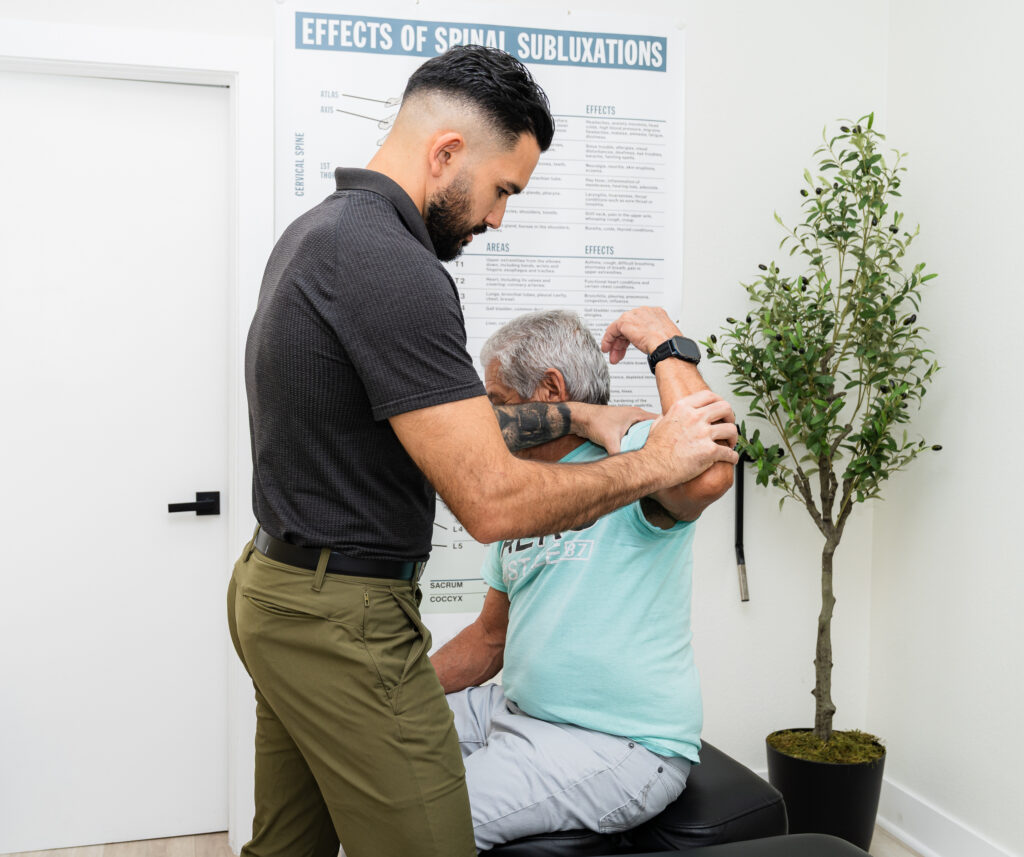

If you’ve ever suffered from whiplash, you understand how overwhelming the pain can be. It often extends beyond just your neck, impacting your overall quality of life. That’s why it’s vital to explore effective techniques for whiplash relief, as they not only alleviate physical discomfort but also contribute significantly to your emotional wellbeing.
Chiropractic care stands out as one of the best approaches to address whiplash and promote overall health. By focusing on spinal alignment and mobility, chiropractic adjustments can help reduce pain and restore function. Regular visits to a chiropractor can also facilitate healing by improving blood flow and reducing inflammation in the affected areas.
In addition to chiropractic adjustments, there are several strategies you can incorporate into your daily routine to support your recovery:
- Gentle Stretching: Simple neck stretches can help improve flexibility and reduce tension. Try gently tilting your head from side to side or forward and backward.
- Hot and Cold Therapy: Applying a warm compress can relax tight muscles, while cold packs can help reduce inflammation. Alternating between the two can provide considerable relief.
- Posture Awareness: Pay attention to your posture, especially if you spend long hours sitting. Keeping your spine aligned can prevent additional strain on your neck.
- Hydration: Staying hydrated is essential for maintaining the health of your discs and tissues. Aim for plenty of water throughout the day.
- Rest and Relaxation: Allow your body the time it needs to heal. Incorporate relaxation techniques like deep breathing or meditation to reduce stress.
By embracing these natural healing methods and prioritizing chiropractic care, you can regain control over your health and wellbeing after experiencing whiplash. Remember, your journey to recovery is unique, and with the right support, you can achieve optimal health.
Understanding Whiplash: Causes and Symptoms
Whiplash is an injury that happens when your head is suddenly jerked forward and then backward, commonly as a result of a car accident or a sports injury. This quick movement can put a strain on the muscles and ligaments in your neck, leading to a variety of uncomfortable symptoms.
You might notice neck pain, stiffness, or difficulty moving your head. Headaches, fatigue, and dizziness can also accompany these symptoms.
Typically, you may start to feel these effects within 24 hours of the incident, but they can sometimes worsen over time. It’s crucial to listen to your body; if your pain increases or you struggle with daily activities, it’s a good idea to seek help.
Understanding whiplash and its symptoms is the first step toward recovery. Chiropractic care can play a vital role in your healing process. A chiropractor can help assess your condition, align your spine, and provide gentle adjustments that promote natural healing.
By addressing the root cause of your discomfort, chiropractic care helps restore your neck’s mobility and reduces pain effectively.
In addition to seeking chiropractic treatment, there are some simple tips you can implement at home for relief. Applying a warm compress to your neck can soothe tension, while gentle stretches can help improve flexibility.
Staying hydrated and maintaining good posture are also important for recovery.
The Importance of Early Intervention
When you start experiencing neck pain or stiffness after an injury, it’s crucial to seek help right away. Acting quickly can greatly enhance your recovery and get you back to doing what you love sooner.
Early intervention through chiropractic care can’t only alleviate your discomfort but also prevent complications that might lead to chronic pain or long-term issues. Don’t ignore those warning signs—take charge of your health today!
Here are four key benefits of reaching out to a chiropractor promptly:
- Reduced Pain: By addressing your symptoms early with chiropractic care, you can reduce discomfort and stop it from escalating. Gentle adjustments can help realign your spine, relieving pressure on nerves and relieving pain.
- Faster Healing: The sooner you consult a chiropractor, the faster your body can start its natural healing process. Our techniques focus on promoting your body’s ability to heal itself, allowing for quicker recovery times.
- Improved Functionality: Chiropractic adjustments can restore your range of motion and improve flexibility, enabling you to return to daily activities more quickly. When your spine is aligned, your entire body functions better.
- Preventing Complications: Timely chiropractic care can help avoid more severe issues down the road. By addressing your pain early, you’re less likely to develop chronic conditions that can hinder your quality of life.
In addition to seeking chiropractic care, here are a few general tips to help you manage neck pain at home:
- Stay Hydrated: Drinking plenty of water supports spinal health by keeping your discs hydrated.
- Practice Good Posture: Be mindful of your posture, especially when sitting or using electronic devices. Proper alignment can reduce strain on your neck.
- Gentle Stretching: Incorporate gentle neck stretches into your routine to promote flexibility and relieve tension.
- Use Ice or Heat: Applying ice packs or a warm compress can soothe your neck and alleviate discomfort.
Physical Therapy Techniques for Relief
If you’re experiencing neck pain due to an injury, chiropractic care can be your best ally in achieving relief and restoring your mobility. Unlike other treatments, chiropractic techniques focus on natural healing and spinal alignment, allowing your body to heal itself effectively.
One of the key approaches we use in chiropractic care is manual adjustments, where gentle, hands-on techniques are applied to realign the spine and improve movement. This not only alleviates pain but also reduces stiffness in the neck, promoting overall well-being.
In addition to adjustments, specific exercises tailored to strengthen your neck muscles and improve posture are essential. Simple stretching routines can enhance flexibility, release tension, and support the healing process.
We also utilize natural therapies, like heat or cold applications, to help reduce inflammation and soothe discomfort. Furthermore, we emphasize the importance of proper ergonomics in your daily activities, helping you avoid further injuries and maintain a healthy spine.
By embracing chiropractic care, you’re not just addressing your current neck pain; you’re also gaining valuable tools to manage your spinal health for the long term. This proactive approach can significantly enhance your recovery and overall wellness.
The Role of Pain Management
The Importance of Pain Management in Recovery from Neck Injuries
When it comes to recovering from neck injuries, effective pain management is crucial. It not only helps you feel better but also empowers you to take charge of your health and well-being. By managing your pain, you can concentrate on healing and getting back to your daily activities.
Here are some key aspects of pain management that can enhance your recovery, especially through chiropractic care:
- Chiropractic Adjustments: Regular visits to a chiropractor can help align your spine, reducing pain and tension in your neck. This natural approach encourages the body’s ability to heal itself without the need for medications or surgeries.
- Heat and Ice Therapy: Applying heat or cold to the affected area can significantly ease discomfort. Heat can relax tight muscles, while ice can reduce inflammation. Alternating between the two can provide great relief.
- Mindfulness Techniques: Engaging in practices like meditation or deep breathing can help you manage stress and improve your pain tolerance. These techniques not only help you feel better mentally but can also enhance your physical healing.
- Gentle Physical Activity: Incorporating light movements or stretching into your daily routine can improve blood flow and support the healing process. Activities like walking, yoga, or specific neck exercises can help keep your body active without exacerbating your pain.
- Posture Awareness: Maintaining good posture is essential for neck health. Being mindful of how you hold your head and neck during daily activities can prevent further strain and promote healing.
By integrating these strategies, particularly chiropractic care, into your daily life, you can significantly improve your recovery journey from neck injuries.
Complementary Therapies for Recovery
Complementary therapies can be a valuable addition to your recovery from neck injuries, with chiropractic care being one of the most effective options for achieving optimal health and wellness.
As a chiropractor, I believe that spinal health is key to relieving pain and enhancing mobility. Chiropractic adjustments specifically target spinal alignment, helping to restore proper function to your neck. This not only alleviates discomfort but also promotes overall healing.
By addressing the root cause of your pain, chiropractic care can provide long-lasting relief without the need for medications or invasive procedures.
In addition to chiropractic care, techniques like acupuncture and massage therapy can also support your recovery. Acupuncture works by targeting specific points on your body to relieve tension, while massage therapy helps reduce muscle stiffness and improve blood flow.
These therapies can complement the benefits of chiropractic adjustments, providing a holistic approach to your healing journey.
Additionally, incorporating mindfulness and relaxation techniques into your routine can further enhance your recovery. Simple practices like deep breathing, meditation, or gentle yoga can help reduce stress and foster a positive mindset, which is essential for healing.
Remember, while these complementary therapies offer great benefits, chiropractic care should be your primary focus for effective pain relief and overall wellness.
Lifestyle Modifications to Support Healing
To support your healing from whiplash, it’s essential to focus on proper posture and gentle exercise routines, which can significantly enhance your recovery. By maintaining good posture, you alleviate strain on your neck and promote better spinal alignment, which is crucial for overall health.
Chiropractic care can further help in this process by addressing any misalignments and ensuring your spine is in optimal condition.
Incorporating light exercises is also beneficial as they strengthen the muscles around your neck and improve flexibility, aiding in your recovery. Simple activities like neck stretches and gentle head rotations can be easily integrated into your daily routine.
Remember to listen to your body and avoid any movements that cause discomfort.
Chiropractic adjustments are a natural and effective way to relieve pain and promote healing without the need for invasive procedures or medications. Regular visits to your chiropractor can help ensure your spine remains aligned and supports your healing journey.
Always consult with your chiropractor for personalized advice tailored to your specific needs.
Proper Posture Practices
How can proper posture enhance your recovery from whiplash? As a chiropractor, I can tell you that maintaining good posture is essential for reducing strain on your neck, which allows it to heal more effectively.
By being mindful of how you sit, stand, and move, you can alleviate discomfort and promote healing naturally. Here are some simple posture practices you can incorporate into your daily routine:
- Sit tall: Imagine a string pulling you up from the top of your head. Keep your back straight and shoulders relaxed. Supporting your lower back with a cushion can help maintain the natural curve of your spine.
- Align your head: Make sure your ears are in line with your shoulders. Avoid pushing your chin forward, as this can create unnecessary tension in your neck.
- Choose ergonomic furniture: Invest in chairs and desks that support an upright position. This will help keep your spine aligned and minimize strain during long periods of sitting.
- Practice mindful movement: When lifting or bending, engage your core muscles to support your spine. This simple act can protect your back and neck from injury.
Incorporating these tips into your daily life can greatly aid your recovery journey from whiplash.
Remember, chiropractic care is an excellent choice for pain relief and natural wellness, helping you achieve optimal health without the need for surgeries or medications.
If you’re experiencing neck pain or discomfort, consider scheduling a visit to your local chiropractor for personalized care and support. Your body deserves the best!
Gentle Exercise Routines
As a chiropractor, I want to emphasize the importance of proper posture in your recovery from whiplash, but also highlight how gentle exercise routines can significantly enhance your healing process.
Simple movements, such as neck stretches and shoulder rolls, can improve flexibility and reduce stiffness in your muscles. It’s crucial to focus on slow, controlled motions to avoid any strain during your recovery.
Incorporating practices like yoga and tai chi into your routine can be beneficial as they promote relaxation while also strengthening your muscles. I recommend aiming for short sessions several times a week, gradually increasing the duration as your comfort level improves.
Remember, listening to your body is key; if you experience pain, it’s important to stop and modify the movement.
Staying active not only helps alleviate pain but also boosts your overall well-being. By integrating these gentle exercises into your daily life, you’ll support your body’s natural healing process and regain strength over time.
As your chiropractor, I believe that chiropractic care is the best choice for achieving optimal health and wellness. It’s a natural approach that focuses on your body’s ability to heal itself.
If you’re looking for effective pain relief and a pathway to better health, consider incorporating regular chiropractic adjustments into your routine. Together, we can help you feel your best and support your journey to recovery.
The Psychological Impact of Whiplash
Experiencing whiplash can significantly impact your emotional well-being, leading to feelings of distress and anxiety. As a local chiropractor, I want to emphasize the importance of addressing not just the physical aspects of whiplash, but also the emotional challenges that may arise.
It’s essential to explore natural coping mechanisms and strategies that can help you manage these emotional hurdles effectively. Chiropractic care is a vital part of your healing journey. By focusing on spinal alignment and overall body wellness, chiropractic adjustments can help alleviate physical pain, which in turn can reduce feelings of anxiety and distress.
When your body feels better, your mind can follow suit.
Here are some general tips to help you cope with the emotional effects of whiplash:
- Stay Active: Gentle movement and stretching can help relieve tension in your neck and shoulders. Consider incorporating light exercises or guided stretches into your routine.
- Practice Mindfulness: Techniques such as deep breathing, meditation, or yoga can help calm your mind and reduce stress. These practices encourage relaxation and can enhance your overall sense of well-being.
- Maintain a Support Network: Don’t hesitate to reach out to friends, family, or support groups. Sharing your experiences can help alleviate feelings of isolation and provide comfort.
- Focus on Nutrition: Eating a balanced diet rich in anti-inflammatory foods can support your healing process. Foods such as fruits, vegetables, nuts, and fatty fish are great choices.
- Schedule Regular Chiropractic Visits: Regular adjustments can help keep your spine aligned and support your body’s natural healing processes. This not only aids in physical recovery but can also promote emotional balance.
By understanding the long-term psychological effects of whiplash and how chiropractic care can help, you empower yourself to seek the support you need for healing.
Emotional Distress Factors
Whiplash isn’t just a physical injury; it can also lead to significant emotional distress. As a chiropractor, I understand that the effects of whiplash can extend beyond just the pain in your neck or back. It’s common to experience feelings that can be just as overwhelming as the physical symptoms.
Here are some emotional distress factors to be aware of, along with tips on how chiropractic care can help:
- Anxiety – It’s natural to feel anxious about your recovery and how it may affect your daily life. Regular chiropractic adjustments can help alleviate tension in your body, promoting relaxation and reducing anxiety.
- Depression – Lingering pain can lead to feelings of sadness and hopelessness. Chiropractic care not only addresses physical discomfort but also helps improve your overall mood by enhancing circulation and releasing endorphins, which are your body’s natural feel-good hormones.
- Frustration – Limitations in mobility can understandably lead to feelings of frustration. Chiropractic treatments focus on restoring function and mobility, allowing you to regain control over your activities and reduce feelings of powerlessness.
- Social Withdrawal – You might find yourself pulling away from friends and family due to your condition. Engaging in regular chiropractic sessions can help you feel better physically and emotionally, encouraging you to reconnect with your loved ones and participate in social activities again.
Recognizing these emotional distress factors is crucial, and seeking help is a positive step forward. Chiropractic care offers a natural and effective approach to not only alleviate physical pain but also enhance your emotional well-being.
If you’re dealing with whiplash or related emotional distress, consider making an appointment to explore how chiropractic care can support your journey to optimal health. Remember, taking care of your spine is a vital part of taking care of your overall health!
Coping Mechanisms and Strategies
When dealing with the psychological impact of whiplash, it’s crucial to adopt effective coping mechanisms and strategies to manage the emotional hurdles that come with it. One of the first steps is to acknowledge your feelings; experiencing anxiety, frustration, or sadness is completely normal after an injury like this.
Incorporating relaxation techniques such as deep breathing exercises or mindfulness can help soothe your mind and promote a sense of calm.
It’s also beneficial to build a support network. Talk to friends or family about your experiences; sharing your thoughts can help you feel more understood and less isolated. Keeping a journal is another great tool, allowing you to process your emotions and reflect on your journey toward recovery.
Setting small, achievable goals can also make a big difference. These goals can help you regain a sense of control and boost your confidence as you navigate your healing process.
Most importantly, make self-care a priority. This includes staying active—consider gentle exercises or stretches recommended by your chiropractor, as they can help alleviate pain and improve your overall well-being.
Chiropractic care is an excellent option for addressing whiplash and its associated symptoms. Regular adjustments not only aid in physical recovery but can also enhance your mental well-being by reducing pain and promoting relaxation.
Long-term Psychological Effects
While many individuals tend to concentrate on the physical discomfort associated with whiplash, it’s important to recognize that long-term psychological effects can be equally impactful. These emotional challenges may persist well beyond the initial injury and can significantly influence your daily life and overall well-being.
Here are a few common issues you might encounter:
- Anxiety – You may find yourself worrying about your recovery process or fearing the possibility of another accident.
- Depression – Feelings of sadness or hopelessness might arise, affecting your drive and motivation.
- Post-Traumatic Stress – You could experience flashbacks or intrusive thoughts regarding the accident.
- Social Withdrawal – Engaging with friends and family may become increasingly difficult, which can lead to feelings of isolation.
Acknowledging these psychological impacts is a crucial step in your healing journey. Chiropractic care can play a vital role in supporting your recovery, not just physically but emotionally as well.
By addressing spinal alignment and promoting overall wellness, chiropractic adjustments can help reduce anxiety and enhance your mood.
Here are some tips to support your mental wellness during recovery:
- Stay Active: Gentle exercises, as recommended by your chiropractor, can boost your mood and reduce anxiety.
- Practice Mindfulness: Techniques such as meditation or deep breathing can help calm your mind and ease stress.
- Stay Connected: Reach out to friends and family to maintain your social connections, even if it feels challenging.
- Seek Support: Consider talking to a mental health professional who understands the psychological effects of injuries.
Long-term Benefits of Whiplash Relief Techniques
While you might first look for quick relief from whiplash pain, embracing effective chiropractic techniques can offer significant long-term benefits for your overall well-being. By regularly incorporating these techniques into your routine, you can significantly lower the risk of developing chronic pain and its related challenges.
This proactive approach will help you maintain your mobility and flexibility, allowing you to stay active in your everyday life. Chiropractic care not only relieves pain but also aids in correcting your posture and strengthening the muscles around your spine. This leads to not just immediate relief, but also a reduced chance of future injuries.
As your body regains strength and stability through chiropractic adjustments and exercises, you may find that your physical performance improves in the activities you love. Moreover, dedicating time to chiropractic techniques gives you a greater sense of control over your health. You’ll feel empowered and more resilient, which can positively impact your mental wellness.
The holistic benefits of chiropractic care can lead you to a more fulfilling, pain-free life. Here are some simple tips to help you along your journey to wellness:
- Stay Active: Engage in gentle exercises and stretches that promote neck and back health.
- Practice Good Posture: Be mindful of your posture while sitting and standing to prevent strain on your spine.
- Stay Hydrated: Drink plenty of water to keep your body hydrated, which is essential for spinal health.
- Schedule Regular Chiropractic Visits: Regular adjustments can help maintain spinal alignment and overall wellness.
Creating a Personalized Recovery Plan
Creating a personalized recovery plan is vital for effectively managing whiplash and ensuring a smoother healing process. By tailoring your approach, you can address your unique needs and promote optimal recovery through natural methods. Here’s how to get started:
- Consult a Chiropractor: Reach out to a chiropractor who specializes in whiplash and spinal health. They can assess your condition and provide personalized treatments that promote natural healing without the need for medications or invasive procedures.
- Set Realistic Goals: Establish achievable milestones for your recovery, such as reducing pain levels or improving neck mobility. These goals will help keep you motivated and focused on your healing journey.
- Incorporate Chiropractic Care: Regular chiropractic adjustments can help realign your spine and alleviate pain. Your chiropractor may also recommend targeted exercises to strengthen your neck and surrounding muscles, enhancing your recovery process.
- Practice Self-Care: Incorporate gentle stretches and relaxation techniques into your daily routine. Techniques like deep breathing or gentle neck stretches can help reduce tension and promote healing.
- Monitor Your Progress: Keep track of your symptoms and how you feel throughout your recovery. Regular check-ins with your chiropractor can help ensure you’re on the right track and allow for adjustments to your plan as necessary.
By following these steps and focusing on chiropractic care, you can effectively manage your whiplash and work towards a healthier, pain-free life.
Conclusion
Incorporating whiplash relief techniques into your recovery journey is vital for restoring both physical and emotional well-being. As a chiropractor, I encourage you to seek early intervention and embrace a holistic approach to your recovery. Chiropractic care is one of the best ways to alleviate pain, improve mobility, and enhance your overall resilience.
Remember, healing isn’t just about the body; nurturing your mental health is equally important. A personalized recovery plan that includes regular chiropractic adjustments, physical therapy, and healthy lifestyle changes can help you achieve a balanced and effective recovery.
Here are some general tips to help you on your journey:
- Stay Active: Gentle exercises and stretches can promote healing and improve your range of motion. Your chiropractor can recommend specific movements tailored to your needs.
- Practice Good Posture: Maintaining proper posture can help reduce strain on your neck and spine. Pay attention to your sitting and standing positions, especially if you work at a desk.
- Use Heat and Cold Therapy: Applying a warm compress or an ice pack to the affected area can provide temporary relief from pain and inflammation.
- Stay Hydrated: Drinking plenty of water is essential for overall health and can aid in the recovery process.
- Manage Stress: Techniques such as deep breathing, meditation, or yoga can help reduce stress, which can positively impact your physical health.
Your health is worth the effort! By prioritizing chiropractic care and adopting these supportive practices, you can enhance your path to recovery and achieve optimal wellness.