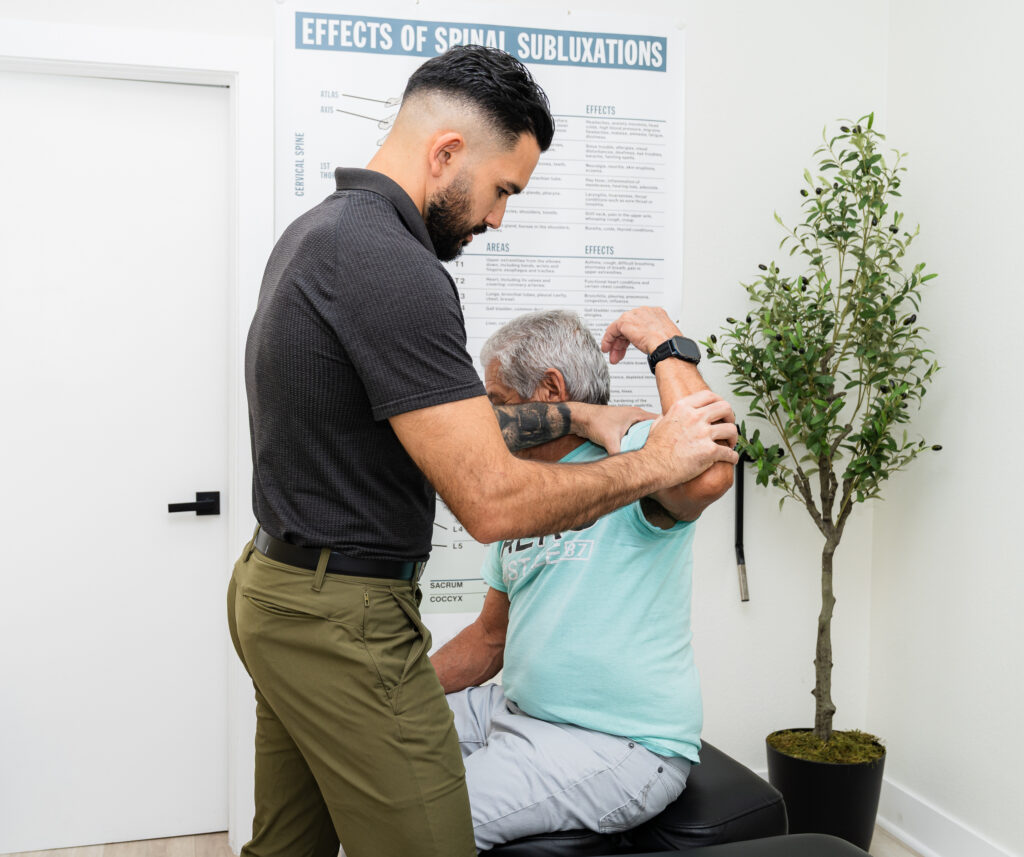

As your local chiropractor, I want to highlight just how crucial your posture is in managing back pain effectively. When your body is aligned properly, it distributes weight evenly, which significantly reduces the strain on your spine. Many people, however, don’t realize how their daily habits can negatively impact their posture. The relationship between posture and back pain treatment is profound, and understanding this connection can transform your recovery journey. Let’s explore the specific ways your posture might be contributing to your pain and how we can work together to improve it for better overall health.
The Link Between Posture and Spinal Health
As your local chiropractor, I want to emphasize the vital connection between your posture and spinal health. Many people may not realize that poor alignment can lead to a variety of problems, including chronic back pain.
When you sit or stand incorrectly, it puts additional stress on your spine, which can contribute to wear and tear on the intervertebral discs and joints over time.
By maintaining an upright posture, you’re not just looking good; you’re actually helping to distribute your body weight evenly. This reduces the strain on your muscles and ligaments, promoting better overall health.
Remember, proper posture isn’t just about comfort—it’s a crucial part of keeping your spine healthy and functioning well.
As we explore natural healing methods together, I encourage you to think about how your everyday posture impacts your body.
Let’s work together to create habits that support a strong, healthy spine!
How Poor Posture Contributes to Back Pain
As a local chiropractor, I want to take a moment to discuss how poor posture can significantly affect your spine and overall well-being.
When you slouch or hunch over, it places unnecessary strain on your muscles and ligaments, disrupting the natural alignment of your spine. This misalignment can lead to pressure on your nerves, which might result in shooting pain or numbness – sensations that many of my patients describe when they first come to see me.
Moreover, poor posture often means that your core muscles aren’t being engaged properly. Over time, this can weaken these essential muscles, leaving your spine less supported and more vulnerable to injury.
As your spine struggles to maintain stability, you may notice increased fatigue and discomfort in your back.
If you find yourself spending long hours sitting or standing in positions that don’t support good posture, the cumulative effects can lead to chronic pain that can be difficult to manage.
This is where chiropractic care comes in. By addressing your posture and spinal alignment, we can help alleviate some of that strain.
Together, we can work towards restoring balance to your body, paving the way for a healthier, pain-free back.
The Role of Posture in Muscle Tension
As a chiropractor, I often see the effects of poor posture in my patients, and it’s crucial to understand how this can lead to increased muscle tension in your body.
When you slouch or lean forward, you’re putting unnecessary stress on your muscles, particularly in the neck, shoulders, and lower back. This increased tension can create a vicious cycle of discomfort: tight muscles lead to pain, and in response, you might adopt even worse posture to find temporary relief.
You might find that as your muscles become tighter, your range of motion decreases, making everyday activities feel more difficult. Poor posture forces certain muscles to overwork, which can result in fatigue and even injury.
For example, if you spend long hours hunched over a computer, the strain on your upper back and neck muscles can lead to tension headaches and chronic pain.
Understanding the relationship between posture and muscle tension is vital for your overall well-being. By recognizing this connection, you can make conscious choices to improve your posture, which can help reduce discomfort and promote healthier body alignment.
As your chiropractor, I’m here to guide you in making those changes and support you on your journey to better health.
Strategies for Improving Posture
As a local chiropractor, I want to share some valuable insights on improving your posture, which is crucial for reducing muscle tension and discomfort. Many people are unaware of how their daily habits contribute to poor posture, but with a little mindfulness, you can make significant changes.
First, pay attention to your posture throughout the day. When you’re sitting, ensure that your back is straight, your shoulders are relaxed, and your feet are flat on the ground. Choosing a chair that supports your lower back is essential; avoid slumping or leaning forward, as these habits can lead to misalignments in your spine.
When standing, it’s important to distribute your weight evenly between both feet and keep your knees slightly bent. Engaging your core muscles will provide added support to your spine, helping you maintain an upright position.
Incorporating regular breaks into your daily routine is another key strategy. Take the time to stand up, stretch, and move around every hour to prevent stiffness and promote circulation.
Additionally, strengthening exercises, such as planks and bridges, can enhance your posture over time and support your overall spinal health.
Lastly, consider investing in ergonomic tools, like a standing desk or lumbar support cushion, which can help create a more supportive work environment.
Posture Correction and Its Impact on Recovery
As a local chiropractor, I want to emphasize the vital role that posture correction plays in your recovery from back pain. Many people may not realize how much alignment impacts healing. When you maintain proper posture, it helps distribute your body weight evenly, which reduces unnecessary strain on your spine and muscles. This alignment not only alleviates immediate discomfort but also fosters long-term healing.
By prioritizing posture correction, you engage your core and back muscles, enhancing stability and support. Many of my patients report decreased tension and improved mobility as their bodies adapt to these positive changes.
Additionally, good posture can boost your overall body awareness, allowing you to recognize habits that might be contributing to your pain.
Incorporating posture correction techniques into your daily routine can significantly accelerate your recovery process. Remember, it’s not just about feeling better in the moment—it’s about preventing future issues.
Conclusion
As a local chiropractor, I want to emphasize the crucial role posture plays in managing back pain. Proper alignment is not just a matter of aesthetics; it significantly reduces strain on your spine and helps relieve muscle tension. By incorporating strategies to improve your posture into your daily life, you can experience immediate relief from discomfort and support long-term healing of your back.
Good posture is fundamental to maintaining a healthy spine, and it’s something we can work on together during your chiropractic visits. I encourage you to prioritize your posture—it’s a simple yet powerful step you can take toward feeling better and staying active. Remember, your spine is the foundation of your overall health, and I’m here to help you support it effectively!