
As a local chiropractor, I want to help you understand how effective recovery techniques can aid your healing process after a sports injury. It's crucial to know that various approaches, including chiropractic care, can make a significant difference in your recovery time and overall well-being.
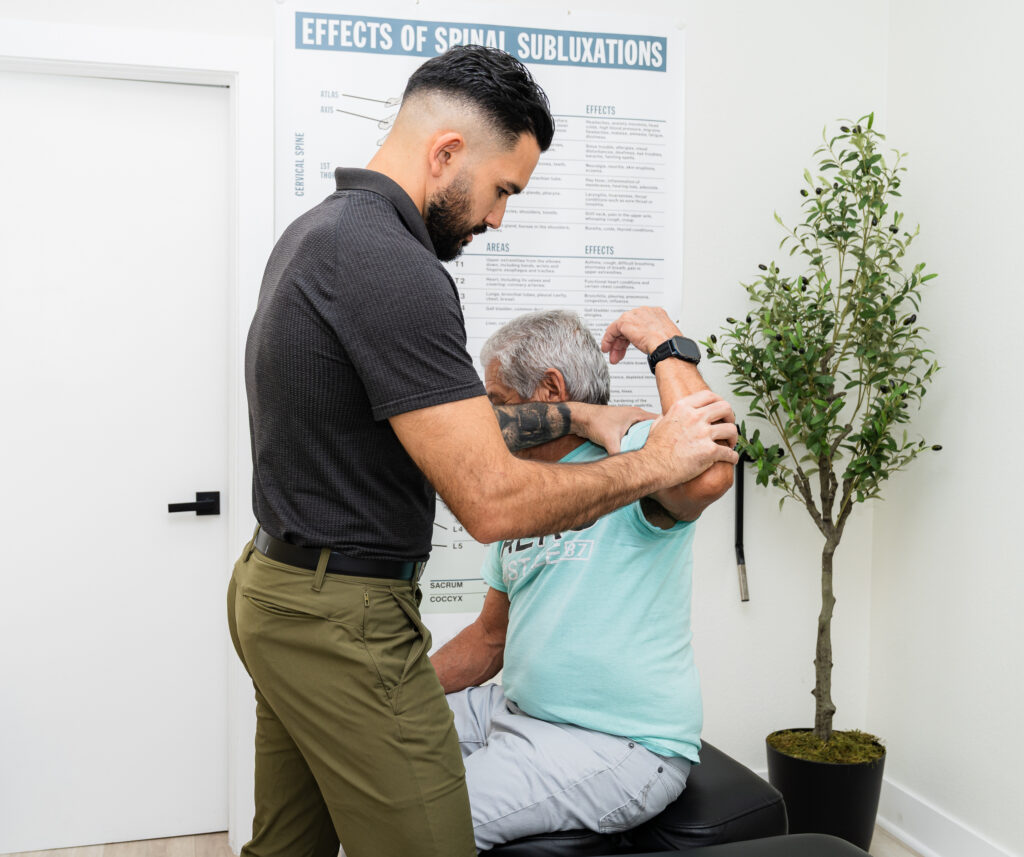
Chiropractic care focuses on the alignment of your spine and joints, which can relieve pain and restore mobility. By utilizing gentle adjustments, we can help your body heal naturally and efficiently. Additionally, incorporating physical therapy exercises can further enhance your recovery by strengthening the muscles around the injured area.
We also can't overlook the importance of nutrition. A well-balanced diet plays a vital role in recovery, providing your body with the nutrients it needs to heal. I often recommend specific foods and supplements that can support your healing process.
Lastly, mental strategies such as visualization and relaxation techniques can be beneficial. Staying positive and focused on your recovery can enhance your healing journey, helping you return to your sport even stronger.
So, if you're looking to optimize your recovery process, consider exploring chiropractic care along with these complementary techniques for a holistic approach to healing. Together, we can work towards getting you back in the game safely and effectively.
Physical Therapy Approaches
When it comes to recovering from sports injuries, chiropractic care plays a vital role in restoring strength and mobility. Unlike traditional approaches, chiropractic focuses on natural healing methods that not only address your current injury but also help prevent future issues. One of the fundamental techniques we employ is spinal manipulation, where we use precise adjustments to align your spine and improve the function of your nervous system. This can significantly reduce pain and enhance circulation, making it easier for you to regain mobility.
In addition to spinal adjustments, we utilize various modalities such as ultrasound therapy and electrical stimulation. These therapies harness sound waves and electrical currents to decrease inflammation and promote healing in injured tissues. They're particularly beneficial for soft tissue injuries, helping to accelerate your recovery process.
Furthermore, we provide customized therapeutic exercises that cater to your specific needs. These exercises aim to strengthen the affected areas and enhance flexibility, allowing you to return to your sport in a quicker and safer manner.
Education is a cornerstone of our chiropractic approach. We believe in empowering you with knowledge about your injury, effective pain management techniques, and the significance of maintaining proper body mechanics during physical activities. This understanding enables you to take charge of your recovery and minimizes the risk of re-injury.
Lastly, the importance of a supportive environment can't be overstated. A dedicated chiropractor won't only guide you through your recovery journey but also inspire you to stay motivated. By embracing chiropractic care and these natural healing approaches, you're paving the way for a successful return to your sport and a healthier lifestyle.
Exercise Rehabilitation
As a local chiropractor, I want to emphasize that exercise rehabilitation is a vital part of your journey to recovery from sports injuries. It not only helps you regain strength, flexibility, and coordination but also aligns with our holistic approach to natural healing.
After an injury, it's crucial to follow a structured rehabilitation program that's tailored to your unique needs, which is something we can help guide you through.
Initially, rehabilitation will involve gentle movements to prevent any further damage. As you progress, we'll gradually introduce more intense exercises to help you rebuild your strength.
It's essential to focus on different aspects of fitness, including strength training, stretching, and balance exercises. Strength training is particularly important as it rebuilds the muscles surrounding the injured area, providing the necessary support and stability. We recommend starting with low resistance and gradually increasing it as you regain your strength.
Stretching is another key component of your recovery; it enhances flexibility and plays a significant role in preventing future injuries. Dynamic stretches can also be incorporated to improve your range of motion.
Balance exercises are especially critical if your injury has affected your stability. Simple activities, such as single-leg stands or using balance boards, can significantly enhance your coordination and proprioception.
It's important to listen to your body throughout this process. If you experience any pain, we advise modifying your exercises or consulting with us for professional guidance.
Consistent practice is essential for a successful recovery. By committing to a regular exercise routine, you can accelerate your healing process. Setting realistic goals and tracking your progress will help keep you motivated.
Remember, patience is key—rehabilitation takes time, but by adhering to your program, you'll be able to return to your sport not just recovered but stronger and more resilient than before.
Prioritizing exercise rehabilitation under our chiropractic care won't only facilitate your recovery but also significantly reduce the risk of re-injury in the future.
Advanced Technologies
As a local chiropractor, I want to share how advanced technologies are transforming the way we approach sports injury recovery, making it easier and more effective for you. Many of you may not be familiar with the benefits of chiropractic care and natural healing, so let's explore how these innovations can support your recovery journey.
Wearable devices, such as fitness trackers and smartwatches, are becoming increasingly popular in monitoring health. These tools allow you to keep track of your activity levels and physiological responses in real-time. By sharing this data with me, your chiropractor, we can work together to create a personalized recovery plan that aligns with your unique needs.
Another exciting development in recovery methods includes cryotherapy and infrared therapy. Cryotherapy involves exposing your body to very cold temperatures, which can help reduce inflammation and alleviate pain. On the other hand, infrared therapy enhances blood circulation and promotes healing at the cellular level. Both therapies can play a vital role in speeding up your recovery and improving your overall well-being.
Moreover, virtual reality (VR) is making significant strides in rehabilitation. This technology allows you to engage in a controlled environment where you can practice movements and exercises safely, minimizing the risk of re-injury. VR offers an interactive way to make your rehabilitation more enjoyable and keeps you motivated throughout the process.
Lastly, telehealth services have made it easier than ever to connect with healthcare professionals like myself. You can receive expert guidance and support from the comfort of your home, reducing the need for frequent in-person visits. This flexibility can significantly enhance your recovery experience.
Nutrition and Hydration
As your local chiropractor, I want to emphasize the crucial role that proper nutrition and hydration play in your recovery from a sports injury. While chiropractic care can help realign your body and alleviate pain, it's equally important to support your healing process through what you eat and drink.
A balanced diet is essential for recovery, and it should be rich in key nutrients. Proteins are particularly important for muscle repair, so consider incorporating lean meats, fish, eggs, dairy, and plant-based sources like beans and lentils into your meals.
Eating a variety of fruits and vegetables will also ensure you receive the necessary vitamins and minerals to aid your healing.
Don't forget about carbohydrates! They're vital for providing the energy your body requires during recovery. Focus on whole grains, fruits, and vegetables as your primary sources.
Including healthy fats from nuts, seeds, and avocados can further support the healing process and help reduce inflammation.
Hydration is just as crucial as nutrition in your recovery journey. Water not only helps transport nutrients throughout your body but also keeps your joints well-lubricated.
Make it a habit to drink plenty of fluids throughout the day, especially if you're participating in physical therapy or light exercises. Even if your activity level is restricted and you don't feel thirsty, your body still needs adequate hydration.
If you find yourself sweating more than usual or feeling fatigued, consider incorporating electrolyte-rich drinks. These can help replenish lost minerals and enhance your recovery.
Lastly, don't hesitate to seek guidance from a registered dietitian or nutritionist. They can provide you with a personalized nutrition plan tailored to your specific needs and recovery goals.
Mental Recovery Strategies
As a local chiropractor, I want to emphasize the importance of mental recovery alongside physical healing, especially when you're dealing with a sports injury. Many people overlook how significantly your mindset can impact your recovery journey.
To cultivate a positive mental state, I encourage you to set realistic, achievable goals. Break down your recovery into smaller milestones, and celebrate each success, no matter how minor. This will help keep your motivation high throughout the process.
Visualization is a highly effective technique that I often recommend to my patients. Imagine yourself excelling in your sport again; this mental imagery strengthens the neural pathways in your brain, making it easier for you to return to your activity.
Additionally, incorporating mindfulness practices such as meditation or deep breathing exercises can significantly reduce anxiety and enhance your focus, promoting a positive outlook during your rehabilitation.
Don't underestimate the power of social support in your recovery. Surround yourself with friends, family, and teammates who uplift and encourage you. Sharing your feelings about your injury and the recovery process can ease stress and make you feel less alone.
I also suggest engaging in group activities, whether that's joining a support group or participating in social events with other athletes, as community can play a vital role in your healing.
Lastly, consider keeping a journal to document your thoughts and feelings throughout your recovery. Writing can be an excellent therapeutic outlet, helping you process emotions and recognize patterns in your mental well-being.
Conclusion
As a local chiropractor, I want to emphasize how incorporating a variety of techniques can significantly improve your recovery from sports injuries. By integrating chiropractic care with physical therapy, exercise rehabilitation, advanced technologies, proper nutrition, and mental wellness strategies, you can create a comprehensive healing plan.
Chiropractic adjustments can help restore proper alignment, reduce pain, and improve your overall function, which is essential for regaining strength and flexibility. It's important to address each aspect of your recovery process to build your confidence and support your body's natural healing abilities.
Keep in mind that recovery is not instantaneous; it requires time and patience. However, with the right approach and a positive mindset, you will be on your way to returning to your best self. Stay dedicated to your healing journey, and remember that I'm here to support you every step of the way!