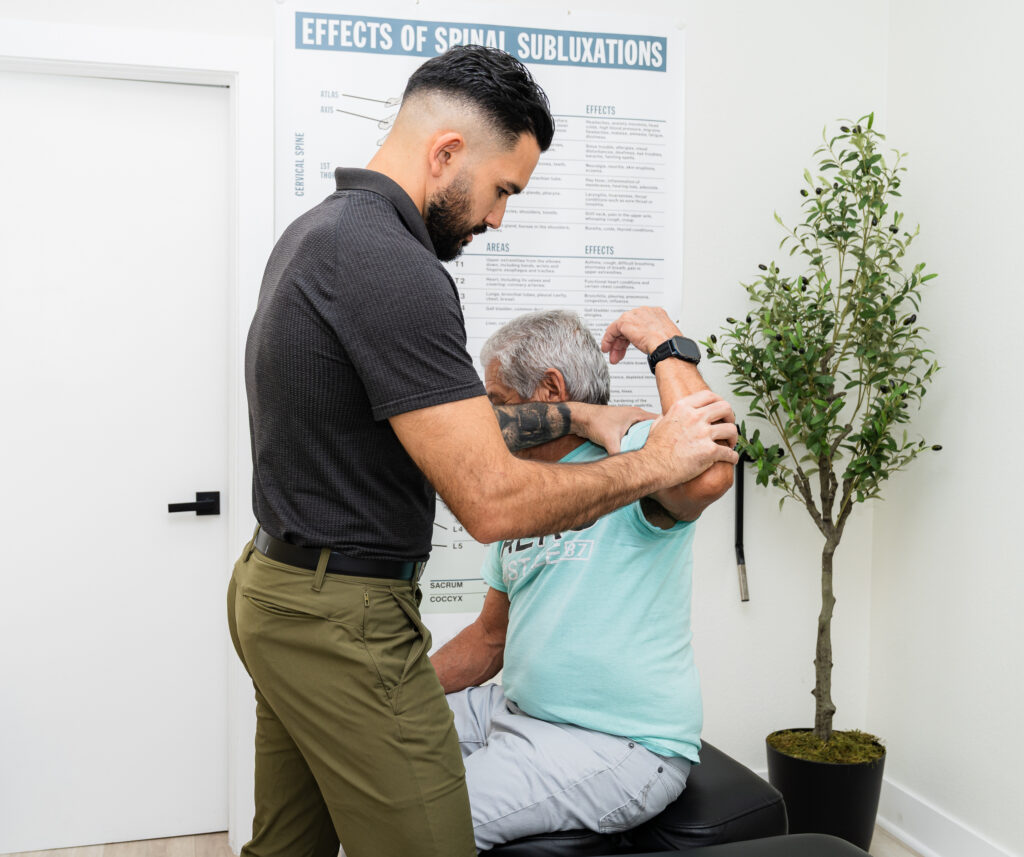

As your local chiropractor, I want to emphasize the vital role your posture plays in managing back pain. When your alignment is off, it can create unnecessary strain on your muscles and ligaments, hindering your recovery process. Gaining a better understanding of how posture affects your spinal health can empower you to make positive changes that alleviate discomfort.
Many individuals are unaware of how simple adjustments in their daily routines can significantly improve their posture. For instance, being mindful of how you sit, stand, and even sleep can make a world of difference. I encourage you to consider what small changes you could implement to enhance your posture and support your healing journey. Remember, taking care of your spine is essential for overall well-being, and I’m here to guide you every step of the way.
The Science Behind Posture and Spinal Health
As a local chiropractor, I want to share the importance of posture and its significant impact on your spinal health. Maintaining proper alignment is crucial for your spine, which is designed to support your body while allowing for flexibility and movement. When you slouch or adopt unnatural positions, it places unnecessary strain on your muscles, ligaments, and spinal discs, leading to discomfort and pain.
Good posture helps keep your spine in a neutral position, which reduces stress on surrounding tissues and promotes better blood circulation. It also aids in evenly distributing your body weight, minimizing the risk of injury. By becoming more aware of your posture, you can encourage your spine to function optimally.
Making simple adjustments, such as modifying your workstation or being conscious of how you sit, can have a profound impact on your overall well-being.
Remember, the way you carry yourself doesn’t just affect your spinal health; it can influence your entire quality of life. So take the time to align your body properly, and you may find yourself feeling much better both physically and mentally.
As a chiropractor, I’m here to help guide you on this journey to better posture and health!
Common Postural Issues That Contribute to Back Pain
As a local chiropractor, I want to shed light on how your posture could be playing a significant role in your back pain. Many of us may not realize it, but common postural issues like slouched shoulders or forward head posture can lead to increased strain on your spine and surrounding muscles.
This strain often results in discomfort and pain that can affect your daily life. Understanding these postural habits is the first step toward finding relief. By recognizing the ways in which your posture contributes to back pain, you can take proactive steps to correct these issues.
This is crucial not only for managing your pain effectively but also for promoting long-term spinal health. Chiropractic care focuses on natural healing and can help you address these postural concerns.
Together, we can work on techniques to improve your posture, strengthen your muscles, and alleviate your discomfort. It’s all about creating a healthier, pain-free life.
Slouched Shoulders
As a local chiropractor, I want to share some important information about slouched shoulders and how they can contribute to chronic back pain, often without you even realizing it.
When you hunch your shoulders forward, it can place excessive strain on the muscles in your upper back and neck. This poor posture may lead to muscle imbalances, tightness, and even nerve compression, which can cause discomfort that radiates throughout your back.
Many of my patients express difficulty in sitting or standing for extended periods without feeling pain. If you can relate to this, it’s essential to understand that by focusing on maintaining an upright posture—keeping your shoulders back and down—you can make a significant difference.
Incorporating regular stretches and strengthening exercises for your upper back and shoulders into your routine can also be incredibly beneficial.
These adjustments aren’t just about alleviating pain; they’re about enhancing your overall posture and promoting better back health in the long run.
If you’re interested in learning more about how chiropractic care can support you in this journey, I’m here to help guide you every step of the way.
Forward Head Posture
As a local chiropractor, I want to share some important information about forward head posture and its impact on your overall health, particularly back pain. Many people are unaware that when the head juts forward, it can significantly disrupt the natural alignment of your spine.
This misalignment places extra strain on your neck and upper back, causing the muscles in those areas to work overtime, which often results in tension, discomfort, and even headaches.
It’s crucial to be mindful of your posture throughout the day, especially when using screens for prolonged periods. I encourage you to take regular breaks and check in with your body to ensure you’re sitting or standing with proper alignment.
Strengthening the muscles in your neck and upper back can also play a key role in restoring balance and alleviating discomfort. Incorporating gentle stretches into your daily routine can help alleviate tightness and improve your overall posture.
The Role of Ergonomics in Preventing Back Pain
As a local chiropractor, I want to emphasize how crucial ergonomics is in preventing back pain, especially for those of you who spend long hours at a desk or are engaged in daily activities. Understanding and implementing proper ergonomics can make a significant difference in how your body feels.
First, it’s essential to create a workspace that promotes good posture. Make sure your chair offers adequate support for your lower back, and that your feet are flat on the floor. Position your computer monitor at eye level to minimize the strain on your neck. These simple adjustments can help maintain the natural curvature of your spine.
When you’re typing, be aware of your wrist position—keep them straight and your elbows close to your body. This helps to prevent tension in your muscles and joints.
Also, don’t forget to take breaks! Standing up, stretching, and moving around periodically can relieve pressure on your spine and improve your overall well-being.
Lastly, when lifting heavy objects, always remember the proper technique: bend your knees, keep your back straight, and hold the item close to your body. This practice not only protects your back but also helps you avoid injuries.
How Sitting Positions Affect Your Spine
As a local chiropractor, I want to help you understand how your sitting position can significantly affect your spine’s health, especially if you’re spending long hours sitting. Many people may not realize that slouching or leaning forward can place additional stress on your lower back and neck, leading to discomfort and pain over time.
To help maintain a healthy spine, it’s essential to adopt a neutral sitting posture. This means keeping your feet flat on the ground, your knees at hip level, and your back straight against the chair.
I also recommend avoiding crossing your legs, as this can create uneven pressure on your spine, leading to further issues. Using a chair that provides lumbar support can be beneficial for promoting good posture and minimizing the risk of strain.
If you’re working at a desk, adjusting the height of your computer screen can help prevent you from hunching over. Additionally, it’s vital to incorporate regular breaks into your routine. Stand up, stretch, and move around to keep your spine happy and healthy.
These simple adjustments can make a world of difference in reducing the likelihood of developing chronic back pain. Remember, the way you sit truly matters, and taking care of your spine is an important part of your overall health and well-being.
If you have any questions or need personalized advice, don’t hesitate to reach out!
The Importance of Active Posture in Daily Activities
As your local chiropractor, I want to emphasize the significant role that maintaining an active posture plays in your daily activities.
When you engage in your everyday tasks, whether at home or at work, adopting an active posture can greatly enhance your comfort and overall well-being.
By optimizing your workspace ergonomics—like adjusting your chair height or computer screen position—and incorporating mindful movement practices into your routine, you can effectively reduce the risk of back pain.
These simple adjustments can transform how you feel throughout the day and contribute to your long-term health.
Let’s take the time to explore how these elements can positively impact your daily life and help you feel your best.
Ergonomics in Workspaces
As a local chiropractor, I want to emphasize the importance of maintaining an active posture in your workspace, as it plays a crucial role in preventing back pain and enhancing your overall productivity.
To support your spine, it’s essential that your chair provides adequate support for your lower back. Additionally, adjusting your desk height so that your elbows rest at a comfortable 90-degree angle is vital.
Make sure your feet are flat on the floor or on a footrest to promote proper alignment, and position your monitor at eye level to avoid straining your neck.
It’s not just about sitting correctly; incorporating movement into your day is key. Take regular breaks to stand, stretch, or walk around. This not only promotes healthy blood circulation but also helps alleviate tension that can build up from prolonged sitting.
Consider investing in ergonomic tools like standing desks or keyboard trays, which can further enhance your posture and comfort.
By prioritizing ergonomics in your workspace, you aren’t only creating a healthier work environment but also paving the way for lasting improvements in your well-being.
Mindful Movement Practices
As a local chiropractor, I want to emphasize the importance of ergonomics in your workspace as a crucial step toward fostering healthy movement throughout your day. When you adopt an active posture, you aren’t only alleviating strain on your back but also enhancing your overall well-being.
Mindful movement practices play a vital role in this process, as they encourage you to pay attention to your body’s position and alignment during your daily activities. Whether you’re sitting, standing, or walking, it’s important to focus on keeping your spine engaged and your shoulders relaxed.
I can’t stress enough the significance of taking regular breaks and incorporating stretches into your routine to help alleviate tension. Additionally, practices such as yoga and tai chi can greatly improve your flexibility and strength, making you more resilient to discomfort.
Exercises to Improve Posture and Reduce Pain
As a chiropractor, I often see patients who are struggling with back pain and poor posture. One effective way to address these issues is through targeted exercises that strengthen your muscles and support your spine. Incorporating movements such as planks, bridges, and wall angels can be particularly beneficial for enhancing your overall well-being.
Let’s start with planks. This exercise engages your entire core, which is crucial for maintaining a healthy spine. Begin by holding the plank position for 20-30 seconds, and as you become more comfortable, you can gradually increase the duration.
Next, we’ve wall angels, which are excellent for opening up your shoulders and improving the alignment of your upper back. To perform this exercise, stand against a wall and raise your arms into a “W” shape before extending them overhead. Aim for three sets of 10 repetitions to really feel the benefits.
Lastly, the bridge exercise is fantastic for strengthening your glutes and promoting pelvic alignment. Lie on your back with your knees bent, then lift your hips off the ground and hold for a few seconds before lowering back down.
By consistently practicing these exercises, you can significantly reduce pain and enhance your posture, allowing for greater freedom of movement in your daily life.
The Connection Between Sleep Position and Back Pain
As a local chiropractor, I want to emphasize the importance of your sleep position when it comes to managing back pain. Many patients may not realize that the way you rest at night can significantly affect your spinal health and overall recovery.
It’s crucial to be mindful of your sleeping habits, as the right position can lead to improved comfort and healing.
Let’s discuss the ideal sleep positions that can help alleviate back pain. For instance, sleeping on your side with a pillow between your knees can help maintain proper spinal alignment. Alternatively, lying on your back with a supportive pillow can also be beneficial.
Additionally, the type of mattress you choose plays a vital role in how well you rest. A mattress that provides adequate support and comfort can make all the difference in your journey toward better health.
By understanding the connection between sleep positions, mattress types, and back pain, you can take proactive steps to enhance your well-being.
Ideal Sleep Positions
As a local chiropractor, I often see patients who underestimate how crucial sleep position is in managing back pain. The way you position your body while you sleep can significantly affect your spinal alignment and overall comfort, which is essential for healing.
Let me share with you three ideal sleep positions that can help alleviate discomfort:
- Side Sleeping: When you curl up on your side with a pillow placed between your knees, you’re helping to keep your spine aligned. This simple adjustment reduces pressure on your back and can lead to a more restful night’s sleep.
- Back Sleeping: If you prefer to sleep on your back, make sure to use a supportive pillow under your knees. This helps maintain the natural curve of your spine, promoting proper alignment and reducing strain on your back throughout the night.
- Fetal Position: This position is particularly beneficial for those dealing with conditions such as sciatica. Curling into the fetal position can help relieve pressure on the discs in your spine, providing much-needed comfort and relief.
By paying attention to your sleep position, you can play an active role in your healing process and improve your overall well-being.
Effects of Mattress Type
As a local chiropractor, I want to emphasize the importance of selecting the right mattress for your sleep health. The type of mattress you choose can significantly impact how well your sleep position supports your spine and overall well-being.
A mattress that’s too firm can create uncomfortable pressure points, leading to discomfort and potential misalignment of your spine. Conversely, a mattress that’s too soft may lack the necessary support, causing your spine to sag and putting additional strain on your back.
For optimal spinal health, I recommend looking for a medium-firm mattress. This type of mattress provides the right balance, contouring to your body’s natural curves while ensuring proper spinal alignment.
If you’re a side sleeper, a slightly softer mattress may be more beneficial, as it can help cushion your shoulders and hips. Meanwhile, back sleepers typically find greater support and comfort on a firmer surface.
It’s essential to remember that the right mattress can play a significant role in alleviating back pain and improving your overall sleep quality.
I encourage you to test various types of mattresses to find the one that best suits your sleep position and provides excellent support for your back. Making an informed choice can lead to better rest and contribute to your journey toward natural healing and wellness.
Long-Term Benefits of Maintaining Good Posture
As your local chiropractor, I want to emphasize the importance of maintaining good posture for your overall well-being, particularly in managing back pain. By incorporating good posture into your daily habits, you can experience a range of long-term benefits that significantly enhance your quality of life.
- Reduced Pain: When you practice good posture, you effectively minimize the strain on your muscles and ligaments. This proactive approach can significantly reduce the risk of developing chronic pain and discomfort in areas like your back and neck.
- Improved Mobility: An aligned spine is crucial for maintaining joint health and flexibility. By ensuring proper posture, you support better movement and function, which becomes increasingly important as we age.
- Enhanced Confidence: The impact of good posture extends beyond physical health; it also influences your mental state. Standing tall not only improves your body alignment but can also boost your self-esteem, allowing you to project confidence in both social and professional environments.
By making a conscious effort to maintain good posture, you’re investing in your long-term health.
If you have any questions about how chiropractic care can support you in this journey, please feel free to reach out!
Posture Correction Techniques for Pain Relief
As a local chiropractor, I want to emphasize the importance of good posture—not just for long-term health, but also for relieving existing pain. Many of my patients are surprised to learn that simple changes in body alignment can make a significant difference in their comfort levels.
To begin correcting your posture, it’s crucial to be aware of how you carry yourself throughout the day. When you’re seated, ensure that your feet are flat on the floor, your back is straight, and your shoulders are relaxed. If you experience discomfort in your lower back, using a lumbar roll or cushion can provide the support you need to maintain proper alignment.
In addition to being mindful of your posture, incorporating stretching and strengthening exercises into your daily routine can greatly benefit your spine. I often recommend focusing on your core muscles, as they play a vital role in supporting your back. Practices like yoga and Pilates are excellent choices to enhance both flexibility and posture.
If you find yourself sitting for extended periods, remember to take frequent breaks. Stand, walk around, and take a moment to reset your posture at least once an hour. When you’re standing, distribute your weight evenly across both feet and engage your core to support your spine effectively.
Building Awareness of Posture in Everyday Life
As a local chiropractor, I want to emphasize the importance of posture in your everyday life. Although you may not think about it regularly, becoming aware of your posture can significantly enhance your comfort and overall well-being.
By incorporating a few simple practices into your daily routine, you can improve your posture and help alleviate back pain. Here are three effective ways to cultivate posture awareness:
- Optimize Your Workspace: Ensure that your workstation is set up ergonomically. Your computer screen should be at eye level to prevent strain on your neck, and your chair should provide adequate support for your lower back. This setup can make a big difference in how you feel throughout the day.
- Utilize Reminders: Consider setting alarms or using apps to prompt you to check in on your posture every hour. These reminders can help you notice when you’re slouching and encourage you to sit or stand up straight before it becomes a habit.
- Engage in Mindfulness: Take a moment during your day to evaluate your body alignment. Are your shoulders relaxed and your back straight? Practicing mindfulness not only helps you stay connected to your body but also fosters a greater awareness of your posture.
By adopting these practices, you can take proactive steps toward better alignment and reduce the risk of discomfort.
Conclusion
As a local chiropractor, I want to emphasize how crucial posture is in the treatment of back pain and the overall health of your spine. Many people may not realize that the way we carry ourselves can significantly influence our discomfort and recovery. By becoming aware of and correcting poor postural habits, you can experience relief from pain and foster healing in your body.
Incorporating ergonomic practices into your daily routine is essential—this includes being mindful of how you sit and sleep. Proper alignment during these activities can greatly support your recovery process. I encourage you to pay attention to your posture throughout the day; this awareness is key to achieving long-term relief from back pain.
Remember, prioritizing good posture not only helps alleviate pain but also enhances your overall well-being. As you embark on your journey toward healing, consider how simple adjustments to your posture can make a profound difference in your life. Together, we can work towards a healthier spine and a pain-free future.