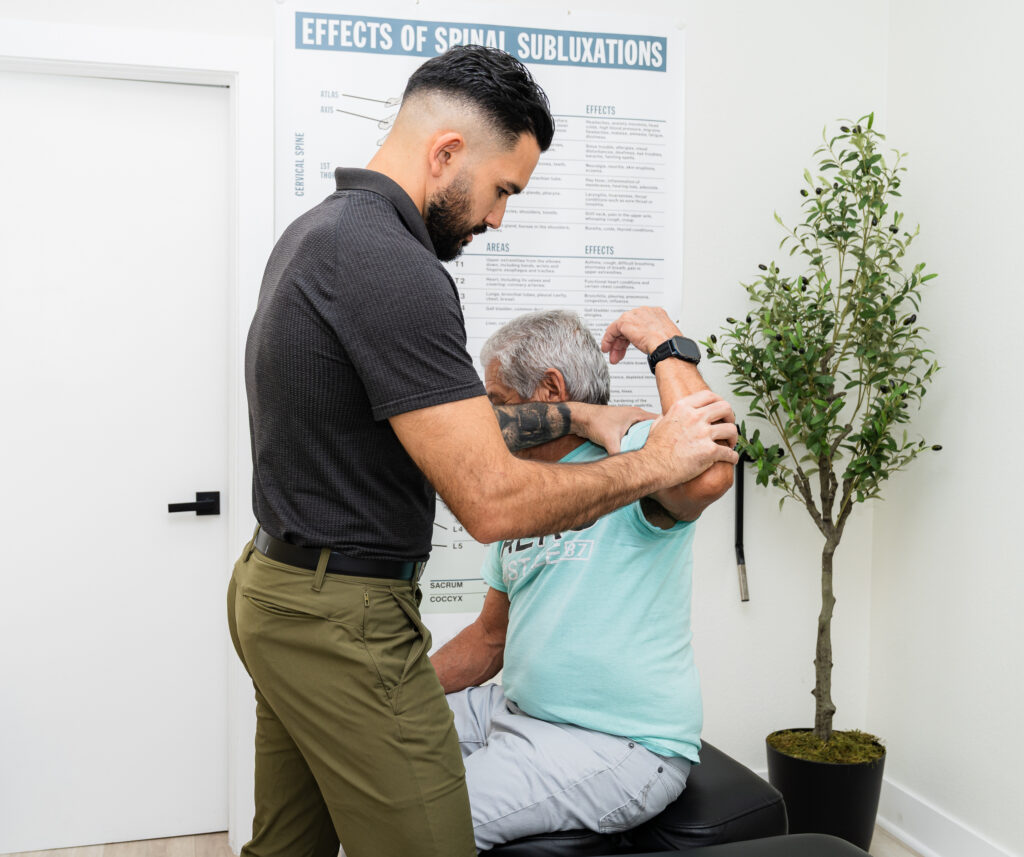

As a local chiropractor, I understand that back pain can be a frustrating and debilitating issue for many individuals. However, incorporating the right exercises into your routine can significantly alleviate discomfort and support your overall spinal health. Focusing on core strength, flexibility, and stability is essential in protecting your back.
It’s important to recognize which specific movements can strengthen these key areas. Allow me to guide you through some effective exercises that not only bolster your back but also enhance your overall well-being. By integrating these exercises into your daily life, you can take proactive steps towards maintaining a healthy spine and preventing future back pain. Remember, your body’s movement is a vital component of your overall health, and I’m here to help you understand how to incorporate these practices effectively.
Understanding Back Pain: Causes and Risk Factors
As a local chiropractor, I often see patients who are surprised to learn just how common back pain is—affecting nearly 80% of individuals at some point in their lives. Understanding the causes of this discomfort is essential for effective treatment and prevention.
One major contributor to back pain is poor posture. When you sit or stand incorrectly, it can put significant strain on your back muscles, leading to discomfort.
Another common issue arises from heavy lifting; if you don’t use proper techniques, you increase your risk of injury. Additionally, a sedentary lifestyle can weaken your back muscles, making them more prone to pain and injury when you do move.
Age is also a factor; as the years go by, the wear and tear on your spine can lead to various issues. Medical conditions such as arthritis or herniated discs can further contribute to chronic pain.
It’s important to recognize that stress and obesity can amplify these problems, making it crucial to address these factors in your overall health strategy.
By understanding these causes and risk factors, you can take proactive steps to manage and prevent back pain. Identifying your specific triggers is key—once you know what to avoid, you can work towards maintaining a healthier back.
Through chiropractic care, we can develop a personalized plan that addresses your needs and helps you achieve optimal spinal health.
The Importance of Core Strength in Back Health
As a local chiropractor, I want to emphasize the critical role that core strength plays in maintaining your back health.
A strong core isn’t just about aesthetics; it’s vital for stabilizing your spine and strengthening the muscles that support your entire body. By prioritizing core stability, you can significantly lower your chances of experiencing back pain.
Incorporating exercises that focus on this area into your routine can be a natural and effective way to enhance your overall well-being and prevent injuries.
It’s all about creating a solid foundation for your body, and I’m here to help guide you on that journey.
Core Stability Benefits
As a chiropractor, I want to emphasize the importance of developing core strength for maintaining a healthy back. A strong core plays a crucial role in stabilizing your spine and pelvis, which can significantly reduce your risk of injuries and discomfort.
When your core muscles are engaged, they provide essential support to your back throughout everyday activities, making tasks like lifting, bending, and twisting much easier and safer, without putting undue strain on your body.
Improving your core stability not only enhances your posture but also boosts your overall balance and coordination. This means you can move more efficiently and with greater ease in your daily life.
Additionally, a robust core can help alleviate pressure on your lower back, which is key in preventing pain.
Incorporating core stability exercises into your routine is a valuable investment in your long-term back health and overall well-being.
Strengthening Key Muscles
As a chiropractor, I want to emphasize the vital role that core stability plays in your overall spinal health. Strengthening the key muscles in your abdomen and lower back is crucial for maintaining a healthy spine. A strong core provides essential support to your spine, which can help prevent strains and injuries that many of us face in our daily lives.
Incorporating exercises such as planks, bridges, and bird-dogs into your routine can significantly enhance your core strength. These movements engage various muscle groups, which not only improves balance but also stability, making everyday activities easier and more comfortable.
As you begin to strengthen these areas, you may notice improvements in your posture and a decrease in back pain. It’s also important to remember that flexibility exercises are a perfect complement to strength training. They can help improve your range of motion, which is essential for overall mobility and injury prevention.
I encourage you to incorporate these exercises into your routine several times a week to achieve the best results. By prioritizing your core strength and flexibility, you’re taking proactive steps toward a healthier back, and I assure you, your body will appreciate it!
Effective Stretching Exercises for Spine Flexibility
As a local chiropractor dedicated to your well-being, I want to emphasize the importance of maintaining a flexible and healthy spine through effective stretching exercises.
Many individuals may not realize how crucial these techniques are for their overall mobility and daily activities. For instance, the hamstring stretch and the Cat-Cow pose are excellent exercises that can significantly enhance your spinal flexibility.
Incorporating these stretches into your routine not only benefits your back but also promotes better posture and reduces the risk of injury.
By understanding and practicing these exercises, you can take proactive steps towards improving your spinal health and embracing a more active lifestyle.
Let’s delve into the specifics of how these stretches work and how you can easily integrate them into your daily routine for optimal benefits.
Hamstring Stretch Techniques
As a local chiropractor, I want to emphasize the importance of stretching your hamstrings for improving spine flexibility and preventing back pain. One effective technique I recommend is the standing hamstring stretch.
To perform this, stand up straight and gently bend at your hips, keeping your knees slightly bent. Reach down toward your toes and hold the stretch for about 15-30 seconds. This simple movement can help alleviate tension in your lower back.
Another excellent option is the seated hamstring stretch. Find a comfortable spot on the floor, extend one leg out in front of you, and bend the other leg so that the foot is tucked in.
Reach toward the foot of your extended leg while keeping your back straight. Hold this position for 15-30 seconds, then switch legs. This stretch not only benefits your hamstrings but also promotes better posture.
You can also try the lying hamstring stretch for additional flexibility. While lying on your back, lift one leg up into the air and use a strap or towel to gently pull that leg toward you.
This technique helps maintain hamstring flexibility and can significantly reduce the risk of back pain.
Incorporating these stretches into your routine can enhance your overall well-being and support your spine health.
Cat-Cow Pose Benefits
As a local chiropractor passionate about natural healing, I encourage you to consider the benefits of incorporating the Cat-Cow pose into your daily routine. This gentle yet effective exercise can significantly enhance your spine’s flexibility and overall back health.
By dynamically moving your spine through its full range of motion, the Cat-Cow pose promotes better posture and helps reduce stiffness in the back. When you alternate between arching and rounding your back, you’re not only improving your flexibility, but you’re also engaging your core muscles, which is essential for supporting your spine and maintaining a healthy posture.
Regular practice of the Cat-Cow pose can help alleviate tension and discomfort, especially in the lower back, making it a valuable addition to your wellness routine. Moreover, this pose encourages deeper breathing, which can calm your mind and contribute to overall relaxation.
I recommend integrating the Cat-Cow pose into your daily activities; with just a few minutes of practice, you may notice improved mobility and a reduction in back pain over time. Remember, taking small steps toward your wellness can lead to significant improvements in your overall well-being!
Strengthening Exercises for the Lower Back
As a local chiropractor, I want to emphasize the importance of strengthening your lower back to prevent pain and enhance overall stability. Incorporating targeted exercises into your routine can significantly help you build the necessary strength for a healthier back.
One highly effective exercise I recommend is the bird-dog. To perform this move, start on all fours. Extend one arm forward while simultaneously extending the opposite leg back. Then switch sides. This exercise promotes balance and core strength, which are crucial for supporting your lower back.
Another excellent option is the bridge exercise. For this, lie on your back with your knees bent and feet flat on the ground. Lift your hips towards the ceiling while squeezing your glutes at the top, then lower back down. This movement not only strengthens your lower back but also engages your glute muscles.
Additionally, I suggest trying the superman exercise. Lie face down, extend your arms and legs, and lift both off the ground simultaneously. Hold this position briefly before lowering back down. This exercise effectively targets your lower back muscles and helps improve overall strength.
I recommend aiming for three sets of 10-15 repetitions for each of these exercises, ensuring that you maintain proper form throughout. With consistent practice, you’ll likely notice improvements in your strength and a reduced risk of lower back pain.
Yoga Poses to Alleviate and Prevent Back Pain
As a local chiropractor, I want to share how yoga can be an effective method for alleviating and preventing back pain.
Integrating specific yoga poses into your routine can enhance your flexibility and strengthen your back muscles, contributing to overall spinal health.
Let’s delve into some beneficial techniques and important safety tips to help you get started on this natural healing journey.
Key Yoga Poses
As a local chiropractor, I often emphasize the importance of incorporating key yoga poses into your routine to help alleviate and prevent back pain.
These poses not only enhance flexibility and strengthen your core but also improve posture, which is crucial for maintaining a healthy back.
Here are three essential poses that I recommend for my patients:
- Cat-Cow Stretch: This gentle flow is excellent for increasing spinal flexibility. It helps relieve tension in the back, making it a great addition to your daily routine.
- Child’s Pose: This restorative pose is fantastic for stretching the lower back and promoting relaxation. It can be particularly helpful in easing discomfort after a long day.
- Downward-Facing Dog: This full-body stretch not only strengthens the back and legs but also lengthens the spine, contributing to overall spinal health.
Incorporating these poses into your daily activities can complement chiropractic adjustments and support your journey towards natural healing.
Safe Practice Tips
As a local chiropractor, I want to share some important tips to help you maximize the benefits of yoga while effectively managing or preventing back pain.
First and foremost, always listen to your body. If any pose feels uncomfortable or causes pain, it’s crucial to ease out of it.
Begin your practice with gentle stretches, such as Child’s Pose or Cat-Cow, which are excellent for warming up your spine. Maintaining proper alignment is key; ensure your shoulders are relaxed and your spine is elongated.
Engaging your core is also essential, as this provides support to your lower back during poses like Bridge or Downward Dog.
Don’t hesitate to use props, such as blocks or straps. These tools can make poses more accessible and reduce strain on your body.
Lastly, I encourage you to practice mindfulness and incorporate deep breathing into your routine. This approach helps you stay present and aware of your body’s capabilities and limits.
By practicing safely and consistently, you can significantly improve your back health and overall well-being.
The Role of Aerobic Exercise in Back Pain Prevention
As a local chiropractor, I want to emphasize the importance of aerobic exercise in preventing back pain, a topic that many people may overlook.
While heavy lifting and poor posture are commonly associated with back pain, incorporating aerobic activities into your daily routine can significantly contribute to a healthier spine and overall well-being.
Here are three key benefits of aerobic exercise that I encourage you to consider in your journey toward back pain prevention:
- Enhanced Flexibility: Engaging in aerobic exercises such as swimming or cycling can improve your flexibility. This increased range of motion supports spinal health and reduces the risk of injury.
- Strengthening Core Muscles: Activities like brisk walking or jogging aren’t just good for your heart; they also help to strengthen your core and back muscles. A strong core provides essential support to your spine, helping to alleviate strain and discomfort.
- Boosted Mood and Reduced Stress: Aerobic exercise stimulates the release of endorphins, which can improve your mood and reduce stress. Since tension and stress can often exacerbate back pain, finding ways to manage these through physical activity is vital.
Incorporating aerobic exercise into your lifestyle is a natural and effective way to support your back health.
If you have any questions or need guidance on which activities are best for you, please feel free to reach out!
Proper Posture: Exercises to Improve Alignment
As your local chiropractor, I want to emphasize the importance of maintaining proper posture for preventing back pain and ensuring your spine remains aligned. Many of my patients are surprised to learn just how much their posture can impact their overall health.
To help you improve your posture, I recommend starting with some core-strengthening exercises, such as planks and bridges. These exercises engage the abdominal muscles, which provide crucial support for your spine.
In addition to strengthening your core, it’s essential to incorporate chest stretches into your routine. A simple yet effective stretch involves standing tall, clasping your hands behind your back, and gently pulling your shoulders back while lifting your chest. This movement helps open up your chest and encourages proper alignment, counteracting the negative effects of slouching that many of us experience throughout the day.
Don’t overlook the importance of your hips! Tight hip flexors can contribute to poor posture, so I encourage you to try hip flexor stretches. One effective method is to kneel on one knee and gently push your hips forward. This stretch helps alleviate tightness, promoting better alignment and reducing discomfort.
Lastly, I recommend practicing wall angels. Stand against a wall and move your arms from a “W” position to a “Y” position while keeping your back flat against the wall. This exercise helps reinforce proper shoulder alignment and can significantly improve your posture over time.
By consistently incorporating these exercises into your daily routine, you can enhance your posture and reduce the risk of back pain. Remember, small changes can lead to significant improvements in your overall well-being!
If you have any questions or would like personalized guidance, feel free to reach out to my office. Your health is our priority.
Incorporating Resistance Training for Back Support
As a local chiropractor dedicated to helping you understand the importance of spinal health, I want to share how incorporating resistance training into your fitness routine can significantly enhance back support and overall well-being.
Strengthening the muscles that support your spine is crucial for reducing the risk of injury and alleviating discomfort. Here are three effective resistance exercises that I recommend:
- Deadlifts: This exercise is fantastic for targeting your lower back, glutes, and hamstrings, which promotes a strong posterior chain. When done correctly, deadlifts can help build the strength necessary for a healthy spine.
- Bent-over Rows: Engaging your upper back and lats through bent-over rows is another excellent way to stabilize your spine and improve your posture. Good posture is essential for reducing strain on your back.
- Plank Variations: Adding resistance bands or weights during planks can significantly activate your core muscles, providing additional support to your back. A strong core is vital for maintaining spinal stability and preventing discomfort.
Remember, it’s crucial to focus on proper form and to start with lighter weights to avoid strain.
As you become more comfortable, you can gradually increase resistance to continue building strength. With consistent practice, you’ll likely notice significant improvements in your back support, overall stability, and well-being.
If you have any questions or need guidance on these exercises, I’m here to help!
The Benefits of Regular Mobility Work
As your local chiropractor, I want to emphasize the significant benefits of incorporating regular mobility work into your health routine. Engaging in mobility exercises can greatly enhance your spinal health and overall physical performance.
By adding stretches and dynamic movements to your daily activities, you can improve joint flexibility, boost blood circulation, and alleviate muscle tension. This not only helps prevent stiffness but also ensures that your body operates at its optimal level.
You may not realize it, but mobility exercises can significantly enhance your range of motion, making daily tasks easier and more comfortable. For instance, improving mobility in your hips and thoracic spine can lead to better posture, which in turn reduces strain on your lower back.
Moreover, focusing on mobility work fosters better movement patterns, which is crucial in preventing injuries during other forms of exercise. By dedicating time to these vital exercises, you’re making a valuable investment in your long-term health.
This will enable you to remain active and pain-free in your day-to-day life. So, I encourage you to make mobility a priority in your fitness routine and experience the positive effects it can have on your overall wellbeing.
Creating a Balanced Exercise Routine for a Healthy Back
As your local chiropractor, I want to help you understand how to create a balanced exercise routine that promotes a healthy back.
It’s important to engage in a variety of movements that not only strengthen, but also stretch and stabilize your spine. This holistic approach can help you maintain good posture, reduce pain, and enhance your overall mobility.
Here are three essential components to consider in your routine:
1. Strengthening Exercises: Focus on core workouts such as planks and bridges. These exercises are vital for building the muscles that support your spine.
When your abdominal and back muscles are strong, they significantly reduce the strain on your back, which can lead to fewer injuries and discomfort.
2. Stretching Movements: Incorporating stretches like the cat-cow and child’s pose can greatly enhance your flexibility and alleviate tension in your back.
These movements promote a full range of motion, helping to counteract tightness and discomfort that can occur from daily activities.
3. Stabilization Work: It’s also beneficial to include balance exercises such as single-leg stands or stability ball workouts in your routine.
These exercises engage your stabilizing muscles, which not only improve your coordination but also help prevent injuries.
By focusing on these key components, you can create an effective exercise routine that supports your spinal health and contributes to your overall well-being.
As always, if you have any questions or need personalized guidance, feel free to reach out to me!
Conclusion
As a local chiropractor, I want to share some important insights on how you can prevent back pain through natural healing and exercise. It’s vital to integrate a combination of core-strengthening, stretching, and mobility exercises into your daily routine. Focus on exercises such as planks, bridges, and various yoga poses to improve your flexibility and stability, which are key components in supporting your spine.
Additionally, I cannot stress enough the importance of maintaining proper posture throughout your day. Engaging in regular resistance training can also play a significant role in bolstering your back health. By creating a well-rounded exercise regimen that emphasizes these elements, you not only lower your risk of experiencing back pain but also enhance your overall physical well-being. Remember, staying active is crucial for a healthy spine, so let’s work together on your journey to a pain-free life!