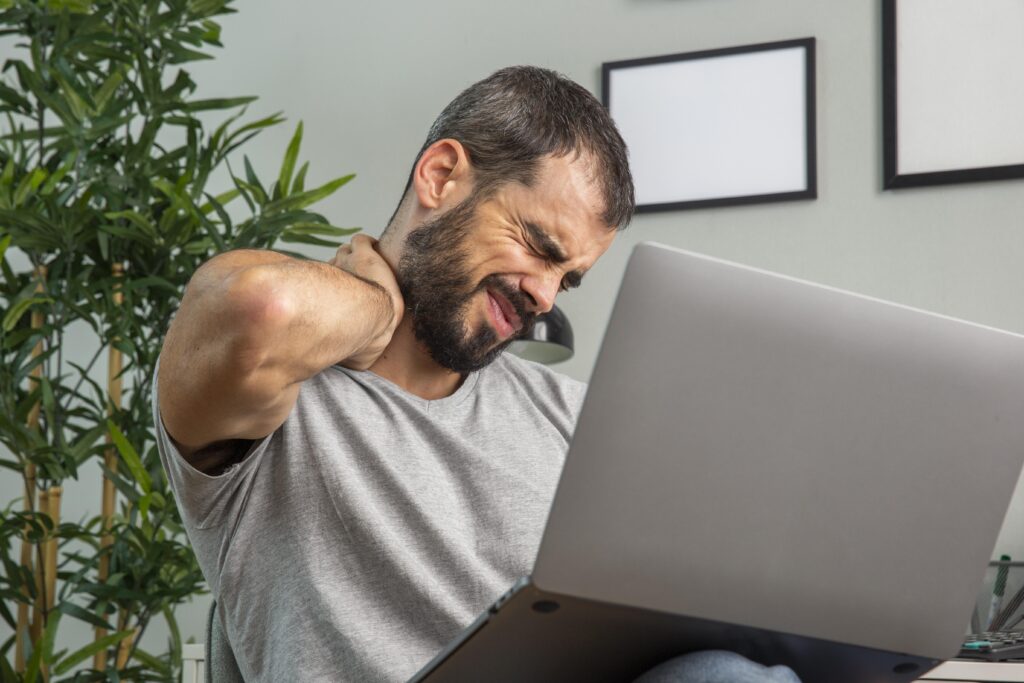

If you’ve ever dealt with back pain resulting from poor posture, you’re certainly not alone. Many of my patients come in with similar complaints, stemming from everyday habits that strain the back. Thankfully, there are several effective solutions that can help relieve this discomfort.
As a local chiropractor, I often recommend a combination of specific exercises and ergonomic adjustments to your workspace. These strategies can significantly improve your posture and, in turn, alleviate pain. However, it’s important to understand that not all methods work the same for everyone.
By exploring your options and learning about the benefits of chiropractic care and natural healing, you can find the right approach tailored to your needs. Together, we can develop a plan that will help restore your posture and enhance your overall well-being.
Understanding the Impact of Poor Posture
As a local chiropractor, I want to take a moment to talk to you about the effects of poor posture on your back health. Many of you may not realize that when you slouch or hunch over your devices, it can significantly impact your spine and overall well-being.
Those comfortable positions you find yourself in may seem harmless now, but over time, they can lead to muscle imbalances and strain on your body. Your spine is naturally designed with curves to support your movements and activities. However, when you force it into awkward angles by leaning forward or sitting improperly, it can lead to discomfort and tension in your neck and shoulders as they bear the extra weight.
This can create a cycle of pain that affects not just your back but your entire body. Additionally, poor posture can hinder your ability to breathe deeply and engage your core, which may leave you feeling fatigued and less productive throughout your day. Ignoring these habits can lead to chronic pain and long-term health issues that can be avoided with simple changes.
Recognizing the impact of poor posture is the first crucial step in taking care of your back health. I encourage you to make small adjustments in your daily routine, such as optimizing your workspace and practicing mindful sitting.
These changes can significantly enhance your spinal health and contribute to your overall well-being. Remember, taking care of your posture today can lead to a healthier, pain-free future.
Identifying the Symptoms of Posture-Related Back Pain
As a local chiropractor, I want to help you understand how your back pain might be related to poor posture. Recognizing the symptoms can be crucial in connecting your discomfort to your daily habits. Here are some signs to look out for:
- Localized Pain: If you’re noticing pain that seems to be focused in your lower or upper back, especially after prolonged periods of sitting or standing, this could be a strong indicator of posture issues.
- Muscle Tightness: Do you frequently feel tightness or tension in your neck and shoulders? This discomfort can often stem from poor posture habits, which place undue stress on your muscles.
- Fatigue: Are you feeling more fatigued during your daily activities? Poor posture can lead to muscle strain and fatigue, making everyday tasks feel more exhausting than they should.
- Numbness or Tingling: If you experience numbness or tingling sensations in your arms or legs, this may be a sign of nerve compression due to misalignment. Proper alignment is essential for optimal nerve function.
By recognizing these symptoms, you can take the first steps toward addressing posture-related back pain.
As a chiropractor, I’m here to guide you on your journey to better posture, pain relief, and overall well-being through natural healing methods.
Exercises to Strengthen Your Back and Core
As a local chiropractor, I want to help you understand how strengthening your back and core can significantly improve your posture and alleviate back pain. Many people are unaware that the muscles that support your spine play a crucial role in maintaining a healthy back.
By incorporating specific exercises into your routine, you can build a solid foundation for your spine and overall well-being.
One effective exercise is the plank. This exercise engages your entire core and enhances stability, which is essential for a healthy posture. I recommend starting with three sets of 30 seconds, gradually increasing the duration as you become stronger.
Another beneficial exercise is the bridge, which targets your lower back and glutes. To perform this exercise, lie on your back with your knees bent and lift your hips towards the ceiling. Hold for a few seconds, then lower back down. Aim for three sets of 10-15 repetitions to strengthen those key muscles.
Rows are also an excellent addition to your routine. You can use resistance bands or weights for this exercise. Whether you choose to stand or sit, pull the band or weights towards you while squeezing your shoulder blades together. For optimal results, aim for three sets of 10-12 reps.
Incorporating these exercises can’t only relieve discomfort but also improve your posture, making your daily activities more enjoyable and comfortable.
Stretching Techniques to Improve Flexibility
As a local chiropractor, I want to share some valuable insights on how you can improve your flexibility and alleviate posture-related back pain through effective stretching exercises.
Incorporating a daily stretching routine into your lifestyle is essential for maintaining mobility and reducing muscle tension, which can significantly enhance your overall comfort.
Many people may not realize the profound impact that simple stretching techniques can have on their flexibility and well-being.
By dedicating just a few minutes each day to these exercises, you can experience noticeable improvements in how your body feels and functions.
Let’s delve into some easy-to-follow stretching techniques that can help you on your journey to better flexibility and pain relief.
Effective Stretching Exercises
As a local chiropractor, I want to share with you the importance of incorporating effective stretching exercises into your daily routine.
These exercises can significantly improve your flexibility and help alleviate back pain related to poor posture. Here are four simple stretches that you can easily add to your day:
- Cat-Cow Stretch: Begin on all fours, arch your back as you inhale, and then round it as you exhale. This dynamic movement enhances the flexibility of your spine, promoting better alignment.
- Child’s Pose: Kneel down, sit back on your heels, and extend your arms forward on the floor. This gentle stretch helps to relieve tension in your back and encourages relaxation.
- Seated Forward Bend: Sit with your legs extended in front of you, reach for your toes, and hold that position. This stretch is particularly beneficial for your hamstrings and lower back, helping to release tightness.
- Torso Twist: Sit up straight in a chair, gently twist your torso to one side, and hold. This movement improves your spinal mobility and can help with the overall function of your back.
By regularly practicing these stretches, you can reduce stiffness and enhance your posture.
Remember, maintaining a healthy spine is key to overall wellness, and these simple exercises can be a great addition to your self-care routine.
If you have any questions about how these stretches relate to your chiropractic care, feel free to ask during your next visit!
Daily Stretching Routine
As a local chiropractor, I want to emphasize the vital role stretching plays in alleviating back pain and enhancing your overall flexibility. Establishing a daily stretching routine can be a powerful tool in your journey toward better health.
Begin each day with gentle stretches, such as the cat-cow pose, which helps to warm up your spine and promote mobility. Incorporating side bends can effectively release tension in your back while improving your lateral flexibility. Forward bends are also beneficial, targeting your hamstrings and lower back—key areas that often contribute to discomfort.
I recommend setting aside at least 10 minutes each day for stretching, gradually increasing the intensity as your body becomes more accustomed to the movements. Consistency is crucial, so try to make stretching a part of your daily routine, ideally at the same time each day.
Always listen to your body; if you experience any discomfort or pain during a stretch, don’t hesitate to adjust your technique or skip that particular movement. With dedication to this practice, you can expect to see improved flexibility, reduced back pain, and an overall enhancement in your posture—allowing you to feel your best throughout the day.
Ergonomic Adjustments for Your Workspace
As a local chiropractor dedicated to helping you achieve better health and well-being, I want to share some important tips on how to address posture-related back pain through ergonomic adjustments in your workspace.
It’s essential to create an environment that supports your body’s natural alignment.
Start by adjusting the height of your chair so that your feet rest flat on the floor, helping to distribute your weight evenly.
Your computer monitor should be positioned at eye level to avoid straining your neck, and your keyboard and mouse should be within easy reach to prevent unnecessary stretching.
Implementing these simple changes can significantly improve your comfort and promote healthier posture throughout your workday.
Chair Height Adjustment
As a local chiropractor, I want to share with you the importance of adjusting your chair height to help alleviate any posture-related back pain you may be experiencing while working.
Many people aren’t aware that the way they sit can significantly impact their spinal health. Here are some simple guidelines to help you find the right chair height for optimal posture:
- Feet Flat: Ensure that your feet rest comfortably on the ground. This helps prevent unnecessary strain on your legs and supports better circulation.
- Knees at 90 Degrees: Aim for your knees to form a right angle. This position reduces pressure on your lower back, which is crucial for maintaining spinal health.
- Hips Level: Your hips should be positioned slightly higher than your knees. This alignment is essential for keeping your spine in a neutral position, which can prevent discomfort over time.
- Elbow Position: When you’re typing, your elbows should also be at a 90-degree angle. This posture helps prevent shoulder strain and promotes a more relaxed upper body.
By making these adjustments, you can create a more comfortable workspace that supports your overall well-being.
Monitor Positioning Tips
As a chiropractor, I often see patients who experience discomfort due to poor workspace ergonomics. One crucial aspect of creating a healthy work environment is the proper positioning of your monitor. Start by placing your monitor at about an arm’s length away; this distance helps prevent unnecessary strain on your eyes and neck.
It’s important that the monitor is at eye level, so you can maintain a neutral posture without leaning forward or craning your neck. If possible, consider using an adjustable stand to achieve the ideal height. The top of the screen should align with or sit just below your eye line, allowing you to look slightly downward at the monitor, which is more natural for your neck.
Additionally, tilting the monitor back slightly can significantly reduce glare and enhance visibility, making it easier for you to focus on your work.
By making these simple adjustments, you’re not just improving your workspace aesthetics; you’re taking proactive steps to prevent posture-related issues that can lead to back pain and discomfort.
Keyboard and Mouse Placement
As a local chiropractor, I want to emphasize that while you might think about how to position your monitor, the placement of your keyboard and mouse is just as crucial for maintaining proper ergonomic health in your workspace.
A well-thought-out setup can significantly reduce the risk of strain and discomfort, which is essential for your overall well-being. Here are four key adjustments to consider for a more ergonomic workspace:
- Position your keyboard: It’s important to keep your keyboard at elbow height. This allows your arms to rest comfortably at your sides, reducing tension in your shoulders and neck.
- Angle your keyboard: Tilting your keyboard slightly backward can help promote a neutral wrist position. This simple adjustment can prevent unnecessary strain on your wrists over time.
- Place your mouse nearby: Be sure to position your mouse close to your keyboard. This way, you can easily switch between the two without having to stretch, which can lead to discomfort and potential injury.
- Use a wrist rest: Incorporating a wrist rest can provide much-needed support and help keep your wrists in a neutral position. This can significantly reduce the strain on your muscles and joints.
By making these adjustments, you can enhance your comfort and productivity while reducing the likelihood of musculoskeletal issues.
As a chiropractor, I encourage you to pay attention to your workspace setup as part of your journey toward better health and natural healing.
The Role of Supportive Footwear
As a local chiropractor, I often emphasize the significant impact that your footwear can have on your posture and back pain. Many people may not realize that the shoes they choose to wear play a crucial role in their overall alignment and comfort. Supportive footwear is essential because it provides the necessary arch support and cushioning that help maintain proper posture.
When you wear shoes that lack support, it can lead to improper alignment, making you lean forward or backward, which can strain your back over time. I encourage you to select shoes that fit well and include features like shock absorption and a firm heel.
It’s important to avoid high heels and overly flat shoes, as these can disrupt your natural balance and lead to discomfort. If you find yourself on your feet for extended periods, consider using orthotic inserts for additional support.
By making informed choices about your footwear, you can significantly reduce the pressure on your spine and improve your posture, which may help alleviate back pain. Remember, investing in supportive shoes is a vital step toward achieving a healthier back and enhancing your overall well-being.
If you have any questions about how your footwear may relate to your chiropractic care, feel free to reach out!
Mindfulness and Posture Awareness
As a local chiropractor, I often see patients seeking relief from back pain, and while physical adjustments are important, I want to emphasize the power of mindfulness and posture awareness in your healing journey.
By paying attention to how you carry your body throughout the day, you can significantly alleviate discomfort. Here are some practical steps to help you cultivate mindfulness and enhance your posture awareness:
- Regular Check-Ins: I recommend setting reminders on your phone or using sticky notes around your workspace to pause and evaluate your posture at different intervals throughout the day. This simple practice can help you identify and correct poor alignment before it leads to pain.
- Deep Breathing Techniques: Deep breathing isn’t just for relaxation; it also helps to release tension stored in your muscles. Take a moment to breathe deeply into your abdomen, allowing your body to relax. This can make a big difference in how you hold yourself and how your body feels.
- Visualize Your Alignment: Picture a string gently pulling you upward from the top of your head. This visualization can help you maintain a straight spine and align your body properly, reducing the strain on your muscles and joints.
- Gentle Movement: Engaging in gentle movements, such as stretching or yoga, can enhance your flexibility and body awareness. Incorporating these practices into your daily routine can prevent stiffness and improve your overall posture.
By integrating these mindful practices into your life, you can complement the benefits of chiropractic care and support your body’s natural healing process.
Together, we can work towards a pain-free and balanced lifestyle.
Seeking Professional Help: When to Consult a Specialist
As a local chiropractor, I want to share some insights about managing back pain and when it’s time to seek professional help. While mindfulness and posture awareness are excellent first steps in addressing discomfort, there are times when self-care techniques may not be enough.
If you find that your pain continues despite your best efforts, it may be time to consult a specialist like myself.
Be on the lookout for symptoms such as persistent discomfort, pain that radiates down your legs, or challenges with everyday activities. These signs can indicate underlying issues that deserve a thorough evaluation.
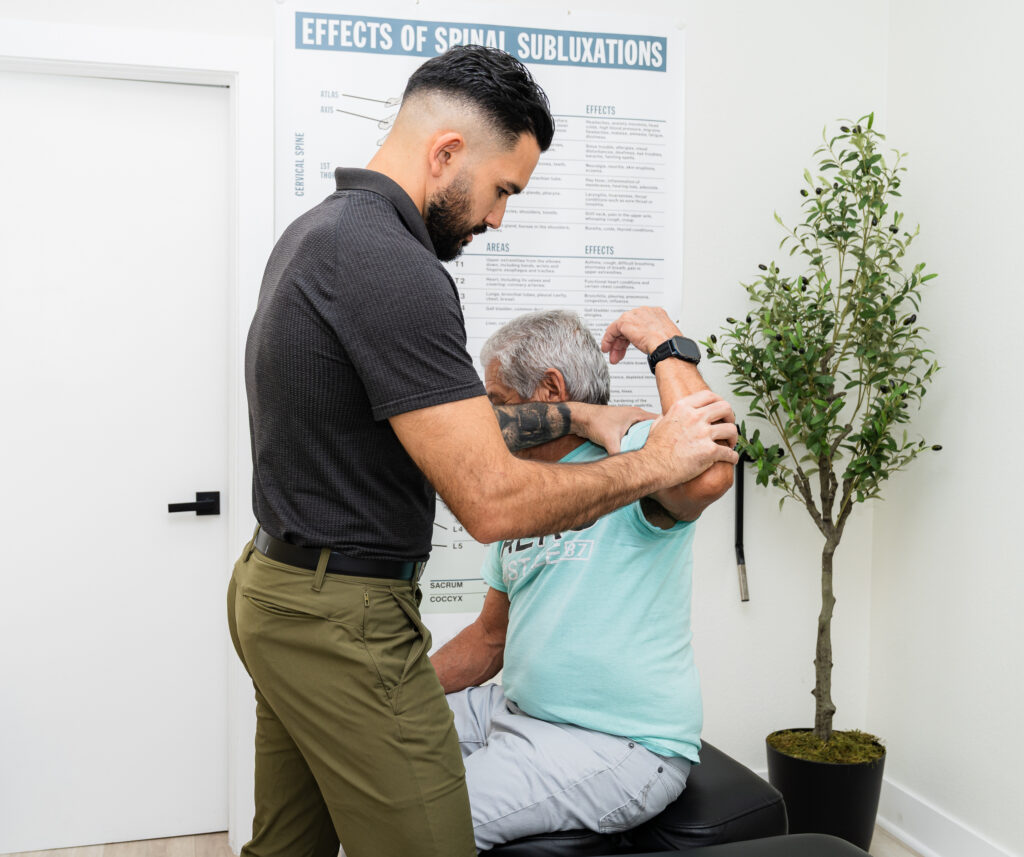
In my practice, I focus on helping patients strengthen their muscles and improve their posture through customized chiropractic adjustments and exercises. These adjustments can alleviate misalignments in your spine, which often contribute to pain and discomfort.
If there’s a more serious condition at play, I can work closely with your physician to guide you through necessary imaging tests and treatment options.
Don’t hesitate to reach out for help; early intervention is key to preventing further complications. Taking that step towards professional chiropractic care is essential for achieving long-term relief and recovery.
Your back deserves the right attention and care, and I’m here to help you get back to living pain-free.
Conclusion
As a local chiropractor, I want to share some effective solutions that can help improve your posture and relieve back pain. By focusing on strengthening your core muscles, increasing your flexibility, and making ergonomic adjustments in your daily environment, you can greatly enhance your spinal health.
It’s also important to consider the role of supportive footwear; the right shoes can make a significant difference in how your body aligns throughout the day. Additionally, I encourage you to remain mindful of your posture whether you’re sitting, standing, or moving.
If you’ve been experiencing persistent pain, I recommend seeking professional guidance. Chiropractic care can provide natural and effective relief for long-term well-being. Take proactive steps towards better back health today, and enjoy the benefits of a more comfortable, pain-free life!