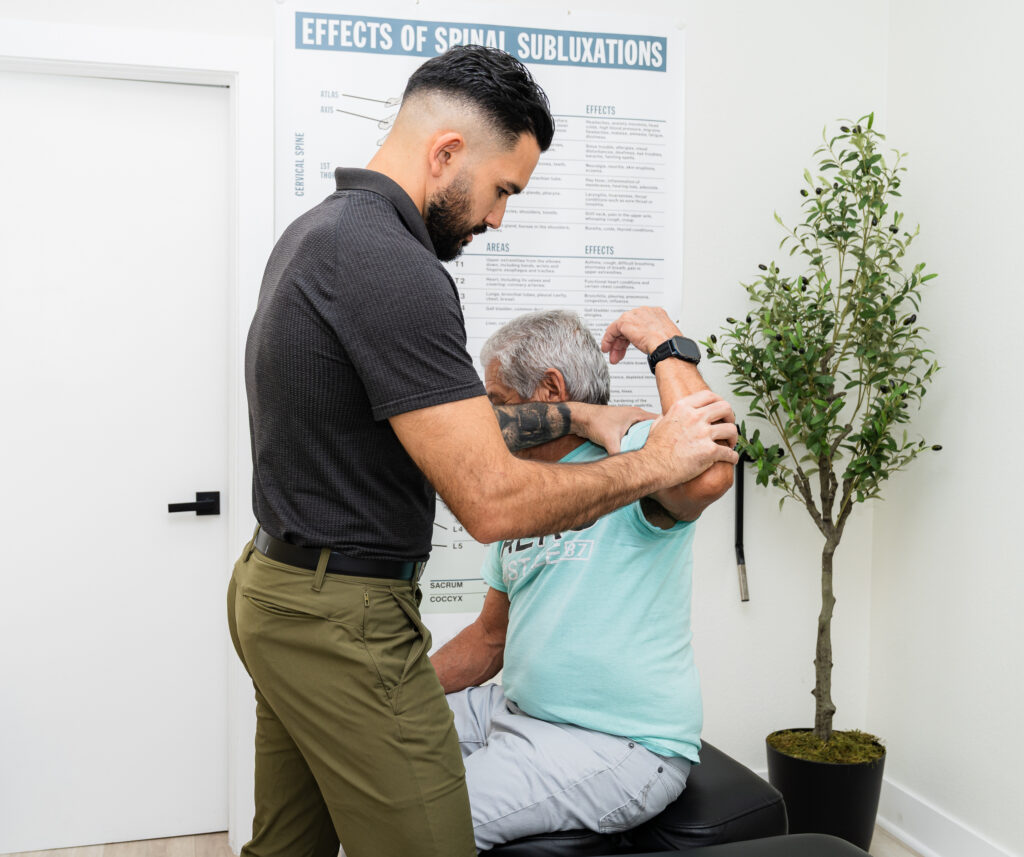

As a local chiropractor, I understand that many of you may be dealing with back pain, and I want you to know that you’re not alone in this struggle. Many individuals search for relief through various methods, but not all approaches yield the results they hope for. That’s where chiropractic care comes in, offering natural techniques that can align with your body’s needs.
By exploring options such as targeted stretching, specific exercises, and mindfulness practices, we can uncover a variety of strategies that may help alleviate your discomfort. These methods not only address the symptoms of back pain but also promote overall well-being.
Let’s dive into some of these natural techniques together. I’m here to educate you on how chiropractic care can empower you to regain control over your pain and enhance your quality of life. Through a combination of adjustments and holistic practices, we can work towards a pain-free future.
Understanding the Causes of Back Pain
As a local chiropractor, I want to help you understand the potential causes of your back pain. Many individuals experience discomfort due to factors like poor posture, muscle strain, or injuries.
For instance, sitting for extended periods or improperly lifting heavy objects can lead to significant strain on your back. Additionally, conditions such as herniated discs, arthritis, and sciatica can further complicate matters.
It’s also important to recognize that stress can be a major contributor to back pain. When you’re under stress, your muscles can tighten, leading to tension and discomfort.
If you’ve recently altered your daily routine or engaged in a new physical activity, your back might react negatively due to this sudden increase in strain.
Identifying the specific cause of your back pain is crucial for finding the right relief. I encourage you to pay attention to when your pain occurs and any patterns you notice.
If you’re unsure about the source of your discomfort, consulting with a chiropractic professional like myself can be a valuable step. We can work together to pinpoint the underlying issues and create a personalized treatment plan that focuses on natural healing and restoring balance to your body.
The Role of Stretching and Exercise
As a local chiropractor, I want to help you understand how incorporating stretching and exercise can play a vital role in relieving back pain. Many people are unaware of the benefits these practices offer, so let me explain.
Regular stretching is essential for improving flexibility, which can significantly reduce tension in your back muscles. Simple stretches, such as the cat-cow or child’s pose, can be incredibly effective at easing discomfort. These movements help to increase mobility and promote better alignment of the spine.
In addition to stretching, engaging in exercise is crucial for strengthening the muscles that support your spine. I recommend focusing on low-impact activities like walking, swimming, or cycling. These exercises not only enhance circulation but also promote healing and reduce stiffness, making a substantial difference in your overall well-being.
Consistency is key! Even short daily sessions of stretching and exercise can lead to noticeable improvements in how you feel.
It’s important to listen to your body and avoid pushing through any pain. If you’re unsure where to start or need personalized guidance, I encourage you to schedule a consultation with me. Together, we can create a tailored plan that suits your needs and helps you on your journey to natural healing.
Mindfulness and Meditation Techniques
As a chiropractor, I often see patients who are unaware of the profound benefits that mindfulness and meditation can offer in managing back pain. These practices aren’t just for relaxation; they can play a crucial role in your healing journey. By training your mind to focus and calm down, you can diminish the perception of pain and enhance your overall well-being.
I recommend starting with just a few minutes each day dedicated to these techniques. Find a quiet spot where you feel comfortable and close your eyes. Begin by taking deep breaths—inhale slowly through your nose and exhale gently through your mouth.
It’s natural for your mind to wander; when it does, simply redirect your attention back to your breath. You might find it helpful to visualize a serene setting or repeat a soothing mantra to deepen your relaxation.
With consistent practice, many patients report feeling a greater sense of control over their pain. Mindfulness encourages a shift in how you respond to discomfort, allowing you to approach it with awareness rather than anxiety.
This mental shift can significantly aid in the effective management of your back pain, complementing the chiropractic care I provide. Together, we can work towards a more holistic approach to your health.
Incorporating Yoga for Flexibility and Strength
As a local chiropractor, I often emphasize the importance of incorporating yoga into your daily routine.
This practice can significantly enhance your flexibility and strength, both of which are crucial for alleviating back pain. Through specific yoga poses, you can find relief while also building core strength, which provides vital support for your spine.
By engaging in regular yoga practice, you not only improve your overall well-being but also take proactive steps to support your back health naturally.
It’s a holistic approach that complements chiropractic care and promotes lasting wellness.
Benefits of Yoga
As a local chiropractor, I want to share some insights about the powerful benefits of yoga, especially for those dealing with back pain. While many mightn’t view yoga as a conventional workout, it offers exceptional advantages for flexibility and strength, which can significantly help alleviate discomfort in the back.
Here’s how incorporating yoga into your wellness routine can enhance your overall health:
- Enhanced Flexibility: Engaging in regular yoga practice helps to stretch and elongate your muscles. This not only reduces tension in the back but also promotes improved posture, contributing to better spinal alignment.
- Strength Building: Many yoga poses require you to support your own body weight, which effectively builds core strength. A strong core is essential for maintaining spinal stability and can significantly help in preventing injuries.
- Stress Relief: One of the key components of yoga is its emphasis on mindfulness and breathing techniques. These practices are effective in reducing stress, which is often a contributing factor to back pain. By alleviating stress, you may find additional relief from discomfort.
Incorporating yoga into your routine can work hand-in-hand with chiropractic care, providing a holistic approach to managing and preventing back pain.
Whether you’re new to yoga or looking to deepen your practice, it can be a valuable addition to your journey toward better health.
Key Poses for Relief
As a local chiropractor, I want to share some effective yoga poses that can help relieve back pain while enhancing your flexibility and strength. These poses work harmoniously with chiropractic care to support your overall well-being.
Begin with Child’s Pose. This gentle stretch is excellent for your back and hips, allowing the body to release built-up tension.
Following that, Cat-Cow is a dynamic sequence that promotes spinal flexibility and warms up your back muscles, preparing your body for further movement.
Another key pose is Downward Facing Dog. This position helps elongate your spine and strengthens your arms and legs, contributing to better posture and alignment.
Incorporating Sphinx Pose into your routine can open up your chest while simultaneously strengthening your lower back, which is crucial for maintaining a healthy spine.
Lastly, Bridge Pose is fantastic for stretching your front body while also working to strengthen your back, glutes, and legs.
Building Core Strength
As a local chiropractor, I want to emphasize the importance of building core strength for alleviating back pain and enhancing your overall stability.
A well-developed core is crucial as it provides support to your spine, reducing strain and improving your posture. One effective way to strengthen your core is by incorporating yoga into your daily routine. Yoga not only boosts flexibility but also enhances your overall strength.
Here are three yoga poses I recommend for my patients:
- Plank Pose: This pose engages your entire core, helping to build endurance and stability, which is vital for protecting your spine.
- Bridge Pose: By strengthening your lower back and glutes, this pose also promotes hip flexibility, contributing to better spinal alignment.
- Boat Pose: This pose primarily targets your abdominal muscles, helping to improve your balance and overall core strength, which can aid in reducing back pain.
Integrating these poses into your routine can be a natural and effective way to support your spine and enhance your overall well-being.
The Benefits of Proper Posture
As a local chiropractor, I want to emphasize the importance of maintaining proper posture for your overall health.
When your spine is aligned correctly, it allows your body to function optimally. By standing or sitting with good posture, you not only enhance the performance of your muscles but also alleviate unnecessary strain on your joints.
This simple yet effective adjustment can lead to significant relief from back pain and improve your quality of life.
Embracing proper posture is a step towards natural healing and long-term wellness.
Improved Spinal Alignment
As a local chiropractor, I want to emphasize the importance of proper spinal alignment for your overall health and well-being. Many people may not realize how crucial it’s to keep your spine aligned, but doing so can significantly alleviate back pain and enhance your quality of life.
When your spine is in the right position, it takes the pressure off your muscles and ligaments, allowing you to feel more comfortable throughout your day. Let me share three key benefits of maintaining good posture that can help you understand why this is so vital:
- Reduced Pain: When your spine is aligned properly, it helps to relieve pressure on your spinal discs and nerves. This can lead to a significant reduction in discomfort, making everyday activities much more manageable.
- Increased Energy: An aligned spine means that your body doesn’t have to expend extra energy trying to hold itself up. This can leave you feeling more energized and ready to tackle your daily tasks with enthusiasm.
- Improved Mood: Good posture does more than just support your physical health; it can also enhance your confidence and overall mood. When you feel good about your posture, it can positively affect how you cope with stress and pain.
By understanding these benefits, you can take proactive steps towards better spinal health.
If you have any questions about how chiropractic care can help you achieve and maintain proper alignment, I’m here to guide you on your journey to natural healing and overall wellness.
Enhanced Muscle Function
As a local chiropractor, I want to share with you just how important posture is for your overall health and well-being. When you pay attention to your posture, you’re not only improving the alignment of your spine; you’re also enhancing the way your muscles function.
Good posture is key to allowing your muscles to work efficiently, which can help reduce feelings of fatigue and strain. When you sit or stand with proper alignment, your muscles can engage correctly. This means you’ll experience better strength and endurance in your daily activities.
Proper alignment helps distribute the workload evenly across your muscle groups, preventing some muscles from becoming overworked while others remain underutilized. Consequently, you may find that you can perform your daily tasks with greater ease and without discomfort.
Additionally, maintaining good posture can significantly improve your blood circulation. This enhanced circulation nourishes your muscles and promotes healing, which is vital for overall wellness.
So, by focusing on your posture, you’re not only supporting your spine but also nurturing your entire musculoskeletal system. It’s a simple yet powerful way to take charge of your health and well-being.
If you have any questions about how chiropractic care can help you achieve better posture and muscle function, feel free to ask!
Reduced Strain on Joints
As a local chiropractor, I want to share with you how good posture can significantly benefit your joints and overall well-being. Many of you may not realize the impact that proper alignment has on your body.
Maintaining good posture is essential because it helps distribute your body weight evenly, which can greatly minimize the risk of joint pain and injury. Here are three important benefits of practicing good posture for your joints:
- Decreased Pressure: Keeping your body properly aligned helps to alleviate unnecessary pressure on your knees, hips, and spine. This can lead to less wear and tear over time, reducing the risk of chronic pain and discomfort.
- Improved Circulation: When you maintain good posture, you promote better blood flow throughout your body. Improved circulation is crucial for delivering essential nutrients to your joints and effectively removing waste, helping to maintain their health.
- Enhanced Stability: Good posture not only supports your joints but also strengthens your core. A strong core provides better stability, which decreases the likelihood of sprains and strains during daily activities.
By focusing on your posture, you can take a proactive step towards protecting your joints and enhancing your overall health.
If you have any questions about how chiropractic care can support your journey to better posture, feel free to reach out!
Dietary Changes to Support Spine Health
As your local chiropractor, I want to emphasize the importance of dietary changes in supporting your spine health and alleviating back pain. Many people aren’t aware that what we eat can significantly impact our body’s overall condition, including our spine.
To start, I recommend incorporating foods rich in omega-3 fatty acids into your diet. Options like salmon, walnuts, and flaxseeds are excellent choices, as they can help reduce inflammation throughout your body.
It’s also crucial to load up on fruits and vegetables, which are packed with antioxidants. These nutrients play a vital role in combating oxidative stress, ultimately supporting your overall health and well-being.
Calcium and vitamin D are essential for maintaining strong bones, so make sure you’re getting enough of these nutrients. Dairy products, leafy greens, and fortified foods can be great sources.
Staying hydrated is equally important; aim for at least eight glasses of water a day to keep your spinal discs nourished and functioning well.
It’s also wise to limit processed foods, sugar, and excessive salt in your diet. These can contribute to inflammation and discomfort, which may worsen any existing back pain.
Lastly, consider adding turmeric to your meals. Its active component, curcumin, has well-documented anti-inflammatory properties that can further support your spine health.
Exploring Acupuncture and Acupressure
As a local chiropractor, I want to share some insights on natural healing methods that can be beneficial for relieving back pain, particularly acupuncture and acupressure.
Understanding the fundamentals of these techniques can empower you to choose the best pain relief options for your individual needs.
Both acupuncture and acupressure provide unique approaches to managing discomfort.
Acupuncture involves the insertion of fine needles at specific points on the body to stimulate healing and balance.
On the other hand, acupressure applies pressure to these same points using the fingers, which can also promote relaxation and alleviate pain.
By comparing these two methods, you can better determine which technique might complement your chiropractic care and overall wellness journey.
Embracing these natural healing practices can lead to improved outcomes and a more holistic approach to your health.
Let’s explore how they work and how they might fit into your pain management strategy.
Acupuncture Basics Explained
As a local chiropractor, I often see patients seeking natural methods to alleviate back pain, and two practices that can be incredibly beneficial are acupuncture and acupressure.
These ancient techniques focus on stimulating specific points in the body, promoting healing and balance. Here’s what you should know about these methods:
1. Techniques: Acupuncture involves the careful insertion of thin needles into targeted points on the body, while acupressure uses finger pressure to apply a similar effect without needles.
Both approaches aim to relieve tension and pain.
2. Meridians: These practices are grounded in the concept of energy pathways, known as meridians, that flow through the body.
When there are blockages in these pathways, it can lead to pain and discomfort. By addressing these blockages, acupuncture and acupressure can help restore balance.
3. Session Length: A typical session for either treatment generally lasts between 30 to 60 minutes.
This duration is ideal for effectively addressing your specific problem areas and promoting overall wellness.
If you’re exploring options for managing back pain naturally, I encourage you to consider these techniques as part of a holistic approach to your health.
They may just provide the relief you’ve been searching for.
Benefits of Acupressure
As a local chiropractor, I want to share with you the benefits of acupressure, especially when it comes to managing back pain effectively. Acupressure involves applying pressure to specific points on your body, which can stimulate your natural healing processes and promote relaxation. This method can lead to the release of endorphins—your body’s natural painkillers—helping to reduce discomfort and enhance your overall well-being.
In addition to pain relief, acupressure can significantly improve blood circulation. Better blood flow means that more oxygen and nutrients are delivered to your muscles and tissues, which can alleviate stiffness and tension, making movement easier and more comfortable.
Moreover, many people don’t realize that stress and anxiety can worsen back pain. Incorporating acupressure into your routine can help manage these emotional factors, leading to a more holistic approach to your pain relief.
As you explore options for managing back pain, consider adding acupressure to your self-care toolkit. It can be a powerful complement to chiropractic care and other natural healing methods, helping you achieve a greater sense of relief and balance in your life.
Treatment Process Comparison
While both acupuncture and acupressure are effective methods for alleviating pain and enhancing wellness, they utilize different approaches that may be relevant to your chiropractic care.
Acupuncture involves the insertion of thin needles into specific points on the body, which helps to stimulate energy flow and promote healing. This technique is best performed by a trained practitioner, ensuring that you receive optimal results.
On the other hand, acupressure operates on similar principles but uses finger pressure instead of needles. This makes it a more accessible option for self-treatment, allowing you to apply pressure on key points without needing to visit a practitioner.
Here are some key differences to consider:
- Technique: Acupuncture uses needles to stimulate points, while acupressure utilizes manual pressure.
- Skill Level: Acupuncture generally requires a licensed professional to perform effectively, whereas acupressure can be practiced on your own.
- Sensations: Acupuncture may create a tingling sensation, while acupressure tends to feel more like a firm massage.
Heat and Cold Therapy for Pain Relief
As a local chiropractor, I want to share with you how heat and cold therapy can be invaluable tools in managing back pain. These methods aren’t only effective, but they also align with our natural approach to healing.
When you apply heat to your back—whether it’s through a warm towel or a heating pad—you’re promoting increased blood flow to the affected area. This can help relax tight muscles and reduce stiffness, making it easier for you to move. I recommend using heat for sessions of 15-20 minutes. Just be sure to place a barrier between the heat source and your skin to avoid any burns.
On the flip side, cold therapy serves a different purpose. By numbing the area, it helps reduce inflammation and can provide immediate relief from pain. An ice pack or a bag of frozen peas wrapped in a cloth can work wonders. Again, aim for 15-20 minutes of application, particularly after physical activity or during flare-ups.
Both heat and cold therapy are straightforward yet powerful techniques for managing pain without the need for medication. I encourage you to experiment with each method to discover what works best for you.
Additionally, alternating between heat and cold can enhance your overall comfort and may provide greater relief.
Incorporating these therapies into your routine can complement the chiropractic care you receive, helping you achieve better results and a more holistic approach to your healing journey.
Herbal Remedies and Natural Supplements
As a local chiropractor, I often emphasize the importance of a holistic approach to managing back pain. Beyond traditional chiropractic adjustments, there are natural strategies that can complement your healing journey.
One effective avenue to explore is the use of herbal remedies and natural supplements. These options can support your body’s recovery while minimizing the risk of harsh side effects.
Here are three herbal remedies and supplements that I frequently recommend to my patients:
- Turmeric: This golden spice is celebrated for its powerful anti-inflammatory properties. Incorporating turmeric into your diet can help reduce pain and swelling in your back, making it a wonderful addition to your wellness regimen.
- Ginger: Known for its soothing effects, ginger is another fantastic option. This root can alleviate muscle pain and enhance circulation, which in turn promotes overall recovery and well-being.
- Willow Bark: Often referred to as “nature’s aspirin,” willow bark has been used for centuries to relieve pain and reduce inflammation. It can be a valuable ally in your quest for back pain relief.
However, I always advise my patients to consult with a healthcare provider before introducing any new herbal remedies or supplements into their routine. This ensures that the options you choose are safe and appropriate for your individual health needs.
Seeking Professional Guidance: Chiropractors and Physical Therapists
Are you struggling with back pain and unsure of how to find relief? As a local chiropractor, I want to guide you on your journey to better health through natural healing methods. Chiropractic care can be a transformative approach for managing musculoskeletal issues, and I’m here to help you understand how it works.
At our practice, we prioritize spinal adjustments to alleviate pain and enhance mobility. By restoring your body’s natural alignment, we aim to relieve tension and promote overall wellness. Unlike other forms of treatment, chiropractic care focuses on the root causes of your pain, allowing for a more holistic healing experience.
In addition to spinal adjustments, I often recommend complementary therapies, such as targeted exercises to strengthen and stretch the muscles surrounding your spine. These techniques not only help alleviate current discomfort but also equip you with the tools to prevent future injuries.
When you visit me, I’ll conduct a thorough assessment of your condition and take the time to discuss your lifestyle and specific pain points. Open communication is essential; sharing your experiences and goals allows us to create a personalized treatment plan tailored just for you.
Remember, chiropractic care can work hand-in-hand with other approaches, such as physical therapy, to enhance your recovery. By finding the right support, you can reclaim your daily activities and improve your overall well-being.
Don’t hesitate to reach out and discover the benefits of natural pain relief through chiropractic care. Your journey to a pain-free life starts here!
Conclusion
As your local chiropractor, I want to share with you some effective natural pain relief techniques for managing your back pain. Understanding the root causes of your discomfort is the first step toward finding relief. Embracing regular stretching and exercise is crucial as it can help strengthen your back and improve flexibility.
In addition to physical practices, I encourage you to explore mindfulness techniques that can reduce stress and enhance your overall well-being. It’s also important to pay attention to your posture in daily activities, as maintaining proper alignment can significantly alleviate back pain.
Herbal remedies can be a complementary approach worth considering, as they may offer additional support in managing pain. If you’re unsure where to start or how to create a personalized plan, don’t hesitate to reach out for professional guidance. As a chiropractor, I can help you tailor a treatment plan that aligns with your needs and lifestyle. Together, we can take charge of your health and explore these holistic approaches for effective pain relief.