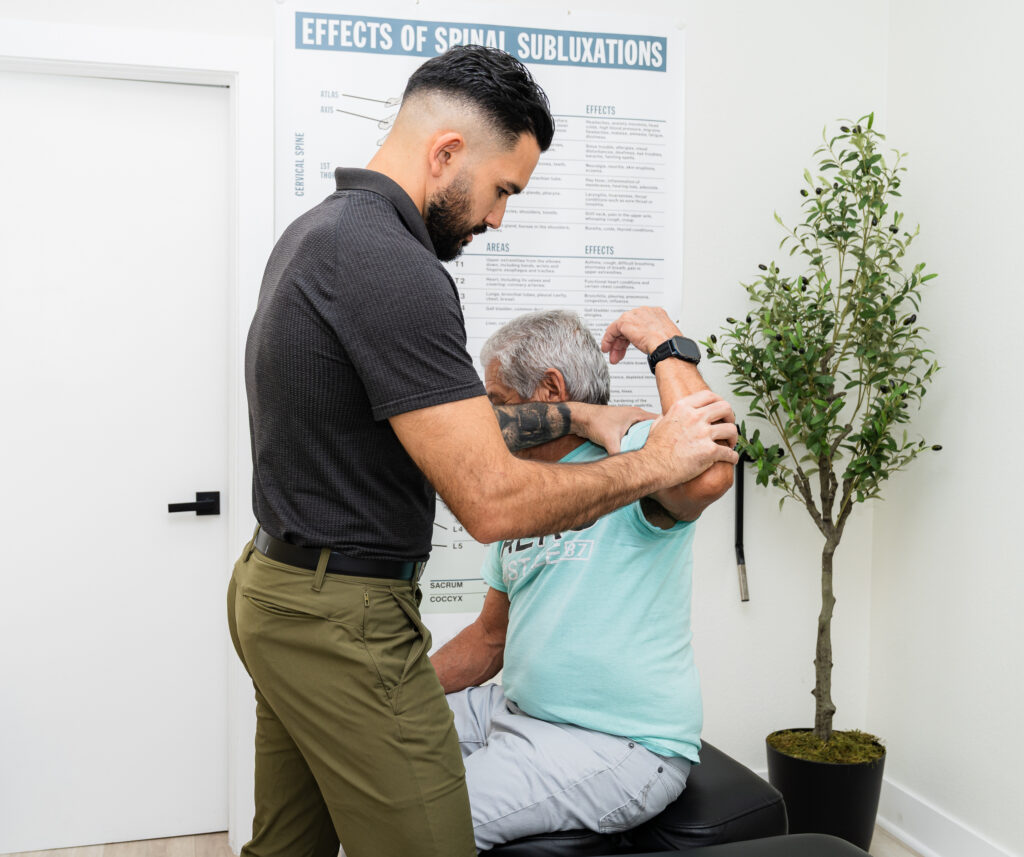

Chronic back pain can be a frustrating and complex issue that impacts many areas of your life. As a local chiropractor, I want to help you understand the different types of pain you may experience and the common triggers that could be contributing to your discomfort. Chiropractic care focuses on the body’s natural ability to heal itself, and by exploring effective relief strategies alongside lifestyle changes, you can take meaningful steps toward managing your pain.
It’s essential to recognize that each individual’s experience with back pain is unique. By working together, we can identify key factors that may be affecting your condition, such as posture, physical activity, and stress levels. Through gentle adjustments and targeted therapies, we aim to restore balance to your body and promote healing.
Are you ready to learn more about how chiropractic care can support your journey toward lasting relief? Let’s explore these options together and empower you to regain control over your health and well-being.
Types of Chronic Back Pain
As a local chiropractor, I want to help you understand the various types of chronic back pain that may be impacting your life. Recognizing these types is crucial in finding the right approach to treatment and promoting natural healing.
One of the most common types of chronic back pain is nociceptive pain. This occurs when there’s damage or injury to the tissues in your body. You might experience this as a dull ache or sharp discomfort, often associated with conditions like herniated discs or arthritis.
Chiropractic care can assist in addressing these issues by realigning the spine and alleviating pressure on affected areas.
Then, there’s neuropathic pain, which is linked to nerve damage. This type of pain can manifest as a burning or tingling sensation and often arises after injuries or conditions like sciatica.
Chiropractic adjustments can help relieve nerve compression, potentially reducing this type of pain and improving your overall comfort.
You may also experience myofascial pain, which originates from tightness in your muscles and fascia. This is often due to overuse or poor posture, leading to muscle knots that can be quite uncomfortable.
Our techniques focus on relieving tension in these areas, helping to restore balance and flexibility to your body.
Lastly, radicular pain is characterized by discomfort that radiates from the spine to other areas, typically following a nerve path.
It’s essential to recognize this type of pain as it can indicate underlying issues that chiropractic care can help address.
By understanding these types of chronic back pain, you can take the first step toward seeking appropriate treatment.
Through chiropractic care and natural healing methods, we can work together to alleviate your pain and improve your quality of life.
Common Triggers and Risk Factors
As a local chiropractor, I want to help you understand the common triggers and risk factors associated with chronic back pain. By being aware of these factors, you can take proactive steps towards improving your health and well-being.
One major trigger we often see in our practice is poor posture, especially when people spend long hours sitting at a desk or looking down at their phones. If you find yourself frequently hunched over, it’s important to recognize that this can lead to significant discomfort over time.
Additionally, heavy lifting without using the proper technique can place immense strain on your back, increasing the risk of injury.
Another factor to consider is your weight. Carrying excess weight puts extra pressure on your spine, which can lead to back pain. A sedentary lifestyle can also contribute to weakness in your core muscles, leaving your back more susceptible to injury.
Stress and anxiety can lead to muscle tension, which can manifest as discomfort or pain in your back.
As we age, the natural degeneration of the spine becomes a reality for many individuals. It’s important to be aware of this as it can affect your overall spinal health.
Furthermore, if you have a family history of back pain, you may be at a higher risk of experiencing similar issues.
By recognizing these risk factors, you can adopt healthier habits and consider natural interventions, such as chiropractic care, to help minimize your chances of developing chronic back pain.
If you have any questions or need guidance, feel free to reach out. Together, we can work towards a healthier, pain-free future!
Physical and Emotional Impact of Back Pain
As a local chiropractor, I want to share how chronic back pain can impact not just your physical health, but also your emotional well-being.
Many patients who come to see me often express feelings of frustration, anxiety, or even depression as they navigate their daily lives with pain. This can create a challenging cycle where physical discomfort leads to emotional distress, which in turn can intensify the pain you experience.
Here are three emotional effects that you may notice:
- Increased Anxiety: The uncertainty surrounding your condition can lead to heightened stress and worry about your future and daily activities.
- Feelings of Isolation: Chronic pain may limit your ability to engage in social interactions, causing you to feel isolated and alone in your struggles.
- Reduced Motivation: When you’re in pain, it can drain your energy and enthusiasm, leading you to withdraw from hobbies and interests that once brought you joy.
It’s essential to recognize these emotional challenges as part of your healing journey.
At our chiropractic practice, we focus on addressing both the physical and emotional aspects of back pain. By doing so, we can help you regain a better quality of life, allowing you to feel more balanced and empowered in your recovery.
Effective Relief Strategies and Treatments
As a local chiropractor, I understand that managing chronic back pain can be a daunting experience. However, there are several effective relief strategies and treatments available that can help you regain control of your life. One of the most beneficial approaches is chiropractic care itself, which focuses on aligning the spine and improving overall body function. By receiving regular adjustments, you can strengthen your back and enhance your flexibility.
In addition to chiropractic adjustments, over-the-counter pain relievers like ibuprofen or acetaminophen can provide temporary relief from discomfort. If your pain continues, I can work closely with your physician to explore additional options, including prescription medications or topical treatments tailored to your specific needs.
Incorporating mind-body techniques, such as yoga or meditation, can be incredibly beneficial as well. These practices help reduce stress and tension, which often contribute to back pain. Additionally, I recommend using heat or cold therapy; applying a heating pad or ice pack can give you immediate relief between visits.
I also encourage you to consider alternative therapies such as acupuncture or massage therapy, which can complement chiropractic care and provide further relief.
Lifestyle Changes for Long-Term Management
As your local chiropractor, I want to emphasize that finding effective relief from chronic back pain is just the beginning. To truly manage your condition over the long term, it’s essential to adopt certain lifestyle changes that can significantly enhance your overall well-being and help minimize pain flare-ups.
Here are three important adjustments you can make:
- Stay Active: Engaging in regular low-impact exercises, such as walking or swimming, is crucial. These activities not only strengthen your back muscles but also improve your flexibility, which can be incredibly beneficial for your spine.
- Maintain a Healthy Weight: Keeping your weight within a healthy range is vital. Extra weight can place unnecessary stress on your spine, leading to increased pain. By managing your weight, you can alleviate some of that pressure.
- Practice Good Posture: Being mindful of your posture is key to preventing further strain on your back. Whether you’re sitting, standing, or lifting, maintaining proper alignment can make a big difference in your comfort levels and overall spinal health.
By incorporating these lifestyle changes, you can take proactive steps towards better back health and enhance the benefits of your chiropractic care.
Conclusion
As a local chiropractor, I want to emphasize the importance of understanding chronic back pain for effective relief. Many of my patients are often unaware of the various types of back pain and what triggers them. By learning about these factors, you can take proactive steps to manage your discomfort and improve your quality of life.
Incorporating chiropractic care into your treatment plan can be a game-changer. It’s not just about relieving pain; it’s about addressing the root cause and promoting natural healing. Alongside chiropractic adjustments, embracing lifestyle changes—such as regular exercise and proper posture—can significantly enhance your recovery process.
It’s also crucial to consider both the physical and emotional aspects of pain. Chronic pain can take a toll on your mental well-being, so prioritizing self-care and staying active is vital. Remember, you are not alone on this journey; seek support from friends, family, or professionals when needed. Together, we can work toward your relief and help you regain control over your life.