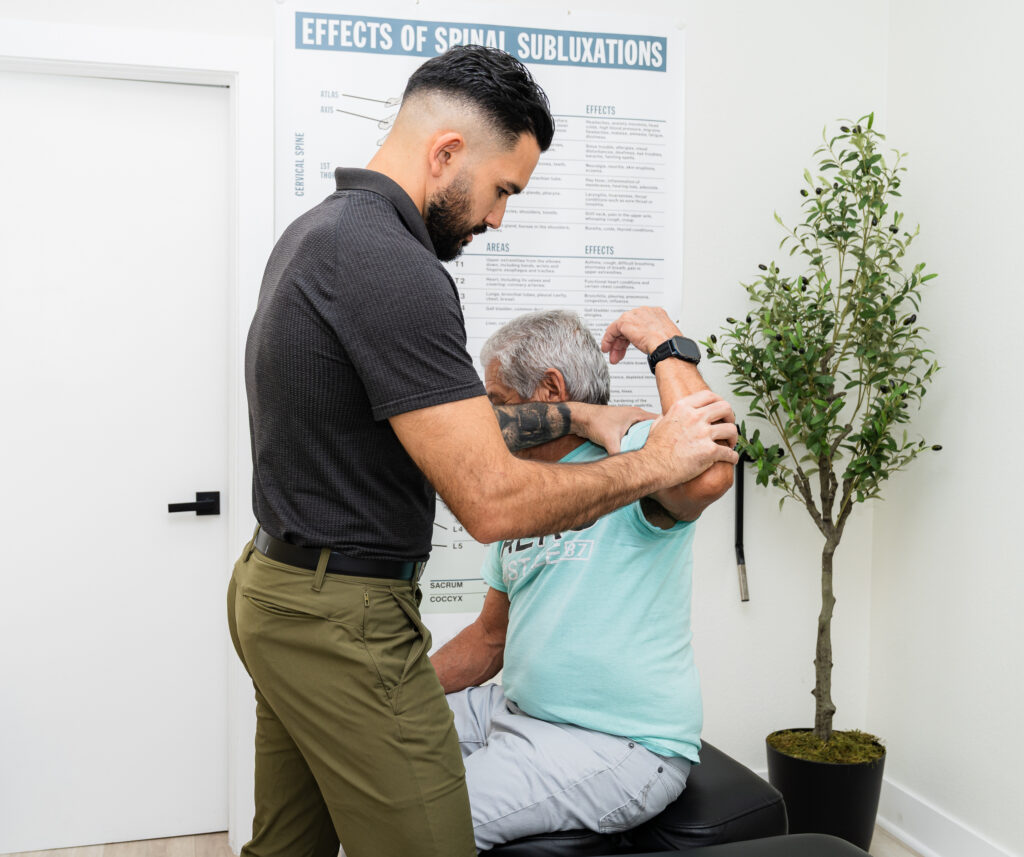

If you’ve ever struggled with stiffness discomfort, you understand how it can hinder your daily activities. As a chiropractor, I want to emphasize that understanding the root causes of this stiffness is crucial for finding effective relief. Staying active and engaging in specific exercises can greatly enhance your mobility, and this is where chiropractic care plays a vital role.
Chiropractic adjustments can help realign your spine and improve your overall function, providing a natural pathway to alleviate stiffness and discomfort. Beyond adjustments, there are several other strategies you can incorporate into your routine to support your journey to relief.
- Stay Active: Regular movement is key. Simple activities like walking, stretching, or yoga can help keep your joints flexible and muscles strong.
- Exercise Specific Muscles: Focus on exercises that target the areas where you feel stiffness. Strengthening these muscles can lead to better support for your joints.
- Nutrition Matters: A balanced diet rich in anti-inflammatory foods, like fruits, vegetables, and omega-3 fatty acids, can aid in reducing stiffness. Staying hydrated is equally important.
- Therapeutic Techniques: Consider incorporating massage therapy or heat/cold therapies into your routine. These can complement your chiropractic care and help soothe sore muscles.
- Posture Awareness: Pay attention to your posture during daily activities. Good posture can prevent additional strain on your spine and reduce stiffness.
Chiropractic care not only addresses the symptoms but also targets the underlying issues that contribute to stiffness discomfort. By prioritizing your spinal health and following these tips, you can regain your mobility and enhance your overall well-being. Remember, natural healing through chiropractic is a powerful choice for achieving optimal health and comfort.
Understanding the Causes of Stiffness Discomfort
Stiffness discomfort can be a common issue that many people face, but understanding its causes is the first step toward effective management. As a chiropractor, I want to share some insights into the factors that contribute to stiffness and how chiropractic care can help you find relief.
One of the primary causes of stiffness is aging. As we get older, our joints naturally lose flexibility, which can lead to discomfort. Prolonged inactivity is another contributor; when we don’t move our bodies regularly, our muscles can tighten up, making it feel harder to move freely.
You may also experience stiffness after an intense workout or due to injuries that cause inflammation. Certain conditions, like arthritis or fibromyalgia, can lead to chronic stiffness as well. Additionally, stress and poor posture can create tension in your muscles, worsening discomfort.
The good news is that chiropractic care is an excellent way to address stiffness and improve your overall wellness. By focusing on spinal alignment and joint mobility, chiropractic adjustments can help restore function to your body, alleviate pain, and enhance flexibility.
Here are some general tips to help manage stiffness on your own:
- Stay Active: Regular movement is key. Incorporate gentle exercises like walking, stretching, or yoga into your routine to keep your muscles and joints functioning optimally.
- Practice Good Posture: Be mindful of your posture throughout the day, especially if you spend long hours sitting. Proper alignment can reduce tension and stiffness.
- Manage Stress: Techniques like deep breathing, meditation, or even a relaxing massage can help reduce muscle tension and stiffness related to stress.
- Stay Hydrated: Drinking enough water supports joint lubrication and overall muscle function.
- Consult a Chiropractor: Regular chiropractic visits can help keep your spine aligned, reduce stiffness, and promote a healthier lifestyle.
Importance of Staying Active
Staying active is vital for managing stiffness and discomfort, and it significantly contributes to your overall well-being. Regular movement helps keep your joints flexible and strengthens the muscles that support them. When you engage in physical activity, you enhance blood circulation, which can help reduce inflammation and promote healing naturally. Even simple activities like walking or gardening can have a substantial positive impact.
You don’t need to commit to intense workouts; incorporating light exercises into your daily life can be just as beneficial. Aim for consistency and pay attention to your body—if something doesn’t feel right, adjust your activity level accordingly. Finding enjoyable activities is key to staying motivated. Whether it’s dancing, swimming, or cycling, the goal is to keep moving.
As a chiropractor, I want to emphasize that chiropractic care is a fantastic way to support your active lifestyle. Regular chiropractic adjustments can help ensure your spine is aligned, which optimizes your nervous system function and can lead to improved mobility and reduced pain. Remember, your body is designed to move, and chiropractic care can help you move better.
Here are a few tips to help you stay active and healthy:
- Start Small: If you’re not used to exercising, begin with short walks or gentle stretches, gradually increasing your activity level.
- Stay Consistent: Aim for regular physical activity throughout the week—consistency is key.
- Listen to Your Body: If you experience discomfort, don’t push through it. Instead, consult with your chiropractor to identify the best approach for your situation.
- Choose Activities You Enjoy: This will help you stay motivated and make staying active feel less like a chore.
- Incorporate Movement into Your Day: Simple changes, like taking the stairs or doing some light gardening, can keep you active without needing a formal workout.
Stretching Techniques for Relief
To alleviate stiffness and discomfort, effective stretching techniques can play a pivotal role in enhancing your overall wellness. As a local chiropractor, I encourage you to incorporate these stretches into your daily routine for natural relief and improved mobility.
Start with gentle neck tilts. Slowly tilt your head from side to side, holding each position for a few seconds. This simple movement can help release tension in your neck and promote spinal health.
Next, practice shoulder rolls: lift your shoulders towards your ears, then roll them back and down. This not only eases upper body tension but also supports a healthier posture.
For your back, I recommend the cat-cow stretch. Begin on all fours, arch your back while inhaling deeply, and then round it while exhaling. This dynamic stretch is excellent for maintaining spinal flexibility and alignment.
Don’t forget your legs! Seated hamstring stretches can significantly improve flexibility and relieve tightness that may contribute to discomfort.
Aim to hold each stretch for at least 15 to 30 seconds, and focus on your breath throughout the process. Deep breathing not only enhances the effectiveness of your stretches but also promotes relaxation and mindfulness.
By integrating these techniques into your routine regularly, you’ll not only find relief from stiffness but also enhance your mobility.
Chiropractic care is an excellent complement to your stretching routine, as it focuses on optimizing spinal health and overall wellness.
Strengthening Exercises to Support Mobility
To enhance your mobility naturally, incorporating strengthening exercises into your routine is essential. As a chiropractor, I believe that focusing on your body’s strength and flexibility can significantly improve your daily movements and overall well-being.
Resistance band workouts and bodyweight strength training are excellent options that not only support your muscles but also promote spinal health. By engaging in these exercises, you can build a solid foundation that helps alleviate discomfort and prevent future injuries.
Strengthening the muscles surrounding your spine can provide better support and stability, allowing for improved mobility. Moreover, these exercises can be easily modified to fit your fitness level and can be done right at home.
Here are some simple tips to get you started:
- Start Slow: If you’re new to exercise, begin with basic movements. Focus on your form to ensure you’re not straining your body.
- Consistency is Key: Aim to incorporate strengthening exercises into your routine a few times a week. Regular practice helps build strength effectively.
- Listen to Your Body: Pay attention to how your body feels during and after exercises. If something doesn’t feel right, don’t push through the pain—adjust or modify the activity.
- Focus on Core Strength: Your core muscles play a crucial role in supporting your spine. Include exercises that target these muscles, such as planks or bridges.
- Incorporate Stretching: After your strengthening routine, take some time to stretch. This will help improve flexibility and maintain mobility.
Remember, chiropractic care is an excellent complement to your strengthening efforts. Regular adjustments can help ensure your spine is aligned, allowing your muscles to function optimally and aiding in your overall mobility.
Embrace these strengthening exercises as part of your journey towards natural health and wellness!
Resistance Band Workouts
While you might think of resistance bands as tools for light workouts, they actually play a crucial role in enhancing your mobility and strength, which are essential for maintaining a healthy spine. By incorporating resistance band exercises into your routine, you not only engage multiple muscle groups, but you also promote better movement patterns that can help prevent injury and reduce pain.
Exercises like banded squats and lateral walks are excellent for building strength and maintaining joint stability, which is vital for spinal health. Resistance bands offer a controlled way to challenge your muscles without putting excessive strain on your body. This is particularly beneficial for those looking to improve their overall mobility and strength without resorting to medications or surgeries.
Using resistance bands is incredibly convenient, whether you’re at home or on the go. They can easily fit into your daily routine, allowing you to stay consistent with your fitness goals. As a chiropractor, I encourage you to embrace these workouts as part of a holistic approach to health.
Over time, you may notice significant improvements in your mobility, which can lead to a better quality of life.
Remember, while resistance bands are a fantastic addition to your exercise regimen, regular chiropractic care is key to achieving and maintaining optimal health. Chiropractic adjustments can enhance your body’s ability to move freely and without pain, complementing the benefits of resistance band workouts.
Bodyweight Strength Training
Strength training using just your body weight can be an effective way to enhance your mobility and overall strength, which is crucial for maintaining a healthy spine and preventing pain. Incorporating exercises like push-ups, squats, and lunges into your routine not only helps build strength in key muscle groups but also promotes joint stability. This stability is essential for a healthy spine and can help alleviate discomfort.
Start with a few sets of each exercise, paying close attention to your form to prevent injury. Proper alignment and technique are vital, as they can help protect your spine and enhance the benefits of your workout. As you gain strength, gradually increase the repetitions to continue challenging your body.
Don’t forget to include core exercises, such as planks or bridges, in your routine. A strong core supports your spine and can lead to better posture and reduced back pain.
Remember, consistency is key! Aim to incorporate bodyweight training into your routine a few times a week to truly experience the benefits.
As a chiropractor, I encourage you to consider how bodyweight strength training, combined with regular chiropractic care, can lead you to optimal health. Chiropractic adjustments can help improve your body’s function and mobility, allowing you to perform these exercises more effectively.
Together, they create a powerful approach to achieving natural wellness and pain relief. Always listen to your body and consult with your chiropractor if you’re unsure about starting a new exercise program or if you’re experiencing any discomfort.
The Role of Nutrition in Joint Health
Nutrition plays a crucial role in keeping your joints healthy, and the right nutrients can significantly reduce inflammation while supporting the repair of cartilage. As a local chiropractor, I believe that alongside regular chiropractic care, a well-balanced diet can enhance your overall wellness and help you achieve optimal joint health.
Here are some key nutrients to consider incorporating into your meals for better joint support:
- Omega-3 Fatty Acids: These healthy fats, found in fish like salmon, are known to help lower inflammation in the body. Including omega-3s in your diet can complement the benefits of chiropractic adjustments by promoting a healthier inflammatory response.
- Antioxidants: Foods rich in vitamins C and E, such as colorful fruits and vegetables, can help combat oxidative stress. By including a variety of these in your diet, you can support your body’s natural healing processes, which align nicely with the goals of chiropractic care.
- Collagen: This important protein is vital for maintaining cartilage health. You can find collagen in bone broth or consider supplements. Supporting your body with collagen can enhance the benefits of chiropractic treatment by promoting joint integrity.
- Vitamin D: Essential for calcium absorption, vitamin D plays a significant role in maintaining strong bones. You can obtain vitamin D from sunlight and fortified foods. Ensuring you have enough vitamin D will support the structural framework of your body, which is essential for effective chiropractic care.
- Turmeric: This spice contains curcumin, which is known for its anti-inflammatory properties. Adding turmeric to your meals can be a simple way to enhance your diet and support your joints alongside regular chiropractic adjustments.
In addition to focusing on these nutrients, remember to stay hydrated, maintain a healthy weight, and engage in regular physical activity.
These practices work hand-in-hand with chiropractic care to promote natural healing and a healthier lifestyle. By prioritizing nutrition and chiropractic adjustments, you can take proactive steps towards achieving optimal health and pain relief.
Heat and Cold Therapy for Immediate Relief
When stiffness strikes, utilizing heat and cold therapy can provide quick relief and is a great complement to chiropractic care.
Heat therapy is fantastic for relaxing tight muscles and boosting blood flow, which can enhance the effectiveness of spinal adjustments. On the other hand, cold therapy is useful for reducing inflammation and numbing pain, making it an excellent choice after a chiropractic adjustment to help soothe any discomfort.
By combining both methods, you can maximize your comfort and support your recovery journey. Here are some simple tips to help you make the most of heat and cold therapy:
- Heat Application: Use a warm towel or heating pad on stiff areas for 15-20 minutes. This can help loosen tight muscles and prepare your body for movement.
- Cold Therapy: Apply an ice pack wrapped in a towel to inflamed or painful areas for 10-15 minutes. This can help reduce swelling and provide immediate pain relief.
- Alternating Methods: Try alternating between heat and cold treatments. Start with heat to relax the muscles, followed by cold to reduce any inflammation. This can be particularly effective after a chiropractic adjustment.
- Listen to Your Body: Pay attention to how your body responds. If one method feels better than the other, feel free to adjust accordingly.
- Stay Active: Incorporate gentle stretches and movements into your routine. This, combined with heat and cold therapy, can enhance your overall mobility and support your chiropractic care.
Remember, while heat and cold therapies are great for immediate relief, regular chiropractic adjustments are key to achieving long-term health and wellness.
They not only address pain but also promote a balanced spine and nervous system, helping you to live your best life!
Benefits of Heat Therapy
Heat therapy can be a wonderful way to find relief from stiffness and discomfort, especially when paired with chiropractic care. By increasing blood flow and relaxing tight muscles, heat therapy can help you feel more comfortable and enhance your overall wellness.
Here are some key benefits you can experience:
- Enhanced circulation: Applying heat helps improve blood flow, which brings essential nutrients to your muscles. This is especially beneficial when you’re recovering from an adjustment or dealing with muscle tension.
- Muscle relaxation: Heat works wonders to ease tension in your muscles. This relaxation can promote better flexibility, making it easier for your body to move freely.
- Pain relief: Heat therapy can help reduce the pain signals that your brain receives, offering you some welcome relief, especially after a chiropractic adjustment.
- Stress reduction: The warmth from heat therapy creates a calming effect, which can help alleviate anxiety and promote a sense of relaxation—important for overall wellness.
- Improved range of motion: When your muscles are relaxed, you’ll find that moving becomes easier and more comfortable, allowing you to engage more fully in daily activities.
Incorporating heat therapy into your routine can be simple and effective. You can use a heating pad, wrap a warm towel around the affected area, or enjoy a warm bath.
Remember, while heat therapy can be beneficial, it works best when combined with regular chiropractic care. Your chiropractor can provide personalized advice on how to integrate heat therapy into your recovery and wellness plan.
If you’re looking for natural ways to enhance your health and manage pain, consider making chiropractic care a central part of your wellness journey. It’s a holistic approach that focuses on your spine and overall health, helping your body function at its best.
Advantages of Cold Therapy
While heat therapy certainly has its perks, many people overlook the powerful benefits of cold therapy when it comes to managing stiffness and discomfort. Cold therapy works by constricting blood vessels, which can help reduce inflammation and numb the area, providing immediate relief from acute pain. This approach is particularly useful after physical activities or injuries, as it targets specific areas to alleviate tension and soreness.
Incorporating cold therapy into your recovery routine can enhance your overall healing process, allowing you to regain mobility more quickly. It’s a simple method that doesn’t require much preparation, making it easy to add to your daily routine. Just grab a cold pack or some ice wrapped in a cloth, apply it to the affected area for about 15-20 minutes, and feel the relief wash over you.
Remember, while cold therapy can be effective, it’s also important to consider the benefits of chiropractic care. A chiropractor can help identify the root cause of your stiffness and discomfort, offering personalized treatment plans that promote natural healing and optimal health.
Combining Heat and Cold
By alternating between heat and cold therapy, you can enhance your healing process and find relief from stiffness and discomfort more effectively. This combination not only improves circulation but also helps reduce inflammation, allowing you to feel better sooner.
Here’s how you can utilize both therapies to support your recovery journey:
- Start with heat: Applying heat to your muscles helps them relax and boosts blood flow, which is essential for healing.
- Follow up with cold: Cold therapy can numb sharp pain and help reduce swelling, bringing immediate relief.
- Switch it up every 15-20 minutes: For optimal benefits, alternate between heat and cold. This can maximize the relief you feel.
- Tune into your body: Pay attention to how you feel. If one method brings more comfort, feel free to stick with it longer.
- Reach out for professional advice: If your stiffness or discomfort lingers, don’t hesitate to consult a chiropractor. They can provide guidance tailored to your specific needs.
Incorporating both heat and cold therapies can be a powerful part of your wellness routine, promoting natural healing and supporting your overall health.
Experiment with these techniques to discover what works best for you, and remember that chiropractic care can play a vital role in achieving and maintaining optimal health.
Exploring Alternative Therapies
If you’re dealing with stiffness and discomfort, consider chiropractic care as a natural and effective solution. Chiropractic adjustments focus on aligning the spine and improving overall body function, which can greatly relieve tension and stiffness. By restoring proper alignment, you can enhance your body’s ability to heal itself and improve mobility.
In addition to chiropractic care, gentle practices like yoga can be beneficial. Yoga incorporates stretching and breathing exercises that not only increase flexibility but also promote relaxation. This can complement your chiropractic adjustments by helping to maintain a balanced and healthy spine.
Massage therapy is another great option that works hand-in-hand with chiropractic care. It targets tight muscles, promotes relaxation, and improves circulation, providing immediate relief from stiffness.
You might also explore natural anti-inflammatory options like turmeric and ginger, which can be easily added to your diet to support your overall wellness.
Mindfulness practices such as meditation and deep breathing can further aid in managing stress and pain perception. These techniques help you stay relaxed and focused, contributing to your overall well-being and enhancing the effects of chiropractic care.
Remember, by integrating chiropractic adjustments with these supportive practices, you can create a comprehensive approach to combat stiffness and improve your quality of life.
Always consult with your chiropractor to determine the best plan tailored to your needs, ensuring a path toward optimal health and wellness.
Developing a Personalized Care Plan
Creating a personalized care plan is crucial for managing stiffness and discomfort effectively, and chiropractic care can play a vital role in your journey to wellness. By tailoring your approach, you can address your unique needs and preferences. Here are some key components to consider when developing your plan:
- Identify Triggers: Keep a simple diary to track activities or environments that make your stiffness worse. Knowing your triggers can help you avoid them or prepare for them.
- Set Goals: Establish realistic short-term and long-term goals for your health. This will help you stay motivated and monitor your progress over time.
- Incorporate Chiropractic Care: Regular visits to a chiropractor can help address misalignments in your spine that may be contributing to your stiffness. Your chiropractor can provide gentle adjustments and recommend specific exercises that enhance flexibility and strength.
- Focus on Nutrition: Eating an anti-inflammatory diet can greatly impact your overall health. Incorporate foods rich in omega-3 fatty acids, like fish, and antioxidants, found in fruits and vegetables, to support your body’s healing process.
- Schedule Regular Check-ins: Regularly review your care plan with your chiropractor. They can help you make necessary adjustments to improve your results and keep you on track.
By focusing on these components and prioritizing chiropractic care, you can create a holistic approach to managing your stiffness and discomfort naturally.
Conclusion
Incorporating these reliable strategies into your daily routine can significantly help ease stiffness discomfort. Staying active is essential; gentle movements and regular physical activity keep your joints flexible and strong. Alongside this, practicing stretching and strengthening exercises can enhance your range of motion and support your overall joint health.
Nutrition plays a vital role too—focusing on a balanced diet rich in anti-inflammatory foods will nourish your body and joints. Don’t overlook the soothing effects of heat and cold therapy; they can provide immediate relief to achy areas and promote healing.
As a chiropractor, I highly recommend considering chiropractic care as a natural and effective way to address stiffness. Regular adjustments can improve spinal alignment, which may help alleviate pressure on your joints and reduce discomfort.
Additionally, explore other natural healing options that resonate with you, such as massage therapy or acupuncture, as they can complement your chiropractic care.
Remember, creating a personalized care plan with your chiropractor is crucial for achieving long-term relief and enhancing your overall wellness. Start integrating these tips today and take steps toward a more comfortable and healthier tomorrow!