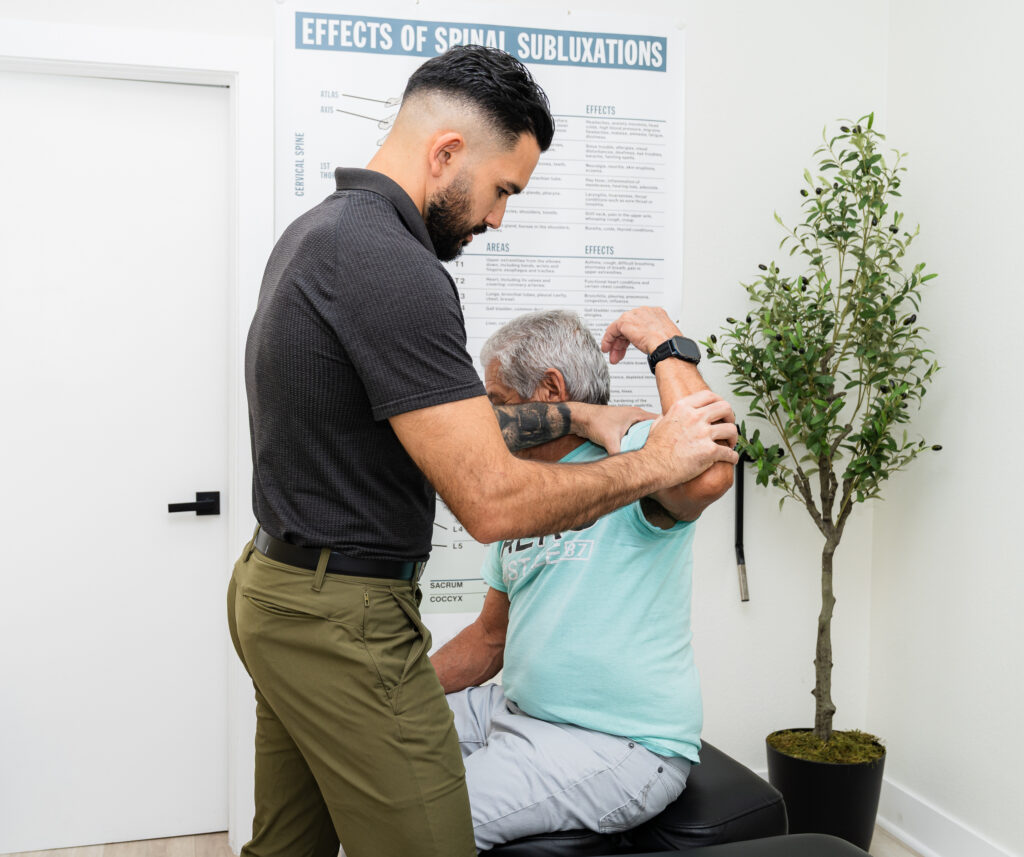

As a local chiropractor, I want to emphasize just how crucial good posture is for your overall health and well-being. Many people don't realize that poor alignment can lead to discomfort and even chronic pain, which can significantly impact your quality of life. The good news is that through natural care solutions—such as targeted exercises, mindful movement practices, and simple lifestyle adjustments—you can effectively transform your posture.
Understanding the connection between these solutions and your body is vital. It's fascinating how a few small changes can lead to a noticeable improvement in how you feel. For example, incorporating specific exercises tailored to your needs can strengthen the muscles that support your spine, while being mindful of your posture throughout the day can help you maintain alignment.
Let's explore together some strategies that can help you achieve better posture and, in turn, enhance your overall well-being. I'm here to guide you on this journey to a healthier, more aligned you!
Understanding Posture and Its Importance
As your local chiropractor, I want to emphasize the significant role posture plays in your overall health and well-being. Posture isn't merely about how you sit or stand; it directly impacts your body's alignment, muscle function, and even your mood. Maintaining good posture allows your bones, joints, and muscles to work together more effectively, which means less strain on your body and a lower risk of injuries in the long run.
Consider how you carry yourself throughout the day. When you sit up straight, your spine receives the support it needs, and your organs can function optimally. Good posture promotes proper breathing, enabling your lungs to expand fully. With improved oxygen flow, you may notice an increase in your energy levels and greater focus throughout your day.
Moreover, your posture can influence your mental state. Standing tall not only enhances your confidence but also helps you feel more assertive. If you've experienced moments of fatigue or sadness when slouching, know that you're not alone. Your body language speaks volumes about how you feel, and maintaining an open, upright posture can positively affect your interactions with others.
I encourage you to incorporate a greater awareness of your posture into your daily life. Regularly check in with yourself during various activities—whether you're working at a desk, driving, or exercising. Small adjustments can lead to lasting changes, helping you stand taller, feel stronger, and improve your overall quality of life.
Common Causes of Poor Posture
As your local chiropractor, I want to shed light on how your everyday habits can significantly impact your posture.
Many people are unaware that leading a sedentary lifestyle, having improper ergonomics at your workplace, and experiencing muscle weakness can lead to slouching and discomfort.
By identifying these common culprits, we can take the first crucial steps toward improving your posture and overall well-being.
Understanding these factors is essential in your journey to better health, and I'm here to guide you through the process of natural healing and chiropractic care.
Sedentary Lifestyle Effects
As a local chiropractor, I want to shed light on an issue that many people overlook: the impact of a sedentary lifestyle on your posture. You may not be aware, but spending extended periods sitting—whether at work, on your couch, or while driving—can significantly weaken and tighten your muscles. This leads to imbalances that negatively affect your alignment.
You might catch yourself hunched over your computer or slouched on the sofa, and before you know it, these postural habits can become automatic. When you remain inactive for long stretches, your chest muscles can tighten while the muscles in your back weaken, making it increasingly difficult to maintain a proper upright position.
You might begin to notice your shoulders rolling forward and your head jutting out, which can result in discomfort and even chronic pain over time. Additionally, with limited movement, your core muscles often disengage, leaving your spine without the support it needs, further worsening your posture.
It's important to understand that even taking short breaks to stand or stretch throughout your day can have a positive effect. By incorporating movement into your daily routine, you can counteract the detrimental effects of prolonged sitting, ultimately enhancing your posture and overall well-being.
As your chiropractor, I encourage you to prioritize these small adjustments for lasting improvements in your health.
Improper Ergonomics at Work
As a local chiropractor, I want to emphasize the importance of a well-designed workspace for maintaining good posture and overall spinal health. Many individuals may not realize that improper ergonomics can lead to discomfort and misalignment, which can affect your daily life. Small adjustments to your workspace can significantly improve your body's alignment while you work.
For example, it's crucial that your chair height allows your feet to rest flat on the floor. This simple adjustment helps support your lower back and promotes better posture. If your desk is positioned too high or low, you may find yourself slouching or leaning forward, which can strain your neck and spine over time.
Your computer monitor should be at eye level to avoid craning your neck. This alignment is vital for reducing tension in your neck and shoulders. Additionally, keep your keyboard and mouse close enough that you don't have to reach excessively, as this can lead to shoulder and wrist strain, which we commonly see in our practice.
Consider the placement of other essentials in your workspace too. Frequently used items should be within arm's reach to prevent awkward stretching that can lead to discomfort. If you notice yourself hunching over paperwork or leaning into your work, it's a clear indication that your setup needs adjustment.
By being mindful of your workspace ergonomics, you can create a more comfortable environment that not only promotes better posture but also reduces the risk of discomfort and potential injuries.
Muscle Weakness and Imbalance
As your local chiropractor, I want to help you understand how muscle weakness and imbalances can play a significant role in your posture and overall health. Many individuals may not realize that when certain muscles are weak, others tend to overcompensate, which can lead to misalignment and discomfort in your body.
Let's explore some common causes of these issues that you may want to consider:
- Sedentary Lifestyle: Many of us spend long hours sitting, which can weaken the core and back muscles. This weakening makes it challenging to maintain good posture throughout the day.
- Repetitive Movements: Engaging in the same physical activities repeatedly, without incorporating balanced strength training, can lead to uneven muscle development, creating imbalances that affect your posture.
- Previous Injuries: If you've experienced injuries in the past, they can lead to compensatory behaviors in your body. This means some muscles may weaken while others become overactive, contributing to misalignment.
- Poor Stretching Habits: If you neglect flexibility, certain muscles can become tight, which can further exacerbate imbalances and encourage slouching.
To enhance your posture, it's crucial to focus on strengthening the weaker muscles, especially those in your core and back.
I recommend incorporating specific exercises into your routine, such as planks, rows, and various stretches. Balancing your strength training with flexibility work can help restore harmony among your muscle groups.
Listen to your body's signals and make necessary adjustments to your daily activities. By actively addressing muscle weaknesses and imbalances, you can significantly improve your posture and overall well-being.
If you have any questions or would like to discuss personalized strategies, feel free to reach out. Together, we can work towards achieving a healthier, more aligned body.
Benefits of Natural Care Solutions
As a chiropractor, I often encourage my patients to consider the significant benefits of natural care solutions for improving posture. Many people may not realize how deeply these methods can enhance their overall well-being. By embracing natural approaches, you're not just treating symptoms; you're nurturing your body's health from the inside out. This holistic perspective can lead to improved muscle function, flexibility, and alignment, all of which are crucial for maintaining good posture.
Engaging in practices like yoga or Pilates can greatly benefit your posture. These activities strengthen your core and promote stability in a way that feels natural and sustainable. Unlike quick fixes that may provide only temporary relief, natural care solutions help you build a strong foundation for long-term posture improvement.
Additionally, incorporating mindfulness and body awareness into your daily routine allows you to develop a better understanding of your body and its individual needs.
Another important advantage of natural care solutions is that they typically come without the side effects associated with many pharmaceutical treatments. This means you can minimize the risk of adverse reactions, which can often accompany conventional therapies. Instead, natural methods tend to support and enhance your body's innate healing abilities.
Ultimately, embracing natural care solutions encourages a preventative mindset. By consistently caring for your posture through these methods, you can avoid the chronic pain and discomfort that often stem from neglecting your spine and body alignment.
As your chiropractor, I want to empower you to take control of your health and posture. Making the choice to integrate natural care into your life is a valuable investment in your overall quality of life.
Simple Lifestyle Changes
As a local chiropractor, I want to share how simple adjustments to your daily routine can significantly enhance your posture and overall well-being.
By incorporating daily stretching, creating an ergonomic workspace, and practicing mindful movement, you can experience a greater sense of ease and freedom in your body.
These small lifestyle changes may seem insignificant, but they can profoundly impact how you carry yourself throughout the day.
Regular stretching helps alleviate tension in your muscles and promotes flexibility, while an ergonomic workspace ensures that your body is supported in a way that minimizes strain.
Mindful movement encourages awareness of how you move, allowing you to make conscious adjustments that promote better alignment.
Let's delve into how these modifications can't only improve your posture but also contribute to a healthier, more vibrant life.
Daily Stretching Routines
As a local chiropractor, I want to emphasize the importance of incorporating daily stretching routines into your life to enhance your posture and overall well-being.
Stretching is a simple yet effective way to improve flexibility and relieve muscle tension, which can significantly contribute to better alignment and spinal health.
Here are some easy stretches you can integrate into your daily routine:
- Neck Stretch: Start by gently tilting your head to one side and holding that position for 15 seconds before switching to the other side. This stretch is excellent for relieving neck tension, which is common in today's tech-driven world.
- Shoulder Rolls: To help alleviate tightness in your shoulders, roll them forward and backward in a circular motion for about 30 seconds. This movement can promote better circulation and reduce stress in the upper body.
- Cat-Cow Stretch: While positioned on all fours, alternate between arching your back (like a cat) and lowering your belly (like a cow) for one minute. This dynamic stretch encourages spinal flexibility and can be beneficial for your overall posture.
- Hamstring Stretch: Stand up straight and reach toward your toes while keeping your legs straight. Hold this position for 20 seconds. This stretch targets the hamstrings, which play a crucial role in maintaining proper posture and can help prevent lower back pain.
Incorporating these stretches into your daily routine can help support your chiropractic care and enhance your overall health.
Ergonomic Workspace Setup
As a local chiropractor, I want to emphasize the importance of creating an ergonomic workspace to enhance your comfort and productivity, which can significantly impact your overall well-being.
First and foremost, it's crucial to adjust your chair to ensure that your feet rest flat on the floor and your knees are bent at a right angle. If you're unable to achieve this position naturally, using a footrest can be very beneficial.
Next, let's talk about your desk height. It should be at elbow level, allowing your arms to rest comfortably while you type. This setup minimizes unnecessary strain on your neck and back, which is vital for maintaining spinal health.
Your monitor's position is equally important. Ideally, it should be about an arm's length away, with the top of the screen aligned with or just below your eye level. This positioning helps to reduce neck strain and promotes better posture. If you primarily use a laptop, I recommend investing in a stand to elevate the screen or employing an external keyboard and mouse to maintain proper alignment.
Don't overlook the role of lighting in your workspace. A well-lit area is essential for reducing glare on your screen, which can lead to eye strain and associated discomfort.
Additionally, keeping your workspace organized with effective storage solutions will help you maintain a clutter-free environment, allowing for easier movement and improved focus.
Lastly, I can't stress enough the importance of regular breaks. Standing up, stretching, or taking a brief walk every hour can help keep your body engaged and reduce fatigue.
Implementing these simple ergonomic adjustments not only promotes better posture but also supports your overall health and well-being. By taking care of your workspace, you're taking proactive steps towards a healthier spine and body.
Mindful Movement Practices
As a local chiropractor, I want to emphasize the importance of how you move throughout your day in relation to your overall health and well-being. Many people are unaware of the impact that mindful movement practices can have on their posture and daily comfort.
Here are four simple lifestyle changes I recommend to enhance your physical health:
- Break Up Sitting: Sitting for prolonged periods can lead to discomfort and poor posture. I suggest that you stand or take a short walk for a few minutes every hour. Setting a timer can be a helpful reminder to get moving.
- Stretch It Out: Incorporating gentle stretches throughout your day is essential, especially for areas like your neck, shoulders, and back. Just a few minutes of stretching can significantly relieve tension and improve your mobility.
- Practice Good Alignment: Proper body alignment is crucial for preventing pain and maintaining spinal health. When standing, distribute your weight evenly on both feet. While sitting, ensure that your knees are at a 90-degree angle and your feet are flat on the ground to support your back.
- Engage in Mindful Walking: When you walk, pay attention to your movements. Focus on maintaining good posture and imagine a string gently pulling you upward from the crown of your head. This awareness can enhance your walking experience and promote better alignment.
Implementing these small adjustments into your daily routine can lead to significant improvements over time.
By being mindful of how you move, you can't only enhance your posture but also foster a greater sense of awareness and well-being in your life.
I encourage you to start incorporating these practices today for better health!
Targeted Exercises for Posture
As a local chiropractor, I want to share some insights on how targeted exercises can significantly improve your posture and overall well-being. Many people are unaware of the vital role that specific muscle groups play in maintaining a healthy alignment of the body. By focusing on strengthening and stretching these areas, you can alleviate tension and support your spine more effectively.
To begin, it's essential to enhance your core strength. Exercises such as planks, bridges, and bird-dogs are excellent for engaging your abdominal and back muscles. A strong core provides the necessary support for your spine, helping you maintain a more upright posture throughout the day.
Equally important is addressing the tightness in your chest and shoulders. Many individuals experience slouching due to muscle tightness in these areas. Incorporating simple stretches, like doorway stretches or shoulder blade squeezes, can help open up your upper body and counteract the negative effects of prolonged sitting and hunching over.
Don't forget about your lower back and hips, which are crucial to your posture as well. Implementing exercises such as hip flexor stretches and lower back twists can enhance flexibility and reduce discomfort. Additionally, glute bridges are a fantastic addition to your routine since strong glutes are essential for maintaining proper posture.
Finally, I encourage you to integrate balance exercises into your regimen. Activities like single-leg stands or yoga poses, such as the tree pose, not only strengthen your stabilizing muscles but also improve your overall body awareness.
As you work on these exercises, you'll likely notice a positive shift in your posture and how you carry yourself.
Importance of Ergonomics
As a local chiropractor, I want to emphasize the crucial role that ergonomics plays in your daily comfort and productivity.
When you establish a well-organized workspace and cultivate proper posture habits, you can experience significant improvements in your overall well-being.
By understanding how these elements interconnect, we can work together to enhance your posture and enrich your life.
Let's delve into the ways that good ergonomic practices can prevent discomfort and support natural healing.
Benefits of Good Posture
As a local chiropractor, I want to share how good posture can significantly enhance your overall well-being. Many of my patients may not realize that maintaining proper posture not only contributes to a confident appearance but also offers a multitude of health benefits that can positively impact your daily life.
Here are four key advantages you might experience:
- Reduced Pain: Many people suffer from chronic back and neck pain due to poor posture. By aligning your body correctly, you can alleviate the strain on your muscles and joints, leading to less discomfort and a more active lifestyle.
- Improved Breathing: When you stand or sit up straight, you open up your chest, which allows for better lung capacity and increased oxygen flow. This can result in enhanced energy levels and better overall vitality throughout your day.
- Enhanced Digestion: Proper spinal alignment is crucial for your internal organs. Maintaining good posture helps keep your digestive system functioning optimally, which can reduce feelings of discomfort and bloating after meals.
- Boosted Confidence: Believe it or not, your posture can influence your mood and self-esteem. Standing tall can make you feel more assertive and empowered, preparing you to tackle daily challenges with a positive mindset.
By prioritizing good posture, you're investing in your physical health and mental clarity.
If you're interested in learning more about how chiropractic care can support your journey to better posture and overall wellness, I invite you to schedule a consultation with me. Together, we can explore natural healing methods that suit your needs.
Ergonomic Workspace Setup
As a local chiropractor, I want to emphasize the importance of creating an ergonomic workspace for your health and well-being, especially if you find yourself spending long hours at a desk. An ergonomic setup not only helps you stay comfortable but also plays a vital role in preventing strain and enhancing your productivity.
Start with your chair: it should be adjusted so that your feet rest flat on the floor and your knees are at a 90-degree angle. It's crucial for your back to receive proper support, so consider using a lumbar cushion to maintain the natural curve of your spine.
Next, let's talk about your desk height. When seated, your elbows should also form a 90-degree angle while typing, with your wrists kept straight to avoid unnecessary tension. Your monitor should be positioned at eye level, about an arm's length away, to reduce the strain on your neck.
If you primarily use a laptop, I recommend investing in a laptop stand along with an external keyboard to help achieve this optimal setup.
Pay attention to your mouse as well; it should be placed close to your keyboard to prevent reaching and straining your shoulder and wrist. A supportive mouse pad can enhance your comfort further.
Lastly, remember to take regular breaks to stretch and move around. This practice enhances circulation and keeps your muscles engaged, which is essential for maintaining good posture.
Daily Posture Habits
As a local chiropractor, I want to emphasize the importance of incorporating healthy daily posture habits into your routine. Many people underestimate how their posture affects their overall well-being, but being mindful of how you hold your body throughout the day can lead to significant improvements.
Not only can it alleviate discomfort, but it can also boost your energy levels and enhance your focus. Here are four essential habits I encourage you to evaluate:
- Adjust Your Screen Height: Make sure your computer monitor is positioned at eye level. This simple adjustment can help prevent neck strain and promote a more comfortable working environment.
- Use a Supportive Chair: It's crucial to invest in a chair that supports your lower back. A chair that maintains the natural curve of your spine can make a world of difference in how you feel during and after long hours of sitting.
- Take Regular Breaks: I recommend standing up and stretching every 30 to 60 minutes. This practice not only promotes better circulation but also helps relieve tension that can build up from prolonged sitting.
- Practice Good Footwear Choices: The shoes you wear can significantly impact your posture. Opt for comfortable shoes that provide proper support, especially if your daily routine involves a lot of standing.
By adopting these habits, you can take proactive steps toward better posture and overall health.
Mindfulness and Body Awareness
As a chiropractor dedicated to your health, I want to emphasize the importance of tuning into your body to improve how you perceive and manage your posture. By cultivating mindfulness and body awareness, you can become more in tune with the subtle signals your body sends you throughout the day. This heightened awareness helps you recognize when you might be slouching or holding tension in your muscles, allowing you to make necessary adjustments before these habits become ingrained.
To enhance your body awareness, I encourage you to incorporate short mindfulness practices into your daily routine. Set aside a few moments each day to focus on your breath. As you breathe in and out, take note of how your body feels in various positions. Pay attention to any areas of discomfort or tension, and gently direct your focus to those spots. This simple practice not only promotes relaxation but also encourages you to engage with your posture more consciously.
Throughout your day, I recommend checking in with yourself regularly. Whether you're sitting at your desk or waiting in line, ask yourself if your body is aligned properly. Are your shoulders relaxed? Is your spine straight? These straightforward questions can help you correct your posture in real-time, which is crucial for preventing long-term issues.
Additionally, consider integrating movement into your mindfulness practice. Simple stretches or gentle yoga poses can significantly improve your body awareness and promote better alignment. As you become more connected to your body, you'll find it easier to maintain a posture that supports your overall well-being.
Nutrition's Role in Posture
As a local chiropractor, I want to help you understand that your body's alignment and posture are influenced by more than just awareness and mindfulness; they're also significantly impacted by your nutrition.
What you eat plays a crucial role in supporting your posture by providing the nutrients your muscles and joints need. Let's explore how proper nutrition can enhance your posture:
- Calcium and Vitamin D: These nutrients are essential for robust bone health. By including dairy products, leafy greens, and fortified foods in your diet, you can ensure that your bones are strong and well-supported, which is critical for maintaining proper alignment.
- Protein: Your muscles rely on protein to grow and repair themselves. To build and support the muscles that hold you upright and aligned, make sure to incorporate lean meats, fish, legumes, and nuts into your meals.
- Omega-3 Fatty Acids: These beneficial fats, found in fish, flaxseeds, and walnuts, are known for their anti-inflammatory properties. By including omega-3s in your diet, you can reduce inflammation and improve joint health, allowing for better posture without discomfort.
- Hydration: Don't underestimate the importance of hydration. Drinking enough water is vital for keeping your spinal discs and joints lubricated, which helps maintain proper alignment and prevents stiffness.
By focusing on these nutritional aspects, you can take significant steps toward improving your posture and overall well-being.
Incorporating Stretching Routines
As a local chiropractor, I want to emphasize the crucial role that stretching routines play in maintaining and improving your posture. Many of my patients are surprised to learn that incorporating regular stretching into your daily life can significantly counteract the negative effects of prolonged sitting and help balance your muscles, which is vital for proper alignment and overall health.
To begin, it's important to identify the key muscle groups that often become tight due to our daily habits—these include the chest, shoulders, hip flexors, and hamstrings. By focusing on stretching these areas, you can relieve tension and promote better posture. For instance, a simple yet effective stretch is to stand in a doorway, place your arms at a 90-degree angle, and lean forward gently. This stretch opens up your upper body and encourages proper spinal alignment, which is essential for preventing discomfort and injuries.
I also recommend adding a few minutes of stretching to your morning routine. Dynamic stretches, such as arm swings and leg swings, can help wake up your body and prepare your muscles for the day ahead. In the evening, consider dedicating time to static stretches, where you hold each position for 15 to 30 seconds. This practice not only increases flexibility but also reduces muscle tightness after a long day of work or activities.
Don't overlook your neck! Gentle neck stretches can help alleviate tension from extended periods of computer use or looking down at our devices. Try tilting your head to one side, holding for a few seconds, and then switching sides to promote relaxation and mobility.
By incorporating these stretching routines into your daily life, you can experience noticeable improvements in your posture, which ultimately helps you feel more aligned and comfortable in your body. If you're unsure about where to start or how to perform these stretches correctly, don't hesitate to ask for guidance during your next visit.
Let's work together to enhance your well-being—start stretching today!
Long-Term Maintenance Strategies
As your local chiropractor, I want to emphasize the importance of long-term maintenance strategies for improving and sustaining good posture. It's crucial to integrate these practices into your daily life for lasting benefits.
Here are four simple yet effective strategies you can adopt to help maintain your posture and overall spinal health:
- Regular Exercise: Aim to incorporate a balanced routine of strength training and flexibility exercises at least three times a week. Focus particularly on your core muscles, as they're vital for supporting your spine and maintaining proper alignment.
- Mindful Sitting: Being aware of your sitting posture is essential, especially if you spend long hours at a desk. Consider investing in an ergonomic chair designed to support your spine, and set reminders to check and correct your posture throughout the day.
- Scheduled Breaks: It's important to take short breaks every hour to stand, stretch, and move around. This practice not only helps alleviate stiffness but also reinforces the good posture habits we've discussed in our sessions.
- Posture Awareness: Make a habit of conducting posture checks throughout your day. Whether you're in line at the grocery store or waiting for an appointment, take a moment to realign your body, engage your core, and remind yourself of the correct posture.
By incorporating these strategies into your routine, you can help ensure that you maintain the benefits of your chiropractic care and support your body's natural alignment for the long haul.
Conclusion
As your local chiropractor, I want to emphasize how incorporating natural care solutions into your daily life can significantly improve your posture and overall well-being. Understanding the importance of good posture is the first step in preventing discomfort and enhancing your health. Many people are unaware of the common causes of poor posture, such as prolonged sitting or improper ergonomics.
By embracing specific exercises and making mindful lifestyle changes, you can effectively support your body's natural alignment. It's also essential to prioritize nutrition, as it plays a crucial role in your overall health. With consistent effort and a holistic approach, you can achieve and maintain better posture over time.
I encourage you to start making these changes today. Together, we can work towards a healthier you and a brighter tomorrow! If you have any questions about how chiropractic care can assist you in this journey, feel free to reach out.