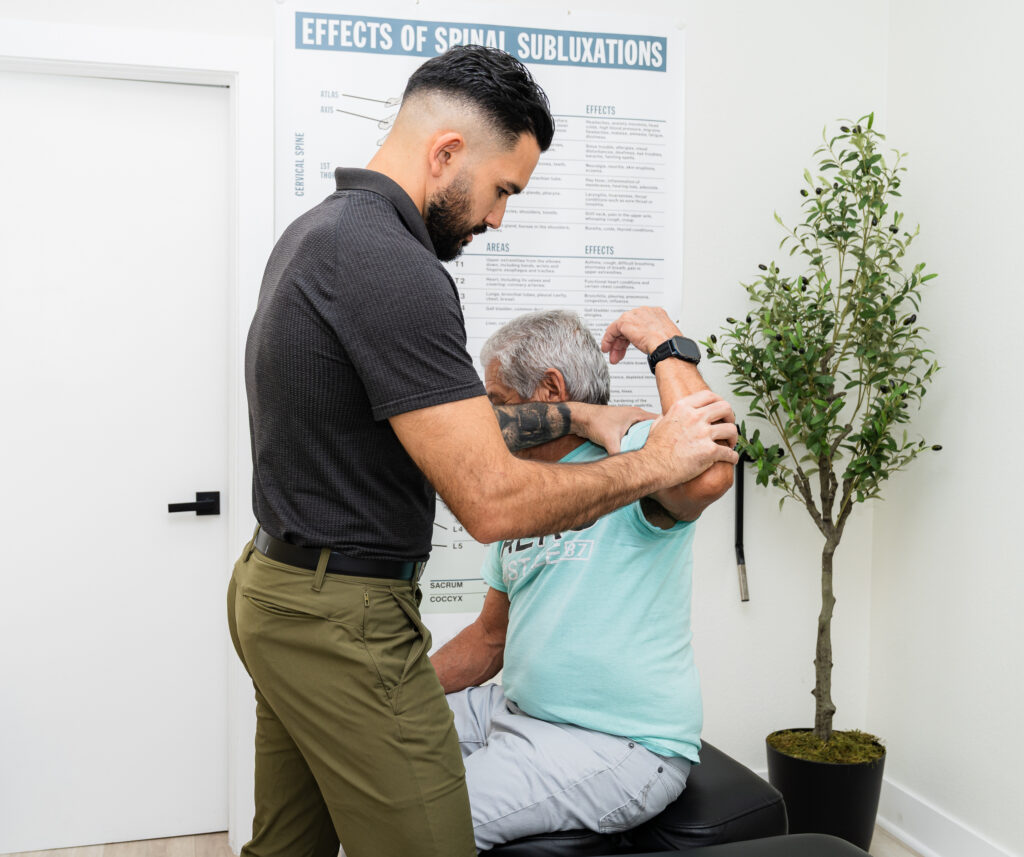

As a local chiropractor, I want to share with you an essential insight: if you’re dealing with back pain, transforming your posture could be the key to your relief. Many people are unaware that poor alignment can not only cause discomfort but also lead to long-term health issues. The good news is that understanding how to improve your posture can make a significant difference in your life.
By focusing on strengthening your core and making simple ergonomic adjustments in your daily activities, you can alleviate unnecessary strain on your spine. It’s not just about correcting your posture; it’s about building a foundation for lasting health.
So, what effective exercises and daily habits can support your journey toward better posture? Let’s take a closer look at some solutions that can help you conquer your pain naturally. Together, we can work on techniques that promote healing and enhance your overall well-being, guiding you toward a pain-free life.
Understanding the Importance of Good Posture
As a local chiropractor, I want to emphasize the significance of good posture not only for projecting confidence but also for your overall health and well-being. When you maintain the correct sitting or standing alignment, you’re reducing unnecessary strain on your muscles and ligaments. This proper alignment plays a crucial role in preventing injuries and alleviating chronic pain, allowing you to engage in daily activities with greater ease and enjoyment.
You may be surprised to learn that good posture also positively influences your breathing and digestion. By aligning your body properly, you enable these vital functions to operate more efficiently, contributing to your overall health.
In addition to the physical benefits, maintaining proper posture can also enhance your mood and energy levels. When you sit up straight or stand tall, you send signals to your brain indicating alertness and readiness to tackle challenges. This can lead to improved focus and productivity throughout your day.
Investing time in improving your posture can yield significant benefits for both your physical health and emotional well-being. I encourage you to take a moment to check in with your body and make adjustments to your stance whenever necessary.
Your future self will surely appreciate the positive impact of good posture on your life! If you have any questions about how chiropractic care can support healthy posture and overall wellness, feel free to reach out.
Common Causes of Poor Posture and Back Pain
As a local chiropractor, I want to shed light on how a sedentary lifestyle can significantly affect your posture and lead to troublesome back pain. Many people may not realize that the way we sit and move throughout the day can have a profound impact on our spinal health.
That’s why creating an ergonomic workspace is crucial—it ensures that your body is properly supported as you go about your daily tasks.
Moreover, it’s important to recognize that muscle imbalances and weaknesses can also play a significant role in poor alignment. These issues can make it challenging for your body to maintain a healthy posture, contributing to discomfort and pain.
Addressing these underlying factors is essential for achieving a healthier back and overall well-being. As your chiropractor, I’m here to help guide you in recognizing these problems and provide natural healing solutions tailored to your needs.
Sedentary Lifestyle Impacts
As a chiropractor, I’ve seen firsthand the significant impact that a sedentary lifestyle can have on your posture and back health. Many of us spend long hours sitting at desks or on couches, often without realizing how detrimental this can be to our bodies.
When you slouch in your chair or hunch over your devices, it can weaken your core muscles and tighten your hip flexors, leading to poor spinal alignment. Prolonged sitting creates excessive pressure on your spine, which can lead to discomfort and pain.
You might notice that as you stay seated for long periods, your body begins to lose flexibility and strength, making it increasingly difficult to maintain a healthy posture. Even if you’re consciously trying to sit up straight, muscle fatigue can set in quickly, causing you to revert back to slumping.
To address these issues, I encourage you to incorporate regular movement breaks and stretching into your daily routine. Simple activities like standing up, walking around, or doing a few stretches can promote better posture and help alleviate back pain.
Ergonomic Workspace Importance
As a local chiropractor, I want to emphasize the importance of creating an ergonomic workspace to help prevent issues like poor posture and back pain, particularly for those of you who spend long hours at a desk.
Start by adjusting your chair to provide proper support for your lower back; this can make a significant difference in how your spine feels throughout the day. Ensure your feet are flat on the floor, as this helps maintain a stable base.
It’s also crucial to position your monitor at eye level, which will prevent you from having to tilt your head and strain your neck. Opt for a keyboard and mouse that allow your arms to rest comfortably at your sides, minimizing tension in your shoulders and wrists.
Keep your screen about an arm’s length away to reduce the risk of eye strain, making it easier for you to focus without discomfort.
Remember to take regular breaks—get up, stretch, and move around. These small actions can greatly enhance your posture and significantly lower your chances of developing chronic back pain.
Muscle Imbalances and Weaknesses
As a local chiropractor, I want to help you understand how muscle imbalances and weaknesses can impact your posture and contribute to back pain, even if you have a well-designed ergonomic workspace.
It’s important to recognize that when certain muscle groups are stronger or tighter than others, they can pull your body out of alignment. For example, tight hip flexors can cause your pelvis to tilt forward, leading to an exaggerated curve in your lower back.
Similarly, if your core muscles are weak, they may not provide the necessary support for your spine, making it more difficult to maintain good posture.
You may have noticed that slouching or leaning forward feels more comfortable over time as these imbalances develop. This can lead to discomfort and pain, but there are steps you can take to address these issues.
I encourage you to focus on strengthening the weaker muscles while also stretching the tighter ones. Incorporating targeted exercises into your daily routine can help restore balance to your body, improve your posture, and alleviate back pain.
By understanding these concepts, you can take proactive steps towards better spinal health and overall well-being.
If you’re unsure where to start, I’m here to guide you through personalized exercises and adjustments that can help make your daily activities more enjoyable and pain-free.
Effective Exercises to Improve Posture
As a chiropractor, I often emphasize the importance of improving posture for overall health and well-being.
To achieve this, it’s essential to strengthen your core muscles while also focusing on stretching areas that may be tight. By doing so, you support your spine and alleviate tension, which ultimately helps you stand tall and feel more confident.
Let’s delve into some effective exercises that can significantly enhance your posture and make a positive impact on how you carry yourself throughout the day.
Strengthening Core Muscles
As a local chiropractor, I want to emphasize the importance of strengthening your core muscles for maintaining proper posture and overall spinal health. Many individuals tend to focus on their upper body or legs, but a strong core is vital for supporting your spine and enhancing balance.
One of the foundational exercises I recommend is the plank. Start by holding this position for 20 to 30 seconds, and as you build strength, gradually increase your duration.
Another effective exercise is the bridge, which targets your lower back and glutes. To perform a bridge, lie on your back, lift your hips towards the ceiling, and hold that position for a few seconds.
Additionally, the bird-dog exercise is excellent for promoting stability. Begin on all fours, extend one arm forward while simultaneously extending the opposite leg back, then switch sides. This movement helps engage your core and improve coordination.
Lastly, don’t overlook Russian twists, which effectively engage your oblique muscles. Sit with your knees bent, lean back slightly, and twist your torso from side to side.
By regularly incorporating these exercises into your routine, you can build a solid foundation that not only promotes better posture but also aids in reducing back pain.
Stretching Tight Muscles
As a local chiropractor, I want to help you understand the importance of stretching tight muscles in improving your posture and overall well-being. Once you’ve developed a strong core, the next step is to address any tightness that may be affecting your alignment.
Let’s start with your chest. Many people experience tightness in the pectoral muscles, which can pull your shoulders forward. A simple doorway stretch can help open up this area and promote better posture.
Next, let’s focus on your hips. A standing quadriceps stretch, where you pull your heel toward your glutes, can relieve tension and improve mobility in this region.
Don’t overlook your hamstrings, either! Seated forward bends are an excellent way to stretch these muscles and can work wonders for your flexibility. Additionally, incorporating cat-cow stretches into your routine can enhance spinal flexibility and relieve tension in your back.
For overall relaxation and deep stretching, I highly recommend the child’s pose. It’s not only calming but also effective in stretching multiple muscle groups. Aim to hold each stretch for 15-30 seconds and repeat them two to three times.
By consistently integrating these stretches into your daily routine, you’ll help maintain better posture, reduce discomfort, and keep your body aligned and pain-free.
Ergonomic Adjustments for Your Workspace
As a local chiropractor, I want to emphasize the importance of making simple ergonomic adjustments to your workspace, as these changes can significantly enhance your comfort and overall well-being.
First and foremost, ensure that your chair is positioned correctly; your feet should rest flat on the floor, and your knees should form a 90-degree angle. This alignment is crucial for maintaining proper posture and reducing strain on your spine.
Your desk height is equally important. It should be at elbow level so that your arms can rest comfortably while you type. If your computer monitor is too low, it’s essential to elevate it to eye level. This adjustment can help minimize neck strain and encourage a neutral spine position, which is vital for preventing discomfort and injury.
I also recommend using a document holder to keep papers at eye level. This simple tool can significantly reduce the tendency to twist your neck while reading, thereby protecting your cervical spine.
Additionally, using an ergonomic keyboard and mouse can make a world of difference; keep them close to your body to avoid unnecessary reaching, which can lead to strain over time.
Finally, don’t forget the importance of taking regular breaks. Stand, stretch, and walk around periodically. These brief moments of movement can rejuvenate your body and mind, helping to prevent stiffness and fatigue.
Daily Habits to Support Healthy Posture
As a local chiropractor, I want to emphasize the importance of maintaining healthy posture throughout your daily activities. It’s crucial to develop habits that support proper spinal alignment.
First and foremost, pay attention to how you sit. Make sure your feet are flat on the floor and your back is pressed against the chair. Consider using a cushion or lumbar support to help maintain the natural curve of your spine.
When you’re standing, aim to distribute your weight evenly on both feet and be mindful not to lock your knees. This simple adjustment can make a big difference in how your body feels throughout the day.
Incorporating movement is another vital aspect of supporting your posture. I recommend taking short breaks every hour to stretch your legs and walk around. This not only reduces stiffness but also promotes better posture overall.
Additionally, when using your phone or computer, try to hold devices at eye level to avoid slouching—this is a common issue I see in my practice.
Lastly, don’t overlook the impact of your footwear. Choosing comfortable shoes with proper support can significantly affect your posture.
Stretching and Strengthening for Back Pain Relief
As a local chiropractor dedicated to helping you find relief from back pain, I want to emphasize the importance of incorporating stretching and strengthening exercises into your daily routine. Just a few minutes each day can lead to significant improvements in your comfort and overall well-being.
When it comes to stretching, it’s essential to focus on areas that directly impact your spine, such as your hamstrings and hip flexors. I often recommend gentle movements like cat-cow stretches, child’s pose, and gentle twists. These can enhance your flexibility and help alleviate tension in your back.
Strengthening your core is equally vital for back health. Core exercises, such as planks and bridges, play a crucial role in stabilizing your spine and supporting your back. A balanced routine that includes both stretching and strengthening won’t only improve your posture but also help you manage and reduce discomfort.
I encourage you to set aside at least 10 minutes each day for these exercises. Consistency is key; over time, you’ll likely notice a positive change in your back pain and posture.
As you embark on this journey, always listen to your body. If something feels off or painful, it’s important not to push through it. With a little effort each day, you’ll be well on your way to a healthier back and a more comfortable life!
Conclusion
As a local chiropractor, I want to emphasize the importance of good posture and how it can significantly impact your overall health, especially when it comes to managing and preventing back pain. By incorporating a few simple adjustments into your daily routine, you can take control of your discomfort and improve your well-being.
First and foremost, focus on strengthening your core muscles, as they play a crucial role in supporting your spine. Additionally, consider making ergonomic adjustments to your workspace or home environment to promote better alignment. Remember to take regular breaks to move your body; these small actions can prevent stiffness and strain.
Engaging in mindful habits and effective exercises not only helps with muscle balance and flexibility but also leads you toward a healthier lifestyle. I encourage you to start these practices today. You’ll not only notice a decrease in pain but also find yourself enjoying a more active and fulfilling life. Trust me, your back will appreciate the care you give it!