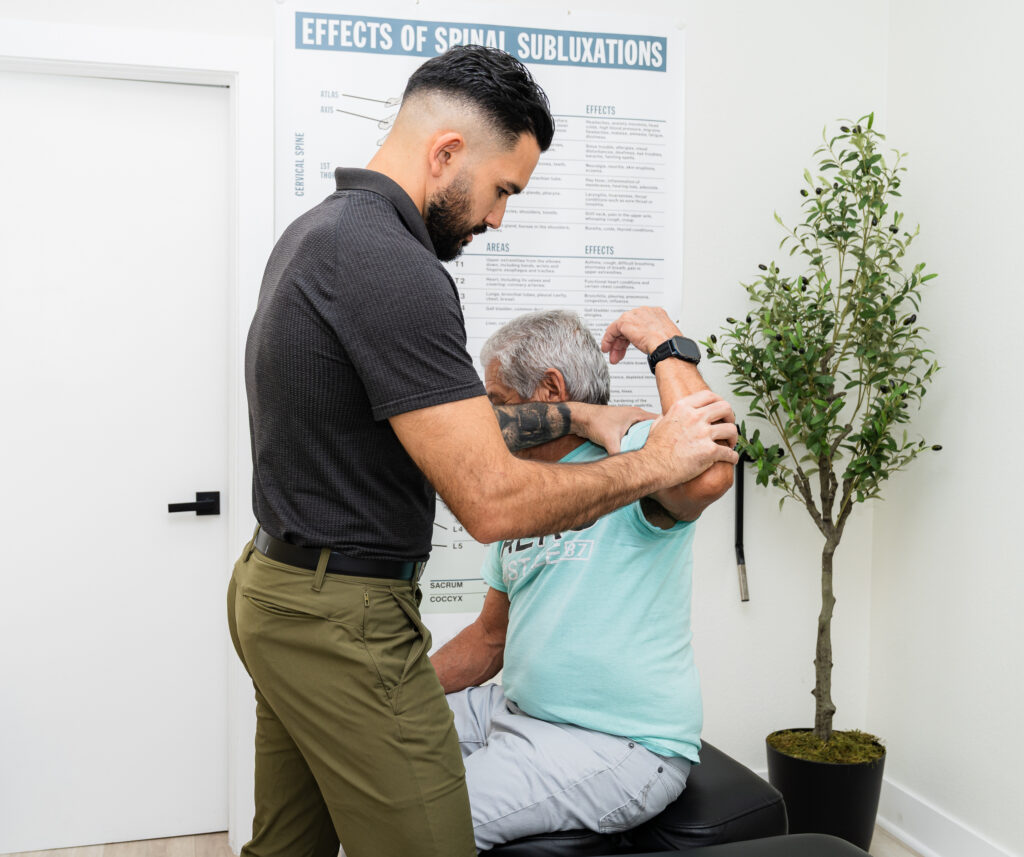

As a local Chiropractor, I want to share how even the smallest adjustments can significantly influence your anxiety levels. Many people are unaware that understanding your triggers, combined with chiropractic care, can help you manage stress more effectively. Incorporating practices like mindfulness and deep breathing alongside your treatment can enhance your sense of grounding and relaxation.
Creating a calming environment in your home and integrating regular physical activity into your routine can also play an essential role in improving your emotional resilience. But what if we could take this a step further through chiropractic adjustments? Let's explore how these gentle yet powerful modifications to your spine and nervous system can lead to a more balanced and fulfilling life, revealing the hidden potential within you. Remember, your well-being is a journey, and I'm here to support you every step of the way.
Understand Your Anxiety Triggers
As a local chiropractor, I often see how anxiety can impact not only your mental well-being but also your physical health. Understanding your anxiety triggers is crucial in managing stress and promoting overall wellness. Just like with physical pain, anxiety can have specific triggers that vary from person to person. These triggers may arise from past experiences, stressful situations, or certain environments that can create tension in your body.
Take a moment to reflect on when you feel your anxiety start to rise. Is it in a busy setting, during tight deadlines, or when facing conflicts? Recognizing these moments can empower you to take control of your anxiety and its physical manifestations.
Once you identify your triggers, you can begin to observe patterns in your anxiety responses. Keeping a journal can be a helpful tool. Document your anxiety episodes by noting what you were doing, the people you were with, and your physical sensations leading up to those moments. This practice not only helps you see the bigger picture of your anxiety but also allows you to anticipate and prepare for those triggering situations.
It's also important to pay attention to the physical signs that accompany your anxiety. Often, your body will signal before your mind fully processes the anxiety. Are you noticing muscle tension, a rapid heartbeat, or difficulty breathing? Acknowledging these physical responses can help you recognize when you're approaching a trigger and take steps to address it.
Remember, knowledge is power. Understanding your anxiety triggers is about more than just identification; it's about equipping yourself with natural strategies to manage your responses.
As a chiropractor, I can help you explore holistic approaches to reduce anxiety's impact on your life, ensuring that you can make informed choices and take proactive steps toward a healthier, more balanced state of being.
Practice Mindfulness Daily
As your local chiropractor, I want to share how practicing mindfulness daily can significantly reduce your anxiety and enhance your overall well-being.
Integrating mindfulness into your daily routine aligns perfectly with our holistic approach to health. You'll learn straightforward techniques that can easily fit into your lifestyle, making it simpler to stay present and connected to your body.
Mindfulness not only helps in managing stress but also complements the chiropractic care you receive.
By being more in tune with your body, you can better understand how physical adjustments affect your overall health.
Let's delve into the benefits of mindfulness and explore how you can seamlessly incorporate it into your life alongside your chiropractic treatment for optimal healing and wellness.
Benefits of Mindfulness
As a local chiropractor, I want to share with you the incredible benefits of incorporating mindfulness into your wellness routine. Mindfulness isn't just a buzzword; it's a powerful practice that can significantly enhance your overall health and daily life. By embracing mindfulness, you can develop a greater sense of awareness and presence, allowing you to engage fully in each moment and improve your overall well-being.
One of the key benefits of mindfulness is its ability to reduce anxiety and stress. When you practice being present, you can approach life's challenges with a clearer mind, which is essential for maintaining spinal health and overall physical wellness. In turn, this can complement the benefits of chiropractic care, as a relaxed mind can lead to a more relaxed body.
Mindfulness also plays a vital role in emotional regulation. Instead of reacting impulsively to stressors, you'll learn to pause and reflect. This shift can lead to more thoughtful responses in your daily interactions, strengthening your relationships and enhancing communication. As a chiropractor, I often see how emotional health and physical health are interconnected, and mindfulness can help in this regard.
Furthermore, mindfulness improves your focus and concentration, which can be particularly beneficial when it comes to maintaining good posture and body mechanics. By training your mind to stay present, you can approach tasks with greater efficiency and effectiveness, whether you're at work, exercising, or engaging in daily activities.
Lastly, incorporating mindfulness into your life promotes overall well-being. Regular practice can improve sleep quality, bolster your immune system, and cultivate a sense of peace. When you embrace mindfulness alongside chiropractic care, you can transform your relationship with stress and anxiety, enriching every aspect of your life.
This holistic approach helps foster a deeper connection with yourself and the world around you, ultimately leading to a healthier, more fulfilling life.
Simple Mindfulness Techniques
Incorporating mindfulness into your daily routine may seem overwhelming at first, but as a chiropractor, I want to share some simple techniques that can truly enhance your overall well-being. One effective method I recommend is the "5-4-3-2-1" grounding exercise, especially for those experiencing anxiety or stress.
When you feel overwhelmed, take a moment to pause and identify five things you can see, four you can touch, three you can hear, two you can smell, and one you can taste. This practice not only helps ground you but also reconnects you with the present moment, fostering a sense of calm.
Mindful breathing is another powerful technique. Set aside a few minutes each day to focus solely on your breath. Inhale deeply through your nose, hold it for a few seconds, and then exhale slowly through your mouth. This practice allows you to release distractions and become more aware of how your body feels during each breath, promoting relaxation and reducing tension.
You can also weave mindfulness into your everyday activities. Whether you're enjoying a meal, taking a walk, or washing dishes, try to immerse yourself fully in the sensations and experiences of those tasks. This heightened awareness not only enhances your daily experiences but also alleviates anxiety and stress.
Finally, I encourage you to take a few minutes each night to reflect on your day. Acknowledge your feelings and experiences without any judgment.
Regularly practicing these mindfulness techniques can significantly transform your experience with anxiety, leading to a more peaceful and balanced life. As your chiropractor, I believe that integrating such practices can complement your journey toward natural healing and overall wellness.
Incorporate Deep Breathing Techniques
As your local chiropractor, I want to share with you how deep breathing techniques can significantly impact your anxiety levels and overall well-being. Many of my patients are often surprised to learn how simple breathing exercises can enhance their chiropractic care and promote natural healing.
By incorporating these techniques into your daily routine, you can experience profound benefits.
Deep breathing helps to activate the body's relaxation response, reducing tension and stress that may exacerbate musculoskeletal issues. When you take the time to practice these exercises, you not only support your nervous system but also aid in restoring balance to your body.
Let's explore how integrating deep breathing into your life can help you regain control, alleviate anxiety, and cultivate a sense of calmness, complementing the benefits of chiropractic adjustments.
Benefits of Deep Breathing
As a chiropractor dedicated to promoting natural healing and overall well-being, I want to share the incredible benefits of deep breathing, especially when stress begins to take its toll on your body. This simple yet powerful technique can help you regain a sense of calm, as it slows your heart rate and lowers blood pressure.
By engaging in deep breathing, you allow your body to transition from a stressed state to one of relaxation, which is vital for both mental and physical health. Focusing on your breath not only helps manage anxiety more effectively but also enhances the flow of oxygen to your brain, leading to improved cognitive function and a better mood.
When you practice deep, intentional breaths, you're sending a clear message to your body that it's okay to relax, which can greatly reduce feelings of panic and help you feel more grounded. Moreover, deep breathing promotes mindfulness. It encourages you to remain present, making it easier to distance yourself from anxious thoughts.
This practice is particularly valuable during moments of high tension, enabling you to reset your mental state and tackle challenges with a clearer mindset. Incorporating deep breathing into your daily routine can foster a habit of calmness, equipping you to handle stressors more effectively when they arise.
I encourage you to embrace deep breathing as part of your wellness journey, and you may be surprised by how it transforms your relationship with anxiety and enhances your overall quality of life. Remember, as your chiropractor, I'm here to support you in exploring these natural healing techniques for a healthier, more balanced lifestyle.
Simple Breathing Exercises
As a local chiropractor, I want to share how simple breathing exercises can significantly enhance your overall health and well-being. Many of my patients find that these techniques help manage anxiety, promote relaxation, and support their body's natural healing processes.
One effective method is the 4-7-8 breathing technique. You can practice this by inhaling through your nose for a count of four, holding your breath for seven counts, and then exhaling slowly through your mouth for eight counts. This cycle not only calms your mind but also helps regulate your body's stress response. I recommend repeating this four times to really feel the benefits.
Another technique to consider is diaphragmatic breathing. This involves sitting or lying down comfortably, placing one hand on your chest and the other on your abdomen. Inhale deeply through your nose, allowing your belly to rise while keeping your chest still. Then, exhale slowly through your mouth. This practice can enhance oxygen flow and improve your body's function. Aim for five to ten minutes of this exercise each day to help integrate it into your routine.
Finally, box breathing is a great method to center your thoughts and calm your nerves. Inhale for a count of four, hold your breath for four counts, exhale for four counts, and then hold again for four. This rhythmic exercise can be particularly useful during stressful moments, helping you regain control over your mind and body.
Incorporating these simple breathing exercises into your daily routine can complement your chiropractic care and enhance your natural healing journey. Remember, taking time to breathe deeply and mindfully can lead to significant improvements in your overall well-being.
Incorporating Breathing Into Routine
As a chiropractor, I often emphasize the importance of holistic approaches to health, including the incorporation of deep breathing techniques into your daily routine. This practice can significantly enhance how you manage stress and anxiety, which are often linked to physical tension in the body.
I recommend setting aside just a few minutes each day for this practice, whether in the morning or during your lunch break. Find a quiet space where you can sit comfortably, close your eyes, and concentrate on your breath.
Start with a straightforward technique: inhale deeply through your nose for a count of four, hold that breath for a count of four, and then exhale slowly through your mouth for a count of six. Repeat this cycle several times, and with each exhale, visualize the tension melting away. You'll likely notice how this simple practice can calm your mind and help refocus your energy.
To integrate breathing exercises into your lifestyle, consider linking them to routines you already have. For example, practice deep breathing before enjoying your morning coffee or during a break at work. Setting reminders on your phone can also help you incorporate these exercises throughout the day.
With time, these intentional moments of breathing will help ground you and improve your ability to manage anxiety and stress, complementing the benefits of chiropractic care. Remember, consistency is key—small, regular adjustments to your routine can lead to significant improvements in your mental and physical well-being.
Establish a Support System
While anxiety can feel isolating, establishing a strong support system is essential for managing your feelings effectively, much like how chiropractic care supports your overall well-being. Surrounding yourself with understanding and compassionate individuals can make a world of difference in your healing journey.
Here are three key benefits of building a support network, especially when considering natural healing methods:
- Emotional Validation: Just as a chiropractor listens to your concerns about physical pain, having someone who understands your anxiety can help you feel less alone in your struggle. It's important to have people who validate your feelings and experiences.
- Practical Help: Friends and family can provide support in times of need, much like how a chiropractor offers guidance on maintaining your health. They can help you find resources, suggest coping strategies, or even accompany you to appointments, making it easier to navigate your challenges.
- Encouragement for Growth: Similar to how a supportive chiropractor encourages you to take steps towards better physical health, having a network of supportive individuals can motivate you to take positive actions in managing your anxiety. They can inspire you to explore holistic approaches and new techniques that contribute to your overall well-being.
Begin by identifying individuals in your life who can offer the support you need. This may include close friends, family members, or even coworkers who are open to understanding your journey.
Don't hesitate to reach out and express your feelings; sharing your experiences can strengthen your connections and open doors to deeper conversations about health and healing.
Additionally, consider joining a support group or community focused on natural healing and wellness. Engaging with others who share similar experiences can provide you with invaluable insights and coping strategies, just like how a chiropractor can offer tailored advice for your unique body.
Create a Calming Environment
Creating a calming environment is essential for both your mental and physical well-being, especially when it comes to managing stress and anxiety. As a chiropractor, I often see the impact that a serene space can have on your overall health. To foster this tranquility, it's important to start with decluttering your surroundings. A tidy environment not only provides clarity but also allows your mind to relax. Remove any items that don't serve a purpose or evoke joy in your life.
After decluttering, pay attention to your color palette. Soft, muted colors, such as blues, greens, and pastels, can promote a sense of calm, while bright colors may inadvertently heighten your stress levels. Choose paint, decor, or textiles that embody these soothing hues to create a more peaceful atmosphere.
Lighting plays a crucial role in establishing a calming space. Natural light is the most beneficial, so open those curtains and let the sunshine in whenever possible. If natural light isn't feasible, opt for soft, warm lighting through lamps or candles. Steer clear of harsh fluorescent lights, as they can increase anxiety and tension.
Incorporating elements from nature is another effective way to enhance your environment. Consider adding plants or flowers, which not only purify the air but also uplift your mood. The gentle sounds of nature, such as a small water feature or soft wind chimes, can further enrich the ambiance and promote relaxation.
Finally, personalize your space with items that bring you comfort and joy. Whether it's a cozy blanket, a favorite piece of art, or cherished photographs, surrounding yourself with meaningful objects can provide a sense of security and ease.
Set Realistic Goals
Setting realistic health goals is vital for effectively managing anxiety and promoting a sense of accomplishment, particularly when it comes to your overall well-being. As a chiropractor, I want to emphasize how achievable health targets can help you navigate through anxious moments and enhance your quality of life.
Here's how focusing on realistic health goals can transform your experience:
- Builds confidence: When you achieve small health milestones, such as improving your posture or increasing your range of motion, it boosts your self-esteem. These successes encourage you to tackle bigger health challenges, like incorporating regular exercise into your routine.
- Reduces overwhelm: Breaking down your health goals into manageable steps makes them less intimidating. For instance, instead of overwhelming yourself with the idea of a complete lifestyle overhaul, focus on one aspect, like committing to regular chiropractic visits or practicing specific stretches at home.
- Creates motivation: Tracking your progress can inspire you to keep moving forward. When you notice improvements in your health and well-being, it can shift your focus from anxiety to a renewed sense of purpose in your journey towards better health.
To begin setting realistic health goals, think about what you want to achieve regarding your physical well-being. Whether it's improving your posture, reducing pain, or enhancing your flexibility, clarity is key.
Write down your goals and ensure they're specific, measurable, attainable, relevant, and time-bound (SMART). For example, instead of saying, "I want to feel better," you might say, "I will attend chiropractic sessions twice a month and practice recommended exercises for 10 minutes daily."
Next, prioritize your goals. Choose a couple that resonate most with you and focus on those first. Celebrate your progress, no matter how small, as each step forward is a victory in your health journey.
Remember, it's perfectly okay to adjust your goals as needed. Life can be unpredictable, and maintaining flexibility allows you to stay on track without adding unnecessary pressure.
Engage in Regular Physical Activity
As a local chiropractor, I want to emphasize the importance of engaging in regular physical activity as a key component of your health journey. Exercise isn't solely about building strength or shedding pounds; it serves as a powerful tool for managing anxiety and promoting overall well-being. When you engage in movement, your body releases endorphins—natural mood enhancers that can help you feel more relaxed and uplifted.
You don't have to spend hours at the gym to reap the benefits of physical activity. Explore different forms of exercise that bring you joy, whether it's dancing, walking, practicing yoga, or playing a sport. Strive for at least 30 minutes of activity on most days of the week. If your schedule is tight, don't worry—breaking it into shorter sessions, such as a brisk 10-minute walk, can still yield positive results. The most important factor is to maintain consistency in your routine.
Incorporating physical activity into your daily life can also establish a sense of structure, which is essential for managing anxiety. I encourage you to dedicate specific times each day for your preferred activities. This commitment not only keeps you physically active but also provides you with something enjoyable to anticipate.
Additionally, the social aspect of exercise shouldn't be overlooked. Participating in a class or joining a running group can help you connect with like-minded individuals, fostering a sense of community. Engaging socially can be incredibly grounding and supportive during anxious moments.
Limit Caffeine and Sugar Intake
As a local chiropractor, I often emphasize the importance of holistic health practices, and one key area that can significantly affect your well-being is your diet—specifically your caffeine and sugar intake.
While many may not realize it, these substances can have a profound impact on your anxiety levels. Both caffeine and sugar can elevate your heart rate and energy, leading to heightened anxiety. By making mindful dietary adjustments, you can foster a calmer and more balanced mindset.
Here are a few points to consider:
- Caffeine acts as a stimulant, which can mimic symptoms of anxiety, leaving you feeling jittery and on edge.
- Consuming high amounts of sugar can result in energy crashes, contributing to irritability and mood swings.
- Reducing your intake of these substances may improve your sleep quality, which is crucial for effective anxiety management.
I encourage you to consider swapping your morning coffee for a soothing herbal tea or a decaffeinated beverage. This simple shift can help you maintain a more grounded state throughout your day.
Additionally, try replacing sugary snacks with healthier options like fresh fruits or nuts. These alternatives not only provide you with sustained energy but also enhance your overall well-being.
As you adapt your diet, pay attention to how these changes influence your feelings and anxiety levels. You might find that your symptoms improve, giving you a greater sense of control over your emotions.
Remember, it's not about completely cutting out caffeine and sugar, but rather finding a balance that suits your individual needs.
Explore Creative Outlets
As a chiropractor, I want to emphasize that managing anxiety involves a holistic approach, and finding balance in your diet is just one aspect of it. One powerful tool you can incorporate into your wellness routine is exploring creative outlets. Engaging in creative activities not only allows you to express your feelings but also helps channel your energy and find joy in the process—elements that are crucial for overall well-being.
Whether you choose to paint, write, dance, or play an instrument, these creative outlets serve as healthy distractions from anxious thoughts. When you immerse yourself in a creative project, you shift your focus away from daily stressors. This engagement can help clear your mind and foster a sense of accomplishment, which ultimately contributes to a healthier mental state.
Remember, there's no right or wrong way to express yourself creatively. It's all about what resonates with you personally. For instance, you may find that journaling helps articulate your feelings, while painting allows you to release pent-up emotions through color and form. The key is to embrace the experience rather than strive for perfection.
I encourage you to set aside time each week for your chosen creative outlet. This dedicated time can serve as a wonderful way to unwind and reconnect with yourself. You might also consider inviting friends to join you in these activities; sharing creativity not only deepens your connections but also provides a supportive community.
Incorporating creative outlets into your routine can be transformative in how you handle anxiety. It's not merely about managing stress; it's about discovering new aspects of yourself.
Conclusion
As a local Chiropractor, I want to share how gentle adjustments to your daily routine can significantly alleviate anxiety and improve your overall well-being. First, it's important to recognize your anxiety triggers and embrace mindfulness practices. Incorporating deep breathing exercises and regular physical activity can also be beneficial.
In addition, creating a calming environment in your home can further support your mental health. It's advisable to limit your intake of caffeine and sugar, as these can exacerbate anxiety symptoms. Don't forget to tap into your creative side, whether it's through art, music, or other hobbies, as this can serve as a wonderful outlet for stress.
Remember, even small changes in your routine can lead to substantial improvements in how you feel. By embracing these holistic approaches, you empower yourself to navigate life's challenges with greater ease and balance. I encourage you to explore these steps, and together, we can work towards reducing your anxiety naturally through chiropractic care and lifestyle adjustments.