
If you’ve recently experienced whiplash or are dealing with persistent neck pain, it’s crucial to manage your recovery effectively. While it’s easy to feel overwhelmed by the discomfort, there are practical steps you can take to ease your symptoms and promote healing naturally. Understanding what actions to take, along with at-home treatments, can make a significant difference in your recovery journey.
As a local chiropractor, I want to share some key strategies that can help you regain your neck health while positioning chiropractic care as your best ally in achieving optimal wellness.
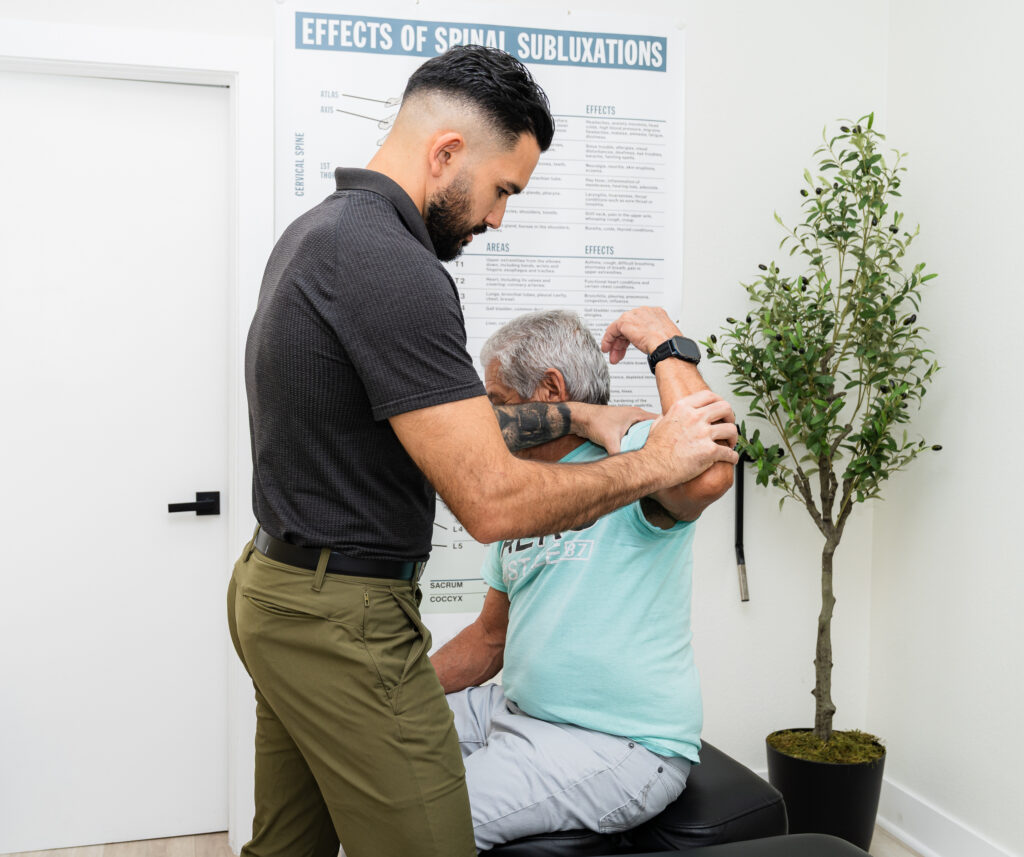
- Get Adjusted: One of the most effective ways to alleviate neck pain and promote healing is through chiropractic adjustments. These gentle manipulations can help realign your spine, reduce tension, and improve mobility in your neck.
- Stay Active: Gentle movement is essential for recovery. Simple neck stretches and light exercises can help keep your muscles flexible and strong. Always consult with your chiropractor about which activities are best for your specific condition.
- Apply Heat or Cold: Using heat packs can help relax tight muscles, while cold packs can reduce inflammation. Alternating between the two can also provide relief. Just be sure to wrap them in a cloth to protect your skin.
- Practice Good Posture: Pay attention to your posture, especially if you spend long hours sitting at a desk or using your phone. Keeping your head aligned with your spine can help prevent further strain on your neck.
- Mindfulness and Relaxation: Stress can exacerbate neck pain. Incorporating relaxation techniques like deep breathing, meditation, or yoga can help manage stress levels and promote healing.
- Stay Hydrated and Nourished: Drinking plenty of water and eating a balanced diet rich in anti-inflammatory foods can support your body’s healing processes. Think fruits, vegetables, whole grains, and healthy fats!
- Consult Your Chiropractor Regularly: Regular visits to your chiropractor not only help with pain relief but also allow for ongoing assessment and adjustments to your treatment plan as you heal.
By focusing on these strategies and incorporating chiropractic care into your recovery plan, you can effectively manage your whiplash symptoms and promote natural healing. Remember, you’re not alone on this journey; your chiropractor is here to support you every step of the way!
Understanding Whiplash and Neck Pain
When you experience whiplash, it often results from a sudden jolt to your head, commonly due to a car accident. This rapid movement can strain your neck muscles and ligaments, leading to pain and discomfort. You might notice symptoms like stiffness, headaches, or even dizziness as your body reacts to the trauma.
It’s essential to understand these symptoms, as they can appear right away or develop over time. Whiplash injuries can vary in severity, so you may feel mild discomfort or intense pain. Paying attention to how your body responds is crucial, as this can guide your recovery journey.
You may experience inflammation and reduced range of motion, which can make daily tasks more challenging. Knowing that these symptoms are common can help you manage your situation better.
Chiropractic care is an excellent option for addressing whiplash and neck pain. Through gentle adjustments and targeted therapies, a chiropractor can help restore proper alignment, reduce inflammation, and enhance your overall well-being. This approach not only alleviates pain but also promotes natural healing, allowing your body to recover more effectively.
In addition to seeking chiropractic care, here are some general tips to help you cope with whiplash:
- Stay Active: Gentle movements and stretches can help maintain flexibility in your neck. Avoid staying immobile for long periods, as this can lead to stiffness.
- Apply Ice and Heat: Using ice packs can reduce inflammation in the first few days after your injury. Afterward, applying heat can soothe tight muscles.
- Practice Good Posture: Maintaining proper posture while sitting, standing, and sleeping can reduce strain on your neck. Consider using supportive pillows.
- Listen to Your Body: Pay attention to your symptoms and avoid activities that worsen your pain. It’s important to give your body the time it needs to heal.
- Stay Hydrated: Drinking plenty of water helps keep your muscles and tissues healthy, supporting the healing process.
Recognizing the nature of whiplash and its symptoms is the first step toward effective treatment and recovery. By choosing chiropractic care, you can regain your neck’s strength and flexibility, supporting your journey to optimal health and wellness.
Immediate Steps to Take After an Injury
After experiencing an injury, it’s essential to respond promptly to minimize its impact and promote natural healing. First, take a moment to assess your condition. If you’re feeling severe pain, dizziness, or any concerning symptoms, it’s wise to seek medical attention right away. Remember, your body is trying to communicate with you, and ignoring these signals could lead to more serious issues.
One of the best immediate steps you can take is to apply ice to the affected area. Use an ice pack wrapped in a cloth, and apply it for 15-20 minutes every hour. This technique not only helps reduce swelling but also numbs the pain, providing you with some relief.
Along with ice therapy, consider visiting your chiropractor, who can help address the underlying issues and guide your recovery through gentle adjustments and natural methods.
If your injury involves your neck, gently immobilizing it with a soft collar can limit movement and help prevent further injury. Your chiropractor can also assist with techniques to support your neck and spine during this healing phase.
Rest is crucial for recovery, so find a comfortable position and avoid strenuous activities. Remember, your body needs time to heal, and chiropractic care plays a vital role in facilitating that healing process while promoting overall wellness.
Lastly, keep track of your symptoms and any visits to healthcare providers. This information can be invaluable for your chiropractor as they tailor your treatment plan.
At-Home Treatment Options
When you’re recovering from whiplash, at-home treatment can play a vital role in your healing journey. While chiropractic care offers the best path to optimal health and pain relief, there are some simple home remedies that can complement your recovery.
Applying ice and heat therapy can be beneficial. Ice helps to reduce inflammation and numb the pain, while heat promotes blood flow and relaxes tense muscles. Start with ice for the first 48 hours after the injury, then switch to heat to help soothe your neck.
In addition, gentle stretching exercises can help maintain flexibility in your neck. However, always listen to your body and avoid any movements that cause pain. Simple neck stretches, like tilting your head side to side or forward and backward, can promote mobility.
Remember to maintain good posture, especially if you’re sitting for long periods. Keeping your head aligned over your shoulders can help relieve strain on your neck.
While these at-home strategies can be helpful, don’t forget that regular visits to your chiropractor are essential for a full recovery. Chiropractic adjustments can realign your spine, reduce pain, and enhance your overall health.
Embrace this natural healing approach and empower your body to heal itself.
Ice and Heat Therapy
To effectively manage the pain and stiffness that often accompany whiplash, incorporating ice and heat therapy into your home treatment plan can be very beneficial.
As a chiropractor, I want to share how you can use both methods to promote healing and comfort:
1. Ice Therapy: For the first 48 hours after your injury, apply an ice pack wrapped in a cloth to your neck for 15-20 minutes at a time. This method is great for reducing swelling and numbing any pain you may be experiencing.
Remember, ice helps your body manage the initial inflammation.
2. Heat Therapy: Once the swelling has gone down, switch to a heat pack. Applying heat for 15-20 minutes can be incredibly soothing.
It promotes blood flow, which is essential for healing, and helps relax tense muscles that may be contributing to your discomfort.
3. Timing is Key: For optimal relief, consider alternating between ice and heat every few hours.
This combination can maximize the benefits of both therapies and keep you feeling more comfortable throughout the day.
4. Listen to Your Body: Whatever method you choose, make sure it feels good for you.
Avoid extreme temperatures to protect your skin, and always prioritize your comfort.
In addition to these therapies, remember that chiropractic care is an excellent way to support your recovery and maintain overall wellness.
A chiropractor can help address the root causes of pain, improve your spinal health, and guide you on exercises and stretches that promote healing.
Gentle Stretching Exercises
Incorporating gentle stretching exercises into your recovery routine is an excellent way to enhance your healing process after experiencing whiplash. These stretches not only improve flexibility but also help reduce tension in your neck muscles, which is essential for your overall spinal health.
Start with simple side-to-side head tilts. Gently lower your ear toward your shoulder, hold for 15-30 seconds, and then switch sides. This movement can help alleviate stiffness and promote better range of motion.
Next, consider incorporating chin tucks. Pull your chin toward your chest while keeping your spine straight. Hold for a few seconds and repeat. This exercise is great for aligning your cervical spine and improving posture.
Don’t forget about shoulder rolls! Lift your shoulders toward your ears, then roll them back and down. This motion helps release tension built up in your upper back and neck, contributing to a more relaxed state.
As you practice these stretches, remember to breathe deeply and move slowly to avoid any additional strain. Listening to your body is crucial—if you feel any pain during these exercises, it’s a good idea to consult with your chiropractor. They can provide personalized guidance and adjustments to ensure your recovery is on track.
Incorporating these gentle stretches into your daily routine can complement your chiropractic care, helping you achieve optimal health and wellness naturally.
The Importance of Rest and Recovery
Rest and recovery play a crucial role in your healing journey from whiplash, and as a chiropractor, I want to emphasize how important these elements are for your overall health.
Prioritizing quality sleep allows your body to repair itself naturally, promoting the healing of your spine and surrounding tissues.
As you start to ease back into your daily activities, remember to do so gradually. This approach can help prevent any setbacks in your recovery. Incorporating gentle movements and stretches can also aid in maintaining flexibility and mobility in your neck and back.
Don’t overlook the importance of your emotional well-being during this time. Stress and anxiety can hinder your recovery, so consider practices such as mindfulness, meditation, or even light exercise to support your mental health.
Chiropractic care is an excellent choice for managing pain and enhancing your recovery process. Regular visits to your chiropractor can help ensure that your spine is in alignment, promoting better healing and overall wellness.
Prioritize Sleep Quality
How can you expect to heal effectively if you’re not getting enough quality sleep? Sleep is essential for your body’s recovery, especially after experiencing whiplash or any other discomfort that may affect your spine.
Prioritizing quality rest is a key component of holistic healing and helps reduce inflammation while promoting overall wellness. Here are some simple tips to improve your sleep quality and support your chiropractic care:
- Establish a Routine: Try to go to bed and wake up at the same time every day. This helps regulate your body clock, making it easier to fall asleep and wake up feeling refreshed.
- Create a Sleep-Friendly Environment: Your bedroom should be a sanctuary for relaxation. Keep it dark, cool, and quiet to help your body wind down and prepare for restorative sleep.
- Limit Screen Time: The blue light from screens can interfere with your sleep hormones. Aim to avoid screens at least an hour before bedtime to help your body transition into sleep mode.
- Practice Relaxation Techniques: Incorporate activities like deep breathing exercises or meditation into your evening routine. These practices can calm your mind and body, setting the stage for a more restful night.
By making sleep a priority, you not only enhance your recovery but also support the benefits of your chiropractic care.
Gradual Activity Resumption
After experiencing whiplash, it may be tempting to dive back into your regular routine, but it’s essential to approach movement with caution. Jumping back in too quickly can lead to increased pain and a longer recovery time.
Instead, start with gentle stretches and short walks, paying close attention to how your body feels. If you start to feel any discomfort, take a step back and allow yourself more time to rest and heal.
A gradual increase in the intensity and duration of your activities is key. Consider incorporating low-impact exercises, such as swimming or cycling, which can help strengthen your neck without adding excessive strain.
Remember, recovery is a journey, and patience is crucial.
Chiropractic care can play a vital role in your recovery process. Regular adjustments can help alleviate pain, improve mobility, and support your body’s natural healing processes.
By focusing on consistent, gradual improvement, you’ll be on your way to optimal health. Always listen to your body, and don’t hesitate to reach out to your chiropractor for personalized advice tailored to your recovery.
Your journey to wellness is important, and with the right approach, you can achieve lasting results.
Emotional Well-being Focus
Recognizing the emotional impact of whiplash is crucial for your overall recovery, as it can significantly affect both your mental and physical health. It’s not uncommon to feel anxious, frustrated, or sad during this healing process. By prioritizing your emotional well-being alongside your chiropractic care, you can enhance your recovery journey.
Here are some helpful tips to support you:
- Practice Mindfulness: Incorporate mindfulness techniques such as meditation or deep breathing exercises. These practices can help reduce stress and promote relaxation, making it easier to cope with the emotional challenges of recovery.
- Stay Connected: Don’t hesitate to reach out to friends and family for support. Sharing your feelings and experiences can lighten your emotional load and remind you that you’re not alone in this journey.
- Set Realistic Goals: Break down your recovery into small, manageable steps. This approach can prevent feelings of being overwhelmed and allow you to celebrate small victories as you move toward better health.
- Seek Professional Help: If you find it difficult to cope with your emotions, consider speaking with a therapist or counselor. They can provide valuable strategies to help you manage your feelings and support your healing process.
Exercises to Strengthen Your Neck
Strengthening your neck after a whiplash injury is crucial for regaining mobility and alleviating discomfort. As a chiropractor, I advocate for natural healing methods, and gentle exercises can be a fantastic way to support your recovery.
Begin with simple neck tilts. Slowly bring your ear towards your shoulder, holding the stretch for a few seconds on each side. This exercise helps improve flexibility and eases stiffness.
Next, incorporate neck rotations by gently turning your head from side to side, which can further enhance your range of motion.
Once you feel ready, you can introduce isometric exercises. For these, press your palm against your forehead while resisting the pressure with your neck muscles; hold this position for a few seconds. You can also do this by pushing against your hand on the sides and back of your head. These exercises help build strength without putting too much strain on your neck.
Don’t forget about shoulder shrugs! Simply lift your shoulders towards your ears and then relax them back down. Aim for 10-15 repetitions of each exercise, but always listen to your body and avoid pushing through any pain.
Consistency is key, so make these exercises a regular part of your routine. Not only will they help strengthen your neck, but they also complement chiropractic care perfectly, which is the best choice for achieving optimal health and pain relief naturally.
When to Consider Professional Help
When should you consider seeking professional help for your whiplash recovery? It’s crucial to pay attention to signs that indicate you could benefit from expert assistance, especially from a chiropractor who specializes in spinal health and natural healing.
If you encounter any of the following symptoms, it’s a good idea to reach out to a chiropractor:
- Persistent Pain: If your neck pain doesn’t improve after a few days or seems to get worse, it’s time to consult a chiropractor. They can provide targeted adjustments and therapies to help alleviate your discomfort.
- Limited Range of Motion: Struggling to turn your head or feeling stiffness that interferes with daily activities is a sign that you might need professional help. A chiropractor can work with you to restore flexibility and movement.
- Numbness or Tingling: Experiencing unusual sensations in your arms or hands may indicate nerve involvement. A chiropractor can assess your condition and help relieve pressure on the nerves, promoting better function.
- Headaches: Frequent or severe headaches that accompany your neck pain shouldn’t be ignored. Chiropractors often find that neck issues can contribute to headaches, and they can provide effective treatments to address both.
Remember, it’s essential to listen to your body. Seeking chiropractic care sooner rather than later can lead to improved recovery outcomes and help prevent long-term complications. Your health and well-being are paramount, and chiropractic care offers a natural, drug-free approach to achieving optimal health.
Here are some general tips to support your recovery at home:
- Gentle Stretching: Incorporate gentle neck stretches into your routine to maintain flexibility.
- Good Posture: Be mindful of your posture, especially if you spend long hours sitting. Keeping your spine aligned can help reduce strain.
- Heat and Ice Therapy: Applying heat or ice can help manage pain and inflammation. Use ice for acute pain and heat for muscle stiffness.
- Stay Active: Engage in low-impact activities like walking to promote circulation and healing.
Your journey to recovery is important, and chiropractic care can be a key player in helping you achieve a pain-free, healthier lifestyle.
Pain Management Techniques
Once you’ve recognized the need for professional help and consulted with a chiropractor, it’s time to explore various natural pain management techniques that can support your recovery and promote overall wellness.
A great starting point is to apply ice packs to your neck for 15-20 minutes at a time. This simple method can reduce inflammation and provide immediate relief from pain. After a few days, you can transition to heat therapy, using warm compresses or heating pads to boost blood flow and encourage healing in the affected area.
In addition to these therapies, gentle stretching and range-of-motion exercises are fantastic ways to alleviate stiffness and improve flexibility. Just remember to listen to your body and avoid pushing your limits too hard. Engaging in these movements can help restore mobility and strengthen the muscles that support your spine.
Moreover, don’t underestimate the power of relaxation techniques. Practices like deep breathing or meditation can greatly assist in managing stress, which often exacerbates pain. Incorporating these techniques into your daily routine not only aids in pain relief but also fosters a more balanced and healthy lifestyle.
By embracing these natural pain management strategies alongside chiropractic care, you’ll be taking significant steps toward enhancing your recovery and achieving optimal health.
Preventing Future Injuries and Maintaining Neck Health
To prevent future injuries and maintain neck health, it’s important to take a proactive approach in your daily activities. Here are some helpful tips to keep your neck strong and pain-free, while also highlighting the benefits of chiropractic care:
1. Practice Good Posture: Always aim to sit and stand tall. Keep your shoulders back and ensure your head is aligned with your spine. This simple adjustment can significantly reduce strain on your neck.
Regular chiropractic adjustments can also help maintain proper alignment and support your posture.
2. Adjust Your Workspace: Make sure your computer screen is at eye level and invest in ergonomic chairs. Proper workspace ergonomics can minimize neck strain, especially during long hours of work.
A chiropractor can provide personalized advice on how to set up your workspace for optimal spinal health.
3. Stay Active: Engaging in regular exercise is essential for strengthening your neck and upper back muscles. Activities like yoga and swimming not only keep you fit but can also enhance flexibility and reduce tension.
Incorporating chiropractic care into your fitness routine can further enhance your overall well-being.
4. Take Breaks: If you find yourself sitting for extended periods, remember to take short breaks every hour. Stretching your neck and shoulders during these breaks can help relieve tension and prevent stiffness.
Regular visits to a chiropractor can help you learn effective stretches and exercises tailored to your needs.
By following these tips and considering chiropractic care as part of your wellness journey, you can achieve a healthier neck and a pain-free lifestyle.
Conclusion
In conclusion, focusing on rest, gentle movement, and holistic pain management can significantly support your recovery from whiplash and alleviate neck pain. Incorporating stretches and maintaining good posture are essential practices that not only aid in healing but also promote overall spinal health.
As a local chiropractor, I encourage you to consider chiropractic care as a natural and effective way to manage your neck pain. Regular chiropractic adjustments can help realign your spine, improve mobility, and reduce discomfort. Moreover, our approach emphasizes strengthening your body’s natural ability to heal itself, making it a preferred choice for many seeking relief.
If your symptoms persist or worsen, please don’t hesitate to reach out for professional chiropractic care. By taking these proactive steps and prioritizing your neck health, you can prevent future injuries and embrace a pain-free lifestyle. Remember, caring for your neck today means it will care for you tomorrow!