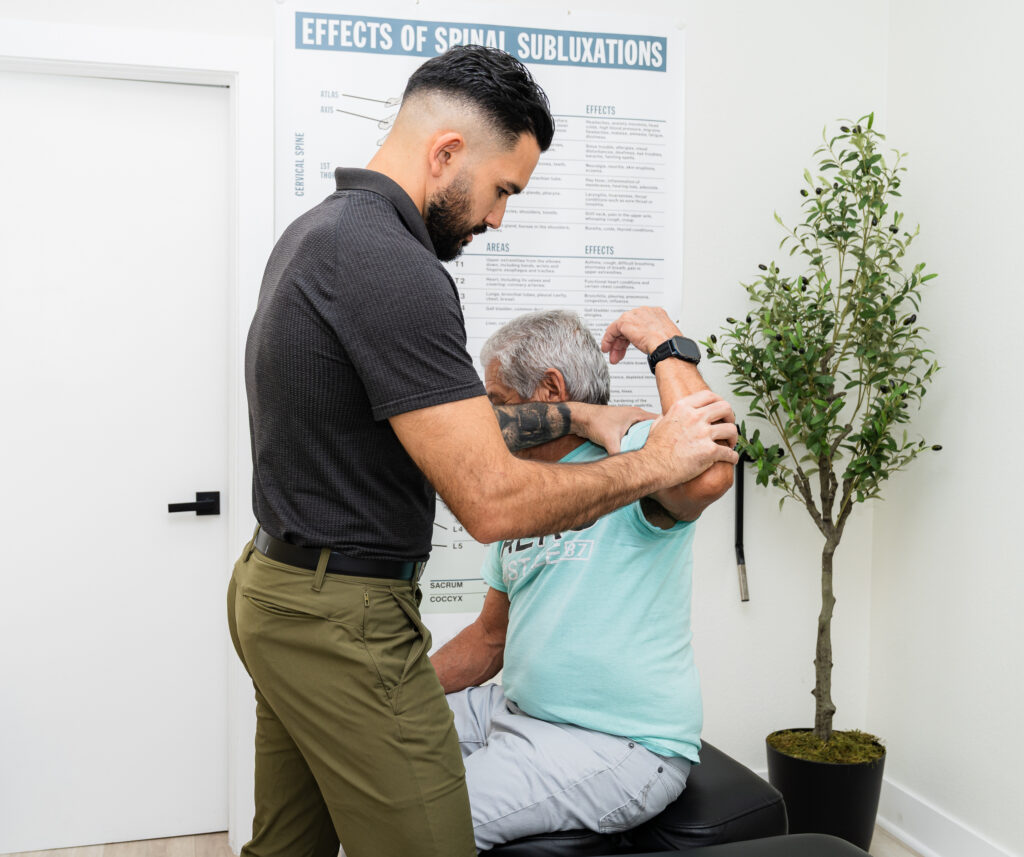

Chronic neck discomfort can be a persistent issue that disrupts your daily life, leading to stiffness, pain, and tension that can be hard to shake off. As a local chiropractor, I want to share some effective techniques that can help alleviate these symptoms and promote better neck health—without the need for medications or surgeries.
Understanding the root causes of your neck discomfort is crucial. Poor posture, prolonged screen time, and muscle strain are common culprits. Fortunately, chiropractic care can address these issues by focusing on spinal alignment and overall wellness. Regular chiropractic adjustments can help restore proper alignment to your spine, relieving tension in the neck and surrounding muscles.
Here are some general tips and tricks you can implement to improve your neck health:
- Practice Good Posture: Be mindful of your posture while sitting at your desk or using your phone. Keep your head aligned with your spine and avoid slouching.
- Take Frequent Breaks: If you work at a desk, take breaks every hour to stretch and move around. Simple neck stretches can help relieve tension.
- Stay Hydrated: Drinking plenty of water can help keep your muscles hydrated and reduce stiffness.
- Use Ergonomic Equipment: Consider using ergonomic chairs and computer setups that promote a healthy posture.
- Incorporate Stretching and Strengthening Exercises: Gentle neck stretches and strengthening exercises can improve flexibility and reduce discomfort.
- Visit Your Chiropractor Regularly: Regular chiropractic visits can help maintain spinal health and prevent future issues. Your chiropractor can provide personalized adjustments and guidance tailored to your needs.
By exploring these strategies and embracing chiropractic care, you can take meaningful steps toward relief and improve your overall neck health. Remember, your spine plays a critical role in your overall well-being, and taking care of it is essential for a healthier, pain-free life.
Understanding the Causes of Chronic Neck Discomfort
Chronic neck discomfort is a common issue that can come from various sources, and understanding these causes is crucial for finding relief. Many people experience neck pain due to poor posture, especially when sitting at a desk or hunching over a phone. These habits can lead to muscle strain and fatigue, which often results in discomfort. It’s essential to be mindful of your posture throughout the day to help alleviate this tension.
Additionally, repetitive movements from sports or daily activities can put a strain on your neck muscles. To combat this, consider integrating stretching and strengthening exercises into your routine. Simple neck stretches can really help reduce muscle tension and improve flexibility.
It’s also important to be aware that underlying health conditions, like arthritis or herniated discs, can contribute to neck pain. Although these issues may not show immediate symptoms, they can lead to ongoing discomfort. That’s why it’s vital to stay proactive about your neck health.
Stress plays a significant role as well, as it can cause you to unconsciously tense your muscles. Techniques such as deep breathing, yoga, or regular chiropractic adjustments can help manage your stress levels and promote relaxation.
Chiropractic care is an excellent option for addressing neck discomfort naturally. By seeking regular adjustments, you can improve spinal alignment, reduce tension, and promote overall wellness.
Effective Stretching Techniques
To alleviate chronic neck discomfort, incorporating effective stretching techniques into your daily routine can make a significant difference in your overall well-being.
As a chiropractor, I want to emphasize the importance of maintaining a healthy spine, and these stretches can help support that goal.
Start with a simple neck tilt: gently drop your right ear toward your right shoulder, hold for 15-30 seconds, then switch to the left side. This stretch is excellent for relieving tension in the neck muscles, promoting relaxation and flexibility.
Next, try neck rotations by slowly turning your head to the right, holding for a few seconds, and then rotating to the left. Repeat this several times to enhance mobility and keep your neck feeling great.
Another beneficial stretch is the chin tuck. Gently pull your chin back toward your neck while keeping your shoulders relaxed. Hold for a few seconds and repeat. This exercise helps align your spine and can reduce strain on your neck.
Incorporate these stretches into your day, especially during breaks, to keep your neck flexible and reduce discomfort.
Remember to breathe deeply while stretching, as it promotes relaxation and enhances the effectiveness of each stretch.
Consistency is key—commit to these stretches regularly, and you’ll likely notice improvements in your neck health.
Additionally, consider visiting a chiropractor for personalized care and guidance to ensure you’re on the right track to optimal health. Chiropractic care not only addresses pain relief but also supports your journey toward natural wellness and a healthier lifestyle.
Posture Improvement Strategies
Incorporating effective stretching techniques is just one part of managing chronic neck discomfort; improving your posture is equally crucial. As a chiropractor, I want to emphasize the importance of mindful posture in your daily activities.
Start by paying attention to how you sit and stand throughout the day. When you’re at your desk, ensure your chair provides proper support for your lower back, and keep your feet flat on the floor. Position your computer screen at eye level to help prevent unnecessary strain on your neck.
When standing, keep your shoulders back and relaxed, allowing your head to align naturally over your spine. This posture helps to distribute weight evenly and minimizes tension in your neck, which is essential for preventing discomfort.
Additionally, regular breaks are vital. Take a moment to adjust your position and stretch, especially if you find yourself working for extended periods. Simple posture exercises, such as wall angels or chin tucks, can significantly strengthen your neck and back muscles. These exercises not only promote better posture but also support your overall spinal health.
By consistently applying these strategies, you’re not just working towards a healthier posture; you’re also taking positive steps towards alleviating chronic neck discomfort.
Stress Management Approaches
Stress can significantly contribute to chronic neck discomfort, making it essential to find effective stress management techniques for your overall well-being. One of the simplest yet most effective methods is deep breathing exercises. Just a few minutes of focused breathing each day can help reduce tension and promote relaxation.
Another helpful technique is progressive muscle relaxation. This involves tensing and then relaxing each muscle group in your body, which can help you release built-up stress and tension that may be affecting your neck.
Regular physical activity is also a fantastic way to relieve stress. Whether it’s a brisk walk, yoga, or even dancing, moving your body releases endorphins, which can boost your mood and alleviate discomfort. It’s important to find activities you enjoy, as these can provide a much-needed mental break.
Don’t forget the importance of social connections. Reaching out to friends or family can provide support and help you feel more grounded. Sharing your experiences and feelings about stress can significantly reduce feelings of isolation.
As a chiropractor, I can’t stress enough the benefits of chiropractic care in managing both stress and physical discomfort. Regular adjustments can help align your spine, which may improve your body’s ability to cope with stress and enhance your overall wellness.
When to Seek Professional Help
When should you consider seeking professional help for chronic neck discomfort? If your pain lingers for more than a few weeks, it’s important to consult a chiropractor who can assess your condition holistically. Ignoring symptoms such as numbness, tingling, or weakness in your arms or hands isn’t advisable, as these may indicate nerve issues that chiropractic care can effectively address.
If your neck pain is accompanied by severe headaches, fever, or unexplained weight loss, it’s crucial to seek guidance from a healthcare professional. Remember, you don’t have to live with discomfort; chiropractic care focuses on identifying the root causes of your pain and promoting natural healing.
Are you finding that everyday activities are becoming increasingly difficult due to your neck pain? This is a sign that professional help is essential. A chiropractor can provide personalized treatment plans that may include adjustments, exercises, and lifestyle recommendations tailored to your needs.
If over-the-counter medications and home remedies aren’t providing the relief you seek, it’s time to explore chiropractic options. Many patients find that natural adjustments and therapies significantly improve their quality of life without the need for medications or invasive procedures.
Here are some general tips to help manage neck discomfort at home:
- Maintain Good Posture: Be mindful of your posture, especially when sitting for long periods. Proper alignment can reduce strain on your neck.
- Stay Active: Gentle stretching and strengthening exercises can help keep your neck muscles flexible and strong.
- Use Heat or Cold Therapy: Applying a warm compress or cold pack can help alleviate pain and reduce inflammation.
- Ergonomic Workspace: Ensure your workspace is set up to promote good posture, with your computer screen at eye level and your chair providing good support.
- Stay Hydrated: Drinking plenty of water supports overall health and can aid in muscle function.
Conclusion
To summarize, effectively managing chronic neck discomfort is best achieved through a combination of gentle stretching, improving your posture, and practicing stress management techniques. By integrating these simple strategies into your daily routine, you can significantly reduce tension and enhance flexibility in your neck.
Consider taking regular breaks throughout your day, especially if you work at a desk, to stretch and reset your posture. Creating an ergonomic workspace is also essential for long-term relief—ensure your computer screen is at eye level and your chair provides proper support.
Most importantly, chiropractic care plays a crucial role in addressing neck discomfort. A chiropractor can help align your spine, alleviate tension, and provide personalized recommendations tailored to your needs. If your discomfort continues, seeking the expertise of a chiropractor is a proactive step towards natural healing and optimal health.
Prioritizing your neck health today through these practices and chiropractic care can lead to a more comfortable and active lifestyle tomorrow. Remember, taking care of your spine is key to overall wellness!