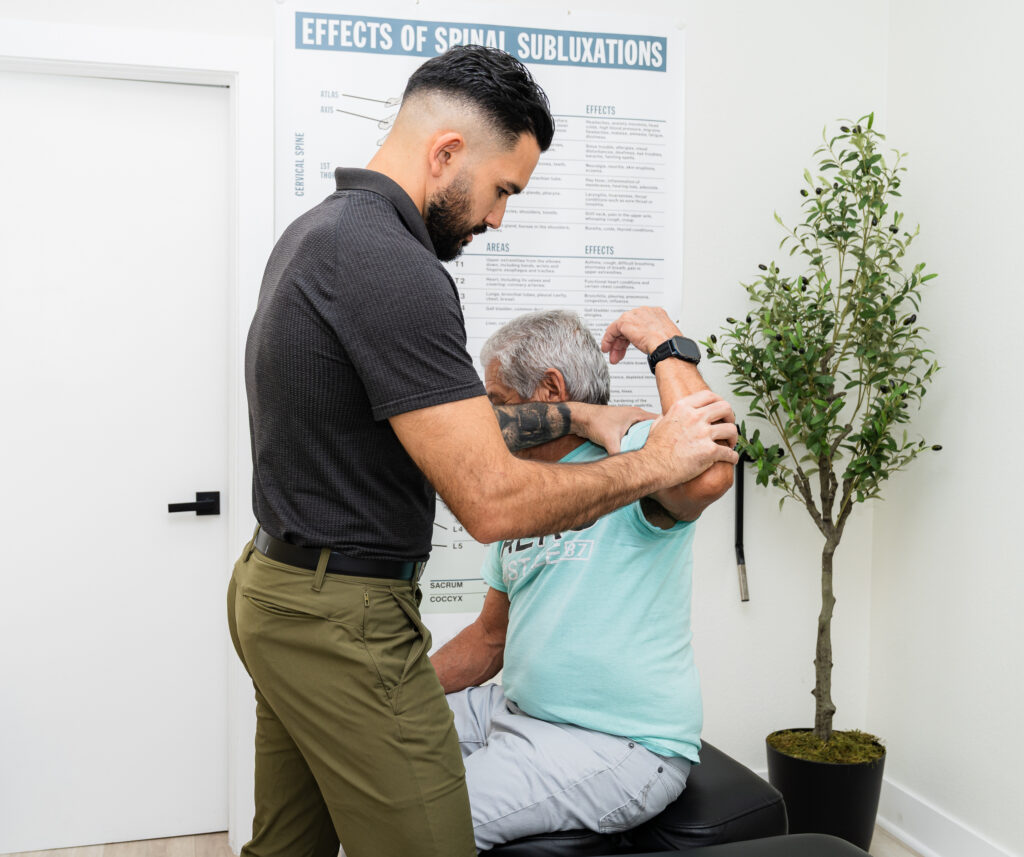

If you’re experiencing neck pain, you’re not alone. Many individuals face this common issue, which can disrupt daily activities and overall well-being. Thankfully, there are natural and effective home techniques you can implement to find relief. As a chiropractor, I want to emphasize that chiropractic care is one of the best options for not only alleviating pain but also promoting long-term health and wellness.
Incorporating simple stretching exercises into your daily routine can greatly benefit your neck. Gentle stretches help improve flexibility and reduce tension. Additionally, consider making small adjustments to your workspace—like ensuring your computer screen is at eye level and using an ergonomic chair—to support proper posture. Good posture is vital for spinal health and can help prevent neck pain.
Another effective technique is applying heat or cold to the affected area. Heat can relax tight muscles, while cold therapy can help reduce inflammation. Just be sure to listen to your body and choose the method that feels best for you.
Finally, regular chiropractic adjustments can be a game-changer for neck pain relief. A chiropractor can identify the underlying issues contributing to your discomfort and provide targeted treatment to restore proper alignment and function to your spine. This not only addresses your immediate pain but also helps prevent future issues.
Curious about how chiropractic care can specifically help you? Let’s explore these practical solutions together, empowering you to take charge of your health and find lasting relief from neck pain.
Stretching Exercises for Neck Relief
When you experience neck pain, incorporating stretching exercises into your daily routine can provide significant relief and support your overall spinal health. Simple stretches can help alleviate tension, enhance flexibility, and promote a healthier neck.
Start with the neck tilt: gently tilt your head to one side, bringing your ear toward your shoulder, and hold for 15-30 seconds. This stretch can help release tight muscles and improve your range of motion. Be sure to switch sides and repeat.
Another effective exercise is the chin tuck: pull your chin back, creating a double chin effect, and hold for five seconds. This movement not only strengthens your neck muscles but also encourages proper spinal alignment, which is essential for overall health.
Shoulder rolls are another great addition to your routine—lift your shoulders toward your ears and roll them back and down for 10 repetitions. This helps to release tension in both the neck and shoulders.
Finally, enhance your mobility by slowly turning your head to look left and right. This simple movement can help improve your neck’s flexibility and range of motion.
As you perform these stretches, remember to breathe deeply and avoid pushing into pain. Incorporating these exercises throughout your day can help you manage and reduce neck discomfort effectively.
While stretching is beneficial, it’s also important to consider how chiropractic care can enhance your journey to optimal health. Regular visits to a chiropractor can address underlying issues contributing to neck pain, providing you with a natural approach to healing.
Applying Heat or Cold Therapy
Applying heat or cold therapy can be a wonderful way to manage neck pain, supporting your body’s natural healing process. Each method has its own unique benefits and can be easily incorporated into your routine alongside chiropractic care.
If you’re experiencing muscle tension or stiffness, heat therapy is particularly helpful to relax those tight muscles. Consider using a heating pad, a warm towel, or even enjoying a warm shower to soothe the area. Aiming for 15 to 20 minutes of heat can really enhance your comfort and promote healing.
Conversely, if your neck pain is due to inflammation or an injury, cold therapy is your best ally. Ice packs or cold compresses can effectively reduce swelling and numb the area, offering quick relief. When using cold therapy, apply it for 10 to 15 minutes at a time and always ensure there’s a barrier between the ice and your skin to prevent frostbite.
Don’t hesitate to experiment with both heat and cold therapies to see which one feels best for you. Listening to your body is key—your comfort and response to these therapies can guide you in your healing journey.
As a chiropractor, I encourage you to view these therapies as complementary to chiropractic care, which addresses the root cause of pain and promotes overall wellness.
Together, these approaches can help you achieve optimal health and a pain-free lifestyle. Remember, the goal is to support your body’s ability to heal naturally!
Practicing Good Posture
Maintaining good posture is crucial for preventing and easing neck pain, and as your local chiropractor, I want to share some tips to help you achieve optimal health through natural practices.
When sitting or standing, remember to keep your shoulders back and your head aligned over your spine. Avoid slouching or leaning forward, as this can put unnecessary strain on your neck muscles.
If you’re sitting, ensure your feet are flat on the floor and your knees are at a right angle. This position helps distribute your body weight evenly and reduces tension in your neck.
When using your phone or computer, try to hold your devices at eye level. This helps prevent the common habit of looking down, which often leads to discomfort and pain.
Don’t forget to take regular breaks! Stretching and changing positions every so often allows your muscles to relax and recover.
Additionally, be cautious about how you carry heavy bags; switching sides regularly can prevent overloading one side of your neck, which is essential for maintaining balance and comfort.
By incorporating these simple posture tips into your daily routine, you can significantly reduce neck pain and improve your overall well-being.
Ergonomic Workspace Adjustments
To enhance your comfort and reduce neck pain while working, it’s essential to make ergonomic adjustments to your workspace. A well-arranged environment can significantly improve your posture and alleviate strain on your neck, ultimately supporting your spinal health.
As a chiropractor, I believe that these adjustments, combined with chiropractic care, can help you achieve optimal health and wellness. Here are some straightforward tips to get started:
- Adjust your chair height: Ensure your feet rest flat on the floor and your knees are at or slightly below hip level. This alignment promotes a healthy spine and helps prevent discomfort.
- Position your monitor: Set your monitor so that the top of the screen is at or just below eye level. This positioning allows you to keep your head in a neutral position, reducing unnecessary strain on your neck.
- Keep your keyboard and mouse close: They should be at the same level as your elbows, allowing your arms to rest comfortably. This helps maintain proper posture and can prevent muscle tension.
- Use a headset for calls: This simple adjustment prevents you from cradling your phone between your shoulder and ear, which can lead to neck strain. A headset keeps your hands free and your neck in a neutral position.
Incorporating these ergonomic changes into your workspace can lead to increased comfort and a noticeable reduction in neck pain.
Massage Techniques You Can Do at Home
When neck pain strikes, self-massage techniques can offer quick relief right in the comfort of your home. While these methods can be helpful, it’s important to remember that chiropractic care is one of the best ways to address the root cause of your discomfort and promote overall wellness.
Regular chiropractic adjustments not only help relieve neck pain but also support spinal health and improve your body’s natural ability to heal itself.
In the meantime, if you’re looking for some immediate relief, you can utilize your hands or some simple tools to ease tension and boost circulation in your neck. Here are some effective self-massage techniques you can try:
- Gentle Pressure: Use your fingertips to apply gentle pressure to the muscles on either side of your neck. Start at the base of your skull and work your way down to your shoulders, using circular motions. This can help release built-up tension.
- Stretch and Flex: Tilt your head from side to side and forward and backward to gently stretch the neck muscles. Pair this with your self-massage to enhance the relief you feel.
- Use a Massage Tool: If you have a massage ball or a foam roller, you can gently roll it along your neck and upper back to target tight spots. Just be sure to do this slowly to avoid any discomfort.
- Heat Therapy: Applying a warm compress to your neck can help relax tight muscles and improve blood flow. Consider following up your self-massage with some heat for enhanced relief.
- Stay Hydrated: Drinking plenty of water is vital for muscle health. Dehydration can lead to muscle cramps and tension, so keep your body well-hydrated.
While these techniques can provide temporary relief, I encourage you to consider scheduling a visit with your chiropractor. A professional can assess your condition, provide personalized adjustments, and guide you on how to maintain a healthy spine.
Self-Massage Techniques
Self-massage techniques can be a wonderful way to alleviate neck pain while enhancing your overall wellness from the comfort of your home.
While these techniques can provide temporary relief, it’s important to remember that chiropractic care is the most effective way to address the underlying causes of pain and promote long-term health.
However, incorporating self-massage can complement your chiropractic treatments. Here are some simple techniques to try:
- Kneading: Gently apply pressure with your fingers in circular motions on tight areas of your neck. This helps release tension and can be soothing.
- Pinching: Carefully pinch the muscles along your neck, particularly in spots that feel tense. This can help stimulate blood flow and relax the muscles.
- Stroking: Use your palms to stroke your neck from the base to the skull. This motion encourages circulation and can promote a feeling of relaxation.
- Stretching: Tilt your head from side to side while gently pressing with your hand. This provides a gentle stretch to the neck muscles, helping to improve flexibility.
Remember, while self-massage can provide relief, regular visits to your chiropractor can help address the root causes of your neck pain and ensure that your spine is aligned for optimal health.
Incorporate these techniques into your routine, and consider scheduling an appointment to discuss how chiropractic care can support your journey to wellness!
Tools for Relief
After exploring self-massage techniques, you may want to consider some additional tools that can enhance your neck pain relief efforts and complement your chiropractic care.
While these tools can be helpful, remember that regular chiropractic adjustments are the most effective way to address the root cause of your neck pain and promote overall wellness.
Foam rollers and massage balls are excellent tools that allow you to target specific tight spots in your neck and shoulders.
To use them, simply place the roller or ball on the floor, lean into it, and let your body weight do the work. This can help release tension and improve mobility, but don’t forget that chiropractic care can provide adjustments that align your spine, further relieving discomfort.
If you’re looking for something a bit more structured, a neck massager with heat can provide soothing relief.
Just wrap it around your neck and let it work its magic. However, keep in mind that while these tools can offer temporary relief, they’re best used in conjunction with regular chiropractic visits for lasting results.
Another option is a TENS unit, which can help reduce pain by sending electrical impulses to the area.
Again, while this can provide some relief, it’s important to view it as a supplement to your chiropractic treatment, which addresses the underlying issues contributing to neck pain.
Incorporating these tools into your routine can be beneficial, but always remember that the best approach to achieving optimal health and wellness is through consistent chiropractic care.
If you’re experiencing neck pain, consider scheduling an appointment with your chiropractor to discuss a personalized plan that works best for you.
Utilizing Essential Oils for Relaxation
Essential oils can be a wonderful addition to your wellness routine, especially when it comes to promoting relaxation and easing neck pain. While chiropractic care is your best option for addressing the root causes of discomfort and achieving optimal health, incorporating essential oils can complement your healing journey.
Here are some essential oils that may help you relax and soothe neck tension:
- Lavender: This oil is widely recognized for its calming effects. It can help reduce stress and support better sleep, which is crucial for overall recovery.
- Peppermint: With its cooling sensation, peppermint can relieve muscle tension and invigorate your senses, making it a great choice after a chiropractic adjustment.
- Eucalyptus: This oil not only promotes relaxation but also helps clear your airways, making it easier to breathe deeply and unwind after a long day.
- Chamomile: Known for its ability to reduce anxiety, chamomile can also help relax sore neck muscles, enhancing your overall comfort.
To make the most of these oils, consider adding a few drops to a diffuser to create a calming atmosphere in your home. Alternatively, you can mix them with a carrier oil and use them for a gentle massage. This can be a soothing way to support your chiropractic care and help alleviate neck pain.
Remember, while essential oils can provide additional comfort, regular chiropractic adjustments are key to addressing the underlying issues that lead to pain.
Incorporating Yoga and Meditation
Incorporating yoga and meditation into your daily routine can be a wonderful complement to chiropractic care, especially when it comes to managing neck pain. While chiropractic adjustments are vital for spinal health and pain relief, specific yoga poses can further alleviate tension in the neck area. Simple stretches and movements can help improve flexibility and strength, which are essential for maintaining a healthy spine.
Additionally, breathing techniques practiced in yoga can promote relaxation and reduce stress, which often contributes to neck discomfort. Mindfulness meditation can also play a key role in your overall wellness journey, helping you develop a positive mindset and better pain management strategies.
Remember, chiropractic care is your best ally for optimal health. It directly addresses the root causes of pain and promotes natural healing. By combining chiropractic adjustments with the gentle practices of yoga and meditation, you create a holistic approach to your wellness that can lead to lasting relief and improved quality of life.
Here are some general tips to enhance your routine:
- Start with gentle neck stretches, such as tilting your head side to side or gently rolling your shoulders.
- Practice deep breathing exercises for a few minutes each day to help calm your mind.
- Consider scheduling regular chiropractic visits to maintain spinal alignment and support your body’s natural healing processes.
Together, these practices can empower you to take control of your health and well-being!
Yoga Poses for Relief
Neck pain can be a frustrating and persistent issue that affects daily life, but there are natural ways to find relief. As a chiropractor, I believe that practicing specific yoga poses can complement your chiropractic care and provide significant benefits for neck pain.
These poses not only help ease tension but also improve flexibility and strengthen the neck muscles, supporting overall spinal health. Here are some effective yoga poses you can incorporate into your routine:
- Child’s Pose: This gentle pose stretches the neck and shoulders, promoting relaxation and helping to release built-up tension.
- Cat-Cow Stretch: A favorite among many, this dynamic stretch increases spinal flexibility and alleviates tightness in the neck, making it a great addition to your daily routine.
- Thread the Needle: This pose opens up the shoulders and releases tension in the neck, enhancing mobility and comfort.
- Seated Neck Release: Focused on gently stretching the neck muscles while seated, this pose can be easily integrated into your workday or relaxation time.
Incorporating these poses into your routine can work alongside your chiropractic adjustments to help manage and reduce neck pain effectively.
Remember to listen to your body, breathe deeply, and move mindfully throughout each pose.
Additionally, consider practicing good posture, staying hydrated, and taking regular breaks from prolonged positions to further support your neck health.
Chiropractic care, combined with these simple wellness techniques, can lead you on the path to optimal health and a pain-free life.
Breathing Techniques Explained
Breathing techniques are fundamental in promoting health and wellness, particularly when it comes to relieving tension and discomfort in your neck and shoulders. As a chiropractor, I often emphasize the importance of proper breathing as a natural way to enhance your overall well-being and support spinal health. By incorporating controlled breathing into your daily routine, you can experience significant relief from stress and pain.
One effective method to start with is diaphragmatic breathing. To practice this, inhale deeply through your nose, allowing your abdomen to rise as you fill your lungs with air. Then, exhale slowly through your mouth. This technique not only calms your nervous system but also encourages better oxygen flow, contributing to a relaxed state that supports your spine.
Another beneficial technique is the 4-7-8 breathing method. Inhale for a count of four, hold your breath for seven counts, and then exhale for eight counts. This practice enhances mindfulness and further aids in reducing tension. By regularly incorporating these breathing exercises, you can alleviate neck pain and promote a sense of calm that benefits your entire body.
Remember, consistency is key to achieving lasting relief. Alongside these breathing techniques, maintaining good posture and staying active are crucial elements of a healthier lifestyle.
As you prioritize your well-being, consider chiropractic care as a vital component in your journey toward optimal health. Together with proper breathing, chiropractic adjustments can help you unlock your body’s natural healing potential and enhance your overall quality of life.
Mindfulness Meditation Benefits
Mindfulness meditation, especially when combined with yoga practices, can significantly contribute to your overall well-being and help alleviate neck pain. As a chiropractor, I believe in the power of natural healing methods, and incorporating mindfulness meditation into your routine can be a great complement to chiropractic care.
Here’s how mindfulness meditation can benefit you:
- Reduces stress: Mindfulness meditation helps lower cortisol levels, the stress hormone, which can ease tension in your neck and shoulders. By managing stress, you create a more conducive environment for your body to heal naturally.
- Improves focus: Practicing mindfulness enhances your concentration and awareness. This heightened focus can help you maintain better posture throughout the day, reducing the strain on your neck and spine.
- Boosts body awareness: Through mindfulness, you cultivate a deeper understanding of your body. This awareness allows you to notice and address tension before it escalates into pain, helping you stay proactive in your health journey.
- Promotes relaxation: The combination of meditation and yoga encourages deep relaxation, which can directly alleviate neck discomfort. This relaxation response can also aid in the healing process when paired with chiropractic adjustments.
Incorporating mindfulness meditation into your daily routine can be a valuable tool in your journey toward pain relief and optimal health.
Staying Hydrated for Muscle Health
Staying properly hydrated is crucial for maintaining muscle health and can significantly help in preventing neck pain. Your muscles, including those in your neck, need adequate hydration to function at their best. When your body is dehydrated, muscle fibers can become stiff, which often leads to tension and discomfort.
Drinking enough water not only helps maintain healthy blood circulation, which is essential for delivering nutrients to your muscles, but it also assists in flushing out toxins that can accumulate and contribute to pain. A good rule of thumb is to aim for at least eight 8-ounce glasses of water daily. If you’re active or live in a warmer climate, you may need even more.
To make staying hydrated easier, keep a water bottle with you throughout the day as a reminder to drink. You can also incorporate hydrating foods, like fruits and vegetables, into your diet. By prioritizing hydration, you’re not just supporting your muscle health; you’re also taking proactive steps to reduce the risk of neck pain and enhance your overall well-being.
As a chiropractor, I emphasize that while proper hydration is vital, regular chiropractic care is also key to achieving optimal health. Chiropractic adjustments can help improve spinal alignment, which in turn can enhance your body’s ability to hydrate effectively.
When your spine is in alignment, your nervous system functions better, helping your body regulate hydration and nutrient distribution more efficiently. Incorporating both proper hydration and chiropractic care into your wellness routine is a fantastic way to promote better muscle health and reduce discomfort.
Sleep Position Tips for Neck Comfort
Getting enough rest is essential for overall wellness, especially when it comes to preventing neck pain. The way you sleep can significantly impact your recovery overnight. Here are some chiropractic tips to ensure your neck remains comfortable while you sleep:
- Choose the Right Pillow: Opt for a supportive pillow that keeps your neck aligned with your spine. This alignment is crucial for reducing strain and promoting healing.
- Sleep Position Matters: It’s best to sleep on your back or side rather than your stomach. Sleeping on your stomach can twist your neck and lead to discomfort.
- Support for Side Sleepers: If you prefer sleeping on your side, use a pillow that contours to the natural curve of your neck. This will help maintain proper alignment and reduce tension.
- Maintain Neutral Spine: For back sleepers, placing a small pillow under your knees can help maintain a neutral spine position, which is vital for reducing strain on your neck and back.
Remember, chiropractic care can enhance your sleep quality and overall well-being. Regular adjustments help ensure your spine remains aligned, which can aid in reducing pain and promoting natural healing.
Embracing these sleep position strategies, along with chiropractic care, can lead to a healthier, pain-free life.
Conclusion
Incorporating these home techniques can significantly relieve neck pain and enhance your overall well-being. Stretching gently, applying heat or cold, and maintaining good posture are essential practices that promote comfort and flexibility. It’s also crucial to adjust your workspace ergonomically to support your spine and neck health.
Consider exploring self-massage techniques or using essential oils for added relaxation. Activities like yoga and meditation not only help alleviate tension but also foster a sense of calm, contributing to your overall health. Staying hydrated is vital too, as it supports muscle function and recovery.
While these strategies can be beneficial, don’t forget the importance of chiropractic care. Regular adjustments from a chiropractor can help address the root causes of neck pain, ensuring proper spinal alignment and optimal function. By integrating these home techniques with professional chiropractic care, you can take control of your neck pain and embrace a healthier, more vibrant life.