
As a local chiropractor, I want to share some valuable insights about how chiropractic care can aid in your recovery from sports injuries. Many people are not familiar with the various techniques we use, and understanding them can significantly enhance your healing process.
For instance, spinal adjustments are a cornerstone of chiropractic care, helping to correct misalignments that can contribute to pain and dysfunction. Additionally, techniques like the Active Release Technique specifically target soft tissue injuries, promoting healing and improving flexibility.
You may also be intrigued by tools like the Graston Technique, which utilizes specialized instruments to break down scar tissue and improve mobility, or kinesiology taping, which can provide support to injured areas while allowing for full range of motion.
It's important to remember that effective recovery goes beyond just the treatments themselves; it's about a comprehensive approach that is tailored to your unique needs. As you begin your healing journey, consider how these chiropractic techniques can play a role in your recovery. What new possibilities might you uncover along the way?
Spinal Adjustments
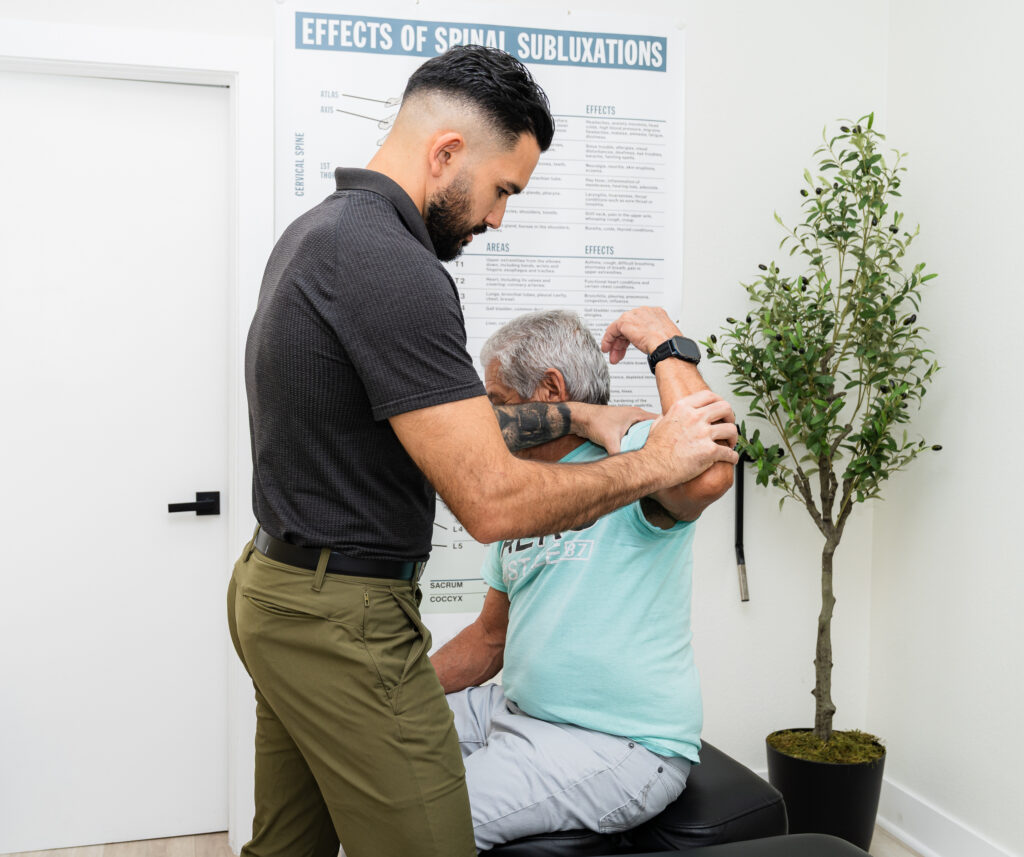
As a local chiropractor, I want to share with you the vital role spinal adjustments can play in your recovery from sports injuries. Many people don't realize that when you sustain an injury, the alignment of your spine can be affected. This misalignment can lead to pain, decreased mobility, and may even create additional complications if left unaddressed. That's where chiropractic care comes into play.
During a spinal adjustment, I use specific techniques to gently manipulate your spine back into proper alignment. This process alleviates pressure on your nerves, reduces inflammation, and enhances your overall bodily function. Many of my patients report feeling an immediate decrease in pain and an increase in mobility after just a few sessions.
Moreover, spinal adjustments can significantly boost your body's healing capabilities. By improving blood flow and lymphatic drainage, we ensure that your muscles and tissues receive the necessary nutrients and oxygen they need to heal more quickly. An enhanced range of motion is also crucial for getting you back to your sport safely and effectively.
It's important to understand that everyone's recovery journey is different. That's why I take the time to create a personalized treatment plan tailored to your specific injury and overall health. Regular spinal adjustments not only aid in your current recovery but also serve as a preventative measure against future injuries by maintaining your spine's alignment and keeping your body in optimal condition.
Incorporating spinal adjustments into your recovery routine can truly make a significant impact. By focusing on correcting spinal misalignments, we're not just alleviating symptoms; we're working towards a comprehensive solution that supports your long-term health and enhances your athletic performance.
Don't overlook the transformative benefits of chiropractic care as you navigate your path to recovery!
Active Release Technique
Active Release Technique (ART) is an effective, hands-on therapy designed to alleviate muscle tension and address soft tissue injuries. This method is particularly advantageous for individuals engaged in physical activities, whether you're an athlete or simply someone who leads an active lifestyle.
By concentrating on the underlying mechanisms of muscle and tissue function, ART works to break up scar tissue and promote the restoration of normal movement and function. Understanding how ART can enhance your recovery process and improve your overall performance can empower you to take control of your health and well-being naturally.
As your local chiropractor, I'm here to help you explore the benefits of this therapy and guide you on your journey to better health.
Mechanism of Action
As a local chiropractor, I want to introduce you to a valuable technique we use called Active Release Technique (ART). This method focuses on relieving tension in your muscles, tendons, and fascia, which can often lead to pain and limited movement.
When you sustain an injury, your body tends to respond by tightening these tissues, forming adhesions that can restrict your mobility.
In an ART session, I'll use my hands to apply specific pressure to these tense areas while guiding you through certain movements. This combination helps break down any scar tissue and restore normal function.
You may feel my fingers working through different layers of tissue to locate tight spots, and I'll encourage you to actively engage by moving your body in targeted ways. This dynamic interaction allows for a more effective release of restrictions.
Moreover, ART enhances blood circulation to the affected regions, which is crucial for delivering important nutrients and removing waste products. This process not only accelerates healing but also reduces inflammation.
By addressing the root causes of your discomfort, ART aims to not only relieve your pain but also support your long-term recovery. Many patients notice improvements in their range of motion and overall function, which is essential for getting back to the activities you love.
I'm here to help you understand how natural healing techniques like ART can significantly enhance your well-being!
Benefits for Athletes
As a local chiropractor, I want to share the benefits of incorporating Active Release Technique (ART) into your recovery routine, especially if you're an athlete or someone who engages in regular physical activity.
ART is a hands-on therapy that focuses on soft tissue injuries by addressing adhesions and restrictions in muscles, tendons, and fascia. By utilizing this technique, you can alleviate pain, enhance flexibility, and increase your range of motion, allowing you to train more effectively and recover more quickly.
When you make ART a regular part of your routine, you can expect improved circulation, which plays a vital role in the healing process. This can lead to less downtime and faster returns to your favorite activities or sports.
Additionally, ART helps reduce muscle tension, which is crucial for preventing future injuries. The technique zeroes in on specific areas of discomfort, ensuring that your body receives the tailored care it needs for optimal recovery.
Beyond recovery, ART can also elevate your overall athletic performance. By optimizing muscle function and alignment, you'll find it easier to perform movements with precision and power.
This enhancement can provide you with a competitive edge in both training and competitions. Ultimately, incorporating ART into your routine can revolutionize your approach to recovery, making it an invaluable resource for maintaining peak performance while minimizing the risk of injury.
If you're new to chiropractic care and natural healing, I encourage you to consider ART as a beneficial addition to your wellness journey.
Graston Technique
The Graston Technique is an innovative approach that utilizes specialized tools to enhance soft tissue mobilization, making it an excellent option for anyone looking to improve their recovery and overall well-being.
This technique effectively breaks down scar tissue and boosts circulation, leading to a faster healing process.
By incorporating Graston into your wellness routine, you may experience significant benefits in your daily activities and overall physical performance.
Let's delve into how this technique can support your journey towards better health and vitality.
Tool-Assisted Soft Tissue Mobilization
As a local chiropractor, I want to introduce you to a valuable technique we use here called Tool-Assisted Soft Tissue Mobilization, often referred to as the Graston Technique. This method utilizes specialized stainless steel instruments to help you recover from sports injuries and other musculoskeletal issues.
The primary goal of the Graston Technique is to break down scar tissue and fascial restrictions, which can hinder your mobility and function. Many patients are surprised to learn that these areas of tension and dysfunction may not be easily detected through traditional hands-on methods. By using these tools, we can pinpoint problem areas more effectively.
During a typical session, I'll gently glide the instruments over your skin. While some may find this sensation a bit uncomfortable, most patients tolerate it well. The process is designed to stimulate blood flow to the affected regions, which promotes healing and reduces inflammation. You may even notice immediate improvements in your range of motion and a decrease in pain following treatment.
Incorporating the Graston Technique into your overall treatment plan can be particularly beneficial if you're an athlete recovering from injuries. It specifically targets soft tissues that have been affected by overuse or trauma.
I encourage open communication during your sessions; please share how you're feeling, as we can adjust the treatment to ensure your comfort.
Benefits for Athletic Recovery
As a local chiropractor, I understand that athletes recovering from injuries often look for effective methods to regain their strength and mobility. One approach I recommend is the Graston Technique, which offers several benefits tailored specifically for recovery.
This innovative technique employs specialized stainless steel instruments to identify and treat restrictions in soft tissue. One of the primary advantages is that it enhances blood flow. By promoting circulation, the Graston Technique accelerates healing by delivering essential nutrients to the injured area. Many athletes report reduced inflammation and pain, allowing them to return to their training routines more quickly.
Moreover, this technique is effective in breaking down scar tissue and addressing fascial restrictions. By targeting these problematic areas, the Graston Technique can significantly improve your range of motion and flexibility, both of which are crucial for optimal athletic performance.
It also helps realign muscle fibers, ensuring your body moves more efficiently. Incorporating the Graston Technique into your rehabilitation plan can't only speed up your recovery but also enhance your overall athletic performance.
With regular sessions, many athletes find they experience increased strength and resilience, which can help reduce the risk of future injuries. Ultimately, the Graston Technique is a valuable tool for anyone looking to reach their peak potential in sport and physical activity.
If you're curious about how chiropractic care and natural healing can support your recovery journey, I invite you to learn more about this technique and how it can benefit you.
Kinesiology Taping
As a local chiropractor, I want to share with you the benefits of kinesiology taping, especially if you're recovering from sports injuries. This technique is a fantastic way to provide support and stability while still allowing for a full range of motion during your healing process.
By applying elastic therapeutic tape to targeted areas of your body, we can help to reduce pain and inflammation, making it a valuable tool for various injuries, including sprains and muscle strains.
When kinesiology tape is applied, it creates a lifting effect on your skin, which can significantly improve circulation and support lymphatic drainage. This not only promotes faster healing but can also enhance your athletic performance.
Here are some key benefits you might experience from kinesiology taping:
- Pain Relief: The tape works by alleviating discomfort and reducing pressure on pain receptors, providing much-needed relief.
- Support for Muscles and Joints: It offers additional support without restricting your movement, allowing you to continue with your athletic activities.
- Improved Proprioception: Taping enhances your body's awareness of its position, which is crucial in preventing further injuries.
- Increased Range of Motion: With kinesiology tape, you can move freely, enabling you to engage fully in your sport while you recover.
Incorporating kinesiology taping into your recovery routine can truly be transformative. Whether you're preparing for a competition or simply looking to stay active, this technique can play a significant role in your rehabilitation journey and help you return to your peak performance.
As always, I recommend consulting with a qualified professional, like myself, to ensure proper application and maximize the benefits of kinesiology taping. Your health and well-being are our top priority!
Myofascial Release
As a local chiropractor, I want to share with you the benefits of myofascial release, a technique that can significantly aid in your recovery from sports injuries. If you're unfamiliar with chiropractic care and natural healing, let me explain how this hands-on approach can enhance your well-being.
Myofascial release specifically targets the fascia, the connective tissue that envelops your muscles. When this tissue becomes tight or restricted, it can hinder your recovery and lead to discomfort. By focusing on these tight areas, myofascial release can improve blood circulation, enhance flexibility, and alleviate pain—essential factors for a swift recovery.
During a myofascial release session in my office, you'll be comfortably positioned as I apply gentle, sustained pressure to the affected areas. It's normal to experience some discomfort as we work through knots and tight spots, so I encourage open communication about your pain levels. Your feedback is invaluable, and I'll adjust my techniques accordingly to ensure you receive the maximum benefit without adding any strain.
This method is particularly advantageous for athletes, as it can help break down scar tissue and accelerate the healing process. Whether you're coping with a sprained ankle, a strained muscle, or chronic pain due to overuse, myofascial release could be a transformative part of your recovery.
Moreover, it complements other recovery strategies like stretching and strengthening exercises, offering a holistic approach to rehabilitation.
Cold Laser Therapy
As a local chiropractor dedicated to helping our community recover from injuries, I want to introduce you to an often-overlooked but highly effective treatment option: Cold Laser Therapy.
If you've been dealing with persistent pain or inflammation, this non-invasive technique could significantly enhance your recovery journey. Utilizing low-level lasers, cold laser therapy stimulates healing at the cellular level, promoting tissue repair and alleviating discomfort without the reliance on medications or surgical interventions.
Here's what you can expect when you choose cold laser therapy:
- Reduced Inflammation: The laser precisely targets swollen tissues, helping to diminish inflammation and speed up the healing process.
- Pain Relief: As the laser penetrates your skin, it encourages the release of endorphins, providing natural pain relief.
- Enhanced Blood Flow: Improved circulation promotes the delivery of essential nutrients and the removal of waste, maximizing your body's capacity to heal.
- Faster Recovery Times: By stimulating tissue regeneration, cold laser therapy can significantly shorten the time it takes to recover from injuries.
This therapy can be particularly beneficial for common conditions such as tendonitis, sprains, or strains.
It's completely safe, painless, and can seamlessly fit into your overall treatment plan. If you're seeking a way to improve your recovery and return to your favorite activities sooner, I encourage you to discuss cold laser therapy with me during your next visit.
This innovative approach might be just what you need to elevate your healing process!
Rehabilitation Exercises
As a local chiropractor, I want to emphasize the importance of rehabilitation exercises when recovering from a sports injury.
It's crucial to focus on strengthening your core muscles while also incorporating flexibility and mobility drills into your routine.
These exercises aren't just beneficial for your recovery; they play a vital role in preventing future injuries as well.
By engaging in these natural healing practices, you can enhance your overall well-being and support your body's ability to heal itself.
I encourage you to consider these exercises as a key component of your recovery journey.
Strengthening Core Muscles
As a local chiropractor, I want to emphasize the importance of core strength in your recovery from sports injuries. A strong core stabilizes your body, which not only enhances your overall performance but also plays a crucial role in preventing future injuries.
By focusing on core muscle strengthening, you're building a solid foundation that supports your movements. Here are some effective exercises I recommend incorporating into your rehabilitation routine:
- Planks: This exercise engages your entire core. Hold a plank position, ensuring your body is straight from head to heels. It's a great way to build endurance in your core muscles.
- Russian Twists: Sit on the floor and lean back slightly. Twist your torso side to side, which effectively targets your oblique muscles. This exercise helps improve rotational strength, vital for many sports.
- Bird-Dogs: Begin on all fours and extend one arm and the opposite leg while keeping your spine neutral. This exercise enhances your balance and coordination, both of which are essential for injury prevention.
- Dead Bugs: Lie on your back with your arms lifted and legs bent. Lower one arm and the opposite leg toward the ground, then switch sides. This promotes stability and is particularly effective in engaging your deep core muscles.
Incorporating these exercises into your daily routine can significantly aid your recovery process.
Remember, consistency is key! As you strengthen your core, you'll notice improved stability and a lower risk of re-injury, which will help you return to your favorite sports activities with renewed confidence.
If you have any questions or need guidance on your rehabilitation journey, don't hesitate to reach out. Your health and well-being are my top priorities.
Flexibility and Mobility Drills
As a local chiropractor dedicated to your health and recovery, I want to emphasize the importance of incorporating flexibility and mobility drills into your routine, especially after experiencing sports injuries. These exercises are vital for restoring your range of motion, alleviating muscle tension, and enhancing your overall athletic performance. By consistently integrating these drills, you can significantly improve your body's natural healing process and reduce the risk of future injuries.
Begin your routine with dynamic stretches, such as leg swings and arm circles, to gently warm up your muscles. These movements not only boost blood circulation but also prepare your body for more rigorous activities.
Once you've adequately warmed up, shift your focus to static stretches, where you hold each position for 15 to 30 seconds. Pay special attention to areas that may have tightened during your injury, like your hamstrings, calves, and hip flexors.
In addition to these stretches, consider incorporating mobility drills such as hip openers and thoracic spine rotations. These exercises are designed to enhance joint function and alleviate stiffness, which is crucial for your recovery.
I recommend dedicating at least 10-15 minutes each day to these drills, making them a regular part of your routine.
Always listen to your body—if you experience any discomfort, it's important to ease off and adjust your movements accordingly. Consistency is essential in this process, so make a commitment to practice these drills regularly.
Nutritional Support
As a local chiropractor, I want to emphasize the vital role that nutrition plays in your recovery from a sports injury. Many people may not realize that the right nutrients can significantly speed up your healing process, reduce inflammation, and help repair damaged tissues.
By focusing on what you eat, you empower your body to heal more effectively, complementing the chiropractic care you receive.
Here are some essential nutrients to consider incorporating into your diet during your recovery:
- Protein: Include sources such as lean meats, fish, beans, and nuts. Protein is crucial for repairing muscles and tissues, so ensure you're meeting your protein needs to support your healing.
- Omega-3 Fatty Acids: Foods like salmon, walnuts, and flaxseeds are excellent choices. These healthy fats help reduce inflammation and support joint health, which can make a noticeable difference in your recovery.
- Vitamins and Minerals: Focus on leafy greens, colorful fruits, and whole grains, which are packed with vitamins A, C, and D, as well as important minerals like calcium and magnesium. These nutrients are vital for bone health and enhancing your immune function, both of which contribute to a faster recovery.
- Hydration: Staying well-hydrated is essential! Water plays a critical role in transporting nutrients throughout your body and flushing out toxins, which aids in the recovery process.
Integrating these foods into your daily diet goes beyond just eating healthier; it's about fueling your body for optimal recovery.
Pay close attention to how you feel when you nourish your body properly—you may find that you return to your favorite activities more quickly.
As your chiropractor, I'm here to support you on your healing journey, and I encourage you to take charge of your nutrition as part of your overall wellness strategy.
Postural Assessment
As a local chiropractor, I want to emphasize that nutrition is just one piece of the puzzle when it comes to recovering from a sports injury. Your posture plays a crucial role in your healing journey as well. When you experience an injury, poor posture can intensify pain and slow down the recovery process. That's why a proper postural assessment is so important; it helps us identify any imbalances and misalignments that might be hindering your recovery.
During your postural assessment, I'll evaluate your body's alignment while you stand, sit, and move. I'll be looking for any deviations from what we consider ideal posture, such as rounded shoulders or a forward head position. These imbalances can put extra stress on your muscles and joints, making it more difficult for your body to heal effectively.
Once we identify any postural issues, I'll create a personalized treatment plan tailored to your needs. This plan may include specific exercises designed to strengthen weak muscles and stretch tight ones. By focusing on improving your posture, we can reduce tension in your body and encourage healthier movement patterns, which are essential for your recovery.
I also want to stress the importance of maintaining good posture during your everyday activities. Being mindful of how you sit, stand, and move throughout the day can help prevent unnecessary strain on your injury. I can provide you with practical tips for maintaining proper posture in various situations, ensuring that you stay on track for a complete recovery.
Incorporating a postural assessment into your recovery strategy can significantly enhance your healing process and help you return to your sport even stronger than before. If you have any questions about how chiropractic care can support your recovery, please don't hesitate to reach out. I'm here to help you on your journey to wellness.
Patient Education
As your local chiropractor, I want to emphasize how important it's to understand your injury and the recovery process for effective healing. When you come to see me, you're not just receiving treatment; you're entering a partnership in your journey toward recovery.
Patient education is a cornerstone of this collaboration. By learning about your injury and the necessary steps for recovery, you can take control of your healing process.
Here are some key elements that I believe will enhance your understanding:
- Anatomy of Your Injury: Let's dive into the specific muscles, tendons, or ligaments that are affected by your injury. Understanding what's involved will give you insight into how the healing process works.
- Recovery Timeline: I'll help you understand how long recovery might take and what milestones you can expect along the way. This knowledge will enable you to set realistic goals and maintain motivation throughout your healing journey.
- Rehabilitation Exercises: I may recommend specific stretches or strength-building exercises tailored to your injury. It's important that you become familiar with these exercises so you can perform them correctly at home, maximizing their effectiveness.
- Lifestyle Adjustments: Together, we can discuss modifications in your daily life that can support your healing, such as proper nutrition, staying hydrated, and avoiding certain activities that could hinder your recovery.
By engaging in this educational process, you're taking an important step toward empowering yourself and promoting your own natural healing.
I'm here to guide you every step of the way!
Conclusion
As your local chiropractor, I want to share how incorporating some essential chiropractic techniques into your recovery plan can significantly improve your performance and overall well-being. Many people are unaware that chiropractic care can help address misalignments in your body, relieve muscle tension, and enhance mobility. By focusing on these areas, you can not only heal more quickly from sports injuries but also lower the chances of experiencing future injuries.
It's also important to recognize the role of nutritional support in your healing journey. Proper nutrition can aid recovery and bolster your body's defenses. Additionally, I encourage patient education; understanding how your body works and how chiropractic care can help empowers you to take charge of your health.
By staying proactive and informed about your well-being, you set yourself up for success—both on and off the field. If you have any questions about how chiropractic techniques can benefit you, feel free to reach out. I'm here to help you achieve optimal health!