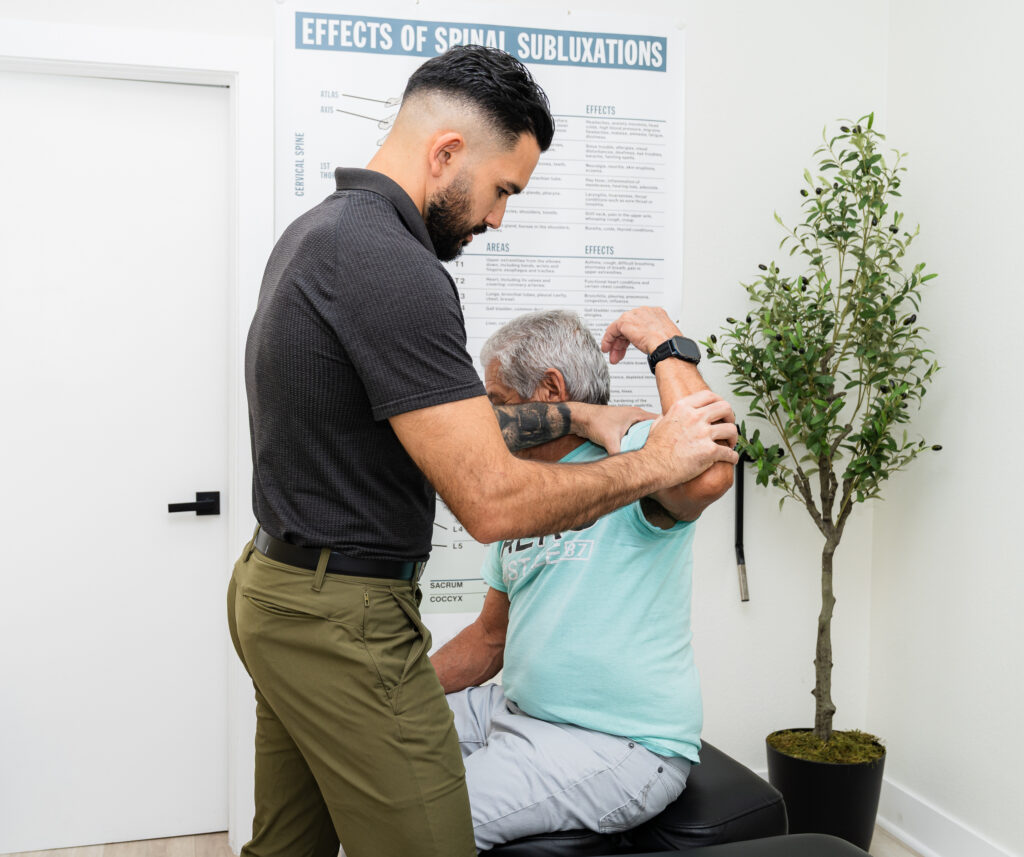

As a local chiropractor, I understand that many people struggle with lower back discomfort at some point in their lives. You are not alone in this experience, and I want to assure you that there are effective strategies available to help manage and alleviate your pain. One of the key approaches is maintaining good posture, which can significantly reduce strain on your lower back. Additionally, incorporating regular stretching into your routine can promote flexibility and strengthen the muscles that support your spine.
But these are just a few starting points. As your chiropractor, I’m here to guide you through practical tips that can enhance your daily comfort and overall well-being. By understanding how your body functions and the importance of spinal health, you can take control of your discomfort and improve your quality of life. Let’s dive deeper into some natural healing methods that can make a real difference for you.
Maintain Good Posture
As a local chiropractor, I want to emphasize the importance of maintaining good posture for your lower back health. Proper posture is fundamental in keeping your spine aligned and your back comfortable.
Whether you’re sitting or standing, think about keeping your shoulders back and your spine straight. Avoid the tendency to slouch or lean forward, as these habits can put undue strain on your lower back muscles.
When you’re seated, it’s crucial to keep your feet flat on the ground and your knees bent at a right angle. Opt for a chair that offers good lumbar support to help maintain the natural curve of your lower back.
If you’re standing, aim to distribute your weight evenly across both feet and keep your head in a neutral position. Engaging your core muscles can provide additional support to your spine.
And remember, when lifting objects, always bend your knees and keep your back straight, letting your legs do the heavy lifting instead.
By consciously practicing good posture throughout your daily activities, you can significantly reduce the risk of lower back discomfort and enhance your overall well-being.
If you have any questions about how to improve your posture or if you’re experiencing discomfort, don’t hesitate to reach out for guidance. Your spine will thank you!
Incorporate Regular Stretching
As a local chiropractor, I often emphasize the importance of incorporating regular stretching into your daily routine, especially if you’re dealing with lower back discomfort. Many may not realize how beneficial stretching can be for alleviating tension and improving overall well-being.
By enhancing flexibility and promoting better blood circulation, stretching can significantly reduce tightness in your back muscles.
I recommend focusing on stretches that specifically target the lower back, hips, and hamstrings, as tightness in these areas is frequently linked to discomfort. Simple stretches such as the cat-cow pose or the child’s pose can be incredibly effective in releasing built-up tension.
For optimal results, it’s ideal to stretch every day, particularly if you find yourself sitting for extended periods. When stretching, aim to hold each position for at least 20-30 seconds and remember to breathe deeply.
It’s crucial to avoid bouncing or forcing any movements, as this can lead to injury. Always listen to your body; if any stretch causes pain, it’s important to ease off.
Strengthen Core Muscles
As a chiropractor, I often emphasize the importance of strengthening your core muscles for not only alleviating lower back discomfort but also enhancing your overall stability. Your core plays a vital role in supporting your spine and distributing weight evenly, which can significantly reduce strain on your back.
To build a strong core, consider incorporating exercises such as planks, bridges, and abdominal crunches into your weekly routine. These exercises engage not just your abdominal muscles but also your obliques and lower back, creating a balanced foundation that’s essential for good posture and spinal health.
I recommend aiming for at least two to three core workouts each week, gradually increasing the intensity as your strength improves. It’s crucial to maintain proper form during each exercise to ensure effectiveness and minimize the risk of injury.
Additionally, you might want to explore stability ball exercises; these can further challenge your balance and engage your core muscles in unique ways.
Strengthening your core is a natural and effective approach to support your spine and enhance your overall well-being. Remember, a strong core not only helps alleviate discomfort but also contributes to a healthier, more active lifestyle.
Use Proper Lifting Techniques
As a local chiropractor dedicated to promoting your health and well-being, I want to emphasize the importance of using proper lifting techniques, especially when it comes to heavy objects.
It’s crucial to bend at your knees rather than your waist to avoid unnecessary strain on your lower back. Keeping the load close to your body not only makes lifting easier but also significantly reduces the risk of discomfort and injury.
By incorporating these techniques into your daily activities, you can protect your spine and enhance your overall health.
Bend at Knees
As a Chiropractor, I often see patients struggling with lower back discomfort, and I want to share some vital techniques that can help you avoid such issues.
One of the most crucial practices is to always bend at your knees instead of your waist when lifting objects. This simple adjustment can significantly improve your posture and minimize strain on your spine.
Here are some key tips to keep in mind when lifting:
- Stand close to the object: By keeping the object within reach, you reduce the risk of overextending your back.
- Squat down: Remember, the power comes from your legs! Bend your knees while keeping your back straight, rather than bending at your waist.
- Maintain a straight back: As you lift, ensure your back remains aligned and your head stays up to promote good posture.
- Use your legs: Engage those strong leg muscles to lift yourself up, rather than relying on your back, which is more vulnerable to injury.
By incorporating these techniques into your daily routine, you can help protect your spine and promote overall wellness.
If you have any questions about lifting or other ways to enhance your natural healing journey, feel free to reach out!
Keep Load Close
As a local chiropractor, I understand how important it’s to take care of your body, especially when it comes to lifting heavy objects. One of the key principles I want to share with you is the importance of keeping the load close to your body to prevent lower back discomfort.
When you’re about to lift something, make sure to position it as close to your midsection as possible. This approach minimizes the strain on your back, allowing your legs and core muscles to bear the load more effectively.
I often see patients who reach out or stretch their arms too far while lifting; this can disrupt your balance and significantly increase your risk of injury.
If you’re lifting something heavy, remember to engage your core muscles and maintain a straight back throughout the movement. When carrying the load, keep your elbows tucked in and your shoulders relaxed.
By incorporating these simple yet effective techniques into your lifting routine, you can protect your lower back and lift more efficiently. This not only makes every move safer but also promotes overall well-being, which aligns with my approach to natural healing and chiropractic care.
Take care of your body, and it will take care of you!
Stay Active With Low-Impact Exercises
As a local chiropractor, I want to emphasize the importance of staying active for managing lower back discomfort. Engaging in low-impact exercises can be incredibly beneficial for your body, as these activities are gentle yet effective in promoting healing and comfort.
They can help to strengthen your muscles, enhance flexibility, and alleviate pain. Here are four low-impact exercises I recommend incorporating into your routine:
- Walking: This is one of the simplest and most effective ways to keep your body moving without putting undue strain on your back. A daily walk can do wonders for your overall health.
- Swimming: The buoyancy of water provides excellent support for your body, allowing you to enjoy a full range of motion without the risk of injury. Swimming can be a refreshing way to stay fit while minimizing stress on your back.
- Yoga: Practicing yoga can significantly improve your flexibility and core strength. Focus on gentle stretches and poses that promote relaxation and stability, which are essential for maintaining a healthy spine.
- Cycling: Whether you prefer riding a stationary bike indoors or cycling outdoors, this activity is fantastic for maintaining an active lifestyle while keeping impact low. It helps strengthen your legs and core without putting pressure on your back.
Incorporating these exercises into your daily routine can be a natural way to support your body’s healing process and enhance your overall well-being.
If you’re interested in learning more about how chiropractic care can complement your exercise routine, I’d be happy to discuss this further with you.
Apply Heat or Cold Therapy
As a local chiropractor, I want to share some valuable insights on how heat and cold therapy can significantly aid in managing lower back discomfort. Many of my patients have found relief through these methods, and I believe you can too.
Cold therapy, such as using ice packs, is particularly effective for reducing inflammation and numbing sharp pain. I recommend applying cold therapy for about 15-20 minutes at a time, especially after engaging in physical activities or when you first notice any discomfort.
Just a quick tip: always wrap the ice pack in a cloth to protect your skin from frostbite.
On the flip side, heat therapy is fantastic for relaxing tense muscles and enhancing blood circulation. Utilizing a heating pad or a warm towel can provide soothing relief to your back. You should apply heat for 15-30 minutes, but please avoid it if you notice any swelling.
Many of my patients have had great success by alternating between heat and cold therapy, as this combination brings together the benefits of both methods. I encourage you to experiment with each one and pay close attention to how your body responds.
Listening to your body is crucial in this process. Adjust your approach based on what feels right for you.
With a bit of patience, you can discover effective ways to relieve your discomfort and enjoy a more comfortable, active lifestyle. If you have any questions or need further guidance, don’t hesitate to reach out—I’m here to help!
Consider Professional Help
Are you struggling with lower back discomfort? As a local chiropractor, I understand that sometimes self-care mightn’t be sufficient. Seeking professional help can be a vital step in your journey to recovery. Here are some key insights about chiropractic care and how it can benefit you:
- Spinal Adjustments: Chiropractic adjustments focus on realigning your spine, which can lead to immediate relief from pain and discomfort. By addressing misalignments, we can help restore your body’s natural function.
- Personalized Treatment Plans: During your visit, I’ll work with you to create a customized treatment plan that may include specific exercises designed to strengthen your back and prevent future issues.
- Muscle Relaxation Techniques: In addition to adjustments, we often incorporate techniques that alleviate muscle tension and improve circulation, which can enhance your healing process.
- Comprehensive Pain Management: If you’re experiencing chronic pain, I can provide a range of non-invasive treatment options that focus on your specific condition, helping you to manage pain effectively without relying solely on medications.
Don’t wait to seek the help you deserve. Addressing lower back discomfort early on can lead to better long-term outcomes and a significantly improved quality of life.
I’m here to guide you on your path to recovery—let’s take that important step together today!
Conclusion
As your local chiropractor, I want to share some valuable tips for managing lower back discomfort and enhancing your overall well-being naturally. One of the first steps is to maintain good posture throughout your daily activities. This simple adjustment can significantly reduce strain on your back. Additionally, incorporating stretching into your routine can help keep your muscles flexible and alleviate tension.
Strengthening your core is another essential aspect of back health. A strong core supports your spine and can prevent discomfort. When lifting objects, always use proper techniques—bend at the knees and keep your back straight to avoid injury. Staying active is crucial, so consider low-impact exercises like walking or swimming, which can keep your back strong without putting too much pressure on it.
Heat or cold therapy can also provide relief; applying a warm compress or ice pack can help soothe inflammation. If you find that self-care strategies are not enough, I encourage you to seek professional help. Chiropractic care can offer natural healing and tailored treatments to address your specific needs.
Listen to your body—it knows best. Discover what works for you, and take an active role in your back health. Together, we can create a plan that promotes healing and improves your quality of life.