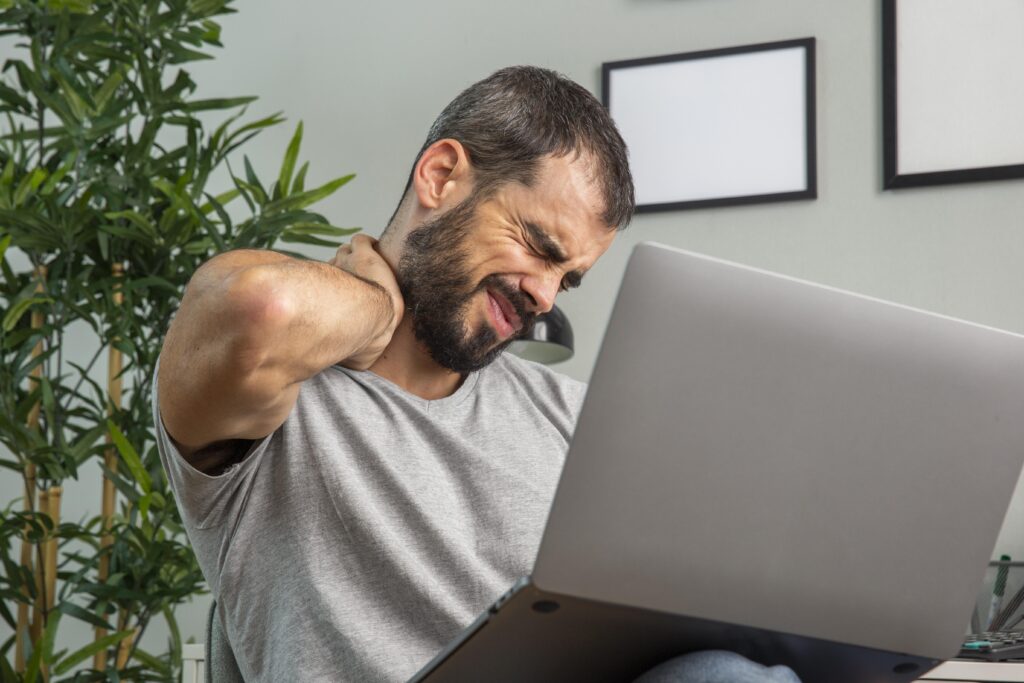

As a local chiropractor, I understand that if you’re dealing with lower back pain, you’re certainly not alone. This is a common issue that affects many individuals, and finding effective relief is crucial for your overall well-being. In my practice, I’ve seen how implementing targeted strategies can significantly aid in your recovery journey.
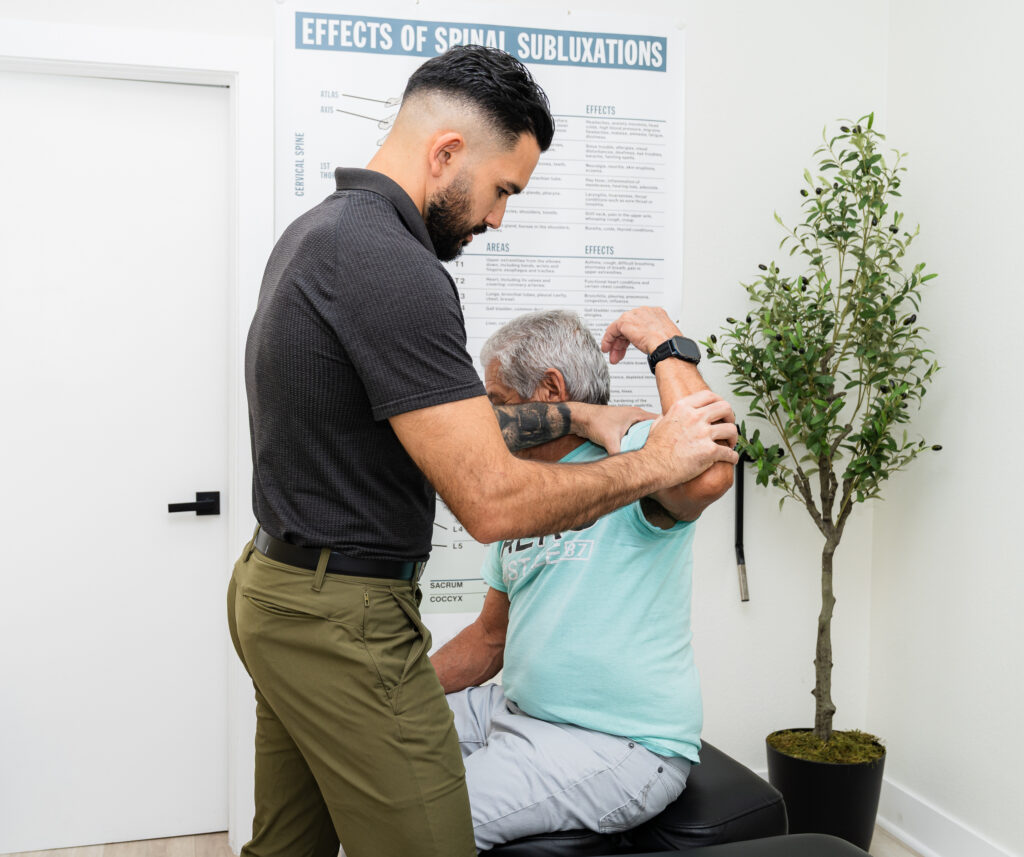
It’s important to first understand the underlying causes of your pain. By doing so, we can tailor a treatment plan that suits your individual needs. Chiropractic care focuses on the relationship between the spine and the nervous system, and it can play a vital role in alleviating your discomfort.
Let’s explore some practical tips that can help you regain comfort and mobility in your daily life. These approaches can complement the chiropractic adjustments and therapies we offer, setting you on a path to lasting relief and improved function. Remember, you’re not just addressing the pain; you’re investing in your overall health and well-being.
Understand the Cause of Your Pain
Understanding the root cause of your lower back pain is crucial for a successful healing journey, and as a chiropractor, I’m here to guide you through this process.
Begin by reflecting on your daily activities and habits. Have you recently lifted something heavy or found yourself sitting for extended periods? It’s important to recognize that poor posture during everyday tasks can often lead to muscle strain and discomfort.
When assessing your pain, take note of when it occurs and any additional symptoms, such as numbness or weakness in your legs. This information can be invaluable in helping us determine whether your discomfort is due to muscle strain, a herniated disc, or another underlying issue.
Also, keep in mind that factors like stress levels, body weight, and physical fitness can significantly influence back pain. By discussing these aspects with me, we can work together to uncover the underlying cause of your discomfort.
Understanding your pain empowers you and lays the groundwork for a tailored recovery plan that aligns with natural healing principles. Your journey to wellness starts with awareness and education, and I’m here to support you every step of the way.
Practice Gentle Stretching Exercises
As a local chiropractor, I want to emphasize the importance of gentle stretching exercises in your recovery from lower back pain. Understanding the root cause of your discomfort is vital, and incorporating targeted stretches can significantly aid in your healing process. Stretching not only enhances flexibility but also alleviates tension and increases blood flow to the affected areas of your back.
I recommend starting with simple movements, such as the cat-cow stretch or the knee-to-chest stretch, as these can effectively reduce tightness and discomfort. It’s crucial to listen to your body during these exercises. If you experience any pain, please ease off and opt for a gentler variation of the stretch.
When performing these stretches, aim to hold each position for at least 20 to 30 seconds while focusing on deep, calming breaths to promote relaxation.
I encourage you to incorporate stretching into your daily routine, especially after prolonged periods of sitting or standing. This practice can play a significant role in your overall well-being and help support your recovery journey.
Strengthen Your Core Muscles
As your local chiropractor, I want to emphasize the importance of strengthening your core muscles for overall spinal health and to help prevent lower back pain. A robust core plays a crucial role in stabilizing your spine and distributing weight evenly, which significantly reduces the strain on your lower back.
To start incorporating core-strengthening exercises into your routine, consider adding movements such as planks, bridges, and leg raises. These exercises engage various muscle groups, including your abdominals, obliques, and lower back, which are essential for enhancing your overall stability.
I recommend aiming for at least two to three sessions a week. Focus on maintaining proper form rather than pushing for higher intensity at the beginning. Start with a manageable number of repetitions and gradually increase as your strength improves.
Always pay attention to your body’s signals; if any exercise causes discomfort or pain, please stop immediately.
In addition to these exercises, consider incorporating activities like yoga or Pilates, which not only promote core strength but also enhance flexibility.
Maintain Proper Posture
As a local chiropractor, I want to emphasize how crucial it’s to maintain proper posture for your overall spinal health and to alleviate strain on your lower back. Many people mightn’t realize that their posture significantly impacts their well-being, so let me guide you through some essential tips.
When you’re sitting, standing, or even moving around, it’s important to be aware of your body alignment. Keep your shoulders relaxed and back, your chest open, and ensure your head is in line with your spine.
If you spend a lot of time sitting, choose a chair that offers good support for your lower back, and make sure your feet are flat on the ground. If you work at a desk, adjust your computer screen to eye level to help prevent slouching and maintain a neutral position.
While standing, make sure to distribute your weight evenly across both feet and avoid locking your knees. Engaging your core muscles is also vital; it provides stability and support for your spine.
When you’re lifting objects, remember to bend at your hips and knees—not at your waist. Keeping the load close to your body reduces strain and helps protect your back.
I encourage you to check in with your posture throughout the day. Small adjustments can lead to significant improvements in how you feel.
Stay Active With Low-Impact Activities
As a local chiropractor, I want to emphasize the importance of proper posture as a crucial foundation for your back health. However, staying active is equally vital for your recovery journey. Engaging in low-impact activities is an excellent way to strengthen your muscles while minimizing strain on your back. Activities such as walking, swimming, or cycling are fantastic options that keep you moving and help alleviate discomfort.
I recommend aiming for at least 30 minutes of activity on most days, and feel free to break this up into smaller segments if that suits you better. It’s essential to listen to your body; if you experience any discomfort, please stop and rest.
Gentle stretching can also play a significant role in enhancing your flexibility, reducing stiffness, and promoting healing. Additionally, activities such as yoga or Pilates can be incredibly beneficial. These practices focus on building core strength and stability, which not only keeps you active but also enhances your posture and body awareness.
Staying active in a safe manner can significantly accelerate your recovery and help you regain both strength and mobility. Remember, consistency is key in this process! As you embark on your journey to better health, I encourage you to stay engaged and proactive in your recovery.
Apply Heat or Cold Therapy
As a local chiropractor dedicated to your health and well-being, I want to share some valuable insights on managing lower back pain through natural methods such as heat and cold therapy. These techniques can greatly assist in promoting recovery and alleviating discomfort.
Heat therapy, which involves using a warm towel or heating pad, is a fantastic way to increase blood flow to the affected area. This improved circulation helps relax tense muscles and reduces stiffness in your back. I recommend applying heat for about 15-20 minutes, ensuring it feels warm but not too hot to avoid any risk of burns.
Conversely, cold therapy can be particularly effective in reducing inflammation and numbing acute pain. Utilizing an ice pack or even a bag of frozen peas wrapped in a cloth can offer significant relief, especially after physical activity. Similar to heat therapy, apply cold for 15-20 minutes at a time.
It’s essential to pay attention to your body’s response. If you find that one method feels more soothing than the other, trust your instincts and go with that. Many patients find that alternating between heat and cold provides the best results during their recovery process.
Consider Professional Treatments
As a local chiropractor, I want to share some insights about how professional treatments can significantly alleviate persistent lower back pain. While heat and cold therapy can provide temporary relief, it’s crucial to explore comprehensive solutions that address the root cause of your discomfort.
If you’re experiencing ongoing pain, I encourage you to consult with a healthcare provider. One effective approach is chiropractic care, which focuses on spinal adjustments to alleviate pain and enhance mobility. Many of my patients have found relief through tailored chiropractic treatments that not only address pain but also promote overall wellness.
In addition to chiropractic adjustments, I often recommend incorporating physical therapy into your recovery plan. A skilled physical therapist can develop a personalized program to strengthen your back, improve flexibility, and teach you proper body mechanics, all of which are essential for long-term relief.
Another natural treatment option to consider is acupuncture. This ancient practice targets specific pressure points in the body, helping to reduce muscle tension and stimulate healing. Many individuals find that combining chiropractic care with acupuncture can enhance their recovery experience.
If these holistic methods don’t provide the relief you’re seeking, your healthcare provider may suggest additional interventions or medications to help manage your pain effectively. Remember, the goal isn’t just to mask your symptoms but to identify and treat the underlying issues contributing to your discomfort.
Invest in Supportive Furniture
As a local chiropractor, I want to emphasize the importance of investing in supportive furniture, especially for those managing lower back pain.
Creating a comfortable and healing environment at home or in your workspace can significantly aid in recovery and prevent further strain on your body. Consider how much time you spend sitting or lying down—having the right furniture is crucial for your well-being.
- A quality office chair with built-in lumbar support is essential; it helps alleviate pressure on your spine, allowing for better posture throughout your workday.
- An adjustable bed frame can be a game-changer. It lets you customize your sleeping position, which can lead to a more restful night’s sleep and reduce discomfort.
- Don’t overlook the importance of a supportive sofa or recliner. These pieces should allow you to relax while still maintaining proper posture to avoid exacerbating any existing pain.
- Additionally, ergonomic accessories like cushions or footrests can provide that extra layer of comfort, helping to support your body in the best possible way.
By investing in supportive furniture, you’re taking an important step toward better spinal health and overall wellness.
Let’s work together to create an environment that promotes healing and supports your journey to a pain-free life.
Manage Stress and Anxiety
As a local chiropractor, I want to emphasize the importance of managing stress and anxiety for your recovery from lower back pain. Many patients may not realize that emotional and mental well-being can significantly impact physical health.
Incorporating relaxation techniques, mindfulness practices, and breathing exercises into your daily routine can help alleviate tension not only in your body but also in your mind.
By prioritizing these natural methods, you create a more supportive environment for healing. Chiropractic care can further enhance this process by addressing the physical aspects of pain, allowing your body to function optimally.
Together, we can work towards a holistic approach that promotes overall wellness and helps you on your journey to recovery.
Relaxation Techniques
As a local chiropractor, I understand that dealing with lower back pain can be challenging and often leads to increased stress and anxiety. Incorporating relaxation techniques into your routine can significantly enhance your overall well-being and help you manage both pain and the emotional toll that comes with it.
By focusing on relaxation, you can’t only relieve tension in your back but also cultivate a sense of calm. Here are some effective techniques to consider:
- Deep Breathing: Begin with slow, deep breaths. This practice helps center your mind and reduces muscle tension in your body, promoting relaxation.
- Progressive Muscle Relaxation: This technique involves tensing and then relaxing different muscle groups. By doing this, you can promote relaxation throughout your entire body, helping to ease discomfort.
- Gentle Stretching: Incorporate light stretches into your daily routine. Gentle stretches can help alleviate tightness in your back while also encouraging a state of relaxation.
- Visualization: Picture a serene and peaceful scene in your mind. This mental exercise can help shift your focus away from pain and anxiety, allowing for a greater sense of tranquility.
I encourage you to try these methods regularly. Not only may you find relief from your back pain, but you could also experience a significant reduction in the stress that often accompanies it.
Mindfulness Practices
As a chiropractor dedicated to promoting natural healing and overall well-being, I want to share how mindfulness practices can complement the relief you may seek for lower back pain. By focusing on the present moment, mindfulness can significantly reduce the negative thoughts that often exacerbate discomfort.
I recommend setting aside a few minutes each day for mindfulness meditation. This practice allows you to observe your thoughts without judgment, helping to create a sense of calm.
Incorporating mindful movement into your routine—such as gentle yoga or tai chi—can also be very beneficial. These activities not only help you connect with your body but also work to ease tension in your muscles and joints.
Additionally, paying attention to your posture throughout the day is crucial. Being aware of how you sit, stand, and move can prevent unnecessary strain on your back.
Lastly, I encourage you to consider journaling your feelings. This practice can help you process emotions and identify stress triggers that may contribute to your discomfort.
Breathing Exercises
As a chiropractor, I want to emphasize the vital role your breath plays in managing stress and anxiety, particularly when it comes to alleviating lower back pain. Many of my patients are surprised to learn that simple breathing exercises can significantly aid in finding relief and fostering relaxation.
By concentrating on your breath, you can effectively reduce tension and cultivate a sense of calm.
Let me share some compelling benefits of incorporating breathing exercises into your routine:
- Releases built-up tension: This can help ease the tightness in your back, providing a natural way to alleviate discomfort.
- Enhances mental clarity: Focusing on your breath allows you to approach pain with a clearer, more positive mindset, making it easier to address your discomfort.
- Promotes relaxation: These exercises can help you unwind, enabling you to feel more in control of your body and emotions.
- Improves overall well-being: Engaging in breathing exercises fosters a deeper connection between your body and mind, which is essential for holistic healing.
I encourage you to integrate these breathing exercises into your daily routine. You may be surprised by how effectively they can help melt away stress and enhance your overall health.
Stay Hydrated and Nourished
As a local chiropractor, I want to emphasize the importance of staying hydrated and nourished for your recovery from lower back pain.
Many people may not realize that proper hydration is crucial for maintaining flexibility in your muscles and joints, which can significantly impact your mobility and comfort.
In addition, consuming nutrient-rich foods is essential as they provide your body with the vitamins and minerals necessary for healing.
By focusing on these aspects of your health, you can support not only your recovery but also your overall well-being.
These natural methods can complement chiropractic adjustments and therapies, promoting a more effective healing process.
Importance of Hydration
As a local chiropractor, I want to emphasize the crucial role that hydration plays in your recovery from lower back pain. Proper hydration is vital for maintaining the elasticity of your spinal discs and supporting overall muscle function.
When you keep your body well-hydrated, it can effectively eliminate toxins and reduce inflammation, which often leads to less discomfort and improved well-being.
Here are some important benefits of staying hydrated that I encourage my patients to consider:
- Improved Mobility: Staying hydrated helps support your body’s flexibility, allowing for better movement and range of motion.
- Pain Relief: A well-hydrated body can alleviate tension and soreness, making it easier to manage pain.
- Enhanced Recovery: Drinking enough water can accelerate your recovery process, helping you feel like yourself again more quickly.
- Boosted Energy: Adequate hydration combats fatigue, helping you regain your energy and vitality.
Incorporating proper hydration into your daily routine can be a simple yet effective step towards achieving better health and alleviating lower back pain.
Let’s work together to create a holistic approach to your healing journey!
Nutrient-Rich Foods
As a local chiropractor, I want to emphasize that your recovery from lower back pain involves much more than just spinal adjustments—nutrition plays a vital role as well. It’s essential to focus on nutrient-rich foods while ensuring you stay hydrated to support your healing journey.
Incorporating a diverse range of fruits, vegetables, whole grains, lean proteins, and healthy fats into your diet can significantly enhance your recovery process. For example, leafy greens like spinach and kale are packed with essential vitamins and minerals that your body needs.
Fruits such as berries and oranges are rich in antioxidants, which can help reduce inflammation—a common issue associated with back pain. Choosing lean proteins like chicken or fish is crucial for promoting muscle repair and recovery.
Additionally, don’t overlook the importance of healthy fats from sources such as avocados and nuts; these can also help in minimizing inflammation.
Conclusion
As a local chiropractor, I want to share some valuable tips that can significantly aid your recovery from lower back pain. Understanding the nature of your pain is the first step towards healing. Gentle stretches can help alleviate tension and improve flexibility, so I encourage you to incorporate them into your daily routine. Additionally, maintaining proper posture is crucial; it lays the groundwork for a healthier spine.
Staying active is essential, as movement promotes healing, while managing stress can help reduce tension that often exacerbates pain. Don’t underestimate the importance of an ergonomic workspace – it can make a world of difference in your comfort throughout the day.
I also recommend collaborating with healthcare professionals, including myself, to receive personalized guidance tailored to your unique situation. By staying committed to these practices, you’ll be well on your way to achieving a healthier, pain-free back!