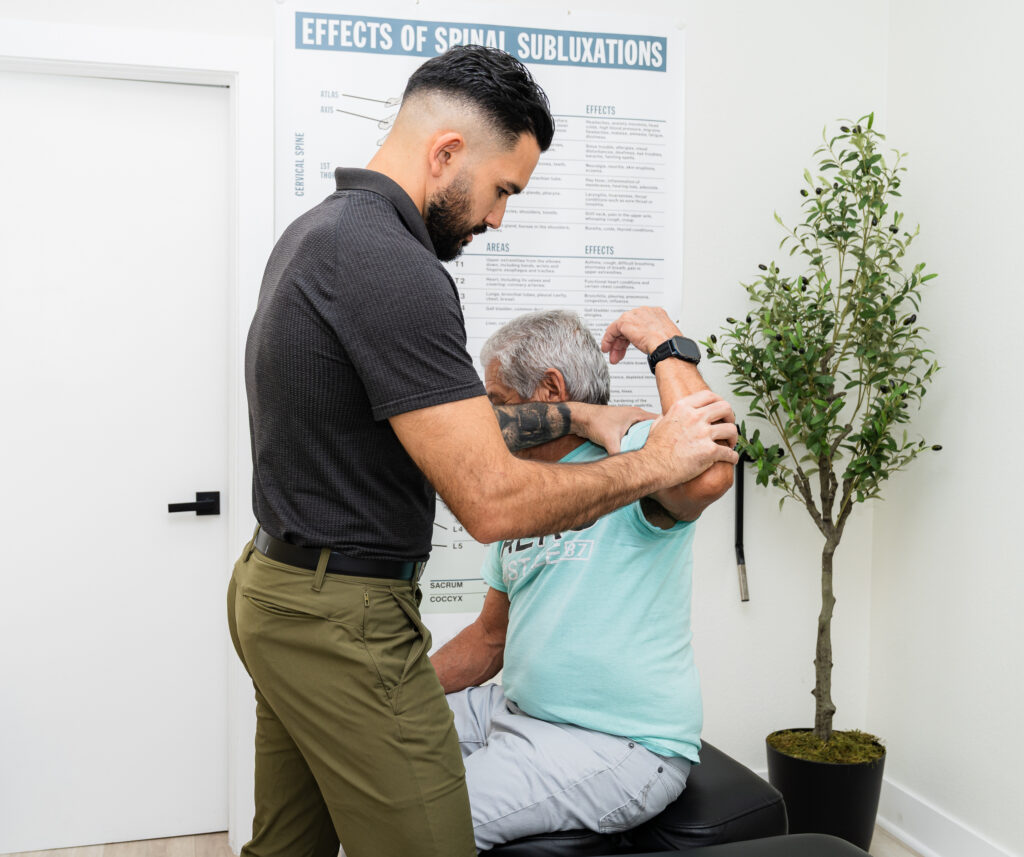

When it comes to healing from an injury, many people tend to overlook the essential practices that athletes utilize for recovery. It's not solely about taking a break; effective healing is a strategic combination of proper nutrition, rehabilitation exercises, and mental resilience. As a local chiropractor, I want to emphasize how each of these elements works together to support your recovery process. You may be surprised to discover that incorporating chiropractic care can enhance these methods and potentially accelerate your healing journey. As you explore these time-tested approaches, consider how they can be personalized to meet your specific needs. What if the secret to a quicker recovery is a natural, holistic treatment you haven't yet experienced?
The Importance of Rest
As a local chiropractor, I want to emphasize the vital role that rest plays in your recovery from injuries. When you sustain an injury, your body requires time to heal, and incorporating adequate rest is crucial to that process. It allows your muscles, tendons, and ligaments to recover properly, minimizing inflammation and preventing additional damage. Neglecting rest can lead to prolonged recovery times and even chronic injuries that may keep you sidelined for much longer than necessary.
During periods of rest, your body initiates important repair processes. Blood flow increases to the injured area, delivering essential nutrients and oxygen that promote healing. Sleep is equally critical in this equation; it's during those deep sleep cycles that your body releases growth hormones, which significantly aid in tissue repair. If you're not prioritizing your sleep, you could be hindering your recovery.
I understand that it might be tempting to push through the pain or rush the healing process, but ignoring your body's signals can be counterproductive. Instead, it's important to adopt smart rest strategies. This can include short periods of complete rest alongside what we call active rest, which might involve gentle stretching or mobility exercises. This approach keeps blood circulating to the injured area while avoiding strain.
Additionally, don't overlook the importance of mental rest. Stress has a significant impact on healing, so engaging in relaxation techniques or mindfulness practices can be beneficial.
Active Rehabilitation Techniques
As your chiropractor, I want to emphasize the importance of incorporating active rehabilitation techniques into your recovery process. Unlike passive treatments that leave you on the sidelines, active rehabilitation empowers you to take control of your healing journey. This involves engaging in exercises designed to improve your mobility, strength, and overall functionality.
To begin, let's focus on gentle range-of-motion exercises. These movements are crucial for maintaining flexibility and preventing stiffness in the injured area. We want to gradually increase the intensity as you feel more comfortable. For instance, if you're dealing with an ankle injury, simple exercises like ankle circles and flexes can help restore movement without putting too much strain on yourself.
Next, we'll shift our attention to strengthening exercises, which are essential for rebuilding the muscle support around your injury. Using resistance bands or light weights, we can tailor exercises to fit your specific needs. For those recovering from a knee injury, exercises such as squats or leg lifts can effectively target the quadriceps and hamstrings while ensuring we don't put undue stress on your joint.
In addition to mobility and strength, incorporating balance and stability exercises is vital. Activities like single-leg stands or using a balance board can enhance your proprioception, which is key to preventing future injuries.
Lastly, it's important not to overlook the benefits of low-impact cardio. Engaging in activities like swimming, cycling, or using an elliptical machine can help elevate your heart rate while minimizing stress on your injury.
By integrating these active rehabilitation techniques into your recovery plan, you'll not only enhance your healing process but also set a strong foundation for long-term health and well-being.
Nutrition for Recovery
As a local chiropractor, I want to emphasize the significant role nutrition plays in your recovery from injuries. When you're dealing with pain or healing from an injury, your body requires the right nutrients to repair itself effectively. By focusing on your diet, you can positively influence your recovery time and overall health.
Here are four essential nutritional components to consider as part of your healing journey:
- Protein: This vital macronutrient is crucial for repairing tissues. To ensure you're getting enough protein, incorporate lean meats, fish, eggs, and legumes into your meals. These foods provide the building blocks your body needs to mend.
- Healthy Fats: Omega-3 fatty acids are particularly beneficial during recovery. Found in fatty fish like salmon, as well as walnuts and flaxseeds, these healthy fats have anti-inflammatory properties that can help reduce swelling and promote healing.
- Vitamins and Minerals: Key nutrients such as vitamin C, vitamin D, calcium, and zinc are essential for the healing process. Make sure your diet includes plenty of citrus fruits, leafy greens, dairy products, and nuts. These foods support not just tissue recovery but also strengthen your bones.
- Hydration: Staying hydrated is fundamental to your recovery. Water plays a crucial role in transporting nutrients to your cells and eliminating toxins from your body. Aim to drink plenty of fluids throughout the day, especially if you're increasing your activity level as you heal.
Integrating these nutritional elements into your daily meals can significantly enhance your recovery experience.
Remember, every choice you make about what you eat counts, so prioritize your nutrition as you work towards restoring your health and getting back to your best self.
If you have any questions about how chiropractic care can complement your recovery, feel free to ask during your next visit!
Mental Resilience Strategies
As a local chiropractor, I want to emphasize the importance of strong mental resilience strategies in your healing journey.
When recovering from injuries, it's not just about the physical aspects; your mindset plays a crucial role too. Techniques like visualization can be incredibly beneficial, allowing you to imagine your recovery and envision yourself achieving success.
Additionally, practicing positive self-talk can help maintain an uplifting and focused mindset, which is essential for healing.
By incorporating these strategies alongside chiropractic care, we can enhance your recovery process and ultimately improve your overall performance.
Visualization Techniques
Visualization techniques can be incredibly beneficial for athletes, especially when it comes to recovering from injuries. As a local chiropractor, I want to emphasize how mental imagery can play a vital role in your healing process. By visualizing your recovery, you not only enhance your physical healing but also uplift your motivation to regain strength and mobility.
This approach helps outline a clear path toward your goals, making the recovery journey feel more manageable. Here are four effective steps to integrate visualization into your healing routine:
- Set a Specific Goal: It's important to clearly define what you hope to achieve. This could range from regaining strength or flexibility to honing specific skills related to your sport.
- Create a Relaxing Environment: Find a peaceful space where you can focus without interruptions. A calm setting allows your mind to fully engage in the visualization process, promoting better results.
- Visualize Success: Close your eyes and vividly imagine yourself performing at your peak. Focus on the movements, feelings, and emotions that come with excelling in your sport. This mental rehearsal can help reinforce the neural pathways needed for physical success.
- Practice Regularly: Incorporate visualization into your daily routine. Dedicate a few minutes each day to visualize your goals and celebrate your progress, even the small victories. This consistent practice can significantly enhance your recovery journey.
Positive Self-Talk
As a local chiropractor, I want to emphasize the importance of surrounding yourself with supportive voices—be it from your healthcare providers, friends, or family.
This positive reinforcement can greatly enhance your journey toward healing and recovery. By fostering a mindset rooted in positivity, you not only promote better physical healing but also strengthen your mental resilience.
This approach prepares you to face future challenges with renewed confidence. Remember, chiropractic care isn't just about physical adjustments; it's about nurturing a holistic approach to wellness that includes mental and emotional support as well.
Advanced Therapy Options
As a local chiropractor, I want to share with you some exciting advancements in therapy options that are revolutionizing the way we approach recovery from sports injuries.
Many of these innovative treatments not only accelerate healing but also enhance your overall performance, so you can get back to doing what you love more quickly and safely.
Here are some advanced therapies you may want to consider:
- Platelet-Rich Plasma (PRP) Therapy: This treatment involves drawing a small amount of your blood, processing it to concentrate the platelets, and then injecting it back into the site of your injury. This process stimulates your body's natural healing abilities and can significantly shorten your recovery time.
- Cryotherapy: This method exposes your body to extremely cold temperatures, which can help reduce inflammation and alleviate pain. Many athletes find cryotherapy to be an effective option for post-training recovery and managing injuries.
- Electrical Stimulation Therapy: This technique utilizes electrical impulses to stimulate your muscles and nerves, promoting faster recovery and pain relief. It's especially useful for chronic injuries and can be an integral part of your rehabilitation process.
- Hydrotherapy: By using water's natural resistance and buoyancy, hydrotherapy allows you to rehabilitate injuries while minimizing strain on your body. It's a fantastic way to build strength and flexibility without the risk of re-injury.
Exploring these advanced therapy options can empower you to take charge of your recovery journey.
They offer personalized solutions tailored to your specific needs and can make a significant difference in your return to peak performance.
Always feel free to consult with a chiropractic professional to identify the best approach for your individual situation.
Support Systems and Community
When you're on the path to recovery from an injury, the support system you have in place can significantly impact your healing journey. Family and friends often provide the encouragement and emotional backing you need, and the dynamics of your support team can foster motivation and a sense of community.
As a local chiropractor, I want to emphasize the importance of integrating professional support into your recovery. Chiropractic care focuses on natural healing methods that can alleviate pain and restore function. By addressing the underlying issues in your musculoskeletal system, we can enhance your recovery process.
Additionally, connecting with local health and wellness networks can provide you with valuable resources, specialized care, and a community of individuals who understand what you're going through.
Together, with the right support and chiropractic care, you can get back on track and reclaim your active lifestyle.
Family and Friends
As a local chiropractor, I understand that a strong support system can significantly impact an athlete's recovery from injury. Family and friends play essential roles in this journey, offering both emotional backing and practical assistance. Their encouragement can elevate your spirits and make the healing process feel more manageable.
Here are four ways they can support you during this challenging time:
- Emotional Support: Loved ones can provide a listening ear for your fears and frustrations, helping you navigate the emotional landscape that often accompanies an injury.
- Motivation: Their unwavering belief in your capabilities can keep you focused on your recovery goals, reminding you of your passion for your sport and what drives you.
- Practical Assistance: Whether it's driving you to chiropractic appointments or helping out with daily chores, their involvement can significantly reduce your stress and allow you to concentrate on healing.
- Social Engagement: Staying connected to your sport is crucial. Friends and family can invite you to events or simply spend quality time with you, which can greatly enhance your mood and keep you engaged in the community you love.
At our chiropractic clinic, we emphasize the importance of a holistic approach to recovery.
Team Dynamics
As a local chiropractor, I want to emphasize the importance of team dynamics in the recovery process from sports injuries. It's fascinating how the collective strength and unity of a support system—be it family, friends, or teammates—can significantly enhance your healing journey.
When you face the challenge of being sidelined due to an injury, having a robust support network can truly make a difference in your recovery.
Being part of a team means you aren't alone in your healing. Your teammates can relate to your experiences and understand the emotional hurdles that come with being injured. They can provide essential encouragement and motivation, which are crucial during tough times. Simple acts of support, like sending messages of encouragement or checking in on your progress, can lift your spirits and keep you engaged with the sport you love.
Additionally, staying involved in team activities—even if you can't physically compete—can help maintain those important connections. Attending practices, games, or team meetings fosters camaraderie and a positive mindset, reminding you that you're still a valued member of the group, even during your recovery.
Ultimately, the emotional support and camaraderie from your team can play a significant role in speeding up your recovery. This holistic approach, which includes both physical treatment and emotional well-being, is a cornerstone of chiropractic care and natural healing.
Embrace the dynamics of your support system, and let it empower your journey toward recovery and overall health.
Professional Support Networks
As a local chiropractor, I want to emphasize the importance of having a robust professional support network in your recovery from sports injuries. Surrounding yourself with the right people can significantly enhance your healing journey, making it more efficient and effective.
Not only do these connections offer physical support, but they also provide emotional encouragement, which is vital for staying motivated throughout the ups and downs of recovery.
Here are four essential components of a strong professional support network that can aid you in your healing process:
- Chiropractic Care Professionals: Access to skilled chiropractors ensures you receive personalized treatment designed to address your specific injury. Chiropractic care focuses on natural healing techniques to alleviate pain and restore function.
- Mental Health Specialists: Collaborating with sports psychologists or counselors can help you navigate the emotional hurdles and anxiety that often come with injuries. Mental resilience plays a crucial role in physical recovery, and having the right support can make a significant difference.
- Fellow Athletes: Engaging with teammates or other athletes who've faced similar injuries can be incredibly beneficial. They can share their experiences, insights, and encouragement, creating a sense of community that fosters healing.
- Family and Friends: Your loved ones are an invaluable resource for emotional support. They can help you maintain a positive outlook and remind you that you're not alone in this journey. Their encouragement can be a powerful motivator as you work towards recovery.
Incorporating these elements into your recovery plan can lead to a smoother and more holistic healing experience.
As your chiropractor, I'm here to support you every step of the way.
Conclusion
Injuries can be challenging, but I want to remind you that healing is a process, and chiropractic care can play a vital role in your recovery journey. As a chiropractor, I emphasize the importance of rest and active rehabilitation to promote healing. It's crucial to listen to your body and allow it the time it needs to recover fully.
Proper nutrition is another key component of your healing process. Fueling your body with the right nutrients can enhance recovery and support your overall health. Additionally, mental resilience is essential; staying positive and focused can significantly impact your healing journey.
Don't forget the importance of support from your loved ones—friends, family, and teammates can provide motivation and encouragement when the going gets tough. With chiropractic care, we can work together to implement these time-tested methods, helping you not only heal effectively but also come back even stronger. Remember, every step you take towards recovery is a step towards a healthier future. Keep moving forward!