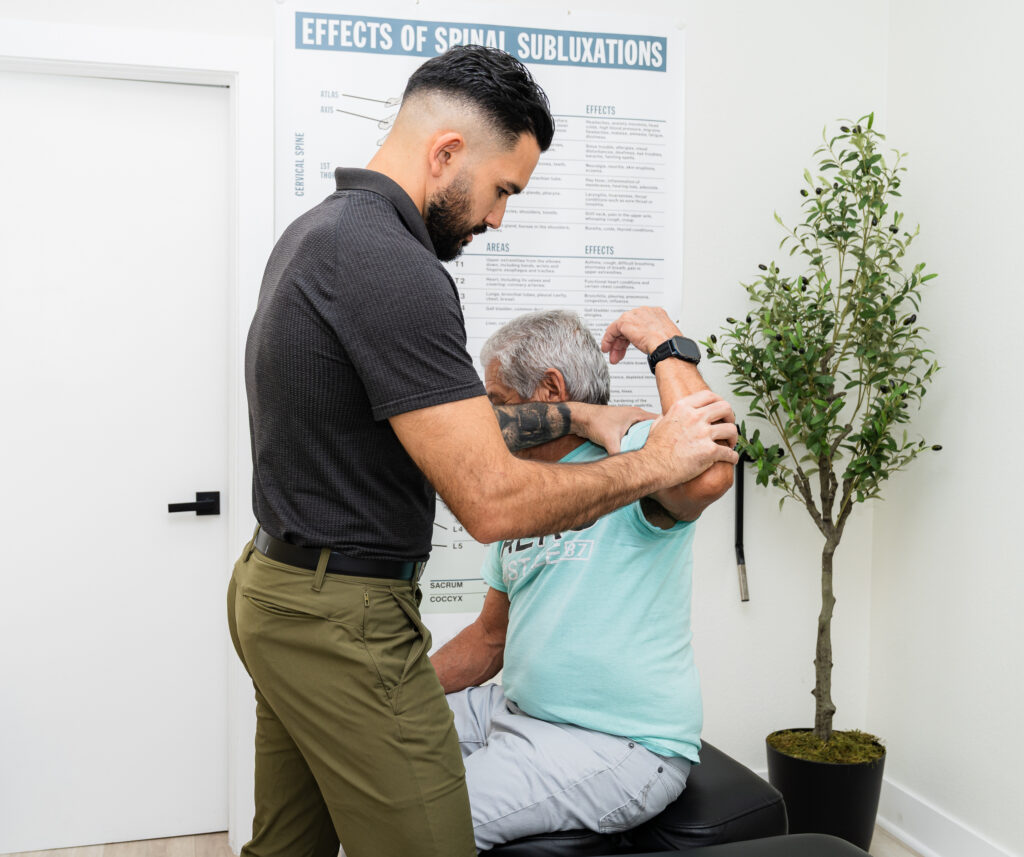

As a local chiropractor, I understand that chronic back pain can significantly affect your daily life. However, there are effective, natural techniques that can help you manage and alleviate this pain. One of the key areas we focus on is maintaining proper posture, which is vital for spinal health. Regular exercise tailored to your needs can also strengthen your back and improve flexibility, leading to better overall comfort.
In addition to these practices, mindful relaxation techniques can help reduce tension in your muscles and promote a sense of well-being. It’s also worth considering dietary changes that can support your body’s healing processes, as well as optimizing your sleep environment to ensure you get restorative rest.
If you’re curious about how these techniques can work together to empower you in managing your back pain, I invite you to explore them further. Together, we can develop a holistic approach that suits your lifestyle and helps you take control of your pain.
Maintain Proper Posture
As your local chiropractor, I want to emphasize the importance of maintaining proper posture for your overall health and well-being. When you practice good posture, you significantly reduce the strain on your back, which can prevent discomfort and pain over time.
Standing tall, with your shoulders back and your head aligned over your spine, allows your body weight to be distributed evenly, promoting better spinal alignment.
It’s crucial to avoid slouching or leaning forward, as these habits can lead to chronic discomfort. When sitting, ensure your feet are flat on the floor, and consider using a cushion to support your lower back if needed.
Positioning your computer screen at eye level is also essential to avoid craning your neck, which can create tension and discomfort.
If you find yourself working at a desk for extended periods, I encourage you to take regular breaks to stretch and reset your posture. This simple practice can make a significant difference in how you feel throughout the day.
When it comes to lifting heavy objects, remember to bend your knees and keep the load close to your body instead of twisting your back. This technique minimizes the risk of injury and helps maintain spinal health.
By consistently practicing these posture habits, you’ll not only feel more comfortable in your daily life but also promote long-term spinal health. Proper posture is a straightforward yet powerful way to combat chronic back pain and enhance your overall quality of life.
If you have any questions or need further guidance, don’t hesitate to reach out. Your spine will thank you!
Engage in Regular Exercise
As a local chiropractor, I want to emphasize the importance of engaging in regular exercise as a natural approach to alleviating chronic back pain and enhancing your overall well-being.
Physical activity plays a crucial role in strengthening the muscles that support your spine, which in turn improves stability and reduces discomfort. You don’t have to dive into intense workout regimens; even moderate activities such as walking, swimming, or cycling can yield significant benefits.
I recommend aiming for at least 30 minutes of exercise most days of the week. However, it’s essential to listen to your body and adjust your routine as needed. Incorporating both aerobic exercises and strength training into your regimen is vital.
Focus on low-impact options to minimize strain on your back while still reaping the rewards of physical activity.
Consistency is key in this journey. I encourage you to discover activities that you genuinely enjoy; this will help keep you motivated.
Remember, it’s important to start slowly and gradually increase the intensity of your workouts to prevent overexertion.
By making regular exercise a foundational part of your lifestyle, you’ll not only help manage your back pain but also significantly enhance your overall health and energy levels.
Embracing this holistic approach can be transformative in your healing journey.
Incorporate Stretching Techniques
As a chiropractor, I want to emphasize the importance of pairing regular exercise with effective stretching techniques to alleviate chronic back pain. Incorporating stretching into your routine not only enhances flexibility but also helps to relieve muscle tension—two key factors that contribute to pain.
I recommend starting with gentle stretches, such as the cat-cow pose or child’s pose. These poses can help ease tightness in your back. When performing these stretches, aim to hold each position for at least 20-30 seconds, and focus on your breathing to promote relaxation.
It’s also essential to target other muscle groups that can influence your back health. Incorporate stretches for your hamstrings, hip flexors, and quadriceps, as tightness in these areas can lead to increased back discomfort. For example, the seated forward bend and standing quadriceps stretch are excellent choices that can provide effective relief.
I encourage you to make stretching a daily habit or aim to do it at least three times a week. Remember to listen to your body and avoid pushing yourself too hard.
Consistency is crucial, and with regular practice, you may notice improved flexibility and reduced discomfort in your back over time. If you have any questions or need guidance on specific stretches, don’t hesitate to reach out during your visits. Your journey to better back health is important to me!
Use Heat and Cold Therapy
As a local chiropractor, I often guide my patients on effective ways to manage chronic back pain, and one of the most accessible methods is through heat and cold therapy. Each of these techniques plays a vital role in your healing journey, targeting different aspects of pain relief.
Heat therapy relaxes tense muscles and enhances blood circulation, while cold therapy numbs the affected area to minimize inflammation and swelling. Together, they can be powerful allies in your pain management strategy.
Here are some practical ways to incorporate heat and cold therapy into your daily routine:
- Warm Compress: Applying a warm towel or heating pad for about 15-20 minutes can do wonders for soothing tight muscles and promoting relaxation.
- Ice Pack: For acute pain and swelling, using an ice pack wrapped in a cloth for 10-15 minutes can provide significant relief by numbing the area.
- Heat Wraps: Consider using adhesive heat wraps, which offer long-lasting warmth and can be worn throughout the day for continuous relief.
- Contrast Therapy: Alternating between heat and cold can be particularly beneficial. This technique stimulates blood flow and helps reduce stiffness, promoting overall healing.
Incorporating these methods into your routine can greatly enhance your comfort and mobility as you navigate your recovery.
Consider Physical Therapy
While heat and cold therapy can offer temporary relief for your back pain, exploring chiropractic care provides a more comprehensive approach to managing chronic discomfort.
As a chiropractor, my goal is to assess your condition, pinpoint the underlying causes of your pain, and create a personalized treatment plan tailored specifically for you.
Chiropractic care focuses on restoring proper alignment and function to your spine and joints, which is crucial for long-term relief.
During our sessions, we’ll engage in a variety of gentle adjustments and techniques that help alleviate pain, improve mobility, and enhance your overall well-being.
Additionally, I’ll guide you through specific exercises that strengthen your back, increase flexibility, and promote better posture — all essential factors in preventing future issues.
I believe in empowering my patients with knowledge about their conditions, so you’ll learn how to maintain proper body mechanics and avoid activities that could lead to injury.
Explore Chiropractic Care
Are you dealing with chronic back pain? As a local chiropractor, I want to introduce you to the potential benefits of chiropractic care, which can be a transformative part of your healing journey. My focus is on diagnosing and treating musculoskeletal issues, particularly spinal alignment, to help alleviate your pain effectively.
Here are some key benefits of chiropractic care that you may not be familiar with:
- Personalized Treatment Plans: Each individual is unique, and I take the time to assess your specific condition. Together, we’ll create a tailored treatment plan that addresses your needs and goals.
- Natural Pain Relief: Chiropractic care offers a holistic approach to pain management. This means you can often avoid medications and their associated side effects, relying instead on natural healing methods.
- Enhanced Mobility: Regular chiropractic adjustments can significantly improve your range of motion. This increased mobility makes daily activities easier and more enjoyable, allowing you to live life to the fullest.
- Long-term Wellness Focus: My goal isn’t just to relieve your current pain but to promote overall spine health. By maintaining proper alignment, we can help prevent future issues and keep you active and pain-free.
With my expertise and your commitment, we can work together to regain control over your life.
I believe that everyone deserves to pursue their passions without being hindered by pain. If you’re curious about how chiropractic care can help you, I invite you to reach out and explore this natural healing path with me.
Practice Mindfulness and Relaxation
As a chiropractor, I want to emphasize the importance of practicing mindfulness and relaxation to help manage chronic back pain more effectively. Many of my patients find that by focusing on the present moment, they can significantly reduce the stress and tension that often contribute to their discomfort.
I recommend setting aside a few minutes each day for mindfulness exercises, such as deep breathing or meditation. These practices not only help you become more attuned to your body and its sensations but also allow you to identify areas where you might be holding tension. This awareness can be incredibly beneficial in conjunction with chiropractic adjustments.
Another effective technique is progressive muscle relaxation. This involves tensing and then releasing each muscle group, starting from your toes and moving up to your head. This method can help you pinpoint where you’re holding stress in your body and facilitate a deeper state of physical relaxation.
Incorporating mindfulness into your daily routine can also enhance your emotional well-being. When you acknowledge your pain without judgment, it becomes easier to cope, and you’re less likely to feel overwhelmed.
Optimize Your Sleep Environment
As a local chiropractor, I often see patients who are struggling with back pain, and one key factor that can significantly impact your discomfort is your sleep environment.
Creating a comfortable and supportive sleep setup is crucial for your overall well-being. Here are four important elements to consider for optimizing your sleep space:
- Quality Mattress: It’s essential to invest in a mattress that provides the right support for your spine. A mattress that has seen better days can worsen your discomfort, so choose one that suits your body’s needs.
- Pillow Choice: The right pillow is vital for maintaining proper neck alignment while you sleep. A well-designed pillow can help alleviate strain on your back, allowing you to wake up feeling refreshed and pain-free.
- Room Temperature: The temperature of your bedroom plays a significant role in your sleep quality. Aim to keep your room cool and well-ventilated. Sleeping in a space that’s too hot or stuffy can interrupt your rest, leading to increased pain and discomfort.
- Minimize Distractions: To foster a restful night’s sleep, it’s important to limit noise and light in your environment. A calm and peaceful setting promotes deeper, restorative sleep, which is essential for your body’s healing processes.
By making adjustments to your sleep environment, you can create a foundation for better health and potentially alleviate some of that nagging back pain.
Adjust Your Ergonomics
As a local chiropractor, I want to emphasize how adjusting your ergonomics can play a crucial role in managing chronic back pain. Many patients aren’t aware that simple, thoughtful changes in your workspace can lead to significant improvements in your comfort and overall well-being.
Begin by optimizing your workspace; ensure that your desk and chair are set up to support your body in a neutral position. Invest in supportive furniture that promotes good posture, such as an ergonomic chair that supports your lower back.
Throughout your day, be mindful of your posture—keeping your spine aligned can greatly reduce strain on your back.
These adjustments may seem small, but they can have a profound impact on your daily life. By taking these steps, you can alleviate discomfort and support your body’s natural healing processes.
If you have any questions or need personalized advice on setting up your environment, I’m here to help!
Optimize Your Workspace
As a local chiropractor, I want to emphasize the importance of optimizing your workspace for your overall health and comfort, especially if you spend long hours at your desk. Making simple adjustments can significantly reduce chronic back pain and improve your posture.
First, ensure that your monitor is positioned at eye level. This helps to prevent neck strain and promotes a more natural alignment of your spine. Next, place your keyboard and mouse close to your body, allowing your elbows to rest comfortably at a 90-degree angle.
It’s also crucial to incorporate regular breaks into your routine; standing up and stretching periodically can do wonders for your back and overall well-being.
Additionally, consider the lighting in your workspace. Proper illumination can minimize eye strain and encourage a more relaxed posture, allowing you to work more comfortably.
Here are four practical tips to help you create a healthier workspace:
- Adjust your chair height to ensure proper support for your back.
- Use a footrest to alleviate pressure on your lower back and improve circulation.
- Keep commonly used items within arm’s reach to avoid unnecessary strain.
- Organize your workspace effectively to reduce clutter, which can contribute to stress and discomfort.
Choose Supportive Furniture
As a local chiropractor, I want to emphasize the importance of optimizing your workspace with supportive furniture to promote your overall health and well-being.
When selecting a chair, look for one that offers lumbar support, as this helps maintain a natural spinal curve, which is crucial for preventing discomfort.
Consider incorporating an adjustable desk into your workspace. Standing while you work can alleviate pressure on your back and provide a break from prolonged sitting.
Additionally, pay attention to your computer setup; positioning your monitor at eye level is vital in reducing strain on your neck and back, which can lead to chronic pain.
If you find yourself spending extended hours at your desk, think about using a cushion or an ergonomic mat for extra comfort.
The furniture you choose should foster relaxation and support your body, rather than contribute to discomfort. Investing in high-quality pieces tailored to your needs can make a significant difference in managing chronic back pain.
Remember, the right furniture not only enhances your workspace but also plays a crucial role in your journey towards better health.
As your chiropractor, I encourage you to prioritize your comfort and well-being through thoughtful furniture choices.
Maintain Proper Posture
As a local chiropractor, I want to emphasize the importance of maintaining proper posture for your overall health and well-being, particularly in preventing chronic back pain.
Your spine’s alignment plays a crucial role in your comfort and functionality. Unfortunately, poor posture can lead to muscle strain and long-term discomfort, but with a few simple adjustments, you can make a significant difference.
Here are some valuable tips to help you stay aligned:
- Sit Up Straight: Ensure that your back is straight and your shoulders are relaxed and pulled back while you’re sitting. This helps support your spine’s natural curvature.
- Feet on the Floor: Keep your feet flat on the ground. This provides a stable base and supports your body’s alignment.
- Screen at Eye Level: Position your computer screen so that it’s at eye level. This will help prevent unnecessary strain on your neck and upper back.
- Regular Breaks: Don’t forget to take short breaks throughout your day. Stand up, stretch, and reset your posture. This can help alleviate tension and keep your muscles from becoming fatigued.
By incorporating these practices into your daily routine, you can enhance your posture, reduce discomfort, and support your body’s natural healing processes.
If you have any questions or need personalized advice, feel free to ask during your next visit!
Investigate Dietary Changes
As a local chiropractor, I want to emphasize the often-overlooked connection between your diet and chronic back pain. The food you eat can significantly influence your recovery journey. By incorporating anti-inflammatory foods into your meals—like fatty fish, nuts, and leafy greens—you can help reduce inflammation in your body, which may ease your back pain.
It’s also wise to limit processed foods, sugar, and saturated fats, as these can contribute to inflammation and may worsen your discomfort. Staying adequately hydrated is crucial as well; drinking enough water supports your overall health and helps maintain the elasticity of your spinal discs, which are vital for a healthy spine.
In addition to these changes, I recommend including foods rich in calcium and vitamin D, such as dairy products or fortified alternatives, to help strengthen your bones.
Remember, maintaining a balanced diet is key. Keeping a healthy weight reduces stress on your back, so focus on whole foods and pay attention to portion sizes.
Conclusion
As a chiropractor dedicated to helping you understand the benefits of natural healing, I want to share some effective techniques to alleviate chronic back pain that you can easily incorporate into your daily life. First and foremost, maintaining proper posture is crucial—this simple adjustment can significantly reduce strain on your back. Regular exercise is another key element; it not only strengthens your muscles but also enhances flexibility, which is vital for a healthy spine.
Consider utilizing heat or cold therapy as well. Applying heat can soothe tight muscles, while ice can reduce inflammation and numb sharp pain. Additionally, I encourage you to prioritize mindfulness practices, such as meditation or deep breathing, which can help manage pain perception and promote relaxation.
Optimizing your sleep environment is equally important for recovery. Ensuring that your mattress and pillows support your spine properly can make a world of difference in how you feel each day.
Lastly, I strongly recommend consulting with healthcare professionals, like myself, who can provide personalized guidance tailored to your specific needs. Together, we can create a comprehensive plan that will help you live a more comfortable, active life, free from the limitations of chronic back pain.